In digital experiences, the way alerts are delivered can make a profound difference in user satisfaction and task efficiency. Interruptive alerts, which forcibly demand attention by stopping the user’s workflow, often cause frustration, reduce productivity, and even lead to errors. The alternative, non-interruptive alerts, offers a way to inform users without breaking their focus, integrating seamlessly into the flow of interaction. Non-interruptive alerts are subtle yet effective, providing information that users can act upon at their own pace while maintaining control over their primary tasks.
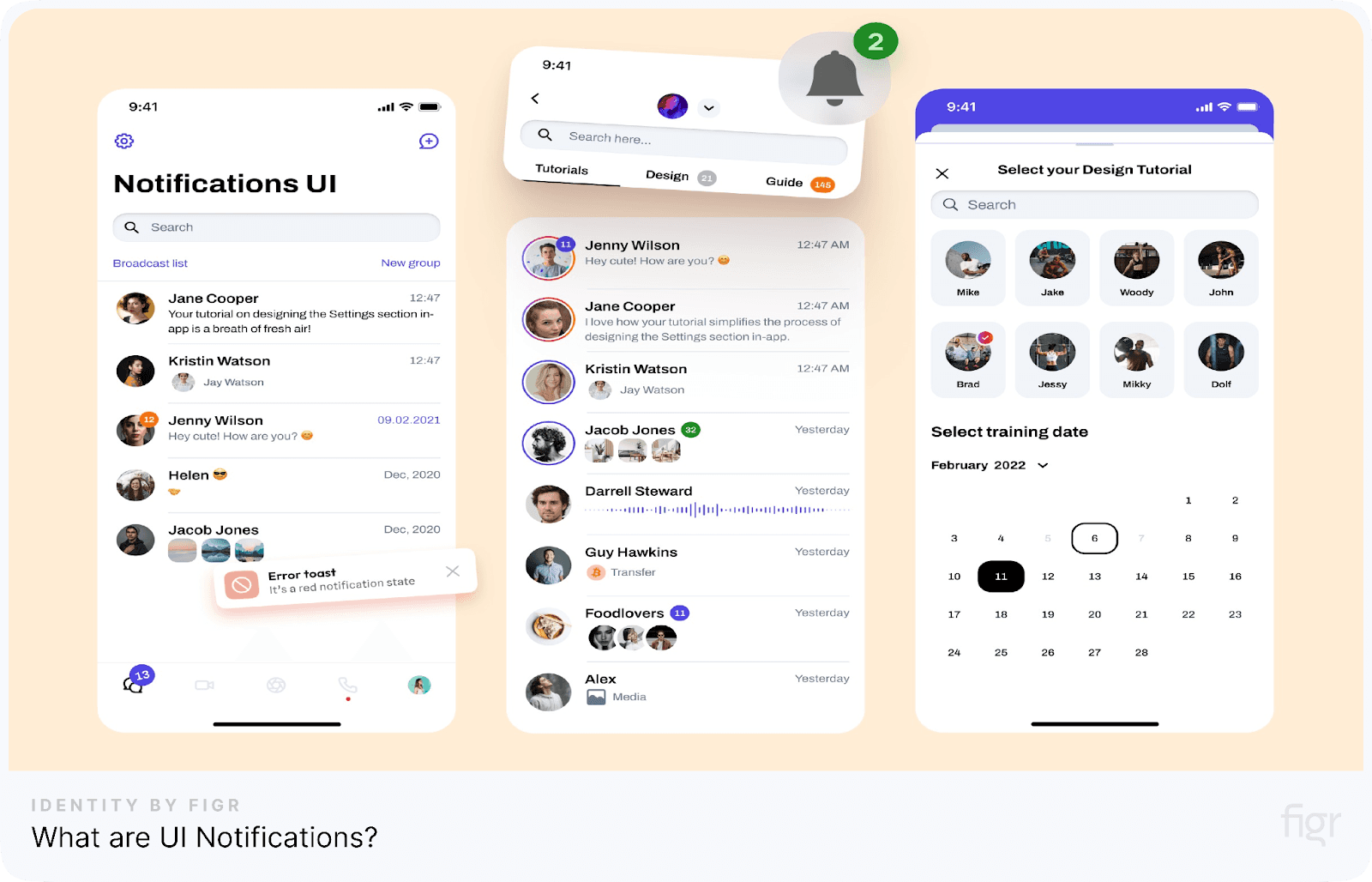
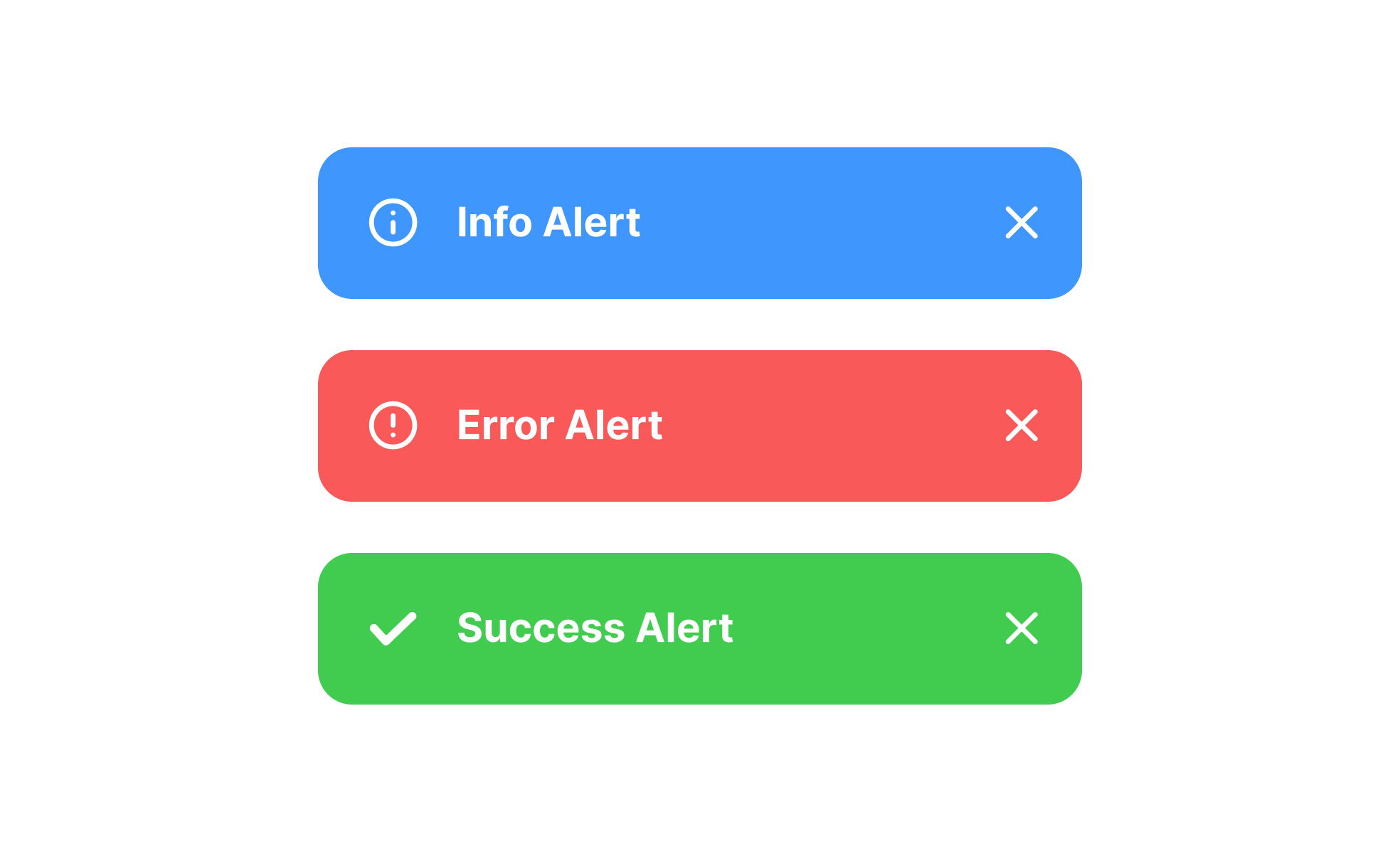
Non-interruptive alerts rely on clear visual cues, subtle animations, and strategic placement within the interface to communicate important information without monopolizing attention. For instance, a small notification banner appearing at the corner of a screen can alert users to updates or warnings, allowing them to continue with ongoing tasks. Color coding plays a critical role in this context, enabling users to quickly associate the alert with a specific category, such as errors, warnings, or informational messages, without the need for intrusive pop-ups. Typography and iconography are equally essential, offering immediate recognition while ensuring the alert is lightweight and non-distracting.
Timing is another crucial aspect of non-interruptive alerts. Alerts should appear contextually relevant, surfacing when the user is most likely to notice or act on them without disrupting cognitive processes. For instance, in a data-entry application, highlighting a potential error in a field as the user moves through the form is preferable to presenting a modal dialog that demands immediate acknowledgment. This approach respects the user’s pace, allowing them to correct issues naturally as part of their workflow, thereby reducing cognitive load and the likelihood of task abandonment.
Integration with the interface is vital to the success of non-interruptive alerts. Alerts should feel like a natural extension of the system rather than an external imposition. This can be achieved through consistent placement, smooth transitions, and visual language that aligns with the overall design. For example, a banking application might display a small, unobtrusive message about an upcoming payment due date within the account summary view, providing valuable information without forcing users to navigate away from the task they are performing. Consistency in behavior and appearance across different alerts ensures that users develop a mental model, enabling them to interpret and respond to alerts quickly and confidently.
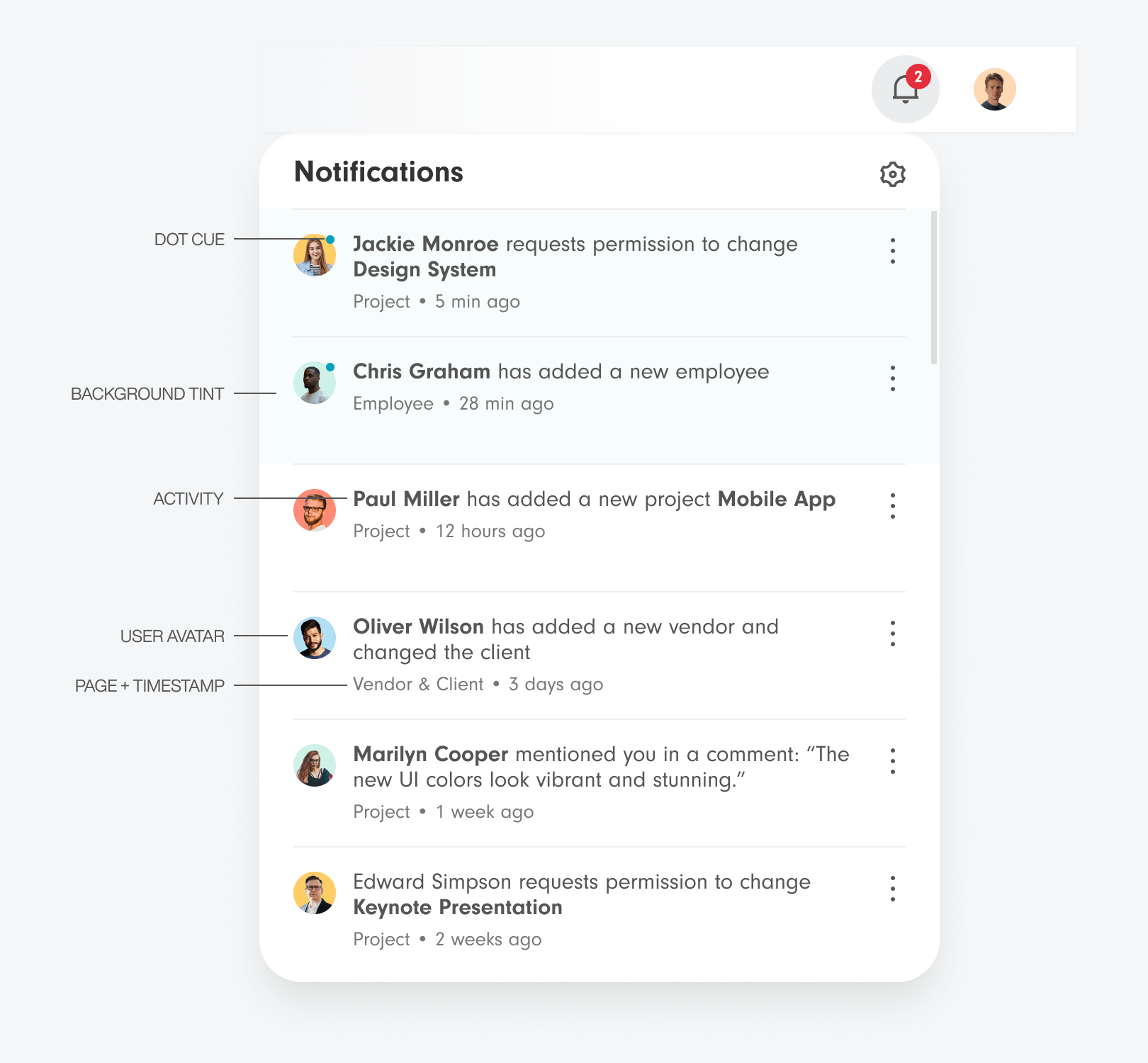
Non-interruptive alerts also offer the advantage of persistence without intrusiveness. Information that needs to remain accessible, such as ongoing process updates or system statuses, can be displayed in a way that stays visible without overshadowing primary tasks. For instance, a file-upload progress indicator can show percentage completion in a compact overlay, keeping users informed while allowing them to continue with other work. Similarly, notifications about background events, like message deliveries or system syncs, can appear in notification centers or subtle banners, giving users the autonomy to check details when convenient.
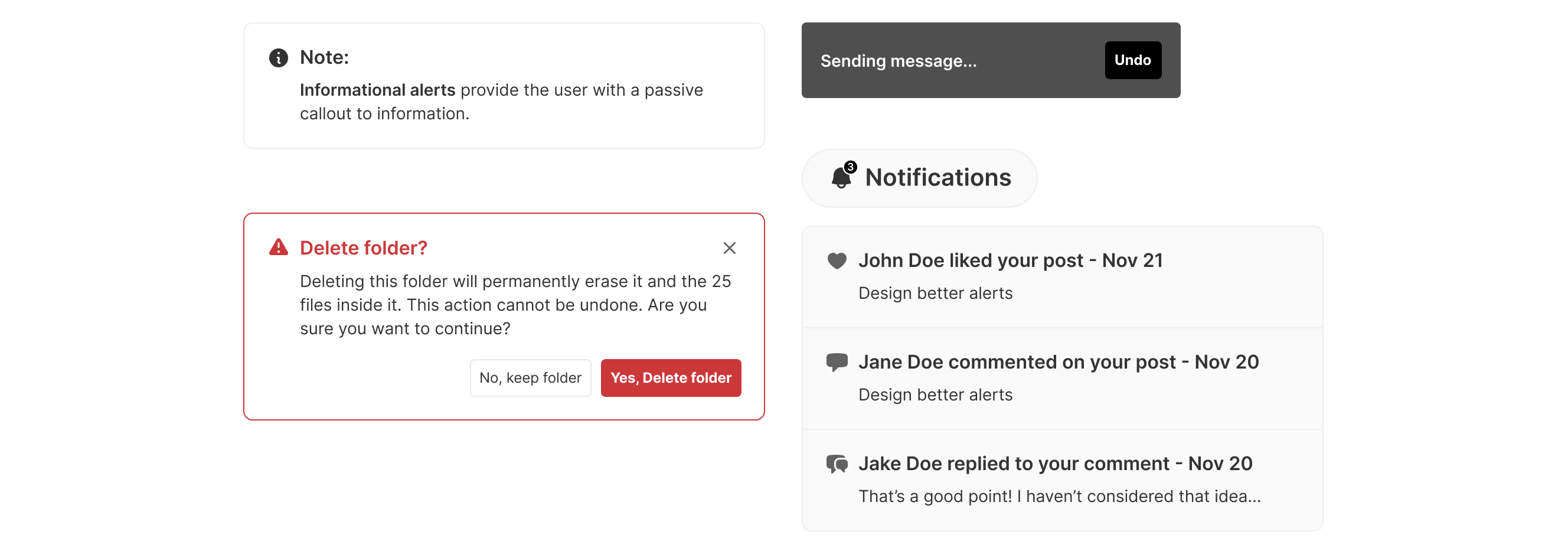
Interactivity within non-interruptive alerts enhances user empowerment. Providing contextual actions or expandable content allows users to engage with the alert only when necessary. For example, a software update alert might include a “Remind Me Later” option or a collapsible section with details about new features, enabling users to control when and how they respond. This approach reduces pressure, giving users agency and reinforcing a sense of mastery over the system. Moreover, it encourages trust in the interface, as users feel that the system respects their priorities and workflow.
Accessibility considerations are also critical in designing non-interruptive alerts. Alerts should be perceivable by users with varying abilities, including those who rely on assistive technologies. This includes providing screen-reader compatible messages, ensuring adequate contrast for visibility, and using non-reliant cues such as motion or color alone. Non-interruptive alerts must communicate effectively across modalities without assuming a single user profile, ensuring inclusivity while maintaining subtlety.
Analytics and user behavior monitoring can further refine non-interruptive alert strategies. Observing when users interact with alerts, which notifications are frequently ignored, and which drive meaningful action can guide design decisions. This iterative approach allows designers to fine-tune the balance between visibility and intrusiveness, ensuring alerts serve their purpose without generating frustration or notification fatigue.
Non-interruptive alerts can also help manage emotional responses and cognitive stress. Users often experience anxiety when forced to address alerts immediately, particularly in high-stakes environments such as financial trading platforms or medical software. By presenting alerts in a non-intrusive manner, systems can maintain user focus, support decision-making, and reduce the risk of mistakes caused by rushed attention. This subtle communication strategy contributes to a calmer, more controlled experience, where users feel informed but not pressured.
Designers must also consider the hierarchy of alerts within the system. Not all notifications are of equal importance, and differentiating urgency helps users prioritize. High-priority messages may still require stronger visual emphasis, while informational alerts can be more subtle. By establishing clear priority levels and consistent visual indicators, non-interruptive alerts guide user attention appropriately, reducing the cognitive effort required to distinguish between critical and non-critical information.
Finally, non-interruptive alerts reinforce the principle of human-centered design by aligning system behavior with user expectations. They respect the flow of human thought, allowing users to complete tasks efficiently while staying informed. This design philosophy emphasizes empathy, considering the emotional and cognitive states of users, and recognizes that interruptions, even if well-intentioned, can degrade the overall experience. Through careful design, non-interruptive alerts support productivity, trust, and satisfaction, creating interfaces that inform without demanding, guide without overwhelming, and integrate seamlessly into the rhythm of user activity.
Non-interruptive alert design is a subtle art, balancing visibility, relevance, timing, and control. It embodies a philosophy where information serves the user, not the system, and where communication enhances rather than obstructs engagement. By prioritizing user flow, consistency, accessibility, and interactivity, these alerts contribute to experiences that are not only efficient but also psychologically comfortable. The result is an interface that respects human attention, reduces stress, and enables a sense of agency, ensuring that alerts fulfill their role as facilitators of understanding rather than sources of disruption.





Be First to Comment