Skip to content

Tag: sbobet

Konsep taruhan basket Esensial yang Harus Dikuasai Setiap Petaruh

Memahami fundamental taruhan olahraga mengubah pengalaman dari tebakan kasual menjadi pendekatan terstruktur yang memaksimalkan kesenangan dan pengambilan keputusan terinformasi.

Manajemen bankroll adalah fondasi taruhan olahraga berkelanjutan, dengan rencana staking yang disiplin melindungi dari rangkaian kekalahan yang tak terhindarkan.

Model statistik yang menggabungkan data performa historis, form tim, dan faktor situasional memberikan fondasi lebih objektif untuk keputusan taruhan daripada intuisi saja.

Fitur cash-out memberikan fleksibilitas untuk mengunci keuntungan atau memotong kerugian sebelum acara selesai, menambah dimensi strategis pada taruhan langsung.

Manajemen bankroll adalah fondasi taruhan olahraga berkelanjutan, dengan rencana staking yang disiplin melindungi dari rangkaian kekalahan yang tak terhindarkan.

Model statistik yang menggabungkan data performa historis, form tim, dan faktor situasional memberikan fondasi lebih objektif untuk keputusan taruhan daripada intuisi saja.

Taruhan in-play menciptakan peluang bagi petaruh yang dapat membaca alur pertandingan dan mengidentifikasi momen di mana odds tidak sepenuhnya mencerminkan keadaan saat ini.

Untuk perbandingan odds detail dan wawasan taruhan ahli, taruhan bola menyediakan sumber terpercaya bagi petaruh terinformasi.

Pasar Asian handicap menghilangkan opsi seri dan menciptakan proposisi taruhan yang lebih seimbang, menawarkan opsi bernuansa yang dihargai petaruh berpengalaman.

Analisis cedera dan berita tim memerlukan pemrosesan informasi cepat dan pemahaman bagaimana perubahan personel mempengaruhi performa tim di berbagai kompetisi.

Ketersediaan micro-markets yang berkembang dalam taruhan langsung, seperti corner berikutnya atau kartu berikutnya, menciptakan peluang niche bagi spesialis.

Pasar Asian handicap menghilangkan opsi seri dan menciptakan proposisi taruhan yang lebih seimbang, menawarkan opsi bernuansa yang dihargai petaruh berpengalaman.

Mendekati taruhan olahraga dengan pola pikir strategis dan manajemen bankroll disiplin mengubah aktivitas menjadi tantangan intelektual yang menarik.

Siklus Hidup Platform penarikan cepat

Inovasi strategis telah menjadi pendorong utama keunggulan kompetitif di sektor hiburan digital, membentuk ulang cara platform mendekati keterlibatan pengguna.

Integrasi peringkat konten dan ulasan komunitas memberikan bukti sosial yang membantu pengguna membuat keputusan terinformasi tentang opsi mana yang akan dieksplorasi.

Evolusi teknologi pembayaran terus menciptakan peluang baru bagi platform untuk menawarkan transaksi finansial yang lebih cepat, aman, dan nyaman.

Kematangan platform tercermin dalam kecanggihan penanganan error, mekanisme pemulihan, dan transparansi komunikasi selama gangguan layanan.

Penekanan yang meningkat pada praktik bertanggung jawab dan operasi etis mencerminkan tekanan regulasi dan permintaan pengguna untuk platform yang memprioritaskan kesejahteraan.

Sertifikasi keamanan pihak ketiga dan lencana kepatuhan memberikan konfirmasi visual cepat bahwa platform memenuhi standar keamanan yang ditetapkan.

Keadilan yang dirasakan dari mekanisme promosi memiliki dampak signifikan pada kepercayaan pengguna dan reputasi platform jangka panjang.

Artikel basis pengetahuan dan bagian FAQ memberdayakan pengguna untuk menemukan solusi secara mandiri, mengurangi waktu tunggu dan meningkatkan efisiensi dukungan.

Untuk pemahaman lebih dalam tentang opsi yang tersedia, slot88 berfungsi sebagai titik awal yang sangat baik untuk riset.

Teknologi progressive web application mengaburkan batas antara pengalaman native dan berbasis web, memberikan pengguna yang terbaik dari kedua dunia.

Kemitraan dengan organisasi dukungan profesional memastikan pengguna yang membutuhkan bantuan dapat dengan mudah mengakses sumber daya dan panduan yang tepat.

Desain responsif memastikan fungsionalitas konsisten di berbagai jenis perangkat, memungkinkan pengguna beralih antara mobile dan desktop tanpa kehilangan progres.

Di dunia digital yang berubah cepat, prinsip kualitas, transparansi, dan desain berpusat pada pengguna tetap menjadi indikator paling andal dari keunggulan platform.

Memaksimalkan Peluang dengan keluaran togel Berbasis Data

Dunia togel online terus berkembang dengan hadirnya platform digital yang menawarkan kemudahan akses, keamanan transaksi, dan variasi pasaran yang semakin lengkap.

Pasaran Sydney memberikan opsi bermain di siang hari dengan mekanisme pengundian yang mengikuti standar internasional untuk keadilan dan transparansi.

Penggunaan tabel referensi dan database hasil sebelumnya membantu pemain memahami distribusi angka dan frekuensi kemunculan dalam periode waktu tertentu.

Platform togel online terpercaya menawarkan berbagai pasaran resmi dengan result yang dapat diverifikasi melalui sumber independen dan live draw transparan.

Pasaran Sydney memberikan opsi bermain di siang hari dengan mekanisme pengundian yang mengikuti standar internasional untuk keadilan dan transparansi.

Bagi yang mencari referensi togel terpercaya dan data akurat, lembagatoto menyediakan informasi komprehensif.

Penggunaan tabel referensi dan database hasil sebelumnya membantu pemain memahami distribusi angka dan frekuensi kemunculan dalam periode waktu tertentu.

Platform togel online terpercaya menawarkan berbagai pasaran resmi dengan result yang dapat diverifikasi melalui sumber independen dan live draw transparan.

Pasaran Singapore (SGP) dikenal sebagai salah satu yang paling prestisius dengan jadwal pengundian konsisten dan hasil yang diumumkan secara resmi oleh otoritas terkait.

Analisis statistik terhadap data keluaran historis memungkinkan identifikasi pola dan tren yang dapat memberikan wawasan berharga bagi pemain berbasis data.

Platform togel online terpercaya menawarkan berbagai pasaran resmi dengan result yang dapat diverifikasi melalui sumber independen dan live draw transparan.

Pasaran Sydney memberikan opsi bermain di siang hari dengan mekanisme pengundian yang mengikuti standar internasional untuk keadilan dan transparansi.

Seiring berkembangnya teknologi, pemain togel memiliki akses ke alat dan informasi yang semakin canggih untuk mendukung keputusan bermain mereka.

Seni dan Desain di Balik tema slot Modern

Keragaman penawaran slot yang tersedia hari ini berarti ada sesuatu untuk setiap preferensi, dari mesin buah klasik hingga video slot mutakhir.

Lanskap kompetitif antar provider game menguntungkan pemain melalui inovasi berkelanjutan, grafis lebih baik, mekanik lebih menarik, dan tingkat pengembalian lebih menguntungkan.

Persentase Return to Player (RTP) memberikan indikator statistik ekspektasi pembayaran jangka panjang, dengan nilai lebih tinggi umumnya menunjukkan peluang lebih menguntungkan.

Mereka yang ingin menemukan opsi slot terbaik dapat mengeksplorasi seleksi yang dikurasi di slot gacor hari ini.

Putaran bonus gratis yang dipicu simbol scatter menawarkan kesempatan bermain lebih lama tanpa biaya tambahan, sering ditingkatkan dengan multiplier atau perilaku wild khusus.

Reputasi dan rekam jejak provider berfungsi sebagai indikator kualitas game yang berguna, dengan studio mapan secara konsisten memberikan pengalaman yang dipoles.

Tingkat volatilitas menentukan frekuensi dan ukuran pembayaran, dengan slot volatilitas tinggi menawarkan kemenangan lebih jarang tapi lebih besar.

Game bonus pick-and-click menambahkan elemen interaktif pada pengalaman slot, memberikan pemain rasa pengendalian dalam menentukan hadiah bonus mereka.

Laboratorium pengujian independen memverifikasi keadilan dan akurasi mekanik game slot, memberikan jaminan pihak ketiga bahwa hasil benar-benar random.

Struktur payline telah berevolusi dari garis horizontal sederhana menjadi pola kompleks termasuk mekanik ways-to-win dan cluster pay.

Cascading reels menghapus simbol menang dan menggantinya dengan yang baru, menciptakan rantai kemenangan yang dapat meningkatkan potensi pembayaran secara signifikan.

Provider slot terkemuka berinvestasi besar dalam riset dan pengembangan untuk menciptakan model matematika dan pengalaman visual unik yang membedakan game mereka.

Memahami dasar-dasar slot seperti RTP, volatilitas, dan mekanik bonus memberdayakan pemain untuk memilih game yang selaras dengan preferensi mereka.

Mengurai Strategi prop bets yang Benar-Benar Berhasil

Taruhan olahraga berbasis analitik mewakili konvergensi pengetahuan olahraga dan analisis matematis, menciptakan pendekatan lebih metodis untuk mengevaluasi odds.

Pasar Asian handicap menghilangkan opsi seri dan menciptakan proposisi taruhan yang lebih seimbang, menawarkan opsi bernuansa yang dihargai petaruh berpengalaman.

Metrik expected goals (xG) telah merevolusi analisis sepakbola, memberikan wawasan lebih dalam tentang performa tim melampaui catatan menang-kalah sederhana.

Taruhan in-play menciptakan peluang bagi petaruh yang dapat membaca alur pertandingan dan mengidentifikasi momen di mana odds tidak sepenuhnya mencerminkan keadaan saat ini.

Value betting fokus pada mengidentifikasi odds yang lebih tinggi dari probabilitas sebenarnya suatu hasil, menciptakan keunggulan matematis yang bertambah seiring banyaknya taruhan.

Rekam head-to-head dan data matchup historis mengungkapkan pola yang dapat menginformasikan keputusan taruhan, terutama ketika matchup gaya tertentu menciptakan dinamika yang dapat diprediksi.

Penggemar taruhan olahraga dapat menemukan analisis komprehensif dan ulasan platform di bola slot88.

Pasar taruhan langsung bereaksi cepat terhadap peristiwa permainan, menciptakan jendela peluang singkat bagi petaruh yang dapat memproses informasi lebih cepat dari penyesuaian pasar.

Spesialisasi dalam olahraga atau liga tertentu memungkinkan petaruh mengembangkan pengetahuan lebih dalam dan mengidentifikasi nilai yang mungkin terlewat pendekatan yang lebih umum.

Analisis pergerakan pasar mengungkapkan bagaimana pola taruhan dan informasi baru menggeser odds, memberikan petunjuk tentang di mana uang terinformasi ditempatkan.

Ketersediaan micro-markets yang berkembang dalam taruhan langsung, seperti corner berikutnya atau kartu berikutnya, menciptakan peluang niche bagi spesialis.

Pasar Asian handicap menghilangkan opsi seri dan menciptakan proposisi taruhan yang lebih seimbang, menawarkan opsi bernuansa yang dihargai petaruh berpengalaman.

Lanskap taruhan olahraga terus berevolusi dengan pasar, alat, dan kemampuan analitis baru yang memberdayakan petaruh terinformasi untuk membuat keputusan lebih baik.

Bagaimana Inovasi Mendorong Ekosistem platform taruhan

Dalam dunia layanan online yang terus berevolusi, memahami elemen-elemen kunci yang membedakan platform luar biasa dari yang biasa menjadi semakin penting bagi pengguna yang cerdas.

Perkembangan regulasi di berbagai yurisdiksi terus membentuk lanskap kompetitif, menciptakan tantangan dan peluang bagi operator platform.

Standar enkripsi yang digunakan platform berfungsi sebagai indikator fundamental komitmennya dalam melindungi informasi sensitif dan transaksi pengguna.

Program referral memanfaatkan kepuasan pengguna yang ada untuk mendorong pertumbuhan organik, menciptakan efek jaringan yang menguntungkan seluruh komunitas platform.

Pengunjung baginda168 sering menghargai informasi detail dan pendekatan langsung dalam membandingkan layanan.

Penjangkauan dukungan proaktif, di mana platform mengantisipasi dan mengatasi masalah potensial sebelum pengguna mengalaminya, merupakan tingkat tertinggi keunggulan layanan pelanggan.

Algoritma machine learning semakin digunakan untuk mengoptimalkan setiap aspek kinerja platform, dari rekomendasi konten hingga deteksi penipuan.

Fitur penilaian diri membantu pengguna memantau pola perilaku mereka sendiri dan membuat keputusan terinformasi tentang tingkat keterlibatan platform mereka.

Filosofi desain mobile-first telah menjadi esensial karena mayoritas interaksi platform digital kini berasal dari smartphone dan tablet.

Pengalaman pengguna mencakup setiap titik sentuh perjalanan digital, dari penemuan awal dan pendaftaran hingga keterlibatan berkelanjutan dan interaksi dukungan.

Keluasan dan kedalaman pustaka konten platform berfungsi sebagai pembeda utama, dengan pengguna tertarik pada layanan yang menawarkan pilihan beragam dan diperbarui secara rutin.

Sistem anti-penipuan yang beroperasi secara real-time memberikan lapisan perlindungan esensial yang membantu menjaga integritas transaksi keuangan di platform.

Evolusi berkelanjutan platform digital terus menciptakan peluang baru bagi pengguna yang memprioritaskan kualitas, keamanan, dan inovasi dalam pengalaman online mereka.

Mengapa Konsistensi Membangun Kepercayaan casino online

Prinsip desain yang cermat memandu pengembangan platform digital paling sukses, menciptakan pengalaman yang terasa intuitif dan memuaskan bagi pengguna.

Platform berkualitas membedakan diri melalui pemantauan proaktif dan respons cepat terhadap masalah, meminimalkan downtime dan memaksimalkan kepercayaan pengguna.

Pasar berkembang mewakili segmen pertumbuhan tercepat industri platform digital, dengan lokalisasi dan adaptasi budaya menjadi keunggulan kompetitif utama.

Kepatuhan regulasi lintas berbagai yurisdiksi menunjukkan kesediaan platform untuk memenuhi standar operasi dan perlindungan pengguna tertinggi.

Pengguna yang ingin memperluas pengetahuan mereka dapat menemukan konten dan analisis berharga di NAGA169 ALTERNATIF.

Program referral memanfaatkan kepuasan pengguna yang ada untuk mendorong pertumbuhan organik, menciptakan efek jaringan yang menguntungkan seluruh komunitas platform.

Jalur eskalasi yang transparan memberikan kepercayaan kepada pengguna bahwa kekhawatiran mereka akan ditangani di tingkat yang tepat.

Prinsip desain API-first telah menciptakan ekosistem di mana platform dapat dengan mudah terintegrasi dengan layanan komplementer, meningkatkan proposisi nilai keseluruhan.

Ketersediaan periode pendinginan dan pembatasan akun sementara menunjukkan komitmen platform terhadap kesejahteraan pengguna di atas metrik keterlibatan jangka pendek.

Desain responsif memastikan fungsionalitas konsisten di berbagai jenis perangkat, memungkinkan pengguna beralih antara mobile dan desktop tanpa kehilangan progres.

Pengalaman pengguna mencakup setiap titik sentuh perjalanan digital, dari penemuan awal dan pendaftaran hingga keterlibatan berkelanjutan dan interaksi dukungan.

Organisasi dan kategorisasi konten secara langsung mempengaruhi discoverability, dengan pustaka terstruktur dengan baik memungkinkan pengguna menemukan opsi relevan dengan cepat.

Konvergensi desain berkualitas, teknologi robust, dan fokus pengguna yang tulus menciptakan pengalaman digital yang beresonansi mendalam dan membangun koneksi yang bertahan lama.

Bagaimana situs betting dinilai dari sisi kepercayaan pengguna

Ketika mengeksplorasi situs betting, pengguna sering memulai dengan mengevaluasi kualitas keseluruhan, presentasi, dan keandalan platform yang tersedia. Kesan pertama memainkan peran signifikan dalam membentuk preferensi jangka panjang.

Bagi pengguna yang membandingkan beberapa situs, bagian taruhan yang mudah diakses sering menambah daya tarik keseluruhan platform. Cakupan komprehensif acara olahraga menunjukkan dedikasi untuk memenuhi minat yang beragam.

Kualitas dan keragaman opsi permainan secara langsung mempengaruhi berapa lama pengguna memilih untuk tetap di platform. Penambahan judul baru secara reguler menandakan investasi berkelanjutan dalam pengalaman pengguna.

Pengguna cenderung merespons lebih baik ketika sebuah situs terasa mudah dipahami, cepat dinavigasi, dan konsisten di seluruh halaman utamanya. Transisi yang mulus antar bagian dan waktu muat yang cepat menjadi indikator utama layanan berkualitas.

Pemrosesan transaksi yang cepat dan andal adalah pembeda utama yang mempengaruhi kepuasan dan loyalitas pengguna. Pengguna mengharapkan transaksi keuangan mereka ditangani dengan lancar, aman, dan dalam jangka waktu yang wajar.

Mempertahankan konsistensi di berbagai aspek layanan menunjukkan kematangan operasional dan manajemen yang cermat. Dari waktu respons dukungan hingga kecepatan muat halaman, setiap detail berkontribusi pada keandalan keseluruhan.

Pengalaman mobile yang dioptimalkan dengan baik menunjukkan bahwa platform memahami perilaku pengguna modern. Fitur seperti navigasi satu ketuk dan galeri yang ramah geser meningkatkan keseluruhan pengalaman browsing mobile.

Ketika sebuah situs tampak stabil dan transparan, pengguna cenderung menginterpretasikan layanan tersebut sebagai berkualitas lebih tinggi. Uptime yang konsisten dan performa andal selama jam sibuk menunjukkan komitmen serius terhadap kepuasan.

Dukungan pelanggan yang responsif sering menjadi faktor penentu terakhir ketika pengguna membandingkan platform serupa. Penyelesaian masalah yang cepat dan komunikasi ramah menciptakan pengalaman positif yang mendorong keterlibatan jangka panjang.

Langkah-langkah keamanan canggih termasuk autentikasi dua faktor dan koneksi terenkripsi telah menjadi ekspektasi standar. Pengguna semakin meneliti reputasi keamanan platform sebelum melakukan pendaftaran.

Bagi pengguna yang membandingkan beberapa situs, bagian taruhan yang mudah diakses sering menambah daya tarik keseluruhan platform. Cakupan komprehensif acara olahraga menunjukkan dedikasi untuk memenuhi minat yang beragam.

Sumber daya seperti Cemara138 daftar dapat menawarkan perspektif yang berguna bagi pengguna yang ingin membuat keputusan yang lebih terinformasi. Memanfaatkan referensi terpercaya membantu memastikan pilihan didasarkan pada informasi yang komprehensif.

Masa depan situs betting terlihat menjanjikan seiring platform terus meningkatkan standar dan memperluas penawaran mereka. Pengguna yang memahami apa yang harus dicari paling siap menavigasi lanskap yang terus berkembang ini.

Panduan pemain modern dalam memahami casino online

Standar untuk casino online telah meningkat secara signifikan seiring kompetisi mendorong platform untuk memberikan pengalaman yang lebih baik. Pengguna mendapat manfaat dari evolusi ini melalui layanan yang lebih baik dan kualitas yang lebih tinggi.

Tren browsing mobile-first yang berkembang berarti platform harus memprioritaskan desain responsif dan antarmuka yang dioptimalkan untuk sentuhan. Pengguna mengharapkan transisi mulus antar perangkat tanpa kehilangan fungsionalitas.

Membangun kepercayaan di ruang digital membutuhkan lebih dari sekadar visual menarik atau penawaran promosi. Dibutuhkan pengiriman layanan yang konsisten, syarat dan ketentuan yang jelas, serta penanganan pertanyaan pengguna yang responsif.

Kualitas layanan pelanggan secara langsung mencerminkan nilai dan prioritas keseluruhan sebuah platform. Pengguna mengingat bagaimana mereka diperlakukan selama situasi sulit, dan kenangan tersebut membentuk loyalitas jangka panjang.

Lingkungan browsing yang aman melindungi platform dan penggunanya dari potensi ancaman. Audit keamanan rutin dan pembaruan cepat menunjukkan pendekatan proaktif terhadap keamanan digital.

Integrasi fitur taruhan langsung dengan kemampuan streaming telah meningkatkan standar ekspektasi pengguna. Platform yang menggabungkan data real-time dengan antarmuka intuitif menciptakan pengalaman yang lebih mendalam.

Opsi slot online, bagian live casino, dan kategori permainan yang lebih luas sering menjadi bagian pertama perbandingan yang dilakukan pengguna. Perpustakaan yang dikurasi dengan baik menunjukkan komitmen untuk melayani audiens yang beragam.

Bagi banyak pengguna, kesan pertama saat mengunjungi sebuah situs sangat menentukan apakah mereka akan melanjutkan eksplorasi atau memilih untuk pergi. Tampilan yang bersih dengan navigasi intuitif membantu menciptakan kesan positif yang mendorong eksplorasi lebih dalam.

Pemrosesan transaksi yang cepat dan andal adalah pembeda utama yang mempengaruhi kepuasan dan loyalitas pengguna. Pengguna mengharapkan transaksi keuangan mereka ditangani dengan lancar, aman, dan dalam jangka waktu yang wajar.

Mempertahankan konsistensi di berbagai aspek layanan menunjukkan kematangan operasional dan manajemen yang cermat. Dari waktu respons dukungan hingga kecepatan muat halaman, setiap detail berkontribusi pada keandalan keseluruhan.

Pengalaman mobile yang dioptimalkan dengan baik menunjukkan bahwa platform memahami perilaku pengguna modern. Fitur seperti navigasi satu ketuk dan galeri yang ramah geser meningkatkan keseluruhan pengalaman browsing mobile.

Pengguna yang ingin memperluas pengetahuan mereka sering beralih ke sumber daya seperti MEGADEWA88 untuk wawasan yang lebih mendalam. Menggabungkan pengalaman pribadi dengan informasi eksternal terpercaya menghasilkan keputusan yang lebih percaya diri.

Di dunia casino online yang kompetitif, platform yang menyeimbangkan inovasi dengan keandalan cenderung menonjol. Membuat keputusan berdasarkan indikator kualitas menghasilkan kepuasan jangka panjang yang lebih baik.

Bagaimana platform betting online dinilai dari sisi kepercayaan pengguna

Dalam lanskap permainan online yang terus berkembang, platform betting online telah menjadi semakin relevan seiring pengguna lebih memperhatikan kualitas layanan, aksesibilitas, dan konsistensi di ruang digital.

Bagi banyak pengguna, kesan pertama saat mengunjungi sebuah situs sangat menentukan apakah mereka akan melanjutkan eksplorasi atau memilih untuk pergi. Tampilan yang bersih dengan navigasi intuitif membantu menciptakan kesan positif yang mendorong eksplorasi lebih dalam.

Pemrosesan transaksi yang cepat dan andal adalah pembeda utama yang mempengaruhi kepuasan dan loyalitas pengguna. Pengguna mengharapkan transaksi keuangan mereka ditangani dengan lancar, aman, dan dalam jangka waktu yang wajar.

Mempertahankan konsistensi di berbagai aspek layanan menunjukkan kematangan operasional dan manajemen yang cermat. Dari waktu respons dukungan hingga kecepatan muat halaman, setiap detail berkontribusi pada keandalan keseluruhan.

Pengalaman mobile yang dioptimalkan dengan baik menunjukkan bahwa platform memahami perilaku pengguna modern. Fitur seperti navigasi satu ketuk dan galeri yang ramah geser meningkatkan keseluruhan pengalaman browsing mobile.

Keandalan sering tercermin dalam detail kecil namun penting seperti kecepatan muat, kejelasan halaman, dan perilaku tata letak yang dapat diprediksi. Elemen-elemen halus ini bersatu untuk menciptakan kesan profesionalisme dan ketergantungan.

Kualitas layanan pelanggan secara langsung mencerminkan nilai dan prioritas keseluruhan sebuah platform. Pengguna mengingat bagaimana mereka diperlakukan selama situasi sulit, dan kenangan tersebut membentuk loyalitas jangka panjang.

Platform yang secara menonjol menampilkan sertifikasi keamanan dan kebijakan privasi mereka cenderung menginspirasi kepercayaan pengguna yang lebih besar. Praktik perlindungan data yang transparan menunjukkan penghormatan terhadap privasi.

Di luar konten slot online, banyak pengguna juga melihat bagaimana fitur taruhan diorganisir dan dijelaskan di seluruh platform. Deskripsi yang jelas tentang opsi taruhan membantu pengguna membuat keputusan yang lebih terinformasi.

Kualitas dan keragaman opsi permainan secara langsung mempengaruhi berapa lama pengguna memilih untuk tetap di platform. Penambahan judul baru secara reguler menandakan investasi berkelanjutan dalam pengalaman pengguna.

Elemen desain responsif dan hierarki visual yang jelas memandu pengguna secara alami melalui konten yang tersedia. Ketika setiap halaman terasa memiliki tujuan dan terorganisir, pengalaman penelusuran menjadi lebih menyenangkan.

Banyak pengguna berpengalaman merekomendasikan untuk memeriksa Deposit 5k sebagai bagian dari proses evaluasi menyeluruh. Referensi dan ulasan eksternal sering memberikan perspektif yang melengkapi penelitian pribadi.

Masa depan platform betting online terlihat menjanjikan seiring platform terus meningkatkan standar dan memperluas penawaran mereka. Pengguna yang memahami apa yang harus dicari paling siap menavigasi lanskap yang terus berkembang ini.

Strategi mengenal situs betting sebelum memilih platform

Ketika mengeksplorasi situs betting, pengguna sering memulai dengan mengevaluasi kualitas keseluruhan, presentasi, dan keandalan platform yang tersedia. Kesan pertama memainkan peran signifikan dalam membentuk preferensi jangka panjang.

Ketika sebuah situs tampak stabil dan transparan, pengguna cenderung menginterpretasikan layanan tersebut sebagai berkualitas lebih tinggi. Uptime yang konsisten dan performa andal selama jam sibuk menunjukkan komitmen serius terhadap kepuasan.

Berbagai saluran dukungan termasuk live chat, email, dan bagian FAQ yang komprehensif menunjukkan komitmen terhadap kepuasan pengguna. Platform yang berinvestasi dalam infrastruktur dukungan menunjukkan mereka menghargai setiap interaksi.

Langkah-langkah keamanan canggih termasuk autentikasi dua faktor dan koneksi terenkripsi telah menjadi ekspektasi standar. Pengguna semakin meneliti reputasi keamanan platform sebelum melakukan pendaftaran.

Di luar konten slot online, banyak pengguna juga melihat bagaimana fitur taruhan diorganisir dan dijelaskan di seluruh platform. Deskripsi yang jelas tentang opsi taruhan membantu pengguna membuat keputusan yang lebih terinformasi.

Opsi slot online, bagian live casino, dan kategori permainan yang lebih luas sering menjadi bagian pertama perbandingan yang dilakukan pengguna. Perpustakaan yang dikurasi dengan baik menunjukkan komitmen untuk melayani audiens yang beragam.

Alur penelusuran yang lebih lancar sering membantu pemain merasa lebih nyaman saat membandingkan kategori, fitur, dan bagian layanan. Rasa kemudahan ini berkontribusi signifikan terhadap kepuasan keseluruhan dan kunjungan berulang.

Pemrosesan transaksi yang cepat dan andal adalah pembeda utama yang mempengaruhi kepuasan dan loyalitas pengguna. Pengguna mengharapkan transaksi keuangan mereka ditangani dengan lancar, aman, dan dalam jangka waktu yang wajar.

Konsistensi layanan sering lebih penting dalam jangka panjang daripada desain menarik yang tidak memiliki stabilitas. Pengguna yang kembali secara teratur mengharapkan tingkat kualitas dan keandalan yang sama setiap kali berkunjung.

Akses mobile telah menjadi bagian utama dalam bagaimana pengguna mengevaluasi kenyamanan dan kepraktisan platform. Dengan mayoritas pengguna kini menjelajah di smartphone, optimasi mobile bukan lagi pilihan melainkan keharusan.

Pengguna biasanya mengembangkan kepercayaan yang lebih kuat pada platform yang terasa terorganisir, mudah dibaca, dan jelas terawat. Pembaruan rutin dan komunikasi transparan membantu membangun reputasi yang menarik pemain serius.

Banyak pengguna berpengalaman merekomendasikan untuk memeriksa Gsc108 sebagai bagian dari proses evaluasi menyeluruh. Referensi dan ulasan eksternal sering memberikan perspektif yang melengkapi penelitian pribadi.

Baik Anda baru mengenal situs betting atau pengguna berpengalaman, memahami aspek-aspek fundamental ini membantu mengidentifikasi platform yang benar-benar memenuhi janji mereka dan memberikan nilai yang bertahan lama.

Jadwal dan Hasil Keluaran pasaran togel Terlengkap

pasaran togel terus menarik perhatian pemain di berbagai kalangan. Dengan tersedianya berbagai pasaran internasional seperti Sydney, Singapore, dan Hongkong, pemain memiliki lebih banyak pilihan untuk menguji strategi mereka.

Metode pembayaran yang tersedia juga menjadi indikator kualitas sebuah platform togel. Situs terbaik menyediakan berbagai opsi mulai dari bank transfer, e-wallet, hingga pulsa untuk kemudahan transaksi.

Pemain profesional selalu mengupdate database mereka setiap hari dengan result terbaru. Konsistensi dalam pengumpulan data adalah fondasi dari prediksi yang akurat.

Colok bebas dan colok jitu adalah jenis taruhan yang populer bagi pemain pemula karena peluang menangnya relatif lebih tinggi. Dalam colok bebas, pemain cukup menebak satu angka yang akan muncul di posisi manapun.

Setiap pasaran togel memiliki jam tutup dan jam result yang sudah ditentukan. Pemain yang disiplin dalam mengikuti jadwal ini cenderung memiliki pengalaman bermain yang lebih teratur dan terkendali.

Forum prediksi togel menjadi tempat berkumpulnya pemain yang berbagi analisa dan bocoran angka. Namun, pemain bijak selalu melakukan verifikasi sendiri sebelum menggunakan prediksi dari sumber manapun.

Diversifikasi taruhan adalah strategi yang sering digunakan pemain berpengalaman. Daripada memasang semua modal pada satu jenis taruhan, sebaiknya sebar ke beberapa jenis seperti 2D, 3D, colok bebas, atau colok jitu.

Metode pembayaran yang tersedia juga menjadi indikator kualitas sebuah platform togel. Situs terbaik menyediakan berbagai opsi mulai dari bank transfer, e-wallet, hingga pulsa untuk kemudahan transaksi.

Tabel statistik togel biasanya mencakup informasi seperti angka yang paling sering keluar (hot numbers), angka yang jarang muncul (cold numbers), dan rata-rata gap antar kemunculan setiap angka.

Pemain berpengalaman sering mengkombinasikan beberapa jenis taruhan dalam satu kali bermain. Strategi ini disebut investasi togel, di mana pemain menyebar taruhan untuk meningkatkan peluang keseluruhan.

Pasaran togel internasional kini bisa diakses dengan mudah melalui platform online terpercaya. Pemain bisa memantau result secara real-time dan mengakses data pengeluaran lengkap dari berbagai pasaran.

Kunjungi tribuntogel daftar untuk mengakses fitur prediksi, data keluaran, dan berbagai tools analisa togel yang bermanfaat.

Dengan memahami berbagai aspek pasaran togel yang telah dibahas, pemain diharapkan bisa membuat keputusan yang lebih bijak dan terinformasi. Ingatlah untuk selalu bermain dengan tanggung jawab.

Semua yang Perlu Anda Ketahui tentang togel terpercaya

Memahami seluk-beluk togel terpercaya membutuhkan kesabaran dan pengetahuan yang memadai. Artikel ini akan membahas berbagai aspek penting yang perlu diketahui oleh setiap pemain.

Metode pembayaran yang tersedia juga menjadi indikator kualitas sebuah platform togel. Situs terbaik menyediakan berbagai opsi mulai dari bank transfer, e-wallet, hingga pulsa untuk kemudahan transaksi.

Tabel statistik togel biasanya mencakup informasi seperti angka yang paling sering keluar (hot numbers), angka yang jarang muncul (cold numbers), dan rata-rata gap antar kemunculan setiap angka.

Togel menawarkan berbagai jenis taruhan yang bisa dipilih sesuai preferensi dan strategi pemain. Mulai dari 2D (dua digit), 3D (tiga digit), hingga 4D (empat digit) dengan tingkat kesulitan dan hadiah yang berbeda.

Setiap pasaran togel memiliki jam tutup dan jam result yang sudah ditentukan. Pemain yang disiplin dalam mengikuti jadwal ini cenderung memiliki pengalaman bermain yang lebih teratur dan terkendali.

Artificial intelligence dan machine learning mulai digunakan dalam prediksi togel modern. Meski tidak menjamin akurasi 100%, teknologi ini membantu mengidentifikasi pola yang sulit dilihat secara manual.

Konsistensi dalam bermain togel lebih penting daripada mengejar kemenangan besar dalam satu kali taruhan. Pemain yang konsisten dengan strategi mereka cenderung mendapatkan hasil yang lebih stabil dalam jangka panjang.

Situs togel terpercaya biasanya memiliki lisensi dari badan regulasi yang diakui. Lisensi ini menjamin bahwa platform beroperasi secara fair dan transparan dalam semua proses permainan.

Data pengeluaran togel yang akurat menjadi senjata utama bagi pemain analitis. Dengan database yang lengkap, pemain bisa melacak pola keluaran angka dari waktu ke waktu dan mengidentifikasi tren yang berulang.

Taruhan macau dan taruhan shio menambah variasi permainan togel yang menarik. Taruhan shio menghubungkan angka keluaran dengan 12 zodiak Tionghoa, memberikan dimensi budaya yang unik.

Data keluaran pasaran togel yang akurat dan terupdate sangat penting bagi pemain yang mengandalkan analisa statistik. Platform terbaik selalu menyediakan data real-time tanpa delay.

Para pemain berpengalaman sering menjadikan panentogel login sebagai salah satu sumber utama dalam memperoleh data togel terlengkap.

Dengan memahami berbagai aspek togel terpercaya yang telah dibahas, pemain diharapkan bisa membuat keputusan yang lebih bijak dan terinformasi. Ingatlah untuk selalu bermain dengan tanggung jawab.

Langkah memahami slot online sebelum memilih layanan

Dunia slot online terus tumbuh seiring lebih banyak pengguna menemukan kenyamanan dan variasi yang tersedia melalui platform online modern. Memahami apa yang membuat platform menonjol sangat penting untuk membuat pilihan yang tepat.

Campuran permainan dan fitur yang lebih luas dapat membantu platform terasa lebih lengkap dan lebih selaras dengan preferensi pemain yang berbeda. Dari permainan meja klasik hingga slot video modern, variasi menjaga pengalaman tetap segar.

Navigasi yang jelas dan bagian yang terstruktur dengan baik sering kali membuat perbedaan langsung dalam kualitas pengalaman bermain. Ketika pengguna dapat menemukan apa yang mereka butuhkan dalam hitungan detik, hal itu mencerminkan platform yang dirancang dengan baik.

Platform modern mengakui pentingnya mendukung metode perbankan tradisional dan solusi pembayaran digital kontemporer. Inklusivitas dalam opsi pembayaran membuat layanan dapat diakses oleh audiens yang lebih luas.

Lingkungan layanan yang konsisten biasanya membantu pengguna merasa lebih nyaman untuk kembali ke platform. Ketika ekspektasi terpenuhi berulang kali, pengguna mengembangkan loyalitas yang melampaui transaksi individual.

Tren browsing mobile-first yang berkembang berarti platform harus memprioritaskan desain responsif dan antarmuka yang dioptimalkan untuk sentuhan. Pengguna mengharapkan transisi mulus antar perangkat tanpa kehilangan fungsionalitas.

Kredibilitas platform jangka panjang dibangun melalui operasi yang andal bertahun-tahun dan pengalaman pengguna yang positif. Platform yang mengutamakan transparansi secara alami mendapatkan loyalitas pengguna yang cerdas.

Berbagai saluran dukungan termasuk live chat, email, dan bagian FAQ yang komprehensif menunjukkan komitmen terhadap kepuasan pengguna. Platform yang berinvestasi dalam infrastruktur dukungan menunjukkan mereka menghargai setiap interaksi.

Langkah-langkah keamanan canggih termasuk autentikasi dua faktor dan koneksi terenkripsi telah menjadi ekspektasi standar. Pengguna semakin meneliti reputasi keamanan platform sebelum melakukan pendaftaran.

Bagi pengguna yang membandingkan beberapa situs, bagian taruhan yang mudah diakses sering menambah daya tarik keseluruhan platform. Cakupan komprehensif acara olahraga menunjukkan dedikasi untuk memenuhi minat yang beragam.

Kategori permainan yang terorganisir dengan baik sering menciptakan kesan bahwa layanan telah dibangun dengan lebih hati-hati dan niat jangka panjang. Kategorisasi yang tepat memudahkan pengguna menemukan favorit baru di antara ratusan judul.

Sumber daya seperti baginda168 dapat menawarkan perspektif yang berguna bagi pengguna yang ingin membuat keputusan yang lebih terinformasi. Memanfaatkan referensi terpercaya membantu memastikan pilihan didasarkan pada informasi yang komprehensif.

Seiring industri slot online terus matang, kesenjangan antara platform luar biasa dan biasa menjadi lebih jelas. Pengguna yang memprioritaskan indikator kualitas akan konsisten menemukan pengalaman yang lebih berharga.

Hal yang perlu diperhatikan saat menilai platform betting online

Topik platform betting online telah mendapatkan perhatian signifikan seiring platform online terus berevolusi dan meningkatkan layanan mereka. Pengguna modern mengharapkan pengalaman mulus yang menggabungkan konten berkualitas dengan performa andal.

Dukungan pelanggan yang responsif sering menjadi faktor penentu terakhir ketika pengguna membandingkan platform serupa. Penyelesaian masalah yang cepat dan komunikasi ramah menciptakan pengalaman positif yang mendorong keterlibatan jangka panjang.

Langkah-langkah keamanan canggih termasuk autentikasi dua faktor dan koneksi terenkripsi telah menjadi ekspektasi standar. Pengguna semakin meneliti reputasi keamanan platform sebelum melakukan pendaftaran.

Bagi pengguna yang membandingkan beberapa situs, bagian taruhan yang mudah diakses sering menambah daya tarik keseluruhan platform. Cakupan komprehensif acara olahraga menunjukkan dedikasi untuk memenuhi minat yang beragam.

Kategori permainan yang terorganisir dengan baik sering menciptakan kesan bahwa layanan telah dibangun dengan lebih hati-hati dan niat jangka panjang. Kategorisasi yang tepat memudahkan pengguna menemukan favorit baru di antara ratusan judul.

Navigasi yang jelas dan bagian yang terstruktur dengan baik sering kali membuat perbedaan langsung dalam kualitas pengalaman bermain. Ketika pengguna dapat menemukan apa yang mereka butuhkan dalam hitungan detik, hal itu mencerminkan platform yang dirancang dengan baik.

Struktur biaya yang transparan dan timeline pemrosesan yang jelas membantu pengguna merencanakan aktivitas mereka dengan percaya diri. Platform yang berkomunikasi terbuka tentang proses keuangan membangun hubungan yang lebih kuat.

Lingkungan layanan yang konsisten biasanya membantu pengguna merasa lebih nyaman untuk kembali ke platform. Ketika ekspektasi terpenuhi berulang kali, pengguna mengembangkan loyalitas yang melampaui transaksi individual.

Tren browsing mobile-first yang berkembang berarti platform harus memprioritaskan desain responsif dan antarmuka yang dioptimalkan untuk sentuhan. Pengguna mengharapkan transisi mulus antar perangkat tanpa kehilangan fungsionalitas.

Ketika sebuah situs tampak stabil dan transparan, pengguna cenderung menginterpretasikan layanan tersebut sebagai berkualitas lebih tinggi. Uptime yang konsisten dan performa andal selama jam sibuk menunjukkan komitmen serius terhadap kepuasan.

Kualitas layanan pelanggan secara langsung mencerminkan nilai dan prioritas keseluruhan sebuah platform. Pengguna mengingat bagaimana mereka diperlakukan selama situasi sulit, dan kenangan tersebut membentuk loyalitas jangka panjang.

Pengguna yang ingin memperluas pengetahuan mereka sering beralih ke sumber daya seperti sultanlido untuk wawasan yang lebih mendalam. Menggabungkan pengalaman pribadi dengan informasi eksternal terpercaya menghasilkan keputusan yang lebih percaya diri.

Baik Anda baru mengenal platform betting online atau pengguna berpengalaman, memahami aspek-aspek fundamental ini membantu mengidentifikasi platform yang benar-benar memenuhi janji mereka dan memberikan nilai yang bertahan lama.

Panduan Lengkap Prediksi bandar togel untuk Pemula

Dunia bandar togel telah berkembang pesat seiring populernya permainan angka di kalangan masyarakat Indonesia. Banyak pemain kini mencari platform yang menyediakan data akurat dan prediksi terpercaya untuk berbagai pasaran.

Data pengeluaran togel yang akurat menjadi senjata utama bagi pemain analitis. Dengan database yang lengkap, pemain bisa melacak pola keluaran angka dari waktu ke waktu dan mengidentifikasi tren yang berulang.

Togel menawarkan berbagai jenis taruhan yang bisa dipilih sesuai preferensi dan strategi pemain. Mulai dari 2D (dua digit), 3D (tiga digit), hingga 4D (empat digit) dengan tingkat kesulitan dan hadiah yang berbeda.

Pasaran togel internasional kini bisa diakses dengan mudah melalui platform online terpercaya. Pemain bisa memantau result secara real-time dan mengakses data pengeluaran lengkap dari berbagai pasaran.

Salah satu teknik prediksi yang populer adalah menganalisa pola keluaran dalam periode tertentu. Dengan melihat frekuensi kemunculan angka, pemain bisa mengidentifikasi tren yang mungkin berlanjut.

Bermain togel dengan bijak dimulai dari pengelolaan modal yang baik. Tentukan batas harian atau mingguan yang tidak akan mempengaruhi keuangan utama, dan patuhi batas tersebut dengan disiplin.

Sistem keamanan yang baik pada platform togel meliputi verifikasi dua langkah, proteksi akun, dan monitoring aktivitas mencurigakan. Fitur-fitur ini melindungi pemain dari potensi pembobolan akun.

Analisa data togel tidak hanya tentang angka yang keluar, tapi juga tentang posisi angka (AS, KOP, KEPALA, EKOR), jumlah, dan pola genap-ganjil yang membentuk kombinasi unik setiap harinya.

Taruhan macau dan taruhan shio menambah variasi permainan togel yang menarik. Taruhan shio menghubungkan angka keluaran dengan 12 zodiak Tionghoa, memberikan dimensi budaya yang unik.

Pasaran togel yang paling diminati pemain Indonesia antara lain Sydney (SDY), Singapore (SGP), dan Hongkong (HK). Masing-masing memiliki jadwal keluaran yang berbeda, memberikan kesempatan bermain sepanjang hari. Pasaran Sydney biasanya keluar pada siang hari, Singapore pada sore hari, dan Hongkong pada malam hari.

Prediksi togel modern mengandalkan analisa data historis dan pola statistik. Pemain berpengalaman biasanya mengkombinasikan beberapa metode seperti rumus matematika, pola shio, dan analisa ekor untuk mendapatkan angka yang lebih akurat.

Dalam mencari platform togel berkualitas, tempototo menjadi salah satu nama yang sering disebutkan oleh komunitas pemain.

Semoga panduan tentang bandar togel ini bermanfaat bagi Anda. Selalu prioritaskan keamanan dan kenyamanan dalam setiap sesi bermain, dan jangan lupa untuk bermain secara bertanggung jawab.

Strategi mengenal casino online sebelum memilih platform

Memahami aspek-aspek kunci dari casino online membantu pengguna menavigasi jumlah pilihan yang terus bertambah di ruang hiburan digital. Dari desain antarmuka hingga keandalan layanan, banyak faktor berkontribusi pada pengalaman berkualitas.

Desain antarmuka pengguna secara keseluruhan memainkan peran penting dalam membentuk persepsi kualitas dan keandalan. Platform yang berinvestasi dalam desain yang matang cenderung menarik pengguna yang lebih setia.

Ketersediaan berbagai opsi pembayaran mencerminkan komitmen platform untuk melayani pengguna dari latar belakang dan wilayah yang berbeda. Metode deposit dan penarikan yang fleksibel mengurangi hambatan dan meningkatkan pengalaman pengguna.

Platform yang memberikan pengalaman konsisten di jam sibuk maupun sepi mendapatkan reputasi sebagai dapat diandalkan. Keandalan seperti ini yang mengubah pengunjung pertama menjadi pengguna setia jangka panjang.

Kualitas presentasi mobile dapat secara langsung membentuk apakah sebuah layanan terasa nyaman atau sulit digunakan. Waktu muat mobile yang cepat dan menu yang disederhanakan adalah faktor kritis yang menentukan retensi pengguna.

Pengguna biasanya mengembangkan kepercayaan yang lebih kuat pada platform yang terasa terorganisir, mudah dibaca, dan jelas terawat. Pembaruan rutin dan komunikasi transparan membantu membangun reputasi yang menarik pemain serius.

Ketersediaan dukungan sepanjang waktu telah menjadi ekspektasi daripada kemewahan di lanskap digital modern. Pengguna menghargai mengetahui bahwa bantuan selalu dapat diakses kapan saja tanpa memandang zona waktu.

Lingkungan browsing yang aman melindungi platform dan penggunanya dari potensi ancaman. Audit keamanan rutin dan pembaruan cepat menunjukkan pendekatan proaktif terhadap keamanan digital.

Pengguna yang ingin memperluas pengetahuan mereka sering beralih ke sumber daya seperti nasabahtogel untuk wawasan yang lebih mendalam. Menggabungkan pengalaman pribadi dengan informasi eksternal terpercaya menghasilkan keputusan yang lebih percaya diri.

Baik Anda baru mengenal casino online atau pengguna berpengalaman, memahami aspek-aspek fundamental ini membantu mengidentifikasi platform yang benar-benar memenuhi janji mereka dan memberikan nilai yang bertahan lama.

Mengapa platform betting online terus menjadi perhatian dalam pasar permainan modern

Diskusi tentang platform betting online sering berpusat pada keseimbangan antara variasi, keandalan, dan pengalaman pengguna yang mendefinisikan platform tingkat atas. Menemukan kombinasi yang tepat dari elemen-elemen ini menghasilkan hasil yang lebih memuaskan.

Lingkungan browsing yang aman melindungi platform dan penggunanya dari potensi ancaman. Audit keamanan rutin dan pembaruan cepat menunjukkan pendekatan proaktif terhadap keamanan digital.

Fitur taruhan yang ditata dengan jelas dapat memperkuat kesan bahwa layanan telah dibangun dengan struktur yang lebih disengaja. Ketika odds dan jenis taruhan disajikan secara logis, pengguna dapat menavigasi opsi dengan lebih efisien.

Kategori permainan yang terorganisir dengan baik sering menciptakan kesan bahwa layanan telah dibangun dengan lebih hati-hati dan niat jangka panjang. Kategorisasi yang tepat memudahkan pengguna menemukan favorit baru di antara ratusan judul.

Desain antarmuka pengguna secara keseluruhan memainkan peran penting dalam membentuk persepsi kualitas dan keandalan. Platform yang berinvestasi dalam desain yang matang cenderung menarik pengguna yang lebih setia.

Pemrosesan transaksi yang cepat dan andal adalah pembeda utama yang mempengaruhi kepuasan dan loyalitas pengguna. Pengguna mengharapkan transaksi keuangan mereka ditangani dengan lancar, aman, dan dalam jangka waktu yang wajar.

Konsistensi layanan sering lebih penting dalam jangka panjang daripada desain menarik yang tidak memiliki stabilitas. Pengguna yang kembali secara teratur mengharapkan tingkat kualitas dan keandalan yang sama setiap kali berkunjung.

Akses mobile telah menjadi bagian utama dalam bagaimana pengguna mengevaluasi kenyamanan dan kepraktisan platform. Dengan mayoritas pengguna kini menjelajah di smartphone, optimasi mobile bukan lagi pilihan melainkan keharusan.

Bagi mereka yang mencari wawasan tambahan dan rekomendasi terpercaya, slot gacor menyediakan sumber daya berharga yang layak dieksplorasi. Banyak pengguna menganggapnya berguna untuk membandingkan opsi dan menemukan platform berkualitas.

Itulah mengapa diskusi seputar platform betting online, kualitas platform, dan pengalaman pengguna terus menjadi penting di pasar digital yang semakin kompetitif.

Cara pemain menilai slot online dengan lebih cerdas

Mengeksplorasi slot online di era digital saat ini mengungkap lanskap yang kaya dengan inovasi dan peningkatan berkelanjutan. Platform yang beradaptasi dengan kebutuhan pengguna yang berkembang cenderung membangun posisi yang lebih kuat.

Konsistensi layanan sering lebih penting dalam jangka panjang daripada desain menarik yang tidak memiliki stabilitas. Pengguna yang kembali secara teratur mengharapkan tingkat kualitas dan keandalan yang sama setiap kali berkunjung.

Kualitas presentasi mobile dapat secara langsung membentuk apakah sebuah layanan terasa nyaman atau sulit digunakan. Waktu muat mobile yang cepat dan menu yang disederhanakan adalah faktor kritis yang menentukan retensi pengguna.

Pengguna biasanya mengembangkan kepercayaan yang lebih kuat pada platform yang terasa terorganisir, mudah dibaca, dan jelas terawat. Pembaruan rutin dan komunikasi transparan membantu membangun reputasi yang menarik pemain serius.

Dukungan pelanggan yang responsif sering menjadi faktor penentu terakhir ketika pengguna membandingkan platform serupa. Penyelesaian masalah yang cepat dan komunikasi ramah menciptakan pengalaman positif yang mendorong keterlibatan jangka panjang.

Keamanan tetap menjadi salah satu faktor terpenting yang dipertimbangkan pengguna saat memilih platform online. Standar enkripsi modern dan pemrosesan pembayaran yang aman memberikan ketenangan saat berbagi informasi pribadi.

Integrasi fitur taruhan langsung dengan kemampuan streaming telah meningkatkan standar ekspektasi pengguna. Platform yang menggabungkan data real-time dengan antarmuka intuitif menciptakan pengalaman yang lebih mendalam.

Kategori permainan yang terorganisir dengan baik sering menciptakan kesan bahwa layanan telah dibangun dengan lebih hati-hati dan niat jangka panjang. Kategorisasi yang tepat memudahkan pengguna menemukan favorit baru di antara ratusan judul.

Sumber daya seperti obraltoto dapat menawarkan perspektif yang berguna bagi pengguna yang ingin membuat keputusan yang lebih terinformasi. Memanfaatkan referensi terpercaya membantu memastikan pilihan didasarkan pada informasi yang komprehensif.

Masa depan slot online terlihat menjanjikan seiring platform terus meningkatkan standar dan memperluas penawaran mereka. Pengguna yang memahami apa yang harus dicari paling siap menavigasi lanskap yang terus berkembang ini.

Color Balance That Prevents Fatigue

In the realm of digital design, color balance plays a crucial role in shaping user experience and maintaining long-term engagement. The human eye is naturally sensitive to contrasts, saturation, and brightness levels, and improper management of these elements can lead to visual fatigue, diminished focus, and decreased satisfaction. Designers must consider the physiological, psychological, and contextual impacts of color to create interfaces that are both aesthetically pleasing and comfortable for extended use.

Color balance involves more than just the selection of appealing hues; it is about orchestrating visual elements in a way that guides attention without overwhelming the viewer. A balanced color palette ensures that no single element dominates unnecessarily while still allowing key features to stand out. This requires a thoughtful approach to hue relationships, saturation intensity, and brightness contrasts. Complementary colors, for example, can create harmony and visual interest, while analogous colors provide subtle transitions that are gentle on the eyes. Understanding these principles allows designers to craft environments where users can focus on tasks with minimal strain.

One of the primary considerations in maintaining color balance is contrast. High contrast between foreground and background elements can enhance readability and draw attention to important content. However, excessive contrast, particularly between bright whites and deep blacks or highly saturated colors, can be harsh and lead to eye fatigue over time. To prevent this, designers often employ mid-tone grays or softer color variations as buffers, creating a more comfortable viewing experience. Additionally, consistent use of contrast helps establish a predictable visual hierarchy, making it easier for users to navigate and process information without cognitive overload.

Saturation is another factor that significantly affects user comfort. Highly saturated colors are attention-grabbing and can evoke excitement or urgency, but prolonged exposure can be tiring or even stressful. Designers mitigate this by balancing intense colors with neutral tones, pastel shades, or muted variants. This approach allows for focal points and highlights without overwhelming the senses. Strategic use of saturation also communicates functional meaning: warning signals might use more vivid hues, whereas informational or background elements are toned down to reduce visual tension.

Brightness, often intertwined with contrast and saturation, directly influences the perception of space and depth. Interfaces that are too bright can cause glare, while overly dark designs may strain the eyes and obscure detail. Designers must calibrate brightness levels to match environmental conditions, device displays, and user preferences. Adjustable themes, such as dark mode and light mode, provide flexibility, allowing users to select conditions that reduce fatigue based on ambient lighting and personal comfort. Beyond functionality, subtle shifts in brightness can guide attention organically, leading users through content in a natural, stress-free flow.

The psychological impact of color should also be considered in fatigue prevention. Certain colors carry emotional and cognitive associations that affect user engagement and perception. Blues and greens are often associated with calmness and stability, making them suitable for backgrounds and areas requiring prolonged attention. Warm colors like reds, oranges, and yellows can stimulate action or highlight urgency but may contribute to stress if overused. By aligning color choices with the intended emotional response, designers can create a harmonious interface that supports both usability and comfort.

Consistency across the visual language is essential for reducing mental strain. When users encounter a coherent color system, they can intuitively understand functional elements, hierarchy, and interactive feedback. Inconsistent or arbitrary color usage forces the brain to decode patterns repeatedly, increasing cognitive load and contributing to fatigue. By establishing a palette that reflects brand identity while maintaining functional clarity, designers ensure that users can focus on tasks rather than deciphering the interface.

Another key aspect of color balance is the use of whitespace or negative space. Whitespace serves as a visual rest area, allowing the eye to reset and preventing overstimulation. Strategic spacing between colored elements enhances readability and creates a sense of structure, making interfaces feel breathable rather than congested. Paired with balanced color choices, whitespace helps maintain a rhythm in the visual experience that encourages sustained engagement without discomfort.

Accessibility must also be integrated into considerations of color balance. Users with visual impairments, color vision deficiencies, or sensitivity to bright lights require careful calibration of hue, contrast, and saturation. Tools for color-blind simulations and contrast checks ensure that interfaces remain usable for a wider audience while still adhering to fatigue-prevention principles. Inclusive design not only broadens usability but also reinforces the importance of thoughtful color management in reducing strain for all users.

In practical terms, implementing color balance involves iterative testing and observation. Designers often conduct user studies, monitor engagement metrics, and solicit feedback on comfort levels to refine their palettes. Digital design tools facilitate experimentation with gradients, overlays, and complementary tones to achieve an optimal balance that guides attention without causing overload. Observing how users interact with different color combinations informs adjustments that maximize comfort while maintaining visual appeal.

In summary, color balance is a multifaceted element of interface design that directly affects user comfort, engagement, and cognitive performance. By carefully managing contrast, saturation, brightness, psychological associations, and consistency, designers can create environments that minimize visual fatigue. Whitespace, accessibility considerations, and iterative testing further enhance the effectiveness of a balanced palette. When applied thoughtfully, color balance ensures that digital experiences are not only visually compelling but also sustainable for prolonged use, allowing users to navigate, absorb, and interact with content in a relaxed, confident manner. This thoughtful orchestration of color transforms ordinary interfaces into spaces where functionality and visual comfort coexist seamlessly, supporting both productivity and well-being.

Alerts That Do Not Interrupt Flow

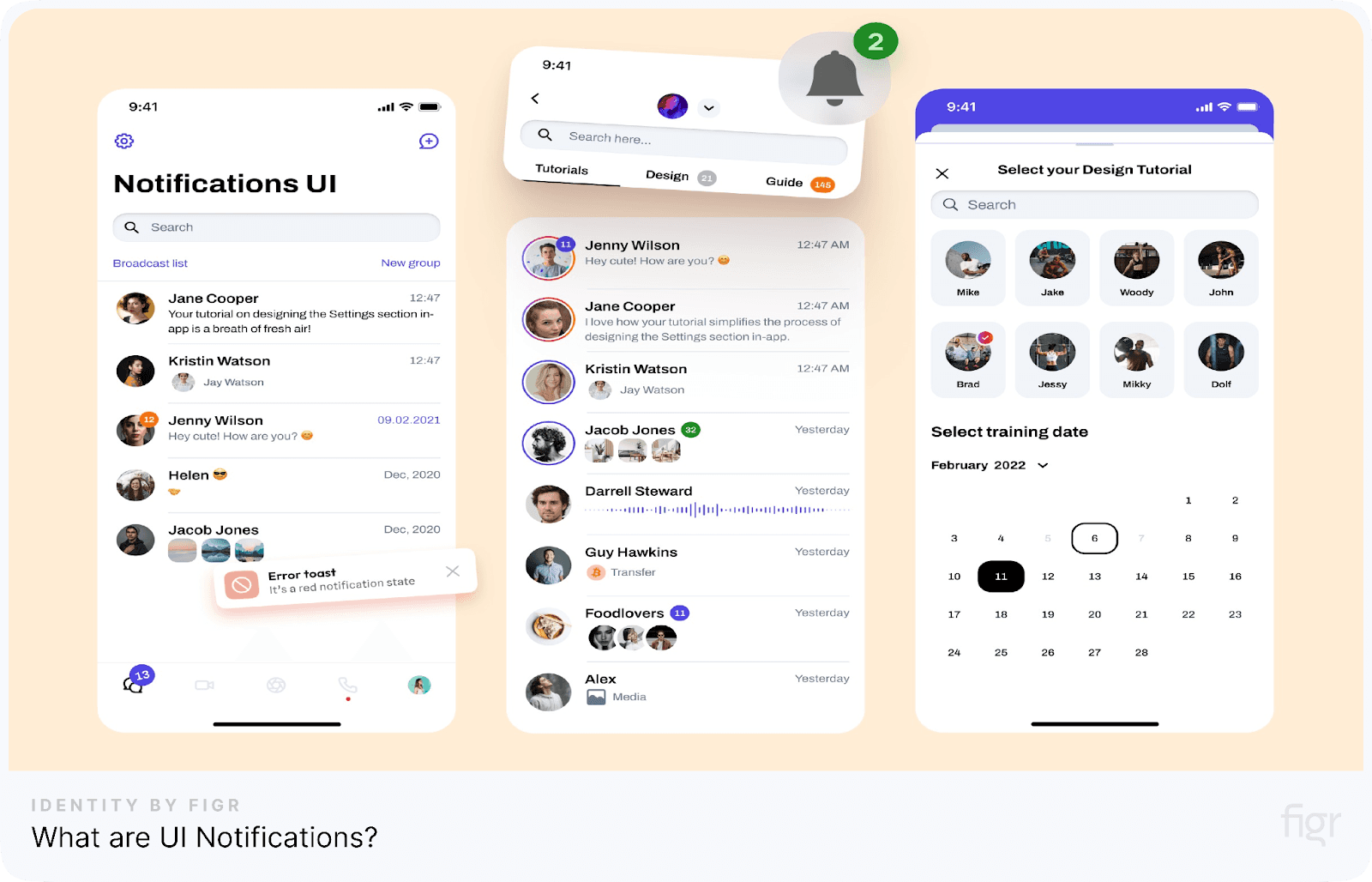
In digital experiences, the way alerts are delivered can make a profound difference in user satisfaction and task efficiency. Interruptive alerts, which forcibly demand attention by stopping the user’s workflow, often cause frustration, reduce productivity, and even lead to errors. The alternative, non-interruptive alerts, offers a way to inform users without breaking their focus, integrating seamlessly into the flow of interaction. Non-interruptive alerts are subtle yet effective, providing information that users can act upon at their own pace while maintaining control over their primary tasks.

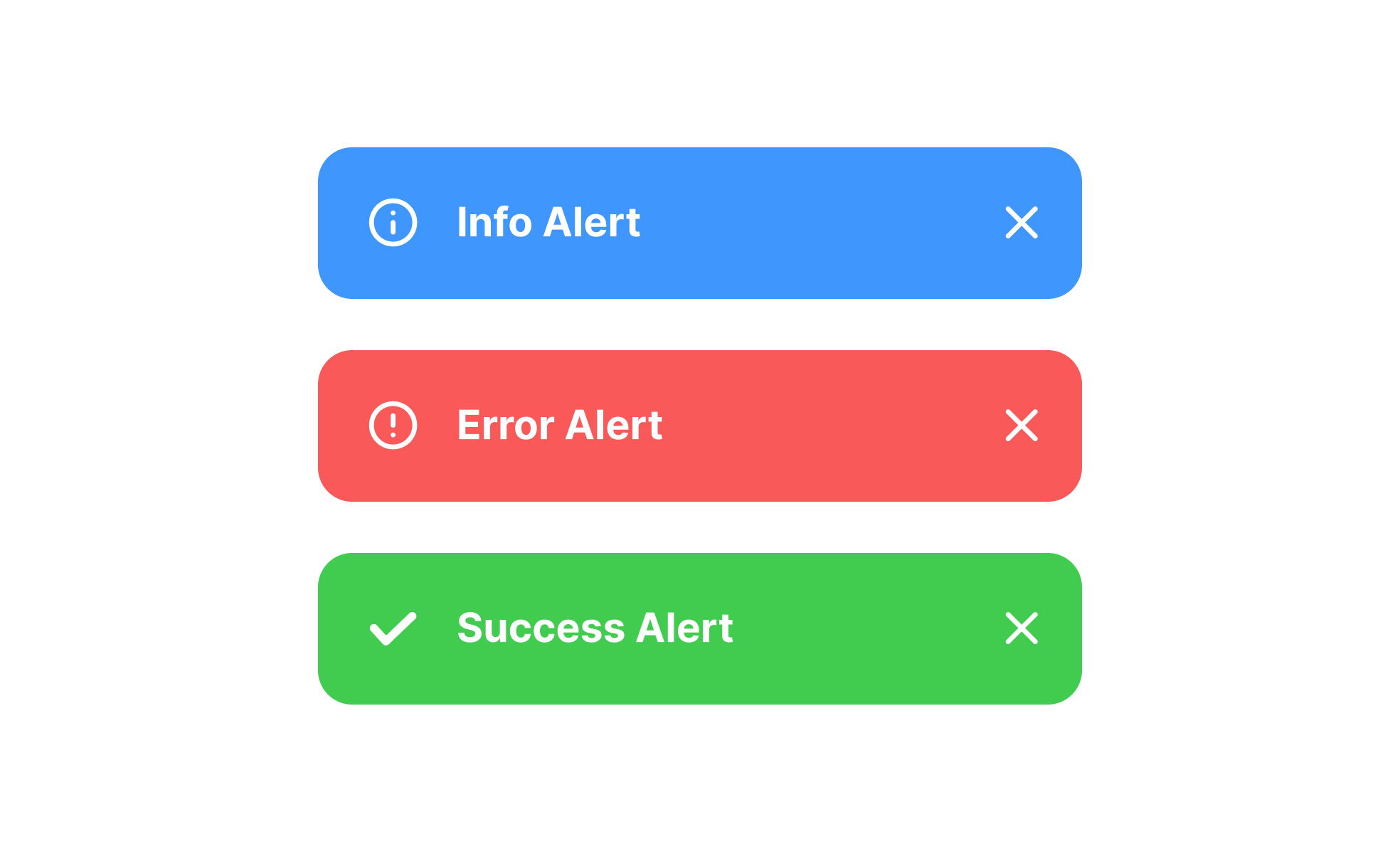
Non-interruptive alerts rely on clear visual cues, subtle animations, and strategic placement within the interface to communicate important information without monopolizing attention. For instance, a small notification banner appearing at the corner of a screen can alert users to updates or warnings, allowing them to continue with ongoing tasks. Color coding plays a critical role in this context, enabling users to quickly associate the alert with a specific category, such as errors, warnings, or informational messages, without the need for intrusive pop-ups. Typography and iconography are equally essential, offering immediate recognition while ensuring the alert is lightweight and non-distracting.

Timing is another crucial aspect of non-interruptive alerts. Alerts should appear contextually relevant, surfacing when the user is most likely to notice or act on them without disrupting cognitive processes. For instance, in a data-entry application, highlighting a potential error in a field as the user moves through the form is preferable to presenting a modal dialog that demands immediate acknowledgment. This approach respects the user’s pace, allowing them to correct issues naturally as part of their workflow, thereby reducing cognitive load and the likelihood of task abandonment.

Integration with the interface is vital to the success of non-interruptive alerts. Alerts should feel like a natural extension of the system rather than an external imposition. This can be achieved through consistent placement, smooth transitions, and visual language that aligns with the overall design. For example, a banking application might display a small, unobtrusive message about an upcoming payment due date within the account summary view, providing valuable information without forcing users to navigate away from the task they are performing. Consistency in behavior and appearance across different alerts ensures that users develop a mental model, enabling them to interpret and respond to alerts quickly and confidently.

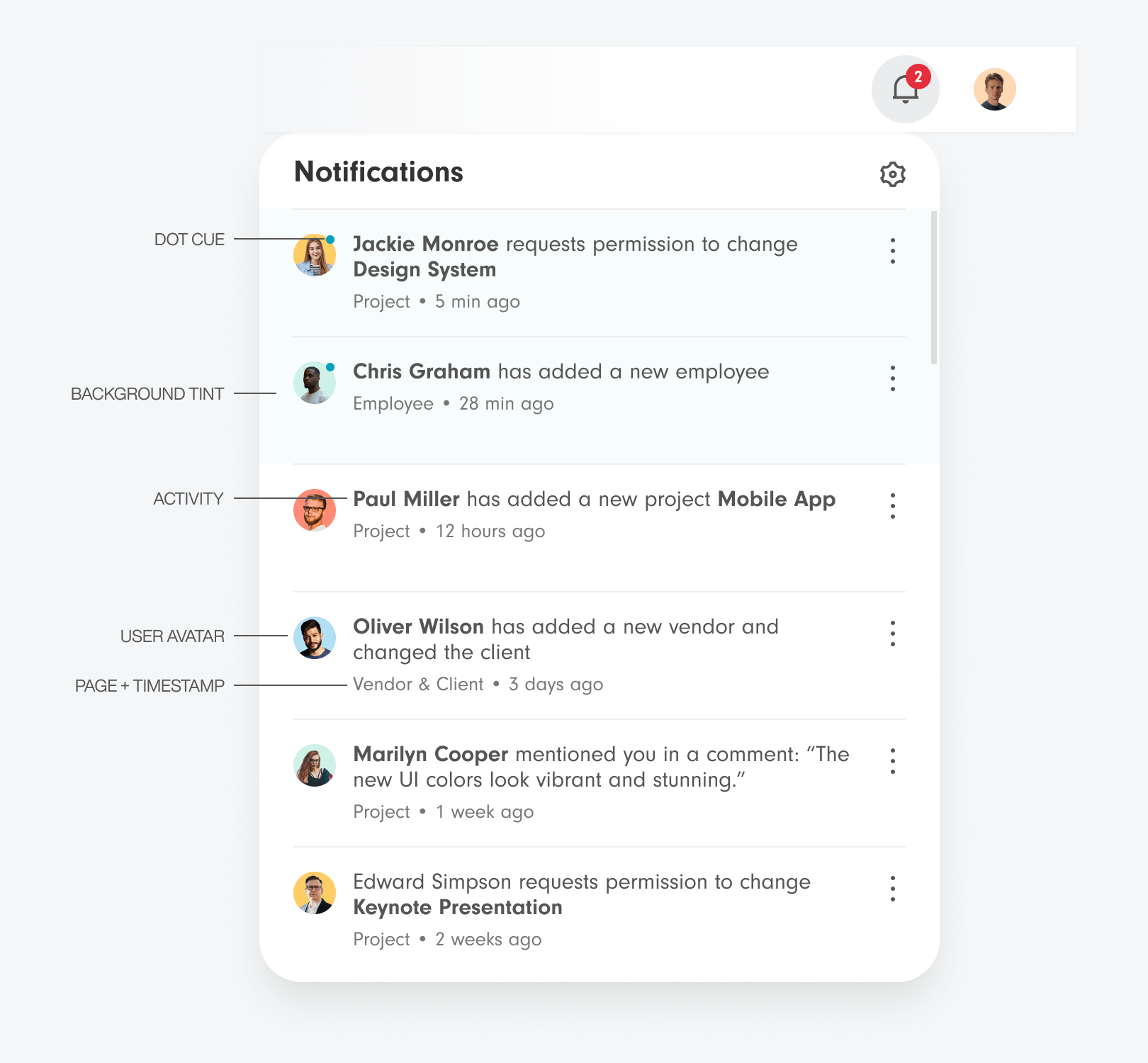
Non-interruptive alerts also offer the advantage of persistence without intrusiveness. Information that needs to remain accessible, such as ongoing process updates or system statuses, can be displayed in a way that stays visible without overshadowing primary tasks. For instance, a file-upload progress indicator can show percentage completion in a compact overlay, keeping users informed while allowing them to continue with other work. Similarly, notifications about background events, like message deliveries or system syncs, can appear in notification centers or subtle banners, giving users the autonomy to check details when convenient.

Interactivity within non-interruptive alerts enhances user empowerment. Providing contextual actions or expandable content allows users to engage with the alert only when necessary. For example, a software update alert might include a “Remind Me Later” option or a collapsible section with details about new features, enabling users to control when and how they respond. This approach reduces pressure, giving users agency and reinforcing a sense of mastery over the system. Moreover, it encourages trust in the interface, as users feel that the system respects their priorities and workflow.

Accessibility considerations are also critical in designing non-interruptive alerts. Alerts should be perceivable by users with varying abilities, including those who rely on assistive technologies. This includes providing screen-reader compatible messages, ensuring adequate contrast for visibility, and using non-reliant cues such as motion or color alone. Non-interruptive alerts must communicate effectively across modalities without assuming a single user profile, ensuring inclusivity while maintaining subtlety.

Analytics and user behavior monitoring can further refine non-interruptive alert strategies. Observing when users interact with alerts, which notifications are frequently ignored, and which drive meaningful action can guide design decisions. This iterative approach allows designers to fine-tune the balance between visibility and intrusiveness, ensuring alerts serve their purpose without generating frustration or notification fatigue.

Non-interruptive alerts can also help manage emotional responses and cognitive stress. Users often experience anxiety when forced to address alerts immediately, particularly in high-stakes environments such as financial trading platforms or medical software. By presenting alerts in a non-intrusive manner, systems can maintain user focus, support decision-making, and reduce the risk of mistakes caused by rushed attention. This subtle communication strategy contributes to a calmer, more controlled experience, where users feel informed but not pressured.

Designers must also consider the hierarchy of alerts within the system. Not all notifications are of equal importance, and differentiating urgency helps users prioritize. High-priority messages may still require stronger visual emphasis, while informational alerts can be more subtle. By establishing clear priority levels and consistent visual indicators, non-interruptive alerts guide user attention appropriately, reducing the cognitive effort required to distinguish between critical and non-critical information.

Finally, non-interruptive alerts reinforce the principle of human-centered design by aligning system behavior with user expectations. They respect the flow of human thought, allowing users to complete tasks efficiently while staying informed. This design philosophy emphasizes empathy, considering the emotional and cognitive states of users, and recognizes that interruptions, even if well-intentioned, can degrade the overall experience. Through careful design, non-interruptive alerts support productivity, trust, and satisfaction, creating interfaces that inform without demanding, guide without overwhelming, and integrate seamlessly into the rhythm of user activity.

Non-interruptive alert design is a subtle art, balancing visibility, relevance, timing, and control. It embodies a philosophy where information serves the user, not the system, and where communication enhances rather than obstructs engagement. By prioritizing user flow, consistency, accessibility, and interactivity, these alerts contribute to experiences that are not only efficient but also psychologically comfortable. The result is an interface that respects human attention, reduces stress, and enables a sense of agency, ensuring that alerts fulfill their role as facilitators of understanding rather than sources of disruption.

Image
Image
Image
Image
Image
Image
Image
Image
Image

Platforms Designed for Calm Engagement

In today’s fast-paced digital world, the way users interact with platforms can greatly influence their overall experience and satisfaction. Platforms designed for calm engagement prioritize not just functionality, but also the emotional and cognitive state of the user. They are built to foster a sense of control, clarity, and focus, rather than overwhelming users with constant notifications, complex interfaces, or unpredictable outcomes. This approach is increasingly critical in sectors where prolonged engagement is common, such as online gaming, financial services, or wellness applications. By understanding the psychological and behavioral patterns of users, designers can create environments that encourage thoughtful interaction rather than reactive behavior.

One of the fundamental principles in calm engagement design is the careful management of information presentation. Users respond positively to layouts that are clean, consistent, and predictable. Hierarchies in visual design play a crucial role, guiding attention without forcing decision-making under stress. Icons, typography, and spacing are strategically used to indicate importance and sequence, helping users understand what requires immediate attention and what can be processed later. Minimalistic design does not mean lack of functionality; instead, it emphasizes clarity by stripping away unnecessary distractions and highlighting core actions. This ensures that users can navigate complex systems intuitively, reducing cognitive load and the likelihood of errors.

Another key aspect is interaction pacing. Platforms that support calm engagement often allow users to progress at their own speed, offering clear feedback loops that are neither too slow nor overwhelming. Animations and transitions are designed to be smooth and purposeful, providing a sense of flow without creating anxiety or impatience. Feedback mechanisms, such as confirmations, alerts, or progress indicators, are consistent and informative, ensuring users always understand the state of their actions. This predictability builds confidence and encourages deeper, more deliberate engagement. Sudden changes, pop-ups, or intrusive alerts are minimized because they disrupt the user’s mental state and can trigger stress responses.

Accessibility and personalization also enhance calm engagement. By allowing users to adjust settings such as contrast, font size, notification frequency, and interaction modes, platforms can accommodate diverse needs and preferences. This inclusivity reduces frustration and enhances comfort, making the platform approachable for a broader audience. Personalization, when done subtly, can improve relevance and engagement by presenting information that aligns with the user’s goals and habits, while still maintaining simplicity and avoiding clutter. When users feel that the system respects their pace and preferences, they are more likely to remain engaged without experiencing fatigue or anxiety.

Behavioral design principles also support calm engagement. Platforms often integrate subtle nudges to guide user behavior without forcing choices or creating pressure. For instance, highlighting suggested next steps or grouping related actions together can streamline workflows and reduce decision fatigue. Reward systems, when implemented, are balanced to provide motivation without creating compulsive tendencies. This ensures that users engage with purpose and satisfaction, rather than being driven by external triggers or stress-inducing mechanics. The overall goal is to create a sense of agency, where users feel in control of their interactions and can make informed decisions without hurried judgment.

The role of sound and motion should not be underestimated in calm engagement design. Auditory cues, haptic feedback, and visual transitions contribute to the user’s emotional state. Gentle sounds and subtle vibrations can confirm actions or provide guidance without startling the user, while thoughtful motion design can indicate progress or hierarchy. Excessive or abrupt sensory inputs, conversely, can overwhelm and distract, breaking concentration. By carefully tuning these elements, designers can create an environment that is engaging yet soothing, encouraging users to focus on the task at hand with minimal stress.

Trust and transparency are also pillars of platforms designed for calm engagement. Users are more relaxed when they understand how the system works, what data is used, and what outcomes to expect. Clear communication about policies, processes, and system status reduces uncertainty and anxiety. For example, in online financial applications, transparent displays of transaction progress, fees, and deadlines help users plan and act confidently. In interactive entertainment, consistent rules and visible odds allow players to engage without confusion or frustration. When users perceive reliability and honesty, they are more likely to feel comfortable and remain engaged over time.

Calm engagement design also considers the broader user journey. Onboarding, tutorials, and help systems are structured to ease users into the platform without overwhelming them. Step-by-step guidance, contextual tips, and accessible support channels provide reassurance and facilitate learning. Even during error states or interruptions, platforms can maintain calmness by offering clear recovery options and explanations. This ensures that engagement is not just initially positive but sustainable over repeated interactions, fostering long-term satisfaction and loyalty.

Incorporating social and collaborative elements into a platform can also benefit calm engagement when carefully managed. Features such as messaging, team collaboration, or community feedback are designed to be optional and non-intrusive, supporting interaction without creating pressure or distraction. Users can choose when and how to engage socially, maintaining autonomy while still enjoying the benefits of connection. Thoughtful moderation and guidance help ensure that social interactions remain positive and aligned with the calm, focused environment the platform seeks to provide.

Finally, continuous monitoring and iteration are essential to maintain calm engagement. Platforms collect usage data, feedback, and behavioral metrics to identify stress points or friction in the user experience. Iterative design cycles allow developers to refine interactions, optimize layouts, and improve feedback systems, ensuring the platform remains responsive to user needs. By treating calm engagement as an ongoing commitment rather than a one-time feature, platforms can adapt to evolving user expectations, technology trends, and behavioral research, sustaining a high-quality experience over time.

Ultimately, platforms designed for calm engagement recognize that user experience extends beyond functionality. It encompasses emotional comfort, cognitive clarity, and sustained confidence. By carefully structuring information, pacing interactions, personalizing experiences, and maintaining transparency, designers can create environments that foster deliberate, focused engagement. Users benefit from reduced stress, increased control, and a sense of mastery, while platforms achieve greater satisfaction, retention, and loyalty. In an era where digital interaction is pervasive and often overwhelming, prioritizing calm engagement is not only a strategic advantage but a reflection of human-centered design philosophy, where technology serves to support well-being and thoughtful participation rather than hurried, reactive behavior.

Session Structures That Feel Natural

Creating a digital experience that feels natural to users requires a deep understanding of human behavior, cognitive flow, and subtle cues that guide interactions without forcing them. In online platforms, session structures can either feel rigid and transactional or fluid and intuitive, and the difference lies in careful attention to timing, feedback, and predictability. When users engage with a system, they bring with them an innate sense of rhythm and expectation. Matching this rhythm ensures that the interaction feels seamless and reduces cognitive strain, encouraging longer and more meaningful engagement. One of the foundational principles is to structure sessions in a way that mirrors natural human attention patterns. Humans generally focus in bursts, alternating between intense focus and brief mental breaks. A well-designed system recognizes these patterns and accommodates them, offering moments for reflection, decision-making, or adjustment. This can manifest as subtle pauses in automated workflows, the gentle pacing of content presentation, or providing optional interactive elements that users can engage with when ready rather than forcing immediate responses.

Equally important is the concept of predictability within a session. When users understand the flow of a system, even implicitly, they feel a sense of control, which reduces anxiety and promotes confidence. Predictability does not mean monotony or rigidity; instead, it refers to consistent rules, visual cues, and behavioral patterns that allow the mind to anticipate the next step. For example, a visual hierarchy that consistently places primary actions in familiar locations, combined with feedback mechanisms that confirm progress, supports a natural learning curve. Over time, users internalize these patterns, and the interface begins to feel like an extension of their own intentions rather than an external tool.

Feedback loops are another critical element in creating natural session structures. Humans rely heavily on feedback to gauge the impact of their actions and adjust accordingly. In digital interactions, feedback should be timely, clear, and contextually appropriate. This can range from micro-interactions, such as subtle animations confirming a click, to more substantial feedback like progress indicators that provide a sense of accomplishment or clarity on how much remains in a task. When feedback aligns with user expectations, it reinforces trust in the system, making each session feel like a cooperative dance between the user and the interface rather than a series of imposed steps.

Flexibility within session structures also contributes to their natural feel. No two users approach a system in exactly the same way; people bring different objectives, levels of expertise, and decision-making styles. Designing sessions that allow multiple paths to reach the same goal respects this diversity. Optional steps, adjustable pacing, and the ability to skip or revisit elements create a sense of autonomy. Users feel empowered when the system adapts to their choices rather than enforcing a rigid, linear progression. This adaptability enhances engagement by reducing friction and aligning the interface with the user’s natural decision-making flow.

Transitions between different stages of a session must be smooth and intuitive. Abrupt changes can create confusion and break the sense of immersion, whereas well-designed transitions guide the user gently from one step to the next. This can be achieved through visual continuity, consistent terminology, and logical grouping of related actions. By maintaining a coherent context throughout a session, users are less likely to experience disorientation and more likely to remain focused on their goals. Even minor details, such as how notifications are presented or how progress is saved between interactions, play a significant role in maintaining this continuity.

Another subtle but impactful element is the alignment of session structures with real-world metaphors. Users often rely on familiar concepts to navigate digital spaces. By designing interactions that mimic physical or social experiences, platforms can reduce the learning curve and make sessions feel more intuitive. For instance, organizing tasks in ways that resemble physical workflows, or using visual cues that echo real-world object behaviors, can help users internalize system logic more quickly. This not only enhances usability but also contributes to the sense of naturalness, as the digital environment begins to reflect familiar patterns of behavior.

Personalization also enhances the natural flow of sessions. When a system can adapt content, timing, or interaction style based on prior behavior or stated preferences, it reduces unnecessary friction. Personalized cues, reminders, or recommendations create a more conversational, responsive experience, fostering a sense of partnership rather than transaction. By observing user patterns and adjusting session elements accordingly, platforms can ensure that interactions feel anticipatory rather than reactive, mirroring the subtleties of human communication.

Finally, the emotional dimension of session design should not be overlooked. A system that feels natural takes into account the user’s psychological state, offering reassurance, encouragement, or subtle nudges to maintain engagement without pressure. Calm visual design, considerate messaging, and the avoidance of abrupt or punitive elements contribute to a serene environment where users can interact freely and confidently. The feeling of being understood and accommodated makes the session feel less mechanical and more like a collaborative process.

In sum, crafting session structures that feel natural is a multidimensional challenge, combining attention to human attention patterns, predictability, feedback, flexibility, transitions, metaphorical design, personalization, and emotional context. When these elements are carefully balanced, the result is an experience that aligns with the user’s intrinsic rhythm and expectations. Users move through tasks with minimal cognitive strain, guided by intuitive cues and responsive feedback. Their engagement becomes less about navigating an imposed system and more about participating in a seamless interaction that mirrors the ease and flow of real-world experiences. By prioritizing these principles, designers create platforms that feel alive, intuitive, and, above all, naturally aligned with human behavior, fostering trust, comfort, and enduring satisfaction.

Visual Cues That Reduce Guesswork

In digital interfaces, particularly in complex environments such as online platforms or applications with multifaceted functionality, the use of visual cues is crucial in reducing guesswork and enhancing user efficiency. Visual cues act as immediate, often subconscious signals that guide users through a system, helping them understand what actions are possible, what consequences those actions may have, and where they are within a given interface. These cues can take many forms, from color coding and iconography to layout consistency and subtle animations, and each plays a unique role in shaping user perception and behavior. By leveraging these design elements effectively, developers and designers can significantly reduce the cognitive load on users, allowing them to interact with the platform more intuitively.

Color is one of the most straightforward and powerful visual cues available. By assigning specific colors to particular functions or states, users can quickly infer the meaning without the need for explicit instruction. For example, red often signifies errors, warnings, or prohibitions, while green indicates successful actions or safety. Using consistent color schemes throughout an interface ensures that users can form a mental model of the system, making it easier for them to navigate and anticipate outcomes. However, the choice of color should be made carefully, taking into account accessibility concerns such as color blindness, which can interfere with the effectiveness of these cues. Designers often supplement color with shape, pattern, or iconography to ensure that cues remain clear for all users.

Icons and symbols are another powerful method of conveying information visually. Unlike text, which requires reading and interpretation, icons can communicate meaning at a glance. A well-designed icon can indicate actions such as saving, deleting, or navigating, reducing the need for users to guess the function of a button. The key to effective icon use is clarity and consistency. Icons should be universally recognizable or, when necessary, paired with brief labels to avoid ambiguity. Overloading an interface with too many unique icons can overwhelm users, creating the opposite effect of the intended guidance. Therefore, balancing familiarity with specificity is crucial in maintaining usability while reducing guesswork.

Layout and spatial organization are also essential visual cues that help users understand relationships and hierarchies within an interface. Grouping related elements together and separating distinct sections through whitespace or borders allows users to anticipate the purpose and function of various components. This spatial logic mirrors the way humans naturally organize information, reducing the mental effort required to locate features or understand workflows. Consistent placement of navigation elements, action buttons, and informational panels across different screens further strengthens user confidence, as users come to expect certain elements in predictable locations. Such predictability eliminates uncertainty and streamlines interaction.

Typography can serve as a subtle yet influential cue in reducing guesswork. Variations in font size, weight, and style can signal importance, hierarchy, or function. For instance, larger, bolded headings indicate primary content areas, while smaller, lighter text denotes secondary information. Hyperlinks or actionable text often have distinguishable styles, such as underlining or color differences, alerting users that these elements are interactive. When typography is applied consistently, it guides attention and facilitates comprehension without overwhelming the user with instructions, providing a clear visual roadmap for interaction.

Animation and motion are increasingly used as dynamic visual cues. Micro-interactions, such as buttons that change color when hovered over or icons that subtly animate when an action is performed, provide feedback and reinforce understanding. These animations signal to users that their input has been registered, that a process is occurring, or that an element is interactive. However, the use of motion must be purposeful and restrained. Excessive or distracting animations can cause confusion or fatigue, negating the benefits of visual cues. Subtle, contextually meaningful motion enhances clarity and creates a more engaging, intuitive experience.

Visual consistency across a platform is another critical factor in reducing guesswork. Users develop expectations based on prior experiences with the interface, and when elements behave consistently, those expectations are met, reducing cognitive strain. Consistency encompasses color schemes, iconography, typography, spacing, and interaction patterns. Deviations from established visual norms should be deliberate and communicated clearly, as unexpected changes can lead to confusion and errors. When visual consistency is maintained, users can navigate new features or updates with minimal learning curve, relying on their accumulated knowledge to guide interaction.

Feedback mechanisms complement visual cues by confirming actions or indicating errors. Visual feedback, such as progress bars, notifications, or temporary highlights, informs users of the results of their actions, reducing uncertainty. For example, a brief highlight around a successfully submitted form signals completion, while an error message in a contrasting color alerts users to an issue that needs attention. Providing immediate, interpretable feedback reduces the likelihood of repeated mistakes and builds user confidence, reinforcing the effectiveness of visual cues in guiding behavior.

The use of affordances—design elements that suggest how an object should be used—is another way to minimize guesswork. Buttons should appear pressable, sliders should suggest dragability, and input fields should clearly invite typing. These affordances rely on visual characteristics such as shape, shading, and alignment to communicate functionality without explicit instruction. When users can intuitively infer how to interact with elements, their reliance on trial-and-error diminishes, enhancing efficiency and satisfaction.

Ultimately, the goal of visual cues is to create an environment where users can focus on completing tasks rather than deciphering the interface. By strategically combining color, iconography, layout, typography, motion, consistency, feedback, and affordances, designers craft experiences that minimize guesswork and maximize clarity. This approach not only improves usability but also fosters trust and engagement, as users feel competent and confident navigating the platform. In an era where digital interfaces are increasingly complex, well-designed visual cues are indispensable tools that bridge the gap between user intention and system functionality, ensuring seamless interaction and a more satisfying user experience.

Motion Choices That Feel Intentional

When considering motion in design, it’s important to recognize that movement is not merely decorative—it is a language that communicates intention, hierarchy, and interaction. Every transition, animation, and shift in interface should feel purposeful, providing users with subtle cues about what is happening and why. A motion that lacks direction or consistency can create confusion, reduce trust, and diminish the overall experience. Intentional motion, by contrast, guides the eye, informs behavior, and strengthens the connection between user and interface.

Intentional motion begins with understanding context. Designers must ask themselves what the user needs to know, what actions they might take, and how motion can reinforce clarity. For example, when a menu expands or collapses, the speed, direction, and easing of the animation convey whether the action is temporary or persistent. A slow, gentle slide might suggest a soft reveal, whereas a quick, linear motion could communicate immediacy or urgency. Each choice sends a signal, consciously or unconsciously, about the interface’s behavior and its hierarchy.

Easing is a fundamental tool in creating motion that feels natural. Linear motion can appear mechanical and abrupt, often signaling a lack of attention to detail. By employing easing curves—accelerating or decelerating movement—designers mimic real-world physics, making the interface feel more tangible and responsive. Subtle acceleration at the start of a transition followed by deceleration at the end gives the impression of weight and realism. It reassures the user that objects follow predictable paths and behave consistently, which builds confidence in interaction.

Timing is equally crucial. Motion that is too slow can frustrate users, breaking the flow of interaction and creating a sense of delay. Motion that is too fast, however, can be startling, preventing the user from registering important information. Finding a balance is about understanding the cognitive load required to process changes in the interface. Short, purposeful animations for micro-interactions—like button feedback or toggling switches—allow users to comprehend actions instantly, while longer, more elaborate transitions can be reserved for shifts in context, such as navigating between major sections of an application or website.

Consistency in motion across a product reinforces familiarity and reduces friction. When similar interactions behave similarly, users quickly form expectations. For instance, if all expandable cards in an interface slide down from the top with a consistent speed and easing, users will learn to anticipate how new content will appear. Inconsistent motion, on the other hand, forces users to re-learn behaviors, creating cognitive friction and eroding trust. Repetition of motion patterns also strengthens the brand voice, as the style of movement contributes to the personality of the interface, whether it is playful, sophisticated, or utilitarian.

Motion should also communicate hierarchy. Visual weight and prominence can be manipulated through motion to indicate what is most important. For instance, subtle scaling or elevation effects can draw attention to primary actions, while secondary options may animate with less emphasis. By layering these cues thoughtfully, designers can guide attention naturally without overwhelming the user with static or competing elements. The flow of motion becomes a narrative, leading users from one action to the next seamlessly and intuitively.

Micro-interactions exemplify the power of intentional motion. These are the small animations that occur when a user interacts with a single element: a heart icon filling when liked, a toggle sliding smoothly from off to on, or a menu item highlighting on hover. Though brief, these motions provide critical feedback, confirming the outcome of an action and maintaining the sense of control. When crafted intentionally, micro-interactions not only inform but delight, reinforcing the emotional connection between user and product.

Accessibility is another dimension of intentional motion. Designers must account for users who may experience motion differently, including those susceptible to motion sickness or with cognitive processing differences. Providing options to reduce or simplify motion ensures inclusivity without sacrificing clarity. Intentional motion respects these differences by being meaningful and non-distracting rather than excessive or purely ornamental. Every animation should have a purpose, whether it’s guiding attention, providing feedback, or reinforcing hierarchy, rather than serving as decoration alone.

The interaction between motion and layout is also critical. Movement should feel anchored to spatial logic, reflecting the way objects exist in physical space. When elements move in ways that contradict user expectations—such as sliding diagonally without clear reasoning or appearing in unpredictable sequences—cognitive load increases, and the interface feels disjointed. Aligning motion with the natural flow of content and the mental model of the user fosters a sense of coherence, making interactions intuitive and satisfying.

Designers should also consider how motion interacts with content density. In busy interfaces, motion can help prioritize, revealing important elements while minimizing distraction. Conversely, in sparse layouts, motion can provide personality and guide users through otherwise empty space. Each choice should reinforce clarity and support comprehension. Thoughtful sequencing and staggered animations can help users parse complex information gradually, preventing overwhelm while maintaining engagement.

In conclusion, motion choices must be intentional, consistent, and purposeful. They serve as a silent guide, reinforcing hierarchy, providing feedback, and enhancing the emotional experience of the interface. By carefully considering context, timing, easing, hierarchy, and accessibility, designers transform motion from a decorative feature into a meaningful language of interaction. Every transition, micro-interaction, and animation communicates intent, building trust and understanding, and ultimately creating experiences that feel both alive and intuitive. When motion is intentional, it is no longer an afterthought—it becomes a central pillar of design, shaping how users perceive, interact with, and enjoy the digital world.

Control Feedback That Builds Trust

In the realm of digital platforms and interactive systems, the role of control feedback cannot be overstated. Users develop trust in an interface largely through the clarity and responsiveness of its feedback mechanisms. When a system consistently provides timely, accurate, and intuitive feedback, it reinforces the user’s perception that their actions have meaningful consequences. This creates a sense of reliability that is fundamental to both engagement and long-term loyalty. Feedback is not merely an ornamental feature; it serves as the bridge between intention and result, ensuring users understand the effects of their choices without ambiguity or frustration. When feedback is poorly designed, delayed, or inconsistent, users experience uncertainty, hesitation, and diminished confidence, often leading to disengagement or distrust of the platform. The design of feedback loops should therefore prioritize transparency, predictability, and immediate comprehension.

Feedback that builds trust begins with clarity. Every action a user performs should elicit a response that confirms the system’s recognition of that action. This confirmation may be visual, auditory, or tactile, depending on the medium, but the core principle remains the same: the system communicates that it is responsive to user input. For example, a button press might trigger a subtle visual animation or a brief auditory cue, signaling that the command has been registered. Beyond mere acknowledgement, effective feedback often provides insight into the next steps or consequences. When users can anticipate outcomes based on the system’s responses, they feel empowered and informed, reducing the likelihood of mistakes and increasing engagement. Clarity in feedback mitigates cognitive load, allowing users to focus on their goals rather than deciphering ambiguous system behavior.

Consistency is another critical component of trust-building feedback. Users expect similar actions to produce similar results across a platform. Inconsistent feedback—where identical interactions yield different responses depending on context—undermines confidence and introduces doubt. For instance, if a swipe gesture produces a desired effect in one section of an app but fails in another, the user may perceive the system as unreliable or poorly constructed. Designing for consistent feedback requires meticulous attention to interaction patterns, ensuring that the language of responses is uniform and intuitive. This uniformity reinforces user expectations and reduces friction, as individuals do not need to re-learn behaviors in different contexts.

Timing also plays a pivotal role. Immediate feedback is crucial for reinforcing user confidence, as delays can create uncertainty about whether an action has been successfully executed. Even minimal lag can lead to frustration or repeated actions that compromise system integrity. In high-stakes applications, such as financial or transactional platforms, delayed feedback can cause users to question the system’s reliability, potentially resulting in errors or mistrust. Conversely, a carefully designed delay with a clear progress indicator can be acceptable if the system communicates ongoing processes effectively. This transparency ensures users understand the status of their actions and prevents assumptions that may lead to negative perceptions.

The nature of the feedback itself should align with user expectations and context. Positive reinforcement, such as visual rewards, progress indicators, or confirmation messages, can enhance the perception of reliability and encourage continued engagement. Conversely, negative or corrective feedback should be informative rather than punitive. Rather than simply signaling an error, the system should guide the user toward resolution, maintaining a sense of control and competence. By framing feedback as supportive rather than judgmental, platforms can foster trust and reduce the cognitive stress associated with mistakes. The tone, style, and content of feedback communicate not only functional information but also shape the emotional experience of the user.

Feedback mechanisms must also respect the user’s autonomy and control. Overly intrusive or overwhelming notifications can disrupt workflow and diminish trust, whereas subtle, contextually appropriate cues maintain engagement without undermining agency. The goal is to provide guidance and reassurance while avoiding unnecessary interruptions. Customization options, allowing users to tailor the feedback they receive, further reinforce trust by acknowledging individual preferences and control over the interaction experience. Users who feel their needs and expectations are considered are more likely to perceive the system as trustworthy and responsive.

In complex systems, layered feedback strategies are particularly effective. Primary feedback provides immediate acknowledgment of an action, while secondary feedback offers more detailed information about outcomes or consequences. This layered approach prevents cognitive overload by delivering essential confirmation first and supplementary guidance afterward. For example, a user submitting a form might see an instant visual cue indicating submission success, followed by a detailed summary of the processed data. Such structured communication reduces anxiety and reinforces confidence in system performance.

Monitoring and adjusting feedback based on user behavior further strengthens trust. Analytics can reveal where users encounter confusion or hesitation, allowing designers to refine the feedback to meet actual needs. Adaptive systems that anticipate user errors or provide proactive guidance demonstrate responsiveness and reliability. By learning from interactions and evolving to support users more effectively, platforms cultivate a perception of competence and attentiveness, which is central to trust.

Accessibility considerations are equally important. Feedback should be perceivable across diverse sensory and cognitive abilities. This includes clear visual contrasts, screen reader compatibility, and adaptable cues for different interaction modes. Ensuring that all users receive equitable feedback reinforces fairness and reliability, further contributing to trust in the system.

Ultimately, feedback that builds trust is a blend of clarity, consistency, timely delivery, supportive guidance, and respect for user autonomy. When users experience a system that reliably acknowledges their actions, communicates outcomes transparently, and adapts to their needs, they are more likely to engage confidently and repeatedly. This trust is not static; it is continuously reinforced through ongoing interactions, shaping user perceptions and fostering long-term loyalty. Well-designed control feedback transforms interfaces from passive tools into collaborative environments where users feel informed, empowered, and secure in their decisions. This careful orchestration of feedback creates an invisible but powerful foundation for trust, forming the bedrock of user satisfaction and enduring engagement.

Sound Design That Stays Subtle

Sound design in gaming is often the unsung hero that shapes the player experience without drawing attention to itself. Subtlety in audio is an art that requires careful consideration of timing, volume, and context. When done correctly, it can guide players’ emotions, enhance immersion, and provide essential feedback, all while remaining almost invisible. The principle of subtlety in sound design is about supporting the experience rather than overwhelming it. A well-crafted game soundscape ensures that each audio element serves a purpose, whether it is signaling an action, enhancing the atmosphere, or reinforcing the game’s narrative. Designers must be deliberate with every sound cue, considering how it interacts with the visuals, controls, and overall gameplay pace. Overly loud or intrusive sounds can distract or fatigue players, whereas understated audio can create a sense of depth, making the game world feel alive without demanding constant attention. Subtle sound design often relies on a layered approach. Background ambiances, like distant city noises, forest rustling, or the faint hum of machinery, establish the environment and mood. These sounds are typically mixed at a lower volume, providing texture without competing with more critical gameplay cues. Strategic use of reverb, delay, and filtering can further enhance the illusion of space, making environments feel expansive or intimate as needed. Another key aspect is the timing and responsiveness of sound effects. Sounds that correspond closely with player actions or environmental interactions reinforce a sense of agency. For instance, the soft clink of a character placing an object on a surface, the subtle swish of movement through grass, or a faint notification sound for an in-game achievement can all communicate information effectively without ever becoming obtrusive. Consistency in auditory feedback is equally important. Players build expectations around how the game reacts to their inputs, and subtle sound cues help reinforce these patterns. A consistent palette of sounds for similar actions ensures that the player can intuitively understand feedback without needing visual confirmation. Layering this consistency with dynamic variation—slight changes in pitch, volume, or texture—prevents repetition from becoming monotonous. Dynamic soundscapes are particularly effective in maintaining immersion. Games that adjust their audio based on context, proximity, or intensity can provide a more organic experience. For example, footsteps might vary depending on the surface, distant threats might trigger faint, tension-building noises, and weather changes can subtly shift the ambient sound. These variations keep players engaged on a subconscious level, even when they are not consciously focusing on the audio. Subtlety also extends to musical design. Music in games can influence mood and pacing without dominating attention. Adaptive scores that ebb and flow based on gameplay intensity or narrative beats enhance emotional resonance. By avoiding abrupt transitions or overly prominent themes, composers can ensure that music remains a supportive layer rather than a competing element. Another important consideration is auditory clarity. While subtle sounds are meant to be understated, they must remain perceptible when needed. Designers often use selective frequency ranges or careful mixing to ensure that critical cues are audible over background audio. Techniques like side-chaining or ducking can help maintain focus on essential sounds without removing the richness of the surrounding soundscape. Subtle sound design also benefits accessibility. Audio cues that are clear but restrained can assist players with visual or cognitive challenges by providing additional information in a non-distracting way. For instance, directional audio can indicate off-screen threats, and gentle haptic feedback paired with subtle sounds can reinforce player actions. Collaboration between sound designers, composers, and gameplay designers is crucial for achieving this balance. Sound should not be an afterthought; it needs to be integrated from the earliest stages of development. Early prototyping allows designers to test how subtle audio interacts with mechanics, pacing, and player behavior, ensuring that it enhances rather than hinders the experience. Technology plays a significant role in facilitating subtle sound design. Advanced audio engines allow for real-time processing, spatialization, and dynamic mixing. Techniques such as procedural audio generation, real-time occlusion, and environmental effects let designers create complex, responsive soundscapes that adapt naturally to gameplay. These tools help maintain subtlety while providing richness and variation. The impact of subtle sound design extends beyond immersion. It contributes to player comfort, reducing sensory overload during long sessions and preventing fatigue. By supporting the game’s narrative and mechanics without demanding constant attention, subtle audio fosters a more relaxed and enjoyable experience. Players may not consciously notice every sound, but they absorb the atmosphere, cues, and feedback, which enhances their engagement and satisfaction. In practice, designing subtle audio requires restraint, attention to detail, and empathy for the player experience. It involves understanding what information is necessary, what emotions should be evoked, and how sound interacts with all other sensory inputs. Each choice, from the soft rustle of leaves to the faint hum of machinery, must be intentional. Ultimately, subtle sound design is about creating a cohesive and immersive world where audio enhances understanding and emotion without ever overpowering the player. It is the quiet architecture of a game’s sensory experience, guiding attention, reinforcing behavior, and enriching the environment in ways that are felt more than heard. Mastering this approach demands patience, experimentation, and a deep appreciation for the interplay between sound, space, and gameplay. When executed well, subtle audio transforms a game from a mere interactive medium into a living, breathing world, drawing players in through nuance and refinement rather than volume or spectacle.

Reel Layouts That Support Visual Ease

In modern digital design, the way content is arranged significantly influences how users perceive and interact with it. Reel layouts, particularly in mobile applications and social media platforms, have evolved into dynamic systems that combine visual storytelling with interactive functionality. The primary goal of these layouts is to ensure visual ease, allowing users to consume content effortlessly without experiencing cognitive overload. Visual ease is achieved when information is presented in a clear, digestible format that aligns with human perceptual capabilities. Designers must consider spacing, hierarchy, and rhythm to create a seamless experience that encourages prolonged engagement while minimizing strain on the eyes and mind.

The concept of hierarchy plays a central role in creating reels that are easy to navigate. Hierarchy refers to the visual prioritization of elements within a layout, guiding the user’s attention naturally from one piece of information to the next. In a reel format, hierarchy can be established through size, color contrast, typography, and motion. Larger, bolder elements naturally attract attention first, while subtler items provide secondary information. Animations, when applied judiciously, can further emphasize critical points without overwhelming the user. Proper use of hierarchy not only improves comprehension but also reduces the mental effort required to understand the sequence of content, fostering a smoother user experience.

Consistency is another key principle for supporting visual ease in reel layouts. Users quickly adapt to predictable patterns, and consistent placement of interactive elements such as navigation arrows, play/pause buttons, or captions enhances usability. When a reel maintains a uniform style and layout across multiple entries, it minimizes cognitive friction, allowing users to focus on the content itself rather than figuring out how to interact with the interface. Consistency in color schemes, typography, and iconography further reinforces this sense of ease, creating a coherent visual language that users can quickly interpret without confusion.

Spacing and alignment contribute substantially to the perception of clarity in reel layouts. Adequate spacing between elements prevents clutter and ensures that each component has room to breathe. Margins and padding should be thoughtfully applied to avoid overwhelming the viewer while still maintaining a cohesive structure. Alignment, both horizontal and vertical, establishes an invisible grid that organizes content in a predictable manner. This structural consistency aids the brain in scanning and processing information efficiently. Even minor misalignments or uneven spacing can disrupt the flow of content, increasing cognitive load and reducing overall engagement.

Color usage in reels must balance aesthetic appeal with functionality. High-contrast combinations can draw attention to essential elements, while more subdued tones provide background context without competing for focus. Designers often employ a restrained palette to prevent visual fatigue, reserving bright or saturated colors for calls to action or highlights. Accessibility considerations are crucial, ensuring that color choices provide sufficient contrast for all users, including those with visual impairments. By carefully managing color, reels can communicate hierarchy and emphasis clearly while maintaining a visually comfortable experience.

Typography also plays a crucial role in reel layouts designed for visual ease. Font choices, sizes, and spacing must prioritize legibility and readability. Sans-serif fonts are commonly preferred for their clean and modern appearance, particularly on digital screens. Line height, letter spacing, and text alignment should be optimized for rapid comprehension, as reels often involve quick-scrolling behavior. Captions, overlays, and annotations must complement the visual narrative rather than compete with it. Effective typographic design ensures that users can absorb textual information quickly and without strain, contributing to an overall sense of visual comfort.

Motion and transition effects within reels require careful calibration. Smooth, predictable animations enhance the narrative flow and draw attention to relevant content without creating disorientation. Sudden or excessive motion can be jarring, breaking the user’s concentration and diminishing the sense of ease. Timing, easing curves, and consistency across transitions are critical factors that determine whether motion enriches the user experience or disrupts it. Subtle effects, such as fade-ins, parallax shifts, or gentle scaling, can provide dynamism while maintaining a calm and controlled environment for viewing.

Interactivity must also be considered in the context of visual ease. Users should understand how to engage with reels intuitively, whether through swipes, taps, or gestures. Clear affordances and visual cues, such as highlighted borders or shadowed buttons, indicate functionality without overwhelming the interface. Feedback mechanisms, including subtle animations or color changes, reassure users that their actions have been recognized. By designing interactions that are immediately understandable and visually coherent, reels can support a more effortless and satisfying user experience.

Content pacing and sequencing further contribute to the overall sense of visual ease. Each frame or segment in a reel should be timed to allow sufficient processing without causing impatience. Designers must consider the rhythm of information delivery, balancing quick, engaging moments with slower, more reflective ones. Predictable pacing helps the user build expectations, reducing cognitive effort and improving retention. By thoughtfully arranging the flow of content, reels can maintain user interest while avoiding sensory overload.

Finally, testing and iteration are indispensable in achieving reels that truly support visual ease. User feedback, analytics, and observational studies provide insights into how real audiences interact with layouts. Iterative design allows for refinement of spacing, color, motion, and interactivity based on empirical evidence. By continuously evaluating the effectiveness of visual hierarchy, consistency, and clarity, designers can ensure that each reel offers a seamless and comfortable viewing experience. Ultimately, a reel layout that supports visual ease is not just aesthetically pleasing but also functionally optimized, creating an environment where users can effortlessly engage, comprehend, and enjoy the content presented to them.

Symbol Grouping That Improves Recognition

In slot game design, one of the critical aspects that directly influences player experience is the way symbols are grouped on the reels. Symbol grouping refers to the strategic placement and clustering of icons in a manner that facilitates immediate recognition, reduces cognitive load, and enhances overall gameplay satisfaction. When players can quickly identify patterns, winning combinations, or special features, their engagement deepens, and the gaming session becomes smoother and more enjoyable. This principle is particularly relevant for games with a wide variety of symbols, such as themed slots that integrate multiple characters, objects, and bonus icons. Effective symbol grouping ensures that the player’s attention is guided naturally, allowing the brain to process information efficiently, which is vital in a medium where decisions are made in fractions of a second.

The first consideration in symbol grouping is visual similarity. Symbols that share a common color palette, shape, or style are easier for players to identify as belonging to a particular category. For example, high-paying symbols might all feature warm, vibrant colors, while lower-paying symbols adopt cooler, more muted tones. This visual differentiation helps players instantly categorize symbols without needing to analyze each one individually. Additionally, symbols that are thematically linked should be grouped together or presented in proximity to reinforce narrative or aesthetic cohesion. When a slot game tells a story or evokes a particular theme, clustering related symbols not only enhances recognition but also strengthens immersion, making the gameplay experience more memorable.

Beyond color and theme, spatial arrangement plays a crucial role. Symbols should be positioned so that clusters and potential winning lines are easy to follow at a glance. Players naturally scan the screen from left to right or along defined paylines, and the way symbols are grouped can either support this flow or disrupt it. Clusters that are evenly spaced, with consistent margins and alignment, allow the eye to move comfortably across the reels. Conversely, random or uneven spacing can create visual noise, causing players to miss important information or take longer to recognize winning combinations. Designers often employ subtle visual cues, such as borders, background gradients, or shadow effects, to delineate symbol groups and further guide attention without overwhelming the player.

Symbol grouping also affects the perception of frequency and probability. Players tend to form expectations about which symbols are more common and which are rare based on their visual prominence. By clustering low-value symbols separately from high-value or special symbols, designers can reinforce these expectations and make wins feel more predictable and satisfying. This approach reduces frustration because players are able to process outcomes quickly and understand why a particular combination occurred. When used effectively, symbol grouping contributes to a sense of fairness, as players can easily interpret the results of each spin without confusion. It also allows the game to communicate patterns or strategies subtly, enhancing player confidence and promoting longer engagement.

The size of symbols relative to each other is another important factor. Uniform sizing can simplify recognition and maintain visual consistency, but deliberate variations can highlight important symbols, such as wilds, scatters, or bonus triggers. Grouping these standout symbols together or in proximity to one another ensures that players immediately notice opportunities for additional features or rewards. Similarly, animations and motion effects can support recognition within groups. For instance, a subtle glow around a cluster of high-value symbols draws attention without distracting from the gameplay, while smooth motion when symbols land reinforces their significance. This dynamic interplay between static design and animation creates an intuitive system where players can comprehend complex information effortlessly.

Cognitive psychology also informs best practices in symbol grouping. Humans are naturally adept at recognizing patterns, but visual overload can hinder this ability. By organizing symbols into coherent groups, designers leverage the brain’s pattern recognition strengths while minimizing effort. The Gestalt principles of proximity, similarity, and closure are particularly relevant. Symbols that are close together or share visual characteristics are perceived as related, helping the player identify combinations more quickly. This strategic arrangement ensures that gameplay remains accessible to both new and experienced players, providing clarity without diminishing challenge or excitement.

Accessibility considerations further enhance symbol grouping strategies. Color-blind players, for example, may struggle to differentiate symbols that rely solely on color. Designers can compensate by using distinct shapes, borders, or textures within groups, ensuring that every player can recognize critical symbols. This inclusive approach not only broadens the audience but also strengthens the overall integrity of the design, as it relies on multiple recognition cues rather than a single visual element. Symbols that are clearly grouped, distinct, and accessible reduce the likelihood of misinterpretation, fostering trust in the game’s fairness and functionality.

Finally, symbol grouping contributes to the overall pacing and flow of the game. Efficient recognition allows players to react quickly, maintain momentum, and remain engaged for longer sessions. It also facilitates emotional regulation, as players can anticipate outcomes with confidence and enjoy the reward cycles without cognitive strain. Grouping symbols strategically allows for a rhythm in gameplay where anticipation and satisfaction are balanced, reinforcing a positive feedback loop that encourages repeated play. Designers can experiment with subtle variations in grouping across spins, adding visual interest while maintaining clarity, creating a dynamic yet understandable environment that keeps players invested.

In conclusion, symbol grouping is a cornerstone of effective slot game design. Through careful consideration of color, theme, spatial arrangement, size, animation, cognitive psychology, accessibility, and pacing, designers can create an environment where players recognize patterns effortlessly and enjoy a seamless, engaging experience. Proper grouping not only enhances visual clarity and comprehension but also builds trust, supports fair play, and encourages prolonged interaction. By prioritizing how symbols are organized and perceived, game creators empower players to focus on enjoyment rather than confusion, ultimately elevating the quality and appeal of the slot game.

Trust Earned Through Reliability

Trust is rarely built overnight, and in any digital environment, especially in platforms where users engage with stakes or make decisions that carry real consequences, reliability becomes the cornerstone of trust. Users approach these platforms with a baseline level of skepticism, shaped by past experiences with unreliable services, broken promises, or unclear processes. When a platform consistently delivers what it promises, functions smoothly, and provides clear feedback, users begin to feel secure. This security is not about eliminating risk entirely but about ensuring that interactions are predictable, processes are transparent, and errors are minimal and recoverable. A system that is dependable in performance demonstrates respect for the user’s time, intelligence, and expectations, forming the backbone of a trust-based relationship.

Reliability is multidimensional. On one level, it encompasses technical stability. A platform that crashes frequently, experiences slow load times, or behaves inconsistently under different conditions sends a clear signal that the system cannot be depended upon. Technical reliability goes beyond uptime percentages; it includes the responsiveness of features, the accuracy of displayed information, and the robustness of transactional processes. Users notice these elements, often subconsciously, and they form mental models of the platform’s dependability. Conversely, a system that works smoothly, scales effectively, and handles edge cases gracefully communicates competence and professionalism. Over time, repeated positive experiences solidify the user’s belief that the platform is trustworthy, making them more likely to continue engaging and recommending the service to others.

Another critical aspect is functional reliability—the assurance that the platform performs as advertised. Features must work consistently, outputs should be accurate, and any deviations or limitations should be clearly communicated. For example, if a system promises real-time updates or instant transactions, users expect those promises to be met. Even minor failures, such as delayed notifications or inaccurate calculations, can erode confidence significantly. Functional reliability also includes the consistency of user interfaces, the intuitiveness of workflows, and the transparency of system operations. When users understand how the system functions and can predict its behavior, they feel in control. This sense of control is closely linked to trust, as users are more likely to rely on a system whose rules and processes they comprehend and can anticipate.

Consistency in service delivery reinforces reliability further. Predictability is reassuring, especially in high-stakes environments. Users develop expectations based on patterns of interaction. If a platform responds uniformly across similar situations—whether it is customer support responses, transaction processing, or feedback mechanisms—users perceive it as competent and trustworthy. Inconsistent behaviors, such as different outcomes for similar actions or variable performance under similar conditions, create uncertainty and anxiety. Trust, in this sense, is earned by maintaining high standards across all touchpoints, demonstrating that the platform is dependable in every aspect of interaction.

Transparency is closely tied to reliability. Users are more likely to trust a system when they understand how it works and why certain outcomes occur. Clear communication about processes, potential limitations, and error handling fosters an environment where users feel informed rather than misled. Transparency also mitigates the impact of occasional failures. If users are notified promptly of issues, given explanations, and provided with actionable steps for resolution, their trust is preserved even in challenging situations. This approach signals that the platform values honesty and accountability over superficial perfection, which resonates deeply with users seeking dependable experiences.

Reliability also extends to support systems and human interactions within the platform. Even in predominantly automated systems, users often encounter scenarios requiring assistance or clarification. Prompt, accurate, and courteous support interactions strengthen trust, as they indicate that the platform is prepared for contingencies and committed to user satisfaction. Conversely, slow, inconsistent, or unhelpful support can undermine the reliability demonstrated in other areas. The interplay between automated consistency and responsive human support forms a holistic view of the platform’s dependability, reinforcing trust at multiple levels.

Building trust through reliability requires foresight and continuous attention. Monitoring performance, anticipating user needs, and proactively addressing potential issues are critical strategies. A system that identifies problems before users are affected, or that communicates clearly about potential disruptions, demonstrates a commitment to reliability. Additionally, gathering feedback and adapting processes based on user experiences shows that the platform is not only reliable in execution but also in responsiveness to its community. Trust is not static; it must be maintained through consistent behavior, vigilance, and accountability.

Long-term engagement is another byproduct of reliability-driven trust. Users who trust a platform are more willing to explore advanced features, commit resources, or rely on the system for essential tasks. They develop loyalty not only because the platform delivers on its promises but because the user experience is predictable, secure, and respectful of their expectations. Reliability reduces cognitive load—users do not have to second-guess outcomes or double-check system responses—allowing them to focus on the core purpose of their engagement. This seamless experience encourages ongoing interaction and positions the platform as a reliable partner rather than a transactional tool.

In essence, reliability is a promise made visible through action. It encompasses technical stability, functional consistency, transparent communication, and supportive human interaction. When users perceive a platform as reliable, they grant it a level of trust that shapes behaviors, encourages engagement, and fosters long-term relationships. Trust earned in this manner is resilient; it withstands minor setbacks and grows stronger through repeated confirmation of the system’s dependability. Ultimately, the consistent delivery of promised outcomes, the predictability of interactions, and the transparency of operations create an environment where users feel confident and secure, turning reliability into a powerful foundation for lasting trust.

Slot Interfaces Designed for Mental Rest

Slot interfaces designed for mental rest represent a thoughtful evolution in digital gambling environments, where the primary aim is not merely to entertain but also to create an experience that minimizes cognitive strain. Players often engage in slot games for extended periods, and this sustained interaction can lead to mental fatigue if the interface is cluttered, visually overwhelming, or unpredictable. By prioritizing mental rest in interface design, developers can cultivate environments where users feel calm, focused, and in control, ultimately enhancing both satisfaction and longevity in engagement.

A central principle in designing for mental rest is clarity. The visual hierarchy of elements must guide the eye naturally without requiring excessive interpretation. Symbols, reels, buttons, and informational panels need to be arranged so that the most relevant information is immediately apparent. Designers often use subtle contrasts, soft colors, and consistent iconography to reduce the cognitive effort required to interpret game states. For example, highlighting winning lines or active features with gentle animation, rather than aggressive flashing lights, can convey excitement without causing stress. This ensures that the player experiences the rewards and mechanics of the game in a way that is engaging yet non-fatiguing.

Simplicity in navigation is equally crucial. Menus, settings, and other interactive elements should be straightforward and predictable. Overly complex interfaces force players to constantly interpret their surroundings, which can lead to decision fatigue. By limiting the number of visible options and providing consistent feedback, the design allows the mind to operate with minimal effort. Tooltips, hover states, and subtle transitions provide reassurance without overwhelming the user with unnecessary information. Each interaction is intentional and communicates the system’s response clearly, helping the player maintain a sense of control over their experience.

Another vital aspect is pacing. Mental rest is enhanced when game mechanics and interface responses are rhythmically aligned with the player’s expectations. Spin speeds, animation durations, and feedback timing must strike a balance between engagement and mental ease. Too rapid a sequence can create tension, while overly slow responses may lead to boredom. Designers often employ micro-interactions—small, intuitive visual or auditory cues—that subtly guide attention and reinforce outcomes. These cues act as gentle markers, allowing the brain to anticipate results without overprocessing stimuli, which supports a calm and sustained gameplay experience.

Color and contrast play a foundational role in creating interfaces conducive to mental rest. Soft palettes and reduced visual noise help in reducing overstimulation. Interfaces often favor background tones that are muted or neutral, with accent colors reserved for actionable elements or critical notifications. This selective use of color not only draws attention where needed but also prevents the mental strain that arises from constant high-contrast or highly saturated environments. Additionally, adaptive brightness or dark mode options cater to different lighting conditions, further easing eye strain and promoting longer, comfortable sessions.

Consistency across the interface fosters predictability, which is central to mental rest. Recurrent placement of controls, uniform terminology, and standardized response patterns reduce cognitive load. When a player recognizes familiar layouts and behaviors, the brain is freed from the burden of constant adaptation and can focus on enjoyment and strategy. Consistent use of symbols and animations for game states, like wins, losses, or bonus triggers, reassures the user that the system behaves reliably. This trust in the interface’s predictability is a key factor in reducing stress and enhancing the perception of control.

Audio design complements the visual strategy for mental rest. Sounds should be gentle, rhythmic, and purpose-driven rather than abrupt or intrusive. Well-calibrated audio feedback for actions, rewards, or notifications can enhance focus without causing overstimulation. Subtle ambient sounds or soft musical loops can support sustained engagement by creating a comforting aural environment. Importantly, volume controls and audio customization options allow users to modulate their experience, giving them agency over the sensory input, which is vital for mental comfort.

Transparency in game mechanics also contributes to mental rest. Players experience less cognitive strain when the rules, paytables, and outcomes are clear and accessible. Interfaces that provide real-time indicators of bet amounts, potential rewards, and remaining resources empower users to make informed decisions without guesswork. Informational overlays or contextual hints can clarify complex features without interrupting the flow of play. By making the system’s logic apparent and predictable, the interface reduces uncertainty, which in turn lowers stress and cognitive load.

Accessibility is another critical consideration. Interfaces that support adjustable font sizes, clear labeling, and intuitive gestures accommodate diverse user needs and reduce frustration. Features such as simplified modes or tutorial guidance provide incremental learning opportunities, ensuring that both novice and experienced players can navigate the system effortlessly. This inclusivity contributes to mental rest by removing barriers that might otherwise demand additional cognitive effort or cause anxiety.

In conclusion, slot interfaces designed for mental rest prioritize a balance of clarity, simplicity, consistency, and sensory moderation. By thoughtfully orchestrating visual, auditory, and interactive elements, designers can craft environments where players feel guided rather than overwhelmed, and in control rather than uncertain. This approach not only enhances user satisfaction and retention but also respects the mental well-being of players, creating a more sustainable, enjoyable, and mindful gaming experience. Such interfaces acknowledge that the quality of interaction is not solely measured by excitement or novelty, but also by the cognitive ease and comfort they provide. A well-designed slot interface for mental rest is one where engagement flows naturally, decisions are intuitive, and the mind remains at ease, fostering an immersive yet calming experience that encourages longer, more fulfilling sessions.

Predictable Platform Behavior

In digital environments, particularly in the context of online platforms and interactive systems, predictability is one of the most essential components for fostering user confidence and ensuring consistent engagement. When users understand what to expect from a platform, they can navigate its features with minimal hesitation, reducing cognitive load and enhancing overall satisfaction. Predictable behavior is not merely about the absence of errors; it is about designing interactions that align with established patterns, ensuring that users feel in control of their actions and the outcomes that result from them.

Predictable platform behavior starts with interface consistency. Every element, from buttons and menus to notifications and feedback prompts, should follow a coherent logic. Users subconsciously build mental models of how a system works. When a platform respects these models, users can transfer knowledge from one part of the system to another without re-learning each interaction. For example, if a primary action button always appears in the same location and responds in the same way, users develop trust that clicking it will produce the anticipated outcome. Any deviation from this pattern can cause confusion, hesitation, and even frustration, highlighting the importance of uniformity across screens and workflows.

Another critical aspect of predictability lies in timing and response feedback. Users are sensitive to delays and inconsistencies in system reactions. If an action produces a result instantly in one instance but requires a prolonged wait in another, the inconsistency undermines trust. Well-designed platforms provide feedback for each user action, confirming that the system is processing input and indicating expected wait times if delays occur. Visual indicators, progress bars, or subtle animations can communicate these processes effectively, helping users understand the rhythm of interaction. Such feedback mechanisms do not merely convey functionality; they reinforce predictability by establishing temporal patterns that users come to expect.

Predictable platform behavior also intersects with the principle of clear rules and expectations. When a system communicates its operational logic explicitly, users can anticipate the consequences of their decisions. This is particularly vital in platforms where users make choices with potential consequences, such as financial transactions, content management, or collaborative tools. Providing clear guidelines, error prevention measures, and recovery options ensures that users are aware of what will happen if they take a particular action. By reducing ambiguity, platforms create a stable environment where users can experiment, explore, and operate with confidence.

Another dimension of predictability involves personalization that remains consistent without being erratic. While adaptive systems can enhance the user experience by tailoring content or options to individual behavior, abrupt or unexplained changes can violate the expectation of stability. Platforms must strike a balance, delivering tailored experiences in a manner that respects established interaction patterns. Consistent personalization reinforces predictability, as users learn how the system adapts over time and can anticipate similar adjustments in the future. Transparent explanations of these adaptations further strengthen user trust.

Error handling and recovery mechanisms are also pivotal in reinforcing predictability. Users inevitably encounter mistakes or unforeseen issues during their interactions. How a platform responds to these situations signals whether the system is reliable and predictable. Clear, actionable error messages, combined with straightforward recovery paths, help users understand not only what went wrong but how to correct it. When error handling follows familiar patterns across the platform, users are less likely to feel disoriented or frustrated, maintaining the sense of control that underpins predictability.

Predictable platform behavior extends beyond individual interactions to encompass broader system updates and changes. Users develop expectations over time, and sudden redesigns or feature shifts can disrupt these patterns. Effective platforms introduce updates gradually, communicate changes clearly, and provide guidance to help users transition smoothly. By maintaining a balance between innovation and stability, platforms preserve predictability while still evolving to meet user needs. Users appreciate when they can rely on consistent behavior even as new features or enhancements are introduced.

The cognitive and emotional benefits of predictability are substantial. When users encounter a platform that behaves as anticipated, they expend less mental effort on navigating and interpreting system responses. This mental economy allows users to focus on their goals rather than deciphering the platform itself. Reduced cognitive load translates into a more enjoyable and efficient experience, increasing engagement and retention. Emotionally, predictability fosters a sense of security and competence, reinforcing positive associations with the platform and encouraging continued use.

In addition, predictable behavior can enhance collaborative and social interactions on a platform. When multiple users interact within the same system, consistent rules and responses ensure that everyone has a shared understanding of how actions will unfold. This is crucial in contexts such as online workspaces, gaming environments, or community-driven platforms, where coordination and mutual expectations are fundamental to success. Consistency in how the platform handles inputs, conflicts, and outputs ensures fairness and clarity, which are essential for trust and cooperation.

Ultimately, building a platform that behaves predictably requires deliberate design choices grounded in an understanding of user psychology, interface design principles, and operational consistency. It involves aligning visual cues, functional responses, communication, and system updates to a coherent logic that users can internalize. By doing so, platforms not only reduce frustration and confusion but also foster an environment in which users feel competent, secure, and in control. Predictable behavior is a cornerstone of user-centered design, a principle that prioritizes stability, transparency, and reliability as essential qualities for long-term engagement.

A predictable platform is not rigid; it accommodates growth, learning, and personalization without violating the expectations it sets. It anticipates user needs, provides clear pathways for action, and communicates outcomes consistently. In doing so, it transforms the user experience from a trial-and-error process into a confident journey, where every interaction is understood, every outcome anticipated, and every decision supported by the system’s reliable and coherent behavior. By embedding predictability at every level, platforms can cultivate trust, satisfaction, and loyalty, establishing a foundation for sustainable, long-term engagement.

Long Term Direction Communicated Clearly

Establishing a clear long-term direction is essential for any organization, as it serves as a guiding compass for decision-making, resource allocation, and strategic initiatives. When leadership communicates this direction effectively, it fosters alignment across teams, reduces ambiguity, and encourages a culture of purpose-driven action. Without clarity in long-term objectives, organizations risk fragmentation, misaligned priorities, and decreased morale, as employees may struggle to understand how their individual contributions support the broader mission.

A key aspect of communicating long-term direction is consistency. Repeatedly conveying core objectives through various channels ensures that the message is internalized at all levels of the organization. This involves not only formal communications, such as strategic briefings or quarterly updates, but also informal interactions, including team meetings, one-on-one discussions, and internal communications platforms. Leaders who consistently reinforce the vision help prevent confusion, maintain focus, and build a shared understanding of priorities.

Another critical factor is transparency. Employees are more likely to embrace a long-term direction when they understand the rationale behind it. Explaining why certain goals are prioritized, how decisions were made, and what success looks like provides context and meaning. This transparency builds trust, as it demonstrates that leadership’s decisions are deliberate and based on thorough analysis rather than arbitrary judgment. Transparent communication also opens the door for constructive feedback, enabling teams to identify potential obstacles or refine approaches in alignment with the organization’s long-term goals.

Strategic framing is also important when communicating direction. Presenting long-term goals as part of a coherent narrative helps employees see the connection between current actions and future outcomes. This narrative should articulate not just what the organization aims to achieve, but also the values, principles, and desired impact driving those objectives. By framing strategy in a compelling story, leaders can inspire engagement, strengthen commitment, and encourage teams to take ownership of their roles in achieving the vision.

Effective long-term communication also requires clarity in language. Avoiding jargon and overly complex explanations ensures that messages are accessible to all stakeholders. Simple, direct, and actionable language reduces the risk of misinterpretation and allows employees to understand precisely what is expected. Visual tools, such as roadmaps, timelines, or progress indicators, can further enhance understanding by providing concrete representations of abstract objectives. These tools help teams track progress, celebrate milestones, and maintain momentum toward long-term goals.

Feedback loops play a crucial role in reinforcing and refining long-term direction. Regularly soliciting input from employees and stakeholders provides insight into whether the vision is understood and actionable. Feedback mechanisms, such as surveys, focus groups, or structured dialogue sessions, allow leadership to identify gaps in understanding, address concerns, and adjust communication strategies accordingly. This iterative process ensures that the long-term direction remains relevant, achievable, and fully embraced across the organization.

Alignment of incentives and resources with long-term objectives is another key consideration. Communicating direction alone is insufficient if organizational structures, performance metrics, and resource allocation do not support the stated goals. Employees need to see a clear link between their efforts and the organization’s strategic priorities. Aligning rewards, recognition, and career development opportunities with long-term goals reinforces desired behaviors and demonstrates that the organization is committed to achieving its vision over time.

Cultural reinforcement is equally important. Embedding long-term direction into the organization’s culture ensures that it is lived day-to-day rather than treated as a theoretical concept. Leadership should model behaviors aligned with the strategic vision, celebrate examples of alignment, and integrate long-term objectives into routines, rituals, and decision-making processes. When the organization’s culture supports the direction, employees are more likely to internalize the vision, collaborate effectively, and maintain focus even amid short-term challenges.

Flexibility and adaptability must be communicated alongside long-term goals. While clarity is essential, the environment in which an organization operates is rarely static. Leaders should acknowledge potential uncertainties, changing market conditions, and evolving priorities, emphasizing that the long-term direction provides a framework rather than a rigid blueprint. This approach fosters resilience, encourages innovation, and reduces anxiety among employees, as they understand that adjustments are part of a proactive strategy rather than a failure of planning.

Finally, frequent recognition of progress is critical to sustaining engagement with long-term goals. Celebrating achievements, whether large or small, reinforces the connection between individual contributions and organizational success. Recognition provides motivation, boosts morale, and maintains energy toward achieving the vision. Leaders should highlight examples where teams have effectively aligned their actions with long-term objectives, using these stories to inspire others and demonstrate the tangible impact of collective effort.

In conclusion, clear communication of long-term direction is a multifaceted process that requires consistency, transparency, simplicity, and cultural reinforcement. By framing objectives within a compelling narrative, providing context, aligning resources, and creating feedback mechanisms, organizations can ensure that employees understand, embrace, and act upon the strategic vision. This clarity reduces confusion, strengthens engagement, and fosters a sense of purpose, enabling teams to navigate complexities with confidence. A well-communicated long-term direction not only guides day-to-day decision-making but also inspires sustained commitment, drives performance, and positions the organization for lasting success in an ever-changing environment.

Clear Agreements Without Ambiguity

In any environment where collaboration, negotiation, or partnership is essential, clarity in agreements serves as the cornerstone of success. Ambiguity in contracts or verbal understandings often leads to confusion, conflict, and inefficiency. Establishing clear agreements requires deliberate attention to detail, structured communication, and a commitment to mutual understanding. When parties enter into an arrangement, the absence of ambiguity ensures that expectations are aligned, responsibilities are clearly defined, and potential disputes are minimized.

A fundamental principle of clear agreements is precise language. Words must be chosen carefully to convey exact meaning without room for multiple interpretations. Legal and business environments, in particular, demand specificity; terms such as “reasonable effort” or “as soon as possible” can introduce subjective judgment and create opportunities for misunderstanding. Instead, measurable and verifiable criteria should be incorporated. For instance, deadlines should specify exact dates and times, performance metrics should be quantifiable, and obligations should be explicitly outlined. This precision reduces the cognitive load on all parties and allows for easier tracking and enforcement.

Equally important is a structured approach to documentation. Written agreements, even for informal arrangements, provide a tangible reference point that can be revisited when questions arise. The act of writing down terms forces participants to think critically about each detail, which in turn highlights potential gaps or conflicting interpretations before they become problematic. Moreover, structured documentation serves as a reference in case of disputes, ensuring that discussions remain anchored in agreed-upon facts rather than subjective recollections. This is particularly vital in long-term collaborations, where memory and perception may diverge over time.

Transparency in negotiations also plays a crucial role. Each party should fully understand not only their own obligations but also those of the other participants. Sharing intentions, limitations, and expectations openly prevents assumptions that can lead to misalignment. When both parties are aware of constraints and priorities, the likelihood of hidden agendas or unforeseen conflicts diminishes. Transparency fosters trust, which reinforces the effectiveness of the agreement. Trust, once established, enhances cooperation and reduces the need for constant oversight or verification.

Active listening during discussions ensures that agreements capture the true intentions of all participants. This goes beyond simply hearing words; it involves interpreting meaning, confirming understanding, and addressing any areas of potential confusion. Summarizing and repeating back key points can confirm mutual comprehension. By validating each party’s understanding, ambiguities are identified and resolved before the agreement is finalized. This practice also signals respect for each participant’s perspective, reinforcing a collaborative rather than adversarial dynamic.

Another key aspect is anticipating potential contingencies. Agreements that fail to account for possible changes or unforeseen events are more likely to break down. Including clauses that address modifications, extensions, or exceptional circumstances ensures that the agreement remains functional under varying conditions. Contingency planning also reduces stress and uncertainty, providing a roadmap for resolving issues without the need for renegotiation under duress. By outlining procedures for adjustments, agreements remain resilient and maintain clarity even in the face of change.

Consistency in terminology is another vital component. Using the same terms throughout an agreement prevents confusion arising from synonyms or overlapping definitions. Ambiguous phrases or inconsistent usage can lead to different interpretations, undermining the agreement’s purpose. Standardized language, often supported by a glossary or definitions section, ensures that every participant understands the meaning of each term uniformly. This practice is particularly important in technical, legal, or regulatory contexts, where precision is critical.

Clarity also involves explicitly stating roles and responsibilities. When participants understand what is expected of them, as well as the boundaries of their authority, coordination becomes smoother. This reduces duplication of effort, prevents gaps in accountability, and fosters efficient workflow. Each party knows which decisions they can make independently and which require consultation, minimizing friction and enhancing operational efficiency. Clear delineation of responsibilities also serves as a benchmark for evaluating performance and compliance.

Review and feedback mechanisms further enhance clarity. Agreements should not be treated as static documents; periodic review ensures that they remain relevant and understandable. Soliciting feedback from all participants allows ambiguities that were initially overlooked to be addressed proactively. This iterative process reinforces the commitment to clarity and mutual understanding. It also demonstrates that the agreement is a living framework designed to support collaboration rather than a rigid set of rules.

Finally, simplicity aids comprehension. Overly complex agreements, while perhaps comprehensive, can be difficult to understand and apply. Striking a balance between thoroughness and accessibility ensures that participants can readily grasp the terms without misinterpretation. Clear structure, concise language, and logical organization make agreements user-friendly, reducing the likelihood of errors or omissions. Simple agreements also facilitate onboarding of new participants, as the terms are easier to learn and internalize.

In conclusion, achieving clear agreements without ambiguity requires a combination of precise language, structured documentation, transparency, active listening, contingency planning, consistent terminology, defined responsibilities, review mechanisms, and simplicity. These elements collectively minimize misunderstandings, build trust, and enhance operational efficiency. Clear agreements are not merely formalities; they are practical tools that support predictable outcomes, reduce conflict, and foster collaborative relationships. By prioritizing clarity, parties ensure that expectations are aligned, obligations are explicit, and the path to achieving shared goals is straightforward and well-understood. The investment in clarity ultimately saves time, reduces risk, and creates a foundation for lasting, effective partnerships.

Traffic Surges Managed Smoothly

Managing traffic surges effectively is a critical challenge for modern digital platforms, particularly those that operate in highly dynamic environments such as e-commerce, streaming services, or online gaming. Traffic spikes, whether due to a product launch, a viral event, or seasonal demand, can create significant stress on both infrastructure and user experience if not anticipated and addressed properly. Platforms that succeed in handling sudden increases in user activity do so through a combination of strategic planning, robust technical architecture, and real-time operational intelligence.

One of the foundational strategies for managing traffic surges is capacity planning. This involves analyzing historical traffic patterns to identify periods of peak demand and projecting potential future spikes based on marketing campaigns, promotions, or external events. For instance, an e-commerce platform preparing for a Black Friday sale will review data from previous years, taking into account both growth trends and changing user behaviors. By doing so, the system can be preemptively scaled, ensuring servers and network resources are ready to handle the anticipated load without degradation in performance. Proper capacity planning not only prevents crashes but also supports consistent response times, which are essential for maintaining user trust and engagement.

Beyond preemptive planning, the architecture of a system plays a decisive role in its ability to handle traffic surges. Modern platforms increasingly rely on cloud-based infrastructures that allow elastic scaling, enabling resources to expand or contract dynamically based on demand. Load balancing is another critical architectural element. By distributing incoming traffic across multiple servers, load balancers prevent any single server from becoming a bottleneck, reducing the risk of downtime or slow response times. Similarly, employing content delivery networks (CDNs) helps to offload traffic by caching content closer to users geographically, thereby reducing latency and alleviating pressure on origin servers during high-demand periods.

Real-time monitoring and automated alerting are equally crucial in managing sudden spikes in traffic. Observability tools track metrics such as server CPU usage, memory consumption, request latency, and error rates. When anomalies are detected, automated systems can trigger scaling actions, reroute traffic, or activate failover mechanisms to maintain service continuity. This proactive approach minimizes the likelihood of service interruptions and ensures that users experience a seamless interaction even during unexpected surges. Moreover, monitoring user behavior in real time can provide insights into bottlenecks or unusual patterns that may require immediate intervention.

Another key dimension is the design of the platform’s user interface and experience. Traffic surges often lead to congestion at critical interaction points, such as checkout processes in e-commerce or login sequences in gaming platforms. Designing systems that gracefully handle queuing, throttling, or staged access can reduce frustration and prevent abandonment. For example, displaying estimated wait times or progress indicators during periods of high load reassures users and reduces the perception of inefficiency. Similarly, implementing asynchronous processing for non-critical tasks ensures that essential functions remain responsive even when background operations are delayed by traffic spikes.

Testing and simulation are fundamental practices in preparing for traffic surges. Load testing replicates expected and extreme levels of user activity in a controlled environment, allowing teams to identify potential weaknesses and optimize configurations before real users are impacted. Stress testing goes further by intentionally pushing the system beyond expected limits to observe how it behaves under extreme conditions. These exercises provide critical insights into failure modes, recovery times, and the effectiveness of automated scaling mechanisms. By iterating on these tests, platforms can continuously refine their infrastructure and operational strategies, building resilience over time.

Communication and contingency planning also contribute to effective traffic surge management. Operational teams must have clear protocols for responding to sudden spikes, including escalation paths, roles, and responsibilities. For platforms with public-facing services, proactive communication to users during expected high-traffic periods helps manage expectations. Announcements about potential delays, maintenance windows, or temporary limitations can prevent confusion and maintain trust. Furthermore, contingency strategies such as backup servers, failover regions, or alternative service pathways ensure that even in the event of unexpected failures, core functionality remains accessible.

Emerging technologies are further enhancing the ability to manage traffic surges intelligently. Machine learning models can predict traffic patterns based on complex combinations of historical data, current trends, and external signals. Predictive autoscaling driven by these models allows platforms to allocate resources in anticipation of demand rather than purely reacting to it. Similarly, edge computing can process data closer to the source of traffic, reducing the strain on central servers and improving overall responsiveness. These innovations contribute to a proactive, adaptive infrastructure capable of maintaining smooth operation under fluctuating loads.

Finally, the cultural and operational mindset of the teams managing the platform is vital. Emphasizing reliability, continuous monitoring, and rapid response encourages a proactive stance toward traffic surges. Cross-functional collaboration among developers, operations, and user experience teams ensures that both technical and human factors are considered when designing systems that scale gracefully. Lessons learned from previous incidents feed into iterative improvements, creating a virtuous cycle of resilience and adaptability.

In conclusion, managing traffic surges smoothly requires a comprehensive approach that combines predictive planning, resilient architecture, real-time monitoring, user-centric design, rigorous testing, clear communication, and forward-looking operational practices. By integrating these elements, digital platforms can maintain performance and reliability even under extreme demand, protecting both the user experience and the reputation of the service. The ability to absorb high volumes of activity without disruption has become a critical differentiator, reflecting an organization’s technical maturity, operational competence, and commitment to user satisfaction. Platforms that master these capabilities not only survive traffic surges but also leverage them as opportunities to reinforce trust and engagement with their users.

Consistent Experience Across Channels

Ensuring a consistent experience across channels has become a central priority for organizations aiming to maintain customer trust and loyalty. In today’s interconnected world, users interact with brands through multiple touchpoints, ranging from websites and mobile applications to social media platforms, in-person services, and email communications. Each channel offers a unique environment and user behavior pattern, yet customers expect a seamless and familiar experience irrespective of the medium they choose. When brands succeed in delivering consistency, they reinforce their identity, reduce friction, and improve overall satisfaction, making the customer journey more intuitive and predictable.

One of the most significant challenges in maintaining cross-channel consistency is the inherent diversity of platform capabilities and constraints. A mobile app has limitations in screen real estate compared to a desktop interface, while social media platforms impose formatting and interaction standards that differ from proprietary web portals. Despite these differences, the underlying principles guiding the user experience—such as visual design, tone of communication, and core functionality—must remain uniform. Establishing clear design systems and guidelines ensures that typography, color schemes, iconography, and interactive elements maintain coherence, creating a recognizable brand presence that users can identify immediately, regardless of the platform they are engaging with.

Consistency is not limited to visual appearance. It extends to the behavior and expectations of interactive elements. For instance, navigation structures should follow familiar patterns across web, mobile, and physical kiosks, so that users can accomplish tasks without needing to relearn processes each time. Button responses, loading feedback, error handling, and form interactions should be standardized to reduce cognitive load and prevent confusion. When a user transitions from one channel to another—such as moving from a mobile banking app to an in-branch service—the continuity in interaction behavior strengthens their confidence in the system, making them more likely to complete actions and trust the outcomes.

Communication and messaging consistency is another crucial aspect of cross-channel experience. Customers are more likely to engage positively when brand messaging, tone, and service promises are uniform. Discrepancies, such as receiving conflicting instructions through email and the mobile app, can create frustration and erode credibility. To address this, organizations must integrate content strategy and governance with cross-channel design processes. Centralized messaging repositories and style guides enable teams to synchronize language, branding, and calls-to-action across every touchpoint. When done effectively, this approach nurtures a cohesive voice and ensures that the user’s perception of the brand remains stable, whether they are interacting with automated chatbots, human agents, or digital interfaces.

Data synchronization plays a pivotal role in reinforcing consistency. Users expect their activity, preferences, and progress to be reflected accurately across channels. For example, a customer updating personal information through a mobile app should see the same changes reflected in their account profile on the website or in any offline interactions. Similarly, loyalty points, purchase history, and preferences should remain consistent regardless of the channel. Inconsistent data not only creates frustration but can also lead to operational inefficiencies, such as redundant support inquiries and misaligned marketing campaigns. Utilizing integrated systems and real-time data management ensures that information flows seamlessly, enabling consistent personalization and meaningful interactions across platforms.

Cross-channel consistency also has psychological benefits. Predictable experiences reduce uncertainty and anxiety, allowing users to focus on task completion rather than deciphering how different systems operate. Familiar interfaces and messaging build trust, making users more receptive to engagement and more likely to form positive associations with the brand. This psychological comfort is particularly important in sectors such as finance, healthcare, and e-commerce, where decision-making often involves significant risk or commitment. A consistent environment signals reliability, reinforcing the perception that the organization is professional, organized, and attentive to user needs.

Operationally, achieving consistency requires collaboration between design, development, marketing, and customer service teams. Without a unified approach, each team may optimize its respective channel in isolation, resulting in fragmented experiences. Implementing cross-functional frameworks, such as design systems, component libraries, and unified customer experience policies, promotes coherence. Regular audits, user testing, and feedback loops across channels allow organizations to identify discrepancies and adjust accordingly, ensuring that updates in one channel propagate effectively throughout all touchpoints.

It is also essential to consider accessibility and inclusivity within cross-channel consistency efforts. Providing equal access and comparable experiences for users with different abilities or technology limitations ensures that consistency does not exclude any group. This includes maintaining accessible navigation, alternative text for images, readable fonts, and adaptable interfaces. By embedding accessibility into the design system, organizations not only comply with standards but also reinforce a consistent, welcoming experience for all users, fostering inclusivity and broadening the audience reach.

Ultimately, consistent experiences across channels are a reflection of a brand’s strategic maturity and operational discipline. They create efficiency for users, reduce friction, and reinforce trust, while simultaneously allowing organizations to scale interactions without compromising quality. Consistency does not mean rigidity; rather, it is about establishing a coherent framework that accommodates platform differences while maintaining the essence of the brand and meeting user expectations. Brands that invest in cross-channel consistency can deliver meaningful, seamless journeys that cultivate loyalty, encourage engagement, and differentiate themselves in competitive markets.

In conclusion, a consistent experience across channels is not just a design preference but a strategic imperative. It integrates visual, behavioral, communicative, and data-driven elements into a unified user journey that builds trust, reduces cognitive load, and fosters brand loyalty. Organizations that prioritize coherence across digital and physical touchpoints not only enhance user satisfaction but also strengthen operational efficiency and brand perception. By embedding consistency into design systems, content strategies, data management, and cross-functional collaboration, brands can provide reliable, predictable, and high-quality experiences that resonate with users, regardless of where or how they engage. A well-executed, consistent multi-channel strategy is a powerful differentiator in today’s fragmented digital landscape, ensuring that users feel confident, valued, and understood at every stage of their journey.

Open Communication With Players

In the dynamic world of online gaming, establishing open communication with players has become not only a best practice but a necessity. Players today expect more than just seamless gameplay; they seek a relationship with the platforms they engage with, one that fosters transparency, trust, and mutual respect. Open communication ensures that players feel heard, understood, and valued, and it directly contributes to their satisfaction and loyalty.

One of the foundational elements of open communication is accessibility. Platforms that make themselves easily reachable for queries, concerns, or feedback signal to players that their voices matter. This can take the form of live chat support, responsive email correspondence, or integrated help centers within the gaming interface. The immediacy and clarity of responses are critical. When players encounter a problem, whether it’s a technical glitch, a question about rules, or issues related to deposits and withdrawals, the way these are addressed can significantly impact their perception of the platform. Clear, timely, and empathetic responses help players feel confident that the platform is reliable and responsive, reducing frustration and potential churn.

Beyond reactive communication, proactive engagement plays a vital role. Regular updates about new features, promotions, policy changes, or maintenance schedules demonstrate a commitment to transparency. Players are more likely to trust platforms that keep them informed rather than leaving them to discover changes incidentally. Proactive communication also allows for setting expectations. For instance, announcing an upcoming update that may affect gameplay or system performance ensures that players are prepared and reduces the risk of dissatisfaction caused by unexpected interruptions.

Feedback loops are another crucial aspect of open communication. Actively soliciting feedback through surveys, polls, or suggestion boxes allows players to influence platform development. When players see that their opinions are not only collected but also acted upon, it fosters a sense of community and partnership. This can lead to better-designed features, more engaging content, and a platform that aligns more closely with player preferences. Importantly, feedback loops should be structured to close the communication cycle: acknowledging receipt, providing updates on actions taken, and reporting back on outcomes reinforces the player’s sense of agency.

Language and tone are equally important in establishing open communication. Players respond positively to interactions that are clear, respectful, and humanized. Automated responses can be efficient, but they often feel impersonal. A conversational, empathetic approach—while maintaining professionalism—helps in building rapport and trust. Avoiding jargon and overly technical explanations ensures that communication is accessible to a broad audience, enhancing understanding and reducing misinterpretation.

Transparency regarding game mechanics, odds, and policies also falls under the umbrella of open communication. Players need to understand how games operate, how winnings are determined, and what rules govern their experience. Detailed, accessible explanations of these factors prevent confusion and suspicion. Platforms that clearly communicate the fairness of their games, the role of randomness, and the processes for dispute resolution encourage trust and reduce the risk of negative perceptions. Similarly, open disclosure of responsible gaming practices, including self-exclusion options, deposit limits, and support resources, demonstrates a commitment to player well-being.

Open communication extends into community interaction as well. Many platforms leverage forums, social media, and in-game chat systems to create spaces where players can interact, share experiences, and provide feedback. Moderated effectively, these channels become conduits for communication between players and the platform. They can serve as listening posts for detecting emerging issues, gauging player sentiment, and identifying areas for improvement. Furthermore, engaging with players in these communities—acknowledging feedback, responding to questions, and celebrating achievements—reinforces a sense of connection and loyalty.

Crisis communication is another dimension that highlights the importance of openness. When unexpected events occur, such as technical outages, security breaches, or regulatory changes, the manner and speed with which a platform communicates can define its reputation. A transparent, honest approach that provides accurate information, explains remedial steps, and outlines timelines for resolution reassures players. Conversely, silence or ambiguous messaging can erode trust rapidly, leading to frustration and attrition.

Integration of communication tools directly into the user experience enhances accessibility and responsiveness. Notifications, in-app messages, and contextual help systems allow players to receive information precisely when and where they need it. These tools can be personalized based on player behavior, preferences, or account history, making communication more relevant and impactful. Seamless integration minimizes the effort required for players to seek information or assistance, reinforcing a perception of attentiveness and care.

Data privacy and security also intersect with open communication. Players must be informed about how their personal information is handled, what security measures are in place, and what their rights are regarding data usage. Transparent privacy policies, clear consent mechanisms, and prompt communication about any security incidents contribute to a trust-based relationship. Players who understand and trust a platform’s approach to data handling are more likely to engage actively and confidently.

Ultimately, open communication with players is about fostering a culture of transparency, responsiveness, and mutual respect. It is a continuous process, not a one-time initiative. Platforms that prioritize open communication create environments where players feel empowered, informed, and valued. This, in turn, drives satisfaction, encourages long-term engagement, and strengthens brand reputation. By combining accessibility, proactive updates, feedback loops, empathetic interactions, transparency in rules and mechanics, community engagement, crisis communication, and data security awareness, gaming platforms can cultivate strong, trust-based relationships with their players. These relationships form the cornerstone of sustainable success, demonstrating that when players feel heard and understood, they are more likely to remain loyal, engaged, and enthusiastic about their gaming experiences.

Infrastructure Strength Felt by Users

In the realm of digital platforms, the perception of strength and reliability in infrastructure is not just a technical concern; it is a psychological reassurance that profoundly affects user behavior and trust. Users today expect seamless interactions, immediate responses, and uninterrupted access across devices, and the underlying infrastructure plays a silent but critical role in fulfilling these expectations. When a system consistently delivers smooth performance, users subconsciously register this as a sign of competence, stability, and authority, forming a foundation for deeper engagement. Conversely, intermittent delays, unexpected errors, or downtimes create friction that erodes confidence, often faster than any visual design flaw or feature limitation.

Modern users are less tolerant of inconsistencies than ever before. This is partly due to their exposure to high-performing services where reliability is the default, creating a benchmark against which every platform is measured. Consequently, infrastructure is more than just servers, databases, and networks—it is a crucial interface element, experienced indirectly through speed, stability, and responsiveness. For instance, a well-optimized load balancer that evenly distributes traffic ensures that peak usage times do not degrade service quality. Users may never know the technical mechanisms at play, yet they feel the impact through uninterrupted service. Every quick page load, responsive click, or uninterrupted streaming session reinforces a perception of robustness that enhances satisfaction and loyalty.

Security is another dimension where strong infrastructure translates into user confidence. Platforms that manage sensitive information must provide not only protection against breaches but also visible cues that security is taken seriously. SSL certificates, encrypted data channels, secure authentication flows, and transparent privacy policies are all facets of an infrastructure that feels secure. Users may not inspect the encryption protocols themselves, but they recognize and respond to cues such as smooth login processes, prompt security notifications, and absence of suspicious behavior. These experiences build trust, demonstrating that the platform can safely handle their interactions, transactions, or personal data without constant vigilance from the user.

Scalability is equally essential. Users often judge platforms by how well they handle growth and change. When an application scales gracefully—maintaining performance even as the number of users increases—it communicates foresight and reliability. This ability is felt rather than seen; slow response times or failed requests during high-traffic events immediately undermine confidence. Conversely, seamless scaling suggests that the platform has anticipated future demands, embedding resilience into its core architecture. Such foresight reassures users that the service is not just functional today but will continue to perform reliably tomorrow.

Monitoring and maintenance routines also contribute to the feeling of infrastructure strength. Regular updates, minimal downtime, and proactive issue detection send subtle signals of competence. Automated alerts, predictive analytics, and continuous performance monitoring ensure that potential problems are addressed before they impact the user. The resulting experience is one of continuity: users feel that the system operates like a well-oiled machine, even if they are unaware of the behind-the-scenes processes. In this sense, invisible work becomes a visible comfort, reinforcing trust and the sense that the platform can be relied upon in critical moments.

Redundancy and failover mechanisms further enhance this perception. Systems designed to automatically switch to backup servers or data centers during outages provide users with uninterrupted access, which strengthens the belief in the platform’s dependability. This resilience is a psychological anchor, as users often equate the absence of failure with stability. Redundancy strategies ensure that even when one component falters, the overall experience remains intact, giving users a continuous sense of control and predictability.

Performance optimization is another key factor in how infrastructure strength is perceived. High-speed databases, optimized caching strategies, content delivery networks, and efficient algorithms all converge to reduce latency and response times. Every millisecond saved contributes to a perception of efficiency, competence, and robustness. Users interpret these micro-interactions cumulatively, building an implicit understanding that the platform is designed with care and precision. The sense of being in a responsive environment fosters engagement, encouraging longer sessions, repeated visits, and a willingness to explore more complex functionalities.

Infrastructure transparency also plays a subtle but important role. While most users do not require technical documentation, clear communication regarding system status, scheduled maintenance, or updates enhances trust. Platforms that offer real-time dashboards, status notifications, or informative error messages help users feel informed and included. This transparency reduces uncertainty and mitigates frustration when issues arise, demonstrating that the system’s operators are proactive and accountable. In turn, users perceive the platform as not only technically strong but also ethically reliable.

The emotional component cannot be overstated. The experience of a strong infrastructure influences how users feel about a platform. Reliable performance reduces stress and anxiety, allowing users to focus on their goals rather than on potential system failures. Smooth, uninterrupted interactions create a sense of mastery and control, empowering users and increasing satisfaction. This emotional resonance translates into behavioral loyalty, as users naturally gravitate toward systems that provide comfort, stability, and predictability.

Ultimately, infrastructure strength felt by users is a multi-dimensional construct encompassing reliability, security, scalability, performance, redundancy, monitoring, and transparency. Each element contributes to an intangible sense of trust and confidence that shapes user perception far beyond what visual or interactive design alone can achieve. Platforms that prioritize these aspects not only meet functional requirements but also foster deeper engagement, emotional comfort, and long-term loyalty. Users respond to the silent signals of strength woven into the platform, rewarding reliability with trust, and trust with continued use. The invisible architecture behind a system thus becomes a tangible force in shaping user experience, proving that true robustness is as much about perception as it is about engineering.

Ethical Principles Embedded Visually

In the modern landscape of digital design, the integration of ethical principles into visual environments has become increasingly important. Designers are no longer solely concerned with aesthetics or functionality; the visual representation of ethical frameworks has emerged as a critical component of user experience. The way information is displayed, the use of color, layout, and interactive elements all contribute to a subtle yet powerful communication of values such as fairness, transparency, accessibility, and respect for user autonomy.

Ethical principles can be embedded visually through clarity and simplicity. When users interact with interfaces that are uncluttered, intuitive, and logically structured, they are more likely to feel that the system respects their time and cognitive capacity. A clean layout reduces the chance of misinterpretation and supports informed decision-making. In contexts such as online marketplaces, financial applications, or gaming platforms, users often make choices under time pressure; visual clarity ensures that they understand options, risks, and outcomes without unnecessary confusion or manipulation.

Color plays a significant role in signaling ethical intent. Designers use color not merely for decoration but as a guide for comprehension and attention. For example, consistent use of high-contrast colors for important notifications or warnings ensures that critical information is perceived quickly and accurately. Conversely, overly aggressive or flashy color schemes can induce stress or distract from key information, potentially undermining trust. Ethical visual design considers the emotional impact of color choices and aims to maintain balance between attractiveness and legibility.

Typography also conveys ethical considerations. Font choices that prioritize readability over style support accessibility for users with varying abilities. The hierarchy of text elements—from headings to body copy—should be structured to guide users logically through content, emphasizing transparency in communication. Ethical typography involves respecting the user’s cognitive load, avoiding manipulative techniques such as hidden fees in fine print or misleading emphasis on certain words to skew perception.

Visual feedback is another area where ethics can be embedded. Interactive elements should provide clear, immediate responses to user actions. Buttons, toggles, and input fields that highlight changes or errors in real time reduce uncertainty and foster trust. When users are informed about the state of the system and the outcomes of their actions, they feel empowered rather than deceived. Ethical visual design emphasizes predictable behavior and communicates consequences transparently, preventing frustration or inadvertent mistakes.

Spatial organization and alignment contribute to ethical interface design as well. Consistent spacing, alignment, and grouping of related elements help users navigate information effortlessly. Misaligned or randomly placed elements can create confusion and subtly mislead users, whereas a well-structured visual environment communicates integrity and fairness. The principle of proximity—placing related items close together—supports comprehension and reinforces ethical communication by making relationships between choices explicit.

Imagery, when used ethically, enhances understanding without exploiting users emotionally. Icons, illustrations, and photos should provide context, clarify meaning, or support accessibility rather than manipulate or provoke undue emotional reactions. Visual cues can be employed to highlight ethical actions, such as icons representing data privacy controls or sustainability options. By embedding these cues into the interface, users are gently guided toward responsible choices while being fully informed.

Accessibility is a cornerstone of ethical visual design. Consideration of users with disabilities—including visual, auditory, or cognitive impairments—ensures that systems are inclusive. Features such as sufficient color contrast, scalable fonts, clear labeling, and alternative text for images reflect a commitment to equitable access. Ethical principles demand that visual communication does not exclude or disadvantage any segment of users, emphasizing fairness and respect for all.

Micro-interactions provide subtle opportunities to reinforce ethical principles. Animations and transitions can indicate causality and feedback without overwhelming the user. For instance, a smooth animation confirming a completed action reassures the user that their input has been acknowledged. Conversely, abrupt or misleading animations can confuse or manipulate perceptions. Thoughtful micro-interactions uphold transparency and respect user agency, making every interaction an opportunity to reflect ethical intent.

Consistency across the interface fosters ethical trust. Users rely on predictable patterns for navigation, notifications, and interactions. When similar actions behave differently in different parts of a system, it erodes confidence and can inadvertently mislead. Ethical visual design establishes clear standards and applies them uniformly, signaling reliability and integrity. Consistency also supports learning and memory, reducing cognitive burden and helping users make informed decisions confidently.

Visual storytelling can communicate ethical principles effectively without words. Diagrams, flowcharts, or visual hierarchies can illustrate processes, consequences, or data flows in a way that is immediately understandable. Transparent visual storytelling demystifies complex systems, allowing users to grasp the implications of their actions. For example, showing the impact of a user’s privacy settings through intuitive visual cues empowers them to make choices aligned with their values.

Ultimately, embedding ethical principles visually is about creating an environment where users feel informed, respected, and in control. Every design decision—from layout to typography, color to micro-interactions—carries the potential to either reinforce or undermine ethical standards. Designers who consciously integrate these principles create interfaces that communicate integrity, foster trust, and guide users toward informed, responsible actions. In doing so, ethical visual design becomes a form of silent communication, shaping behavior and perceptions without coercion, making technology not only usable but morally aligned with the values of its users.

Player Respect as Platform Value

In the rapidly evolving landscape of online gaming, the principle of player respect has emerged as a cornerstone of sustainable platform design. Platforms that prioritize the dignity, autonomy, and experience of their users cultivate environments where engagement is meaningful, satisfaction is high, and loyalty becomes organic. Player respect is not merely about enforcing rules or ensuring safety; it encompasses how platforms communicate, how they design experiences, and how they respond to the needs and behaviors of their users. Treating players as valued participants rather than passive consumers fosters a culture where the interaction itself becomes rewarding, independent of winning or losing outcomes.

Central to player respect is transparency. Platforms that openly communicate game mechanics, odds, payout structures, and system limitations demonstrate a commitment to honesty. This transparency reduces the anxiety that can accompany uncertain outcomes, empowering users to make informed choices. Clear explanations of features, updates, and changes reinforce trust and signal that the platform values its community’s understanding as much as their participation. When players feel informed, they are more likely to engage voluntarily and maintain a long-term relationship with the platform, knowing that they are not being misled or manipulated.

Beyond clarity, responsiveness plays a critical role in establishing respect. Platforms that actively listen to feedback, promptly resolve disputes, and adapt to legitimate concerns signal that players’ voices are heard and appreciated. This responsiveness transforms routine interactions into opportunities for relationship-building. For example, well-designed customer support systems that combine speed, empathy, and competence demonstrate that players’ time and concerns are valued. Similarly, feedback loops embedded within the platform, such as user surveys or interactive prompts, provide players with channels to influence the environment actively, fostering a sense of agency and collaboration.

Respect also manifests through thoughtful design. User interfaces that are intuitive, accessible, and consistent respect players’ cognitive and physical effort, reducing frustration and cognitive overload. Choices in color palettes, typography, and layout can subtly influence comfort and focus, while predictable navigation and interaction patterns enhance confidence. Accessibility features, including adjustable font sizes, screen reader compatibility, and customizable controls, further broaden inclusivity, ensuring that players of varying abilities can participate equitably. Design that prioritizes comprehension over aesthetic flourish communicates a fundamental respect for the player’s experience.

Equally important is the establishment of fair and equitable systems. Players are keenly aware of inconsistencies, biases, or opaque decision-making in algorithms and game mechanics. Platforms that implement verifiable fairness—through transparent randomization processes, clear reward structures, and consistent enforcement of rules—demonstrate that they treat all participants with impartiality. This perception of fairness is a powerful driver of engagement, as users are more willing to invest time and effort when outcomes feel just and merit-based. Equitable systems also encourage positive community behaviors, reducing toxicity and promoting mutual respect among players themselves.

Another dimension of player respect involves autonomy. Allowing users to control their pace, set personal limits, and choose the extent of their engagement respects individual boundaries and promotes responsible behavior. Features such as session timers, spending caps, and customizable notifications empower players to engage consciously, reducing stress and enhancing the overall experience. Respecting autonomy is not merely a protective measure; it reinforces trust, signaling that the platform prioritizes long-term well-being over short-term exploitation.

Community building is intrinsically tied to the notion of respect. Platforms that cultivate supportive, inclusive communities provide a space where players can share experiences, celebrate successes, and learn from mistakes without fear of judgment. Moderation policies that are consistent, transparent, and empathetic uphold community standards while avoiding punitive overreach. By fostering respectful interactions among users, platforms amplify the sense of belonging and mutual appreciation, turning solitary play into a socially enriched experience. This social dimension often becomes a key differentiator, as players value environments where they feel recognized and connected.

Psychological safety is another pillar of respectful platform design. Players need to feel that their actions, feedback, and personal information are treated with care. Secure data handling, private communication channels, and clear boundaries around data usage reinforce confidence and reduce anxiety. When users trust that their privacy and safety are protected, they are more likely to engage openly, explore new features, and invest emotionally in the platform. Respect in this context is not abstract; it is experienced tangibly through consistent, ethical handling of sensitive information.

Finally, recognizing the diverse motivations of players is critical. Respectful platforms acknowledge that engagement is not solely driven by competition or reward; players seek entertainment, relaxation, social interaction, or cognitive challenge. Offering a variety of experiences that cater to different needs demonstrates attentiveness and respect for individuality. Personalization options, adaptive difficulty, and flexible participation models ensure that each player can navigate the platform in a way that aligns with their personal preferences and goals. This diversity in engagement pathways enhances satisfaction and signals that the platform values every player’s unique journey.

In conclusion, player respect as a core platform value is multi-dimensional, encompassing transparency, responsiveness, thoughtful design, fairness, autonomy, community, safety, and recognition of diverse motivations. It transforms digital spaces into environments where users feel valued, understood, and empowered. Platforms that embed respect into every aspect of their design not only improve immediate user experience but also cultivate enduring relationships, sustained engagement, and positive reputational outcomes. By treating players as stakeholders rather than mere consumers, these platforms set a standard where trust, satisfaction, and ethical responsibility are inseparable from the gaming experience itself. In an era where options are abundant and attention spans are fleeting, respect becomes both a moral imperative and a strategic differentiator, shaping the future of how players interact with digital entertainment spaces.

Reflection Tools for Improvement

Continuous improvement is an essential component of personal and professional growth. Individuals and organizations alike benefit from structured methods of self-assessment and reflection, as they allow for the identification of strengths, weaknesses, and opportunities for enhancement. Reflection tools provide a framework for this process, offering systematic ways to examine actions, decisions, and outcomes. These tools can range from simple journaling exercises to sophisticated digital platforms that track progress over time, and their proper use can significantly amplify learning and development.

One of the most accessible reflection tools is the personal journal. Writing regularly about experiences, thoughts, and feelings encourages introspection and helps individuals articulate their perspectives. Journaling can take many forms: free writing, structured prompts, or guided reflections that focus on specific areas such as problem-solving, emotional responses, or interpersonal interactions. By putting experiences into words, users create a tangible record of their growth and challenges, making it easier to identify recurring patterns and behaviors that might require attention. Furthermore, journals serve as a reference point to measure progress over time, reinforcing motivation and accountability.

Another effective method is the use of self-assessment questionnaires or checklists. These tools often consist of a series of targeted questions that prompt the user to evaluate specific skills, competencies, or behaviors. For example, professionals may assess time management, communication, or leadership abilities, while students might reflect on study habits, critical thinking, or teamwork. By providing a structured approach, these tools help users systematically identify areas of strength and areas in need of improvement. The quantitative element of checklists or rating scales adds a layer of objectivity, enabling comparisons over time and highlighting measurable progress.

Peer feedback is a valuable reflection tool in collaborative environments. Input from colleagues, mentors, or supervisors offers external perspectives that individuals may not perceive themselves. Peer reviews encourage accountability, foster a culture of openness, and provide insights that might otherwise be overlooked. Structured feedback forms or one-on-one discussions allow for constructive critique, emphasizing not only areas for improvement but also acknowledging achievements. Incorporating peer perspectives ensures a well-rounded understanding of performance and helps refine interpersonal skills that are critical for teamwork and professional relationships.

Digital platforms and apps have increasingly become integral to reflection practices. Tools that track activities, set goals, and provide reminders can create a continuous loop of feedback and reflection. For instance, project management software with built-in analytics allows teams to evaluate workflow efficiency, task completion rates, and collaboration patterns. Similarly, personal development apps offer guided reflections, mood tracking, and progress visualizations that make abstract insights more concrete. Digital tools enhance accessibility, convenience, and consistency, ensuring that reflection becomes a regular habit rather than an occasional activity.

Structured reflection models provide a conceptual framework that guides the process in a more systematic way. Models such as Gibbs’ Reflective Cycle or Kolb’s Experiential Learning Cycle encourage users to explore experiences in depth, considering elements such as description, feelings, evaluation, analysis, conclusion, and action planning. By following these stages, individuals move beyond superficial reflection and develop critical insights that inform future decisions. These models are particularly useful in professional settings, where lessons learned from projects or client interactions can be directly applied to improve performance and outcomes.

Mentorship and coaching represent another form of reflection tool, leveraging guided conversation to deepen understanding. A mentor or coach provides a safe and supportive environment for exploration, prompting users with targeted questions that challenge assumptions and encourage self-discovery. This interpersonal approach combines reflective thinking with action-oriented advice, making it a dynamic method for growth. Regular sessions with a mentor or coach can help maintain focus, reinforce accountability, and create a space for honest evaluation that might be difficult to achieve in isolation.

Critical incident analysis is a reflection tool commonly used in high-stakes environments such as healthcare, education, or corporate leadership. By examining specific events—particularly those that deviated from expectations—individuals and teams can analyze what happened, why it happened, and what could be done differently. This method emphasizes learning from experience rather than assigning blame, promoting a culture of continuous improvement and adaptive thinking. Documenting incidents and the lessons derived from them ensures that knowledge is retained and can be applied in future scenarios.

Incorporating a combination of these tools into a regular practice enhances both personal and organizational development. Reflective exercises encourage mindfulness, critical thinking, and emotional intelligence, fostering a deeper understanding of oneself and others. Moreover, they contribute to resilience, as individuals learn to interpret challenges as opportunities for growth rather than setbacks. Organizations that promote structured reflection benefit from more engaged, adaptive, and self-aware teams capable of responding effectively to change.

To maximize the effectiveness of reflection tools, it is important to establish consistent routines. Setting aside dedicated time for reflection, whether daily, weekly, or after major events, reinforces the habit and signals its value. Additionally, pairing reflection with actionable goals ensures that insights lead to tangible improvements. Without follow-up actions, reflection risks becoming purely theoretical, with limited impact on behavior or performance. By documenting observations, setting specific objectives, and revisiting them regularly, individuals and teams create a cycle of continuous growth that is both deliberate and measurable.

In conclusion, reflection tools are indispensable for anyone seeking to improve performance, self-awareness, and decision-making. They provide structured mechanisms for analyzing experiences, gaining insights, and planning actionable improvements. From personal journals and self-assessment checklists to digital platforms, mentorship, and critical incident analysis, these tools cater to diverse needs and contexts. When used consistently and thoughtfully, reflection practices not only enhance individual capabilities but also foster a culture of learning, adaptability, and sustained growth. By integrating reflection into daily routines, people and organizations can transform experiences into meaningful progress, ensuring that every challenge, success, or setback contributes to ongoing development.

Sustainable Engagement by Design

In the evolving landscape of digital experiences, sustainable engagement has become a critical design principle. Platforms that thrive over time are those that consider not only the immediate gratification of users but also their long-term involvement, cognitive comfort, and overall satisfaction. Designing for sustainable engagement requires a holistic understanding of human behavior, technological affordances, and environmental factors that influence interaction. The goal is to create systems that encourage repeated use without causing fatigue, frustration, or burnout, ensuring that the user’s journey remains both enjoyable and rewarding over extended periods.

At the core of sustainable engagement is the careful management of attention and cognitive load. Users are constantly bombarded with information, notifications, and competing demands for their focus. A platform that supports sustained engagement helps users navigate content without overwhelming them. This involves structuring information in clear, digestible segments, using visual hierarchies that guide attention, and providing intuitive cues for interaction. Designers must balance the richness of content with simplicity, ensuring that each element serves a purpose and contributes to a coherent narrative. Visual consistency, predictable interactions, and clear feedback loops reduce uncertainty and build confidence, which are essential for prolonged engagement.

Behavioral psychology plays a significant role in fostering engagement that is both deep and sustainable. Elements such as intrinsic motivation, mastery, and autonomy should be embedded in the user experience. When users feel a sense of control over their actions and perceive progress in meaningful ways, they are more likely to return. Features like personalized recommendations, adaptive challenges, and goal-setting mechanisms can nurture these feelings while avoiding manipulative tactics that exploit short-term impulses. The emphasis is on cultivating habits that align with user intentions rather than triggering compulsive or superficial engagement. In doing so, the platform respects user autonomy and fosters a more ethical approach to retention.

Feedback systems are another vital component of sustainable engagement. Timely, clear, and relevant feedback reinforces user actions and helps them understand the consequences of their choices. Whether it is through subtle micro-interactions, visual indicators, or progress tracking, feedback keeps users informed and motivated. Overloading users with excessive notifications or confusing signals can erode trust and diminish engagement over time. Instead, designers should prioritize meaningful feedback that supports learning, exploration, and mastery. The balance between guidance and freedom allows users to feel competent and invested, reinforcing a cycle of continued interaction.

Sustainability also encompasses emotional and psychological well-being. Platforms designed for long-term use must account for the emotional impact of their interfaces. Calm color palettes, readable typography, and thoughtfully spaced layouts contribute to a comfortable environment that reduces stress. Encouraging moments of reflection, offering breaks, and avoiding aggressive monetization tactics help prevent fatigue. Emotional intelligence in design is critical; understanding user states and creating adaptive systems that respond to mood, engagement patterns, or energy levels can significantly enhance longevity. A platform that respects the user’s emotional rhythm is more likely to inspire loyalty and trust.

Social dynamics further contribute to sustainable engagement. Communities, collaborative features, and peer recognition foster a sense of belonging and shared purpose. Users are more likely to remain engaged when they feel connected to others and can contribute meaningfully. However, social design must be moderated to prevent negative experiences, such as toxicity or pressure, which can quickly erode long-term engagement. Thoughtful moderation, positive reinforcement, and mechanisms for safe interaction are essential. By creating spaces where social interaction is constructive and supportive, platforms can leverage communal energy without compromising individual well-being.

Data-driven design also supports sustainable engagement by providing insights into user behavior, preferences, and pain points. By analyzing patterns over time, designers can identify moments of friction, disengagement, or fatigue and respond proactively. Personalization must be handled ethically, ensuring privacy and transparency. When users perceive that a platform understands and respects their needs, they are more inclined to continue using it. Continuous iteration based on real-world data allows for refinement of features, navigation, and content delivery, enhancing both satisfaction and retention.

Sustainable engagement is not merely about keeping users online longer; it is about creating value in a manner that is mutually beneficial. Platforms that succeed in this endeavor integrate utility, enjoyment, and ethical design principles. Features should empower users, support their goals, and provide clear, meaningful experiences that justify repeated interaction. Over time, these elements accumulate into a coherent ecosystem where users feel invested and motivated to participate, leading to organic retention rather than artificially driven usage.

Cross-platform consistency is another critical aspect. Users often interact with a brand across multiple devices or contexts, and discrepancies can cause confusion or frustration. Designing coherent experiences that maintain functional and aesthetic continuity reduces cognitive overhead and reinforces engagement. Whether on mobile, desktop, or emerging interfaces, consistent patterns, responsive layouts, and familiar interaction models ensure that users can transition smoothly without disrupting their flow. Seamless integration across channels strengthens the perception of reliability and competence, which are foundational to trust-based engagement.

Finally, sustainable engagement requires a long-term perspective in strategic planning. It is not sufficient to focus on immediate metrics like session length or click-through rates; retention, satisfaction, and well-being over months and years are the true indicators of success. Design decisions should prioritize the health of the user-platform relationship, anticipating future needs, and accommodating growth or changes in behavior. By considering the entire lifecycle of interaction, platforms can avoid short-term fixes that compromise sustainability and instead cultivate enduring loyalty and positive user experiences.

Ultimately, sustainable engagement by design is an intersection of cognitive science, ethical practice, and strategic foresight. It emphasizes clarity, meaningful feedback, emotional comfort, and community support. It seeks to create interactions that are engaging yet respectful, rewarding yet non-exploitative, and intuitive yet thoughtfully guided. When designers prioritize these principles, the result is a platform that not only captures attention but nurtures lasting engagement, fostering a relationship between users and technology that is resilient, enjoyable, and mutually beneficial over time.

Intentional Play Encouraged Subtly

In the design of interactive experiences, the subtle encouragement of intentional play has become a critical consideration for developers and designers who aim to foster deeper engagement without overwhelming users. Intentional play refers to an approach where users are guided to make conscious, deliberate choices within a system, balancing agency with a sense of freedom. This method stands in contrast to environments that prioritize rapid reactions or habitual interactions, which can often lead to mindless engagement. By carefully structuring interactions, designers can promote experiences where users feel a meaningful connection to their decisions and are more likely to explore the full depth of the system.

One way to foster intentional play is through pacing. Pacing controls the rhythm of interaction, giving users adequate time to understand the implications of their actions. For instance, in digital platforms that rely on sequential decisions, it is essential to create moments where users can reflect on outcomes before moving forward. These pauses do not need to be overtly signaled; instead, subtle cues—such as visual transitions, ambient sound changes, or gradual feedback animations—can encourage users to slow down and engage thoughtfully. This approach prevents the sensation of being rushed, which can diminish the quality of decision-making, and it nurtures a more mindful approach to interaction.

Another critical element lies in feedback design. Feedback that is carefully tuned, both in timing and in clarity, can reinforce intentionality. Immediate responses to actions can provide satisfaction and a sense of control, while slightly delayed feedback can prompt users to anticipate consequences and consider alternative strategies. Subtle variations in visual or auditory cues can also guide attention without disrupting the flow of play. For example, highlighting a potential choice softly rather than forcing attention can encourage exploration while maintaining a calm, self-directed experience. The goal is to create an environment where users perceive their actions as meaningful, reinforcing the value of deliberate engagement.

The architecture of choice within a system also profoundly impacts intentional play. Presenting multiple paths, each with nuanced implications, can encourage users to think critically about their decisions. However, too many options can overwhelm and lead to decision fatigue. Balancing complexity with accessibility is key. Designers often achieve this by scaffolding choices—introducing simpler decisions first and gradually layering more complex ones as users gain familiarity. This incremental approach allows users to internalize rules and patterns without feeling pressured, fostering a sense of competence and autonomy. When users feel confident in their understanding of a system, they are more likely to engage intentionally rather than defaulting to random or habitual actions.

Narrative context can further enhance intentional play by imbuing actions with purpose. Stories, whether explicit or implicit, provide a framework that connects individual decisions to broader outcomes. When users perceive that their choices influence meaningful events or character development, they are naturally motivated to act deliberately. Subtle narrative devices, such as environmental storytelling, background lore, or adaptive content, can weave a sense of consequence into the experience without imposing rigid constraints. This integration of narrative and mechanics encourages exploration and experimentation while maintaining coherence and immersion.

Visual design plays a complementary role in supporting intentional play. Clarity, hierarchy, and subtle cues help users navigate options and recognize the significance of different elements. Designers can leverage contrast, spacing, and movement to guide attention organically, allowing users to make informed decisions without feeling forced. For instance, a softly pulsing highlight or a gentle color shift can draw attention to a critical element, signaling relevance without overwhelming the user. These techniques support a flow where users are continuously aware of their options and potential outcomes, promoting engagement that is thoughtful rather than reactive.

The interplay between challenge and reward is another dimension where intentional play can be encouraged. Systems that incorporate risk and reward in a balanced manner invite users to consider strategies rather than act impulsively. When challenges are too trivial, users may disengage; when they are too opaque or punishing, users may resort to guesswork. By calibrating difficulty and providing feedback loops that reward thoughtful actions, designers can create an environment where users are incentivized to plan and act with intention. This does not necessarily require overt instruction; subtle reinforcement, such as progress indicators or incremental achievements, can cultivate deliberate engagement naturally.

Intentional play also benefits from a sense of player agency and autonomy. Users should feel that their actions have tangible effects and that they are not merely following preordained paths. Even within structured systems, opportunities for personalization, exploration, or creative problem-solving enhance the perception of control. Allowing users to experiment, make mistakes, and learn from outcomes encourages reflective engagement and a deeper emotional investment. The design challenge lies in structuring these opportunities subtly, so they feel natural rather than imposed, and so that the user retains a sense of empowerment throughout the experience.

Social elements can subtly support intentional play as well. Observing the choices of others or engaging in collaborative problem-solving can encourage reflection and strategy development. Social feedback, when designed carefully, can serve as a mirror for one’s decisions, highlighting alternative approaches or reinforcing successful strategies. The key is to maintain a balance where social interactions augment intentionality without introducing pressure or competition that undermines thoughtful engagement.

Finally, designers must consider the sensory and cognitive load placed on users. Environments that are overly complex, noisy, or visually chaotic can hinder deliberate action. Subtlety, in this context, means carefully managing stimuli to support focus and reflection. Clean layouts, consistent iconography, and measured use of animation help reduce distraction, allowing users to concentrate on meaningful choices. This thoughtful design not only facilitates intentional play but also enhances overall satisfaction, as users experience a sense of mastery and clarity within the system.

In sum, encouraging intentional play subtly requires a multifaceted approach that blends pacing, feedback, choice architecture, narrative, visual guidance, challenge, autonomy, social dynamics, and cognitive load management. The emphasis is on guiding users without overwhelming them, creating spaces where engagement is deliberate yet enjoyable. By cultivating environments that respect user agency and promote thoughtful interaction, designers can foster experiences that are both immersive and rewarding. Intentional play, when nurtured with subtlety, transforms passive interaction into meaningful engagement, supporting sustained interest, deeper exploration, and a richer overall experience. It is the careful orchestration of these elements—deliberate but unobtrusive—that allows users to act with purpose, derive satisfaction from their decisions, and feel genuinely connected to the systems they navigate.

Educational Layers Without Pressure

Creating digital learning experiences that genuinely educate without overwhelming learners requires careful attention to design, pacing, and cognitive load. One of the most significant challenges in educational technology is balancing the presentation of information with the learner’s capacity to absorb it. Overloading users with too much material or too many interactive elements at once can induce stress, reduce retention, and diminish engagement. Therefore, educational layers must be thoughtfully structured to introduce complexity gradually, offering learners manageable steps that build confidence rather than frustration. This approach prioritizes clarity, reinforcing core concepts before advancing to more challenging material, ensuring that learners feel competent and motivated at every stage of their journey.

Cognitive psychology offers valuable insights into how individuals process information. Humans have limited working memory, which can easily become overwhelmed if presented with excessive stimuli simultaneously. By segmenting content into distinct layers, designers can create scaffolding that supports the learner’s natural learning rhythm. Each layer should present information in digestible portions, integrating visual cues, interactive exercises, and explanatory text in a way that encourages comprehension without demanding constant high-intensity focus. This layered approach is not merely about pacing; it also aligns with the principle of chunking, allowing learners to consolidate knowledge in meaningful clusters that can be recalled and applied more effectively in future contexts.

Interactivity is a critical component of pressure-free learning environments. Unlike passive reading or rote memorization, interactive elements such as quizzes, simulations, and exploratory modules provide immediate feedback, helping learners recognize their progress without fear of failure. Feedback mechanisms must be gentle and constructive, highlighting areas for improvement while reinforcing correct understanding. For example, adaptive quizzes that adjust difficulty based on performance can maintain engagement while preventing discouragement. Such systems respect the learner’s autonomy, allowing them to explore, experiment, and correct mistakes within a safe environment. In this sense, interactivity functions as both a motivator and a guide, making the educational journey feel manageable rather than overwhelming.

Visual design plays a subtle but powerful role in maintaining a pressure-free learning atmosphere. Clean, organized layouts reduce cognitive strain by presenting content in a predictable and familiar structure. Color schemes, typography, and spatial arrangement all contribute to the perception of order and ease. Designers should avoid overly flashy or distracting elements that can compete with the learning material for attention. Instead, visuals should support comprehension, for example, through diagrams that clarify complex relationships, icons that reinforce conceptual cues, or highlighting that guides the eye naturally across the content. A visually coherent experience signals safety and stability, reducing anxiety and allowing learners to focus on absorption rather than navigation.

Narrative and context also enhance pressure-free learning. Learners engage more effectively when they can relate content to real-world scenarios or personal interests. Storytelling, case studies, and situational problem-solving provide context that makes abstract concepts tangible. By grounding learning in relatable narratives, educators transform potentially intimidating material into meaningful experiences. This contextualization encourages curiosity-driven exploration rather than compliance-driven completion, fostering a mindset oriented toward growth rather than fear of inadequacy. The layering of information, when combined with narrative context, reinforces the notion that learning is a journey composed of achievable steps rather than a test of endurance.

Technology offers opportunities to personalize learning paths, further reducing pressure. Intelligent learning platforms can track user performance, preferences, and engagement patterns, allowing content to be tailored to individual needs. This personalization ensures that learners are neither bored by material that is too easy nor overwhelmed by content that is too difficult. Adaptive pacing, optional supplementary resources, and self-directed progression empower learners to engage with the material at their own rhythm. The sense of control cultivated by such systems is a crucial factor in reducing anxiety, promoting intrinsic motivation, and sustaining long-term engagement.

Another important dimension is social learning. Collaborative features, peer discussions, and mentorship opportunities provide external support that mitigates pressure. Interacting with peers allows learners to compare perspectives, share strategies, and receive encouragement. Social engagement reinforces the sense that mistakes are part of the learning process, not indications of inadequacy. Peer-to-peer feedback and cooperative challenges promote resilience, helping learners approach complex topics without the stress that often accompanies solitary study. By integrating social layers thoughtfully, educational experiences can combine individual autonomy with communal support, balancing independence with reassurance.

Assessment design in pressure-free learning environments must also be carefully considered. Traditional high-stakes testing can undermine confidence and create unnecessary stress, even for highly capable learners. Formative assessments, low-stakes quizzes, and reflective exercises provide opportunities for learners to gauge understanding without fear of judgment. These assessments serve more as guides than gates, offering actionable insights and encouraging iterative improvement. By separating evaluation from anxiety, learners are more likely to take intellectual risks, explore alternative strategies, and internalize concepts more deeply.

Ultimately, pressure-free educational layering is about cultivating a supportive ecosystem in which learners feel safe, guided, and empowered. It requires deliberate attention to pacing, interactivity, visual clarity, narrative context, personalization, social engagement, and assessment strategy. When these elements are harmonized, learners experience a sense of flow, where challenges are stimulating rather than intimidating, and progress feels both achievable and rewarding. By prioritizing psychological comfort alongside intellectual rigor, educational designers can create experiences that not only transmit knowledge but also foster confidence, curiosity, and resilience. This approach ensures that learning becomes a positive, self-directed adventure rather than a stressful obligation.

The ongoing evolution of digital tools amplifies the potential of pressure-free learning layers. Virtual reality simulations, adaptive AI tutors, and interactive multimedia modules offer novel ways to present complex material in an engaging yet non-threatening manner. Designers can experiment with immersive experiences that allow learners to explore scenarios at their own pace, revisit challenging concepts as needed, and receive nuanced feedback tailored to their progress. These technological affordances, combined with thoughtful pedagogical principles, make it possible to construct learning environments that are as psychologically supportive as they are intellectually enriching.

In conclusion, layering educational content without creating pressure is both a science and an art. It requires sensitivity to cognitive limits, thoughtful structuring of information, and a deep understanding of learner psychology. By embedding interactive elements, clear visuals, contextual narratives, personalized pathways, social support, and low-stakes assessment into the design, educators can craft learning experiences that empower rather than intimidate. Learners gain not only knowledge but also confidence, resilience, and a positive relationship with the learning process itself. This philosophy transforms education from a test of endurance into an inviting journey of discovery, where mastery emerges naturally through carefully guided exploration and incremental achievement.

Update Notices That Feel Honest

In digital platforms, the way updates are communicated can significantly affect user trust and engagement. Users have grown increasingly sensitive to vague or forced notifications, and a poorly framed update notice can erode confidence in even the most polished systems. Transparent, well-crafted updates signal respect for the user’s time and intelligence, and they convey that the platform values clarity over marketing spin. A good update notice is not just a routine alert; it is a subtle, ongoing conversation with the user that reassures them that the platform is evolving in their favor.

First, honesty in update communication is essential. Users can detect euphemisms, overstatements, or ambiguous phrasing, and such language can lead to skepticism or frustration. For instance, labeling minor interface tweaks as “major improvements” may initially grab attention, but it risks long-term credibility. Instead, straightforward descriptions of changes, even if small or technical, foster trust. A concise note stating that a bug fix resolves a known issue or that an interface adjustment aims to improve usability is more compelling than hyperbolic language. This transparency creates a sense of reliability, demonstrating that the platform prioritizes accuracy and user understanding over hype.

Timing also plays a crucial role. Users benefit when update notices arrive at moments that align with their engagement patterns. Notifications that appear immediately after login or during active interaction can feel intrusive, whereas those delivered during natural breaks or via subtle banners encourage reading and comprehension. Providing an option for users to view details at their own pace, rather than forcing them to acknowledge changes before proceeding, respects autonomy and reduces friction. Similarly, clearly indicating whether updates are mandatory or optional helps users make informed decisions without unnecessary stress.

Another key element is contextual relevance. Updates should relate directly to the user’s experience and usage patterns. Tailoring notices to highlight improvements that impact common workflows or frequently used features demonstrates attentiveness to user needs. For example, a creative tool platform might emphasize enhancements to the most popular tools, while a productivity app could focus on efficiency improvements that benefit daily routines. This focus ensures that users perceive updates as meaningful and worthwhile rather than generic interruptions.

Visual design of update notices also influences perception. Simple, readable layouts with clear headings and brief summaries help users quickly understand the purpose and impact of an update. Use of subtle icons or color cues can indicate the nature of the change—such as a bug fix, a new feature, or performance improvement—without overwhelming the reader. Avoiding excessive animation or aggressive pop-ups keeps the focus on content rather than distraction, reinforcing a calm and professional tone that aligns with the principle of honesty.

Language choice should be human and approachable, avoiding corporate jargon or technical overload. Users respond positively to concise explanations that assume basic familiarity with the platform without talking down to them. Phrases like “We’ve improved the way you organize your files” or “This update addresses an issue that affected loading times” are clear, relatable, and provide actionable understanding. Personal touches, such as a short note from the development team expressing appreciation for user feedback, can enhance credibility and connection, making the update feel less like an automated announcement and more like a genuine communication.

Providing access to further details without demanding immediate action is another important strategy. Links to release notes, support articles, or short demonstration videos allow interested users to explore changes at their own pace. This layered approach respects the diversity of users’ engagement styles, accommodating both those who prefer a quick overview and those who seek in-depth knowledge. A transparent pathway for learning about updates reduces uncertainty and enhances the sense of control, which is vital for maintaining a positive user experience.

Feedback mechanisms integrated into update notices further strengthen trust. Inviting users to report issues, share impressions, or suggest improvements signals that the platform values ongoing dialogue rather than one-way communication. When users see that their input influences future updates, they feel included in the platform’s evolution, reinforcing loyalty and satisfaction. This participatory approach complements honesty in communication, creating a virtuous cycle of transparency, responsiveness, and engagement.

Consistency in update communication is equally important. Regular, predictable updates help establish user expectations, reducing the anxiety that can accompany sudden changes. Maintaining a uniform tone, format, and placement across updates reinforces familiarity and reliability. Users are more likely to trust notices that align with prior experience and present a coherent narrative of continuous improvement. Inconsistent or erratic update messaging can undermine even substantive improvements, highlighting the subtle but critical role of communication consistency.

Finally, measuring the effectiveness of update notices can guide ongoing refinement. Tracking user interactions with notifications, such as click-through rates, reading times, or feedback submissions, provides insights into what resonates and what causes confusion. Iteratively improving clarity, timing, and relevance based on these metrics ensures that update communication remains aligned with user needs. A commitment to ongoing evaluation and adjustment reflects the same honesty conveyed in the notices themselves, signaling that the platform not only communicates transparently but also listens and adapts.

In essence, update notices that feel honest are those that respect users’ intelligence, autonomy, and time. They communicate changes clearly, contextually, and humanely, emphasizing transparency over embellishment. By combining precise language, thoughtful timing, visual clarity, optional detail layers, feedback pathways, and consistent presentation, platforms can transform a routine technical necessity into a meaningful interaction that reinforces trust. Users respond to honesty not as a marketing tactic but as a reflection of the platform’s integrity, and this trust becomes a foundation for long-term engagement, satisfaction, and loyalty. Crafting update notices with these principles in mind turns what could be an interruption into an opportunity: a chance to demonstrate reliability, foster connection, and reaffirm the user’s confidence in the platform’s commitment to continuous improvement.

Session Context Shown Clearly

In digital platforms, the clarity of session context is a fundamental aspect of user experience design, impacting not only usability but also trust and engagement. When users interact with a system, they rely heavily on visual and functional cues to understand their current position, the tasks they have performed, and the steps remaining. A well-structured session context provides this framework, reducing cognitive load and preventing errors that arise from confusion or misinterpretation. Users are more likely to complete tasks efficiently and with confidence when the interface consistently communicates their status within the system. Without this clarity, even simple interactions can become frustrating, leading to abandonment or negative perceptions of the platform.

Designing for clear session context involves multiple layers, beginning with the accurate representation of progress. Progress indicators, timelines, or step markers are tools that help users visualize how far they have come and what remains ahead. For example, multi-step forms or checkout processes benefit significantly from progress bars that not only show the current step but also provide a visual sense of completion. This transparency encourages users to continue by reducing uncertainty, making the system feel predictable and supportive. Complementing these indicators, contextual feedback, such as confirmations, error messages, or status updates, reinforces the user’s awareness of actions and outcomes. Effective feedback aligns with user expectations, ensuring that they never have to guess whether an action was successful or what consequences it may trigger.

Another critical component is consistency in visual language and information hierarchy. Interface elements that communicate session state, such as highlighted steps, navigation cues, or breadcrumb trails, should be consistent throughout the platform. Consistency reduces the mental effort required to interpret the interface and strengthens users’ understanding of context. A user encountering familiar patterns can focus on content and decisions rather than deciphering the system’s signals. Alongside visual consistency, the placement and labeling of interactive elements must be intuitive. Buttons, links, and menus should clearly indicate their relationship to the current session state, avoiding ambiguity that might disrupt task flow. Labels and instructions need to be concise but informative, ensuring users understand both their immediate options and the broader context of their actions.

Session context clarity also extends to handling interruptions or multi-tasking. Users often pause interactions or switch between devices, and a system that preserves and communicates session state across these interruptions significantly enhances usability. Techniques such as saving progress, pre-filling forms, or providing reminders of incomplete tasks help maintain continuity and reduce friction. When users return, a clear summary of their previous actions, combined with guidance on next steps, fosters a sense of control and reduces frustration. Similarly, adaptive interfaces that highlight recently performed actions or suggest relevant next steps can guide users smoothly through complex workflows.

Data visibility and traceability are additional considerations. Users benefit from seeing a record of actions they have taken, selections they have made, or preferences they have set during a session. Logs, history panels, or visual timelines offer tangible evidence of progress and reinforce confidence in decision-making. This traceability also plays a crucial role in error recovery. When mistakes occur, users can quickly identify the source of the problem and correct it without starting from scratch. By designing interfaces that maintain clear records and present them intuitively, platforms empower users to navigate sessions efficiently and with minimal stress.

Contextual personalization further enhances clarity. Tailoring the display of session information based on user behavior, preferences, or role ensures that relevant data is highlighted while unnecessary information is minimized. For instance, a user completing a complex workflow may benefit from contextual hints, reminders of previous choices, or summaries of pending tasks. This targeted communication helps prevent cognitive overload and keeps the interface focused on what matters most to the user at that moment. Personalization should always respect clarity, however, avoiding clutter or inconsistent signals that could undermine trust.

Accessibility is another crucial dimension. Clear session context should be perceivable and interpretable by all users, including those with visual, cognitive, or motor impairments. This requires attention to color contrast, readable typography, screen reader compatibility, and clear labeling of interactive elements. Accessible design ensures that session context is not merely visual but also understandable through multiple modalities, allowing users of diverse abilities to maintain awareness and confidence throughout their interactions.

Testing and iteration are essential to achieving optimal session context clarity. Usability testing, user interviews, and task analysis provide insights into where users struggle to understand their position within a system. Iterative refinement, informed by real-world behavior, helps identify ambiguities, misaligned cues, or gaps in communication. A well-tested interface minimizes surprises, clarifies expectations, and supports smooth navigation from start to finish. Over time, data-driven adjustments ensure that session context remains relevant and intuitive even as features or workflows evolve.

Ultimately, the clarity of session context is a cornerstone of user-centered design. It builds trust, reduces errors, and fosters engagement by ensuring users always know where they are, what they have accomplished, and what remains to be done. Platforms that prioritize this clarity create environments where users feel in control, confident in their actions, and supported throughout their experience. When session context is explicit, consistent, and adaptive, it transforms complex interactions into manageable, transparent processes. By combining visual consistency, feedback mechanisms, accessibility, personalization, and iterative testing, designers can craft systems that communicate context effortlessly, enhancing both satisfaction and efficiency.

In practice, clear session context reduces the mental burden of decision-making, particularly in high-stakes or multi-step environments. Whether navigating e-commerce checkouts, completing forms, managing accounts, or interacting with dynamic content, users benefit from signals that clearly denote progress, status, and next steps. These signals act as a cognitive map, guiding users through their journey with minimal friction. As technology becomes more integrated into daily routines, the demand for systems that communicate context effectively will only grow. Platforms that succeed in this domain will not only provide functional utility but also foster trust, loyalty, and a sense of competence, making clarity in session context a defining characteristic of exceptional user experiences.

Support Response That Builds Loyalty

In the contemporary digital landscape, customer support has transformed from a mere reactive service into a strategic cornerstone that directly influences user loyalty and long-term brand success. Businesses now recognize that every interaction with a customer is not just a problem-solving moment but a chance to strengthen relationships, demonstrate value, and cultivate trust. The foundation of effective support is rooted in responsiveness, empathy, and consistency, creating an experience where users feel both heard and valued. When customers encounter issues, delays, or confusion, the manner in which a support team engages can either reinforce confidence in the brand or diminish it. Providing timely responses is critical, as prolonged waits often lead to frustration and a perception of negligence. Integrating multiple channels—live chat, email, phone support, and social media—ensures accessibility, allowing users to reach out in the manner that suits them best, which enhances overall satisfaction and convenience.

Empathy in support goes beyond polite exchanges; it requires an understanding of the customer’s perspective, acknowledging their concerns, and conveying a genuine willingness to assist. Personalizing interactions by referencing past interactions or demonstrating knowledge of the user’s history strengthens the sense of connection. This level of attentiveness shows that the company values each user as an individual rather than as an anonymous problem to be solved. Moreover, proactive communication can preempt issues, guiding users through complex processes or notifying them of potential disruptions before they escalate into complaints. This proactive stance not only reduces friction but also fosters a sense of reliability and foresight, key attributes that reinforce loyalty.

Consistency across support experiences is another crucial factor. Customers expect the same level of competence and courtesy whether they contact support today or months later, across any channel. Inconsistent answers, conflicting guidance, or varying levels of service quality can erode trust quickly. Implementing well-defined protocols, training staff thoroughly, and leveraging knowledge management systems ensures that information is accurate, comprehensive, and delivered uniformly. This consistency signals professionalism and reliability, reinforcing the brand’s credibility and encouraging users to return because they can depend on receiving high-quality support each time.

The integration of technology enhances both efficiency and personalization. Automated systems, such as chatbots and AI-driven support, can manage routine inquiries quickly, freeing human agents to focus on more complex or sensitive issues. These systems also allow for 24/7 availability, meeting the expectations of users in a globalized, always-connected environment. However, automation must be balanced with human empathy; users still value nuanced understanding, the ability to escalate concerns, and authentic human interaction when problems are complicated. A hybrid approach, blending automation for efficiency and human oversight for empathy, delivers a seamless experience that users appreciate and remember.

Feedback mechanisms play a pivotal role in strengthening loyalty. Encouraging customers to share their experiences, providing surveys, or prompting ratings after interactions signals that the company cares about their opinions. More importantly, acting on this feedback demonstrates responsiveness and a commitment to continuous improvement. When users see that their input leads to tangible changes, they feel heard and influential in shaping the service they receive, deepening engagement and emotional attachment to the brand. Transparent communication about resolutions, changes, or ongoing initiatives based on user feedback further amplifies this effect, reinforcing the perception of a brand that listens and evolves with its audience.

Empowering support agents is also central to delivering exceptional service. Staff who are knowledgeable, confident, and equipped with the right tools can resolve issues effectively and efficiently, instilling confidence in customers. Training programs that emphasize problem-solving, empathy, and communication skills ensure that agents can handle diverse scenarios with professionalism. Additionally, giving agents the autonomy to make decisions—such as offering goodwill gestures or adjusting solutions within policy boundaries—can turn challenging situations into opportunities to impress users. The ability to solve problems quickly and flexibly often leaves a lasting positive impression, cultivating loyalty even after a difficult interaction.

A culture of support excellence permeates the organization when the focus on customer satisfaction is embedded in every department. Marketing, product development, and operations all influence the support experience indirectly. For example, clear product documentation reduces the volume of inquiries, while intuitive interfaces minimize user errors. Marketing campaigns that set realistic expectations prevent dissatisfaction stemming from misunderstandings, and operational transparency regarding service changes or updates mitigates frustration. A holistic approach ensures that support does not exist in isolation but as part of an ecosystem where every touchpoint contributes to a consistent, positive experience.

Beyond addressing issues, support interactions can also serve as an avenue for value creation. Educating users about features, providing usage tips, or sharing updates proactively empowers customers to derive more benefit from the product or service. When users feel supported not only in solving problems but also in maximizing their experience, loyalty strengthens organically. This approach transforms support from a reactive function into a proactive relationship-building tool, reinforcing the user’s perception that the company is invested in their success and satisfaction.

In conclusion, support that builds loyalty hinges on responsiveness, empathy, consistency, and empowerment. Timely and accessible communication, combined with genuine understanding and proactive guidance, forms the backbone of user trust. Consistency in service delivery, reinforced by well-trained staff and technological support, ensures reliability and credibility. Incorporating user feedback and creating a culture that values customer experience transforms support into a strategic asset that not only resolves issues but also fosters deeper engagement and long-term loyalty. When executed thoughtfully, support transcends transactional interactions, becoming a defining element of the brand itself, shaping perceptions, and nurturing relationships that endure well beyond the immediate resolution of problems.

System Status Shown Transparently

In modern digital platforms, the visibility of system status plays a pivotal role in shaping user trust and confidence. Transparent system status communicates to users not only that the platform is functioning but also provides contextual feedback on the progress and outcomes of their actions. This concept, deeply rooted in human-computer interaction principles, emphasizes that when users understand what is happening behind the interface, their sense of control and satisfaction increases significantly. Platforms that hide processes, delays, or failures often generate confusion, anxiety, and mistrust, whereas those that openly present system states create a more predictable and comfortable user experience.

One of the foundational aspects of transparent system status is real-time feedback. When a user initiates an action, whether it is submitting a form, transferring funds, or triggering a game event, the interface must communicate the system’s response clearly. Progress indicators, loading animations, confirmation messages, and status alerts are all tools that serve this purpose. They bridge the gap between user expectation and system performance, allowing users to gauge how long an operation might take and whether it has been successfully completed. Even in cases of delay, a visible indication that the system is working prevents frustration and the need for repeated actions, which could otherwise lead to errors or abandonment.

Transparency also extends to error reporting and recovery. A system that fails silently or produces ambiguous error messages can severely disrupt the user experience. By contrast, platforms that provide detailed, understandable, and actionable error feedback allow users to correct mistakes without undue stress. For example, when a payment fails due to insufficient funds, displaying the specific reason along with suggested next steps empowers the user rather than leaving them in uncertainty. This approach transforms potential moments of frustration into opportunities for learning and engagement, reinforcing the platform’s reliability.

Beyond individual interactions, system status transparency contributes to overall trust in the platform. Users form mental models of how a system operates, and inconsistencies between expectations and actual system behavior can erode confidence. Clear indicators of operational status, whether showing network connectivity, server activity, or system load, reinforce the notion that the platform is responsive and reliable. These indicators do not need to be complex; even simple visual cues, such as a green checkmark for successful operations or a spinning icon for ongoing processes, communicate essential information effectively. The key is consistency and clarity, ensuring that users can interpret system states accurately across different contexts.

The concept also intersects with accessibility and inclusivity. Transparent system status helps users with diverse needs, including those with cognitive or sensory impairments, navigate digital environments more effectively. For instance, screen readers rely on accurate status announcements to convey system activity to visually impaired users, while clear textual or auditory notifications assist those with limited technical literacy in understanding system behavior. By prioritizing transparency, designers not only improve usability for the average user but also foster a more equitable digital experience for all.

A critical dimension of transparency lies in balancing information provision without overwhelming the user. Excessive or overly technical status updates can be as detrimental as a lack of information. Designers must consider what users need to know at each step of their journey and present it in digestible, context-appropriate ways. Layered information strategies, where essential status messages are prominent and additional details are accessible on demand, can achieve this balance. For instance, a progress bar might indicate the percentage of a file upload completed, with an optional expansion showing estimated time remaining or network conditions. Such layered feedback respects user attention while maintaining openness.

Consistency in visual language is another factor that enhances comprehension of system status. Standardizing icons, colors, and message formats across the platform ensures that users quickly learn to interpret feedback. Redundant cues, such as combining color with text or animation, further reinforce understanding, reducing the risk of misinterpretation. Over time, users develop an intuitive sense of system behavior, which not only improves efficiency but also diminishes anxiety when encountering new tasks or features. Predictable feedback loops strengthen engagement and support long-term platform loyalty.

The psychological impact of transparent system status is also significant. Users are naturally inclined to evaluate risk and uncertainty when interacting with technology. Providing clear, immediate, and honest feedback mitigates perceived risk, fostering a sense of safety and control. This principle is particularly relevant in high-stakes contexts such as financial transactions, online betting, or health applications, where uncertainty can lead to hesitation or distrust. Transparent system cues act as reassurance, confirming that actions are being processed correctly and outcomes are reliable.

Moreover, transparency encourages proactive user behavior. When users understand system limitations, processing times, or potential bottlenecks, they can plan and adjust their interactions accordingly. For instance, knowing that a server is under high load may prompt a user to schedule tasks for a quieter period or to avoid repeating actions unnecessarily. In this way, system status feedback not only communicates current operations but also informs strategic decision-making, enhancing efficiency and satisfaction.

Technological advancements further support the goal of transparent system status. Modern frameworks allow for real-time monitoring, predictive status updates, and adaptive notifications that respond to changing system conditions. These capabilities enable platforms to present dynamic feedback that is context-sensitive, personalized, and actionable. By leveraging these technologies, designers can move beyond static status indicators toward a more engaging and informative experience, reducing cognitive load while maintaining clarity.

In essence, transparent system status is a cornerstone of user-centered design. It ensures that users are not left guessing about the outcomes of their actions or the health of the system. By providing timely, clear, and consistent feedback, platforms enhance trust, reduce error rates, support accessibility, and empower users to interact with confidence. As digital environments grow increasingly complex, the demand for transparency becomes ever more critical, shaping not only usability but also the perception of reliability, fairness, and respect for the user’s time and attention. Systems that embrace this principle cultivate a stronger connection with users, demonstrating that clarity and openness are not just design niceties but essential components of effective, responsible, and human-centered technology.

Error Handling Without Stress

In digital platforms, the way errors are presented and handled can dramatically affect user experience. A system that fails gracefully communicates clearly without causing panic, frustration, or uncertainty. Users need to understand not only what went wrong but also how to resolve the issue with minimal effort. Error handling without stress starts with clarity: messages must be concise, written in simple language, and free of technical jargon. When a user encounters an issue, confusing codes or vague phrases like “An unexpected error occurred” do nothing to help. Instead, explanations should provide actionable steps or alternative paths, empowering users to continue their task rather than halting them in their tracks.

One effective approach is contextual error feedback. Systems that display errors in direct relation to the action the user just attempted create a sense of control. For instance, if a form submission fails due to a missing field, highlighting that specific field with an inline message instantly directs the user’s attention to the problem. This prevents users from having to guess where the error occurred, reducing stress and increasing efficiency. Similarly, when multiple errors occur simultaneously, prioritizing the most critical issues first and grouping related messages together avoids overwhelming the user with a flood of information.

Another critical factor is tone. Error messages should communicate problems calmly and constructively. Avoid language that implies fault or blame; phrases like “You did something wrong” can trigger anxiety or frustration. A neutral, solution-focused tone reassures users that the platform is reliable and supportive. Phrases such as “Please check your input and try again” or “There seems to be a network issue; you can retry in a moment” combine guidance with reassurance. A calm tone also helps maintain trust, signaling to users that the system is designed to assist rather than penalize them.

Timing and visibility of error messages are also important considerations. Instant feedback is key: the sooner users are informed of a problem, the easier it is to correct. However, errors should not be intrusive or interruptive. Pop-ups that obscure the interface or require additional clicks can be stressful, especially during time-sensitive tasks. Instead, inline messages, subtle banners, or temporary notifications maintain awareness while preserving the flow of interaction. Coupled with clear visual cues—such as color changes or icons—these methods ensure errors are noticeable without being alarming.

Designing for recoverability is another cornerstone of stress-free error handling. Users should feel confident that a misstep will not result in permanent loss of data or progress. Systems that auto-save information, offer undo options, or allow users to retry failed actions remove a significant source of anxiety. For instance, if a payment fails, a platform that retains the inputted details and allows a single-click retry eliminates the frustration of starting over. Similarly, providing alternative routes or backup options, such as switching payment methods or choosing different delivery options, reinforces the perception that errors are manageable and the system is user-friendly.

Visual clarity complements textual explanations in error handling. Consistent visual cues—like red text for errors, yellow for warnings, and green for successful actions—allow users to quickly interpret the situation without reading in detail. Icons, subtle animations, or highlighting specific sections of a form can reinforce understanding. The goal is to reduce cognitive load: users should instantly grasp what went wrong and what to do next without mentally parsing complicated instructions or searching for the source of the problem.

Anticipating errors before they happen is equally valuable. Preventive design can minimize user mistakes and associated stress. Form validations that check inputs in real-time, guidelines that clarify required formats, and clear navigation paths all reduce the likelihood of errors occurring. When users are guided to complete actions correctly from the start, the need for reactive error messages diminishes. Proactive communication—like explaining password requirements while a user types or highlighting incomplete mandatory fields before submission—keeps the experience smooth and confidence high.

Integrating help resources directly within the error experience can also reduce stress. Links to FAQs, chat support, or step-by-step guides provide immediate assistance without requiring the user to leave the interface or search externally. Contextual support reduces the sense of isolation that often accompanies errors, giving users reassurance that help is available and the issue is solvable. Additionally, providing a simple option to report the problem enhances engagement; users feel that their feedback is valued and contributes to system improvement.

Consistency across the platform plays a vital role in user comfort during errors. Predictable patterns of error messaging, placement, and styling allow users to quickly understand and respond without relearning the interface for each scenario. A unified approach ensures that users know where to look, what cues indicate problems, and how to proceed regardless of which part of the system they are using. This consistency reduces confusion, decreases the learning curve, and fosters trust in the reliability of the platform.

Finally, systems that acknowledge the user’s efforts, even when errors occur, create a supportive environment. Messages that recognize progress or provide small reassurances—such as “You’re almost done, just fix these details”—maintain engagement and reduce frustration. Error handling without stress is not merely about preventing mistakes; it’s about crafting an experience that maintains user confidence, minimizes cognitive load, and communicates support at every step. By combining clarity, contextual feedback, calm tone, recoverability, preventive measures, and consistent design, platforms can turn errors from moments of tension into manageable, even instructive, parts of the user journey. A well-designed error system transforms challenges into opportunities for user empowerment, ensuring that interactions remain smooth, intuitive, and reassuring.

Micro Feedback That Feels Helpful

In the landscape of digital interaction, micro feedback has become an essential component of user experience, acting as the silent guide that reassures, informs, and subtly nudges users through various digital processes. Unlike large-scale feedback mechanisms, micro feedback is small, often subtle, and occurs in real time, responding immediately to user actions. This type of feedback is not about overwhelming the user with information but rather providing enough context to make interactions feel responsive and intelligent. Its primary strength lies in its ability to communicate system status and progress without interrupting the user’s flow, creating an experience that feels seamless and supportive.

Micro feedback comes in many forms, each tailored to the nature of the interaction. One common example is visual cues, such as button animations, color changes, or subtle icons that respond when a user hovers, clicks, or completes an action. These indicators offer immediate acknowledgment that the system has registered the input. For instance, when filling out a form online, a field might glow or display a checkmark once the input meets the required format, reinforcing the user’s confidence without requiring them to wait for a separate confirmation message. This instant validation reduces uncertainty, which is critical in keeping users engaged and preventing frustration.

Sound cues are another dimension of micro feedback, especially in contexts where visual attention is limited or where multisensory engagement enhances the experience. Small auditory signals, like a soft chime when a task is successfully completed, can confirm actions in a nonintrusive manner. The key with sound feedback is subtlety: it should reinforce rather than dominate the experience. Users quickly learn to associate specific tones with successful or unsuccessful actions, creating an intuitive mental model of system behavior that enhances usability.

Haptic feedback, though more hardware-dependent, adds another layer of immediacy, particularly on mobile devices and touch interfaces. A gentle vibration or tactile pulse upon completing an action can simulate a physical confirmation, bridging the gap between virtual interaction and real-world sensory expectations. This type of feedback can be especially useful in contexts like gaming, mobile payments, or accessibility-focused applications, where the sensation of touch strengthens the perception of control and reliability.

The timing of micro feedback is crucial for its effectiveness. Immediate response is the core principle: the user should never wonder whether an action has been registered. Delays, even of a few seconds, can lead to uncertainty, repeated actions, and frustration. Systems that anticipate user expectations and provide instantaneous feedback build trust and encourage exploration. For example, in a shopping cart interface, a subtle animation showing an item moving into the cart can be more reassuring than a delayed pop-up message, creating a tangible sense of accomplishment and clarity.

Contextual relevance also defines the helpfulness of micro feedback. Feedback must relate directly to the user’s action, avoiding generic confirmations that do not inform the next steps. A simple “action completed” message, while technically accurate, can feel sterile if it does not indicate what has changed or what the user can do next. By tailoring micro feedback to specific interactions, designers can provide both reassurance and guidance. For instance, a password creation form that provides immediate visual cues about strength and compliance with requirements helps users make corrections in real time, improving efficiency and reducing errors.

Consistency in feedback patterns is another factor that enhances its helpfulness. Users develop expectations based on previous interactions, and when these expectations are met consistently, micro feedback becomes intuitive. Conversely, inconsistent or unpredictable feedback can create confusion, undermining trust in the system. For example, if buttons behave differently across sections of the same application, users must pause to interpret each action’s consequence, interrupting flow and increasing cognitive load. Uniformity in animations, color changes, and response timings ensures that users can act confidently and naturally, relying on the system’s cues without conscious deliberation.

Beyond immediate acknowledgment, micro feedback can also subtly educate users, shaping their understanding of the system over time. Tooltips, progress indicators, and inline hints can be integrated into the interface as part of the feedback loop, providing just-in-time information that helps users build mental models of how the system functions. When executed thoughtfully, this kind of feedback can reduce errors and improve overall efficiency, as users internalize patterns of behavior and expected outcomes. Over time, these small interactions accumulate, creating a perception of a responsive, intelligent system that adapts to the user rather than forcing them to adapt to it.

The emotional dimension of micro feedback is equally significant. Small gestures of acknowledgment or reward—like subtle celebratory animations or confirming ticks—convey positive reinforcement, which can boost motivation and engagement. Users feel recognized and validated, even in mundane tasks, which enhances satisfaction and encourages continued interaction. This aspect of feedback is particularly relevant in applications focused on behavior change, education, or productivity, where sustained engagement is critical to achieving long-term goals.

Finally, micro feedback serves as a bridge between transparency and user control. By providing ongoing, unobtrusive signals about what is happening behind the scenes, users are less likely to feel lost or frustrated. They gain a sense of predictability and competence, understanding how their actions influence outcomes. This transparency fosters trust, reduces anxiety, and supports the perception that the system is responsive and reliable. In essence, effective micro feedback transforms routine interactions into experiences that feel intelligent, considerate, and inherently helpful, ensuring that users remain confident and engaged throughout their digital journey.

Typography That Improves Reading

Typography is more than just choosing a font; it is a critical tool that shapes the way readers interact with text, influences comprehension, and affects overall engagement. At its core, typography is about clarity and communication. Proper typographic choices can turn dense information into readable content, guiding the reader’s eye naturally across the page and ensuring that meaning is conveyed efficiently. Understanding the nuances of typefaces, spacing, alignment, and hierarchy is essential for anyone aiming to improve the readability of written material.

One of the foundational aspects of effective typography is the selection of the right typeface. Different typefaces carry distinct personalities and levels of readability. Serif fonts, characterized by small lines at the ends of letters, are traditionally used in print for body text because they guide the reader’s eye along lines of text. Sans-serif fonts, which lack these embellishments, are often preferred for digital content due to their clean and modern appearance. However, the choice is not merely aesthetic; it must consider the reading environment, the medium, and the target audience. Fonts designed for extended reading sessions prioritize even stroke widths, generous x-heights, and subtle differences between similar letters to reduce confusion.

Spacing plays an equally crucial role in readability. Proper line spacing, or leading, allows the eye to move comfortably from one line to the next without strain. When lines are too close together, text can appear crowded, causing fatigue and slowing reading speed. Conversely, overly wide spacing can disconnect lines of thought, making it harder to maintain a smooth reading rhythm. Tracking, the adjustment of space between characters, and kerning, the fine-tuning between specific letter pairs, also contribute to readability. Well-adjusted tracking ensures that words feel cohesive without being cramped, while careful kerning prevents awkward gaps that can disrupt the reading flow.

Hierarchy is another critical element in typographic design that enhances comprehension. Readers often scan text before fully engaging with it, so clear visual cues are necessary to guide attention. Headings, subheadings, bold type, and size variations create a structure that allows readers to understand the relative importance of information at a glance. Effective hierarchy does not overwhelm with excessive styling but rather creates a balanced rhythm, directing readers naturally from one section to the next. Coupled with alignment choices, such as left-aligned text for body copy, this structure ensures predictability and reduces cognitive load, making it easier for readers to navigate complex information.

Color and contrast are equally impactful in typographic effectiveness. Adequate contrast between text and background is essential for legibility, particularly for digital screens where lighting conditions vary. Low contrast can force readers to strain, increasing fatigue and decreasing retention, while excessively high contrast may cause glare. Complementary text colors that maintain readability without causing visual discomfort improve the reader’s experience. Additionally, the use of color can enhance comprehension by distinguishing headings, links, or emphasis within the text, creating a subtle guide for the reader’s eye.

Another consideration is the rhythm and texture created by blocks of text. Typography is not only about individual letters but also about how words and sentences interact in space. Balanced paragraph lengths, consistent line widths, and thoughtful breaks in text create a visual rhythm that facilitates scanning and absorption of content. Justified text may appear formal and clean but can introduce irregular spacing, known as rivers of white, which can hinder readability. Ragged-right alignment often offers a more comfortable flow by maintaining consistent word spacing and providing a natural, uneven edge that helps guide the eye.

Responsive typography has become increasingly important in the digital age. Reading on mobile devices, tablets, and desktop screens presents unique challenges. Text must adapt to different screen sizes without sacrificing readability or visual hierarchy. Scalable fonts, fluid spacing, and flexible line lengths ensure that typography remains effective across platforms, providing a consistent reading experience. Designers must consider touch interfaces, ambient light, and viewing distance to create typographic solutions that support comfortable long-form reading in diverse environments.

Accessibility is an integral part of modern typography. Ensuring that text is readable for people with visual impairments or cognitive differences requires careful choices in font size, line height, color contrast, and clarity of letterforms. Legible typography benefits everyone, not just those with accessibility needs, by promoting faster recognition, reducing errors, and enhancing comprehension. Including features like clear distinction between similar characters, avoiding overly decorative typefaces for body text, and providing sufficient spacing ensures that content is universally approachable.

Finally, typographic consistency reinforces comprehension and user confidence. Using a limited set of typefaces, consistent sizing for headings and body text, and uniform spacing conventions establishes a familiar visual language that readers can navigate intuitively. Consistency reduces the mental effort required to interpret structure, allowing readers to focus on content rather than deciphering style variations. By creating a predictable reading environment, designers support cognitive processing and enhance overall engagement with the text.

In summary, typography is a multidimensional craft that significantly impacts reading ease and comprehension. Typeface selection, spacing, hierarchy, color, rhythm, responsiveness, accessibility, and consistency all intertwine to create text that is not only legible but enjoyable to read. Thoughtful typographic design minimizes cognitive strain, guides attention, and conveys meaning efficiently, enhancing both the aesthetic and functional qualities of content. By prioritizing these principles, designers, writers, and educators can ensure that their material communicates effectively, fostering a more engaging and accessible reading experience for all audiences. Properly applied typography transforms mere words into an inviting and clear channel of communication, making it an essential tool in any context where reading and understanding matter.

Minimal Controls for Focus

In the design of interactive systems, particularly in environments where sustained attention is essential, minimal controls can play a crucial role in fostering user focus. By limiting the number of available options and streamlining interactions, designers create a clearer path for user engagement, reducing distractions that may otherwise interrupt concentration. Users are naturally drawn to simplicity, and when unnecessary controls are removed, the cognitive load decreases, allowing for more deliberate and intentional actions. Minimal controls are not about reducing functionality arbitrarily; rather, they are about prioritizing the most meaningful interactions while removing redundancies that do not contribute to the core experience.

One of the primary benefits of minimal controls is the enhancement of focus through clarity. When a user is presented with only essential options, decision-making becomes more straightforward. This clarity reduces hesitation and prevents decision fatigue, which is particularly important in high-stakes or precision-driven environments. Users can quickly identify the correct action without navigating a maze of unnecessary features, creating a sense of competence and confidence in their interactions. In environments where attention is a finite resource, this design approach ensures that cognitive energy is directed toward achieving objectives rather than being dissipated by peripheral choices.

Minimal controls also support a smoother flow of engagement. When controls are excessive, users may experience interruptions in their workflow as they search for the correct button, slider, or command. Each additional option increases the likelihood of errors or accidental activation, which can disrupt focus and generate frustration. By streamlining the interface to include only the most necessary controls, the path from intention to action becomes more direct. This design principle encourages users to remain immersed in their tasks, as they no longer need to pause frequently to process extraneous elements.

Consistency in design is another critical aspect of minimal controls. When every interactive element serves a clear purpose and is consistently presented across screens or contexts, users quickly develop mental models of the system. These mental models facilitate predictability, allowing users to anticipate how the system will respond to their actions. Predictable interactions are easier to internalize, reducing cognitive strain and freeing up mental resources for deeper engagement with the task at hand. In contrast, inconsistent or cluttered interfaces can overwhelm users, forcing them to constantly adjust expectations and diminishing their ability to focus.

Visual hierarchy and spacing are key tools in supporting minimal controls. Even with a reduced number of interactive elements, thoughtful organization ensures that the most important functions are immediately accessible. Controls that are visually distinct, adequately spaced, and logically grouped prevent confusion and reinforce the user’s focus. Designers often employ subtle visual cues, such as contrast, size, and alignment, to guide attention naturally toward essential actions while deemphasizing secondary or optional functions. This careful management of visual emphasis ensures that focus is not inadvertently diverted by elements that are less critical.

Minimal controls are particularly effective in environments that demand sustained attention over long periods. In contexts such as professional software, learning platforms, or even gaming interfaces, reducing interface clutter helps maintain mental clarity. Users are less likely to experience cognitive fatigue when the environment presents a clear, streamlined set of actions. This approach also supports error prevention, as fewer options reduce the chance of unintentional inputs. The combination of reduced cognitive load, predictability, and visual clarity fosters an environment where focus can be maintained for extended sessions without undue stress.

Feedback mechanisms complement minimal controls by reinforcing user confidence without overwhelming the interface. Clear, concise feedback signals that an action has been recognized and processed, closing the loop between user intention and system response. In minimalistic designs, feedback should be integrated in a way that enhances focus rather than adding noise. Subtle cues such as gentle animations, color changes, or short textual confirmations can provide reassurance without competing for attention. This careful balance ensures that users remain informed and engaged, supporting both efficiency and focus.

Adapting minimal controls to individual user needs is another important consideration. Not all users interact with systems in the same way, and flexibility can enhance focus by accommodating varying preferences. Customizable or context-sensitive controls allow users to retain simplicity while still accessing necessary functionality. For instance, advanced options can remain hidden until needed, preserving a clean interface for the majority of interactions. This dynamic approach maintains the benefits of minimalism while ensuring that users retain control over their experience, fostering both engagement and satisfaction.

Minimal controls also have psychological benefits. The reduction of extraneous elements can create a sense of calm and control, which enhances overall focus. Users often respond positively to environments that feel manageable and intuitive, as opposed to those that appear overwhelming or chaotic. By intentionally designing for minimalism, designers can influence the user’s emotional state, promoting concentration and reducing the likelihood of distraction. This alignment between interface simplicity and mental clarity is central to maintaining high levels of user focus.

In summary, minimal controls are a powerful tool for designing interfaces that support sustained focus. By reducing cognitive load, streamlining interactions, and reinforcing predictability, minimal controls allow users to engage with systems more efficiently and confidently. Thoughtful visual hierarchy, consistent design patterns, and subtle feedback mechanisms further enhance focus by guiding attention toward essential actions. When tailored to user needs and supported by clear, purposeful design, minimal controls foster environments that prioritize clarity, efficiency, and sustained mental engagement, making them an essential strategy for creating focused, user-centered experiences.

Balanced Screens for Long Viewing

Designing digital experiences for extended use requires careful consideration of visual balance, cognitive load, and user comfort. A screen that encourages prolonged engagement without causing fatigue is the result of a deliberate interplay between layout, color, typography, and interactive feedback. Central to this concept is the idea that users should be able to absorb information efficiently, with minimal strain on the eyes or the brain. Balanced screens prioritize harmony in visual elements, ensuring that no single component overwhelms the viewer, and that attention is guided naturally through the interface.

One key aspect of balanced screen design is spatial organization. Adequate spacing between text, images, and interactive elements reduces clutter, preventing the screen from feeling crowded or chaotic. Grids and alignment systems serve as invisible guides, maintaining consistency across different sections while giving users predictable patterns to follow. When visual elements are evenly distributed, the screen feels stable and approachable, which helps in maintaining focus over longer periods. This stability also encourages a sense of control, as users can quickly identify where to find information or actions without unnecessary searching.

Color usage plays a critical role in sustaining long-term viewing comfort. Overly saturated or high-contrast colors can cause eye strain, especially in low-light conditions or during extended sessions. Designers often employ muted palettes and soft contrasts to create a soothing environment while still maintaining sufficient differentiation between interactive elements and content areas. Hierarchical color schemes help users prioritize information, subtly directing attention to critical elements without forcing constant mental adjustments. Additionally, incorporating adaptive or dark mode options can significantly enhance comfort by aligning the screen’s luminance with ambient lighting conditions.

Typography is another pillar of balanced screens. Readability is paramount, especially for content-rich interfaces, and involves not only choosing legible typefaces but also optimizing line height, letter spacing, and font size. Long passages of text benefit from moderate line lengths that prevent excessive horizontal eye movement, reducing fatigue. Consistent typographic scales create rhythm across the interface, guiding users intuitively from headings to body text and supporting smooth visual scanning. Emphasizing clarity in textual presentation ensures that cognitive effort is minimized, allowing users to engage with content for longer periods without strain.

Interactive elements contribute significantly to the perception of balance. Buttons, sliders, and other controls should be sized appropriately and positioned predictably, avoiding sudden visual interruptions that might distract or confuse. Feedback from interactions, such as hover states or subtle animations, provides reassurance that actions have been recognized, reducing uncertainty. Balanced screens integrate these interactive cues seamlessly, ensuring that movement and transitions feel natural rather than jarring. This careful orchestration of response and anticipation supports sustained engagement by keeping users mentally aligned with the interface’s flow.

Visual hierarchy is essential for guiding attention over time. By differentiating elements through size, weight, and positioning, designers can communicate importance and sequence without overwhelming the user. Balanced screens avoid excessive emphasis on decorative elements that do not contribute to functional understanding. Instead, they prioritize clarity and utility, allowing users to focus on content and tasks without unnecessary distractions. This hierarchy works hand in hand with whitespace, which not only separates content but also provides visual breathing room, reinforcing a sense of calm and order.

Consistency across screens and within interaction patterns enhances comfort by reducing cognitive load. When users encounter familiar layouts, iconography, and terminology, they can predict how the system will respond, minimizing mental effort. Balanced screens maintain coherence across various contexts, whether the user is navigating different sections of an application or switching between devices. Such consistency allows the brain to rely on established patterns, freeing resources for deeper engagement with content rather than decoding interface behavior.

Attention to micro-interactions further supports long-duration usability. Small, unobtrusive cues—such as progress indicators, subtle notifications, or transitions—help users track activity and maintain orientation without creating distraction. Well-timed feedback reassures users that their actions are effective, reducing frustration and the likelihood of errors. By integrating these elements thoughtfully, designers ensure that the screen remains informative and responsive without becoming visually or cognitively noisy.

Another crucial factor is adaptability. Balanced screens account for variability in user preferences and environmental conditions. Adjustable font sizes, scalable interface elements, and customizable color schemes empower users to tailor their experience, promoting comfort over extended periods. Moreover, responsive design ensures that content remains legible and well-organized across different devices, from desktop monitors to mobile screens, preserving balance regardless of context. Flexibility in design accommodates diverse viewing conditions, supporting sustained engagement without compromising usability.

The integration of content and functional elements must be seamless to maintain a sense of balance. Information should be prioritized logically, with secondary or auxiliary features unobtrusively positioned. Visual cues such as subtle dividers, shading, or grouping help delineate sections without introducing unnecessary complexity. This alignment between content structure and visual organization allows users to process information efficiently, reducing cognitive strain and encouraging continuous interaction.

Finally, ergonomics intersect with visual design to influence comfort during prolonged use. Screen brightness, contrast, and refresh rates, combined with the physical positioning of devices, affect how users perceive and interact with content. Designers often recommend strategies like ambient lighting consideration, regular breaks, and optimal viewing distances, which complement the balanced visual environment. By acknowledging both perceptual and physiological factors, screens can sustain user attention and minimize fatigue over long sessions.

In summary, balanced screens for extended viewing are the product of deliberate design choices that harmonize visual hierarchy, typography, color, spatial organization, and interaction feedback. Each component is optimized to reduce cognitive load, minimize eye strain, and guide attention naturally. Consistency, adaptability, and subtle feedback reinforce a sense of stability and control, enabling users to engage with content for prolonged periods comfortably. By focusing on these principles, designers create environments that not only communicate information effectively but also nurture sustained, stress-free interaction, ensuring that long sessions remain productive, enjoyable, and visually comfortable.

Accessible Interaction for All Users

Designing digital experiences that are accessible to all users is no longer a luxury but a necessity. In a world where technology permeates every aspect of life, accessibility ensures that everyone, regardless of physical, cognitive, or sensory abilities, can interact with digital systems effectively and enjoyably. Inclusive design principles form the foundation of this approach, emphasizing empathy, flexibility, and adaptability in user interfaces. Developers and designers must consider how their choices affect diverse users and actively work to remove barriers that might prevent engagement.

One key aspect of accessible interaction is clarity. Interfaces should communicate their structure, functionality, and purpose clearly, using consistent labeling, predictable layouts, and intuitive navigation. Clear visual hierarchy, appropriate contrast ratios, and legible typography help users distinguish important elements from peripheral content. For those with visual impairments, alternative text for images, ARIA (Accessible Rich Internet Applications) roles, and screen reader compatibility provide equivalent experiences that maintain meaning and context. Developers must ensure that dynamic content changes are communicated effectively to assistive technologies, reducing confusion and enhancing usability.

Interaction design should prioritize simplicity without sacrificing functionality. Overly complex workflows, hidden controls, and inconsistent behaviors can create frustration for users with cognitive or learning difficulties. Streamlined processes, step-by-step guidance, and contextual help reduce cognitive load, allowing users to achieve their goals with confidence. For example, forms can benefit from real-time validation, clear error messages, and auto-suggestions, which guide users through completion while minimizing mistakes. Interfaces that anticipate user needs and provide proactive feedback foster trust and reduce anxiety during interactions.

Input flexibility is another crucial consideration. Users may rely on various input methods, such as keyboards, touchscreens, voice commands, or adaptive devices. Designing interfaces that accommodate multiple input modes ensures inclusivity. Keyboard navigation, logical tab order, focus indicators, and support for shortcuts allow users to operate systems efficiently without relying solely on a mouse or touch. Similarly, voice recognition and gesture controls can empower users who face physical constraints, expanding access to the same features available to other users.

Time-based interactions must also be adaptable. Some users may require more time to read, understand, and respond to content. Adjustable timeouts, pause options, and flexible session management respect diverse needs, preventing unnecessary pressure. Animations and transitions should be subtle and controllable, as rapid motion can induce discomfort or disorientation for certain individuals. By offering control over timing and motion, designers create an environment that respects user pace and comfort.

Color usage and visual cues deserve careful attention. Color should never be the sole means of conveying critical information, as color blindness or low vision may hinder perception. Icons, patterns, textures, and textual indicators provide redundant cues that enhance comprehension for all users. Contrast testing tools and accessibility guidelines, such as WCAG (Web Content Accessibility Guidelines), help ensure that color choices meet minimum accessibility standards. Thoughtful use of color also contributes to aesthetic appeal without compromising clarity, maintaining a balance between visual interest and functional accessibility.

Auditory content is equally important. Captions, transcripts, and adjustable audio controls make multimedia content accessible to users with hearing impairments. Sound alerts should be paired with visual indicators to ensure that critical notifications are perceivable by everyone. Providing multiple channels for information delivery accommodates varying preferences and abilities, supporting a diverse audience and promoting equity in access to digital content.

Error prevention and recovery play a significant role in accessible interaction. Users should be able to recognize mistakes, understand their cause, and correct them without undue effort. Clear guidance, undo options, and forgiving input mechanisms reduce frustration and help maintain user confidence. Consistency across pages and functions enhances predictability, which is particularly beneficial for users with cognitive disabilities or those unfamiliar with technology. A system that communicates effectively and supports recovery empowers users to engage more fully without fear of failure.

Testing with real users is critical to achieving accessibility. Automated tools can identify many potential barriers, but human evaluation reveals nuances that technology alone cannot capture. Including users with disabilities in testing ensures that design decisions address real-world challenges and meet genuine needs. Continuous feedback loops and iterative improvement create interfaces that evolve alongside user requirements, fostering inclusivity as a core principle rather than an afterthought.

Documentation, tutorials, and help systems should also be accessible. Clear, concise instructions presented in multiple formats, including text, audio, and visual guides, support diverse learning preferences. Contextual help that responds to user actions can reduce confusion, enabling users to navigate complex tasks independently. Providing multiple pathways for understanding ensures that accessibility extends beyond the interface itself into the broader ecosystem of user support.

Finally, accessibility is not a static goal but an ongoing commitment. Technology evolves rapidly, and user needs change over time. Regular audits, updates to accommodate new assistive technologies, and adherence to evolving standards maintain accessibility over the lifecycle of digital products. Organizations that embed accessibility into their culture demonstrate a commitment to equity and inclusion, creating experiences that are genuinely usable for everyone.

Accessible interaction enhances not only usability for people with disabilities but also overall user satisfaction and engagement. When interfaces are clear, flexible, and responsive to diverse needs, all users benefit, experiencing smoother navigation, reduced frustration, and greater confidence in completing tasks. Inclusive design principles promote fairness, autonomy, and dignity, ensuring that technology serves as an empowering tool rather than a barrier. By prioritizing accessibility in every aspect of design and development, we create digital environments where everyone can participate fully, making technology truly universal.

Language Consistency Across Interfaces

Maintaining language consistency across interfaces is a subtle yet profoundly impactful element of user experience design. When a platform employs a coherent linguistic approach, users are able to navigate and understand it intuitively, reducing cognitive load and fostering trust. Consistency in language ensures that every label, instruction, message, and prompt conveys meaning in a uniform manner, which in turn aligns user expectations with platform behavior. Inconsistent terminology can cause confusion, erode confidence, and even lead to errors, especially in environments where precision is crucial, such as financial platforms, healthcare apps, or complex software systems.

One of the primary advantages of language consistency is the creation of predictability. Users build mental models based on repeated exposure to familiar terms and phrases. For instance, if a platform always uses the term “Submit” to finalize actions, users know exactly what to expect when they encounter this button. Switching to alternatives like “Send” or “Confirm” without a clear rationale can interrupt this flow, forcing users to pause and reinterpret the action, which breaks immersion and increases the likelihood of mistakes. Predictable language reduces hesitation and allows users to interact with confidence, making their experience smoother and more satisfying.

Consistency also reinforces accessibility and inclusivity. Users with cognitive impairments, language learners, or those who rely on assistive technologies benefit from predictable phrasing. Screen readers, for example, perform optimally when interface text is straightforward and consistent. Repetition of terms across menus, dialogs, and help sections allows all users to form associations quickly, improving comprehension and task completion rates. Accessibility is not only a legal and ethical requirement in many jurisdictions, but it also broadens the user base and enhances the overall reputation of a platform.

Another critical aspect is emotional reassurance. Clear, consistent language communicates competence and reliability. Users subconsciously perceive platforms that maintain uniform terminology as more professional and trustworthy. Conversely, inconsistent language can imply neglect, unreliability, or hidden complexity. For instance, if a banking app alternates between “Withdraw,” “Cash Out,” and “Send Funds” for the same action, users may question whether these actions have different consequences or if errors could occur. A consistent linguistic approach alleviates these concerns by creating a predictable and stable environment.

Consistency is equally important in instructional and error messaging. Users frequently encounter prompts, warnings, or guidance within interfaces. If these messages employ varying levels of formality, terminology, or tone, comprehension can suffer. A consistent voice ensures that users recognize the purpose of each message immediately, whether it is informational, cautionary, or corrective. Moreover, maintaining a uniform style helps avoid anxiety; users are less likely to misinterpret warnings or become frustrated if they understand that the platform communicates in a predictable way.

Implementing consistent language requires deliberate planning and governance. Style guides, glossaries, and pattern libraries are common tools that support this process. A style guide defines the tone, register, terminology, and grammar rules that all teams must follow. A glossary ensures that technical or branded terms are used consistently across all components, avoiding confusion caused by synonyms or interchangeable phrases. Pattern libraries, often paired with UI design systems, provide ready-to-use components with pre-approved language, ensuring that buttons, labels, and messages remain uniform across screens and devices.

Cross-functional collaboration is essential to achieve linguistic consistency. Designers, developers, content writers, and product managers must align on terminology and tone from the earliest stages of development. Inconsistent language often arises from siloed work, where different teams make independent decisions about wording without shared guidelines. Regular audits and reviews of content across the platform can detect inconsistencies, allowing teams to refine and unify language over time. In larger organizations, dedicated content strategists or UX writers often take responsibility for this ongoing maintenance.

Localization adds another layer of complexity. When platforms operate in multiple languages or regions, the principle of consistency must extend to translations and cultural adaptations. It is not enough to translate words literally; each term must preserve the meaning, tone, and intent of the original language. Consistency across locales ensures that users in different regions experience a comparable interface, reducing errors and frustration. This often requires working with professional translators familiar with UX principles and establishing a localized style guide that complements the global one.

Analytics and user feedback play a crucial role in assessing the effectiveness of language consistency. Monitoring how users interact with specific terms, buttons, or messages can reveal pain points caused by ambiguity or inconsistency. For instance, if users frequently abandon a process after encountering a particular prompt, it may indicate confusion stemming from unclear language. Incorporating user insights into iterative design cycles helps refine terminology, reinforcing clarity and predictability.

The long-term benefits of consistent language are significant. It not only enhances usability and reduces errors, but it also strengthens brand identity. A coherent voice and terminology system communicates reliability and professionalism, contributing to user loyalty and satisfaction. Users come to associate the platform with clarity and confidence, making them more likely to return and recommend it to others. In competitive markets, these subtle advantages can differentiate a product, elevating the experience beyond mere functionality.

In conclusion, language consistency is a cornerstone of effective interface design. It facilitates comprehension, reduces cognitive load, supports accessibility, builds trust, and enhances emotional reassurance. Achieving this consistency requires intentional strategies, including style guides, glossaries, pattern libraries, cross-functional collaboration, and careful localization. Regular audits, user testing, and analytics ensure that the language remains clear and coherent as the platform evolves. When implemented thoughtfully, consistent language transforms interfaces from mere functional tools into intuitive, user-centered experiences that inspire confidence and satisfaction at every interaction.

Warning Messages Placed Thoughtfully

In designing digital experiences, particularly those that involve complex interactions or potential risks, the placement and clarity of warning messages play a critical role in ensuring user safety and satisfaction. Thoughtfully placed warnings are not merely about compliance or alerting users; they are about creating an intuitive flow where users can recognize, understand, and respond to potential issues without unnecessary stress or confusion. The strategic positioning of warning messages requires a deep understanding of user behavior, interface design principles, and cognitive load management.

Warning messages must first be contextually relevant. Users tend to ignore alerts that appear out of context or too frequently. If a warning interrupts a critical task unexpectedly, it can cause frustration, lead to errors, or even diminish trust in the system. Therefore, designers must anticipate when a user is most likely to encounter a situation that requires caution and ensure that messages appear in the right place at the right time. This often involves identifying high-risk actions, such as deleting data, confirming financial transactions, or submitting forms with incomplete information. By aligning the warning with the moment of decision, the message becomes meaningful and actionable rather than intrusive.

Visual hierarchy is another key consideration. Warning messages should be noticeable without being alarmist. Effective warnings use contrast, typography, and placement to draw attention naturally. A message that blends too closely with surrounding content can be overlooked, while one that overwhelms the interface may trigger anxiety or avoidance. Designers often use color cues, such as yellow or red for caution and danger, respectively, combined with clear icons or symbols that convey the level of risk. However, color alone is insufficient; accompanying text must be concise, precise, and informative. Users should immediately understand the nature of the risk and the recommended course of action, reducing the cognitive effort required to interpret the message.

The wording of warning messages is equally important. Overly technical language or ambiguous phrasing can confuse users, while messages that are too blunt may seem punitive. Thoughtful messaging strikes a balance by clearly explaining the potential consequence, the context, and the available options. For instance, instead of a generic “Error” or “Action Failed,” a more effective message might specify, “You are about to permanently delete this file. This action cannot be undone. Are you sure you want to proceed?” Such phrasing provides clarity, sets expectations, and empowers the user to make informed decisions.

Another dimension of thoughtful warning placement involves proximity to the relevant action. A warning that appears far from the point of interaction requires the user to mentally map the alert to the task, which can increase the likelihood of mistakes. By positioning messages close to the action or input field that triggered them, designers help users immediately connect the warning to their behavior. Inline warnings, for example, are often more effective than modal pop-ups in form validation, as they provide instant feedback without disrupting the workflow. Similarly, context-sensitive messages that appear in tooltips, adjacent to buttons, or within a step in a multi-stage process can guide users smoothly through complex interactions.

Timing and frequency also matter. Repeated warnings for the same action can lead to habituation, where users begin to ignore alerts entirely. Conversely, warnings that appear too late, after a user has committed an action, can be perceived as unhelpful or frustrating. Designers can employ mechanisms such as progressive disclosure, where initial warnings are mild and escalate in severity if risky behavior continues, or adaptive messaging that considers user expertise and history. This approach helps maintain the salience of warnings while avoiding unnecessary disruption.

Accessibility should not be overlooked. Users with visual impairments, cognitive challenges, or limited dexterity may experience difficulty recognizing or interacting with warning messages. Thoughtful design ensures that alerts are compatible with screen readers, provide sufficient contrast, and offer alternative ways to acknowledge or act on warnings. Keyboard navigation, haptic feedback, and auditory cues are additional tools that can enhance the visibility and effectiveness of warnings for a wider range of users. By considering diverse needs, designers uphold not only usability standards but also inclusivity.

In complex systems, warning messages can serve as a form of guidance rather than merely a deterrent. By framing alerts as informative cues, designers help users understand potential pitfalls and the rationale behind restrictions or constraints. For example, a financial platform might explain that transferring funds to an unverified account carries additional risk and offer suggestions for safer alternatives. This educative approach reduces anxiety, builds user confidence, and fosters trust in the system. Users are more likely to engage with a platform that communicates clearly and empathetically about potential risks.

Finally, consistency across the interface reinforces the credibility and effectiveness of warnings. Inconsistent messaging styles, placement, or severity indicators can confuse users and diminish the perceived reliability of alerts. Standardizing the design language for warnings, including color schemes, iconography, and text patterns, helps users quickly recognize and interpret messages across different contexts. Consistency also supports mental models, allowing users to anticipate when and how warnings will appear, which improves overall efficiency and reduces the likelihood of errors.

Thoughtfully placed warning messages are an essential component of user-centered design. They balance the need to alert users with the importance of maintaining a smooth and reassuring experience. By carefully considering context, visual hierarchy, proximity, timing, wording, accessibility, guidance, and consistency, designers create interfaces where warnings serve their intended purpose without creating additional cognitive burden. Well-implemented warnings contribute to safer interactions, enhanced trust, and a more satisfying user experience, demonstrating that even small interface elements can have a profound impact on usability and user confidence.

Payment Options Shown Clearly

In modern online gaming platforms, the clarity of payment options is essential for maintaining trust and ensuring a smooth user experience. Users engage with these systems not only for entertainment but also for the ease with which they can deposit, wager, and withdraw funds. Platforms that display payment options clearly reduce uncertainty and allow players to focus on the game itself rather than worrying about the mechanics of financial transactions. When a user first visits an online casino or betting platform, one of the immediate points of concern is how they can fund their account. Clear visibility of accepted payment methods—credit cards, e-wallets, bank transfers, and digital wallets—signals professionalism and builds confidence. Users are more likely to engage when they see familiar, reliable payment options displayed upfront without having to navigate through multiple menus.

Transparency in financial operations also helps prevent frustration caused by hidden fees, processing times, or restrictions. For instance, if a platform accepts a wide range of payment methods but does not clarify processing times, users may assume instant availability, leading to confusion or dissatisfaction. By stating upfront how long deposits take and any associated fees, platforms can manage expectations and reduce the cognitive load on players. This attention to detail not only demonstrates respect for the user’s time but also reflects the overall reliability of the service. A user-friendly interface that prioritizes clear payment information reinforces a sense of security, which is particularly critical in environments involving real money transactions.

Beyond clarity, the presentation of payment options can influence user behavior and decision-making. Platforms that use logical grouping and recognizable icons make it easier for users to select their preferred method. For example, displaying categories such as “Credit/Debit Cards,” “E-Wallets,” and “Bank Transfers” accompanied by familiar logos reduces hesitation and speeds up the transaction process. Visual hierarchy plays a role as well; prominently placing the most commonly used and widely trusted payment methods at the top helps users quickly identify their options. Conversely, burying these methods within complex menus can create friction, resulting in abandoned deposits or lower engagement.

Security is another critical factor intertwined with clarity. When payment options are shown clearly alongside security indicators, such as SSL certificates, encryption badges, or third-party verification logos, users gain reassurance that their financial data is protected. This dual approach—clarity combined with visible security—addresses both practical and psychological needs, helping users feel confident in their transactions. Many users today are cautious about online financial interactions, and platforms that fail to highlight secure payment methods risk losing credibility. Conversely, platforms that emphasize safety while maintaining an intuitive layout can foster long-term trust and loyalty.

Mobile accessibility further underscores the importance of clarity in payment options. With an increasing number of users accessing platforms via smartphones and tablets, interfaces must be optimized to convey information succinctly on smaller screens. A well-designed mobile interface presents payment methods in a way that is immediately readable and actionable, with buttons and icons sized for touch input. Users should not have to pinch, zoom, or scroll excessively to understand their deposit or withdrawal options. Mobile-first clarity ensures that transactions are seamless regardless of device, reducing user frustration and supporting consistent engagement across platforms.

Additionally, clear payment options contribute to a better understanding of user rights and obligations. Displaying information about minimum and maximum deposit limits, withdrawal policies, and transaction fees empowers users to make informed decisions. Players are less likely to encounter surprises that could negatively impact their experience when this information is transparent. This approach aligns with best practices in user experience design, where removing uncertainty and presenting relevant information at the right time supports a smoother and more satisfying journey.

Platforms can also leverage instructional cues to reinforce clarity. For instance, short tooltips, FAQ links, or step-by-step guides associated with each payment method provide additional reassurance without cluttering the interface. By combining visual clarity with contextual support, platforms cater to both experienced users familiar with online transactions and newcomers who may be less confident. This inclusive approach reduces the likelihood of errors and enhances overall satisfaction.

User trust and engagement are closely tied to transaction transparency. When users are confident that their deposits and withdrawals will be processed reliably and without hidden complications, they are more likely to invest time and money into the platform. On the other hand, opaque or confusing payment processes can lead to skepticism and disengagement. Clarity in payment options therefore functions as a cornerstone of positive user perception, shaping how players view the platform as a whole.

Furthermore, clear payment options can support platform analytics and user behavior optimization. By making it straightforward for users to select methods and complete transactions, platforms can track patterns, identify preferred payment types, and optimize their offerings accordingly. This data-driven approach benefits both the user and the provider; users enjoy a smoother experience with familiar methods, while providers can streamline operations and reduce friction points.

In competitive online gaming environments, where users have numerous alternatives, clarity in payment options can be a differentiator. Platforms that communicate deposit and withdrawal methods effectively are more likely to retain players, encourage repeat engagement, and build a reputation for reliability. Clear, concise, and visually organized payment information reduces hesitation, reinforces security, and contributes to a seamless user experience. Ultimately, the presentation of payment options is not merely a functional requirement but a strategic component of platform design that directly impacts trust, satisfaction, and long-term user retention.

By combining transparency, usability, security cues, and mobile optimization, platforms can ensure that users approach financial transactions with confidence. Clear payment options enhance user autonomy, reduce cognitive load, and create a sense of control over the gaming experience. This careful attention to communication and interface design demonstrates respect for the user, supports responsible engagement, and solidifies the platform’s credibility in the eyes of its audience. Users who encounter clear, trustworthy payment pathways are more likely to remain engaged, confident, and loyal, reinforcing the importance of clarity as a fundamental principle in online platform design.

Currency Support Without Confusion

In the modern landscape of online gambling, clarity in currency management is crucial for maintaining player trust and ensuring a smooth gaming experience. Platforms that provide seamless multi-currency support without causing confusion contribute significantly to user satisfaction and engagement. For many users, the ability to transact in their preferred currency, see consistent values across games, and understand conversion rates is more than a convenience—it is a fundamental aspect of confidence in the platform. A system that communicates these elements transparently reduces the cognitive load on players, allowing them to focus on gameplay rather than constantly calculating exchanges or worrying about hidden fees.

A primary challenge in currency support is the potential for ambiguity in how balances and transactions are displayed. When a player deposits funds in one currency but engages with games priced differently, clear conversion methods and transparent rounding rules become essential. Interfaces should always indicate the original amount, the conversion applied, and the resulting balance in a comprehensible manner. Pop-ups, tooltips, and explanatory text can assist, but their design must avoid clutter or interruption of the gaming experience. Players respond positively to subtle yet clear indicators that help them understand their financial standing at a glance, without creating stress or doubt.

Consistency is key in establishing confidence. Whether a user views their wallet, places bets, or checks payouts, the same format and logic should apply. Misaligned displays, inconsistent decimal precision, or unexplained differences in exchange rates erode trust quickly. Reliable systems rely on up-to-date market data, and automatic updates should reflect real-world currency fluctuations in a way that feels predictable and fair. Transparency in this area not only prevents confusion but also minimizes complaints and customer support inquiries, streamlining platform operations.

Additionally, offering players control over currency preferences enhances comfort and engagement. Allowing users to select a default currency for all deposits, wagers, and withdrawals creates a sense of autonomy and personalization. Platforms can further improve clarity by showing both the primary currency and an optional secondary currency, helping international users reconcile their local value perceptions without disrupting gameplay. This dual-display approach, when designed with careful attention to typography, color contrast, and spatial organization, communicates information efficiently and prevents accidental misinterpretation.

Another consideration is how bonuses, promotions, and rewards are calculated and presented. Currency conversions should apply consistently to these elements to avoid disappointment or perceived unfairness. Detailed explanations or a breakdown of calculations can be available on demand, allowing curious users to verify numbers without forcing every player to digest complex financial information. Smart design separates essential transactional information from optional explanatory content, supporting a calm and confident experience while satisfying the needs of more detail-oriented players.

Withdrawal processes also benefit from clear currency handling. When players request cashouts, the displayed amount should match expectations, factoring in conversion rates, fees, and timing transparently. Notifications or confirmations that summarize the transaction in the chosen currency, alongside any applied adjustments, foster trust and reduce the likelihood of disputes. Consistent visual and textual cues reinforce reliability, signaling to players that the platform values transparency and respects their time.

Platforms that integrate currency support without confusion also prioritize error prevention and user guidance. Input fields for deposits and withdrawals should validate entries against minimum and maximum limits, prevent accidental currency mismatches, and provide immediate, understandable feedback when a transaction cannot be completed. This approach minimizes frustration, particularly for international players who may not be fully familiar with the platform’s default currency or exchange procedures. Predictable, error-resistant interactions allow users to focus on gameplay rather than navigating the mechanics of financial systems.

Furthermore, platforms can leverage automation and intelligent design to ease user decision-making. Tools that automatically suggest currency conversions based on historical preferences, regional settings, or current market conditions reduce the mental effort required from players. Such systems should remain optional and transparent, giving users the choice to accept suggestions or manually select currencies. This balance between convenience and control respects diverse player needs while maintaining clarity and trust.

Security considerations intersect closely with currency clarity. Clear labeling and consistent reporting of transaction details help users recognize genuine communications from the platform, decreasing susceptibility to phishing or fraud. Well-structured statements, real-time balance updates, and consistent confirmations across currencies reinforce a sense of safety. Players who can see precisely where their funds are and how conversions occur experience less anxiety and are more likely to engage in sustained play.

In conclusion, currency support without confusion is a multifaceted design challenge that combines transparency, consistency, user control, and intelligent interface design. Platforms that excel in this area provide clear visual and textual cues, consistent application of conversion logic, accessible explanatory information, and error-resistant transaction flows. They anticipate the needs of international players, respecting local currency perceptions while maintaining operational accuracy. By prioritizing clarity and trust in currency handling, platforms foster user confidence, reduce friction, and support a more enjoyable, immersive, and stress-free gambling experience. Players feel empowered, informed, and secure, and the platform benefits from higher engagement, lower support overhead, and a reputation for reliability and fairness, creating a positive feedback loop that sustains long-term user satisfaction and loyalty.

Independent Oversight Awareness

Independent oversight in any organizational or operational context serves as a cornerstone for maintaining integrity, transparency, and accountability. It functions as a critical safeguard that ensures actions, decisions, and processes are subject to impartial review, reducing the risk of errors, biases, and unethical practices. By establishing mechanisms of independent oversight, institutions create a structured framework where decision-making is continuously monitored, evaluated, and corrected when necessary, fostering public trust and internal reliability.

One of the fundamental roles of independent oversight is to act as a check against conflicts of interest. In scenarios where decision-makers hold multiple responsibilities or stakes, oversight ensures that decisions are made objectively, prioritizing fairness and legality over personal gain or organizational convenience. This impartial monitoring is vital in sectors such as finance, healthcare, government, and corporate governance, where even small deviations from ethical standards can have widespread consequences. Awareness of these oversight structures encourages personnel at all levels to adhere strictly to regulations, policies, and best practices, knowing that their actions are not only guided by internal rules but also scrutinized by external evaluators who are unaligned with internal pressures.

The presence of independent oversight also strengthens risk management frameworks. Organizations operate within complex environments where unforeseen challenges, financial uncertainties, or operational failures can emerge unexpectedly. Oversight bodies, operating independently from those directly involved in day-to-day operations, provide a broad perspective that identifies vulnerabilities, recommends improvements, and ensures compliance with established standards. Their objective analyses allow organizations to anticipate potential issues, correct procedural gaps, and maintain resilience in both predictable and volatile conditions. Awareness of such mechanisms empowers stakeholders to actively participate in upholding these standards, cultivating a culture of vigilance and accountability.

Transparency is another pivotal benefit of independent oversight. By maintaining open reporting channels and documenting their evaluations, oversight entities provide stakeholders—be it the public, shareholders, regulators, or internal management—with clear insights into organizational practices. This transparency not only discourages misconduct but also strengthens credibility. When stakeholders understand that decisions undergo impartial review, they are more likely to trust the integrity of the organization and its outputs. Awareness of oversight activities reinforces this perception, creating an environment where adherence to ethical and procedural norms is both expected and recognized.

Education and communication play essential roles in fostering independent oversight awareness. Simply implementing oversight mechanisms is insufficient if personnel are unaware of their existence, purpose, or scope. Organizations must prioritize training programs, informative sessions, and transparent communication about the roles and responsibilities of oversight bodies. Such initiatives help individuals recognize how their actions intersect with compliance requirements and ethical standards. Employees who understand that independent oversight evaluates operational decisions are more likely to align their behaviors with institutional expectations, reducing the likelihood of errors or intentional misconduct.

Moreover, independent oversight facilitates accountability at multiple levels. Beyond ensuring that leadership actions comply with rules, oversight frameworks extend to operational teams, project management, and external partnerships. This multi-tiered accountability structure ensures that no aspect of an organization operates in isolation or without scrutiny. By being aware of these mechanisms, employees gain clarity about their responsibilities, the expected ethical conduct, and the consequences of deviations. Such awareness supports proactive compliance rather than reactive correction, enabling a more robust organizational culture.

An often-overlooked aspect of independent oversight is its role in continuous improvement. Evaluative feedback from oversight bodies can illuminate inefficiencies, redundancies, or outdated practices that may otherwise persist unchecked. Awareness of this evaluative process encourages organizational members to adopt innovative approaches, improve operational workflows, and maintain standards of excellence. It also signals to stakeholders that the organization is committed not only to compliance but also to evolution, adaptability, and proactive enhancement of practices.

In addition, independent oversight reinforces ethical decision-making by embedding checks and balances into the organizational fabric. When individuals are aware that their choices may be assessed by impartial entities, they are more likely to consider ethical implications, long-term impacts, and broader societal consequences. This mindfulness extends beyond immediate compliance and fosters a culture of responsibility, encouraging personnel to internalize ethical standards rather than follow them merely to avoid sanctions. Awareness of oversight ensures that ethical considerations remain central to everyday operations, promoting integrity throughout organizational hierarchies.

Importantly, independent oversight also provides a mechanism for addressing grievances or irregularities. Stakeholders, whether internal employees or external participants, can report concerns to oversight entities confident that these issues will be evaluated impartially. Awareness of this process empowers individuals to speak up without fear of retaliation, contributing to a safer and more accountable organizational environment. By recognizing that independent oversight serves both evaluative and protective functions, personnel can better understand their role in supporting transparency, integrity, and procedural correctness.

Finally, cultivating awareness of independent oversight supports public confidence and institutional legitimacy. Organizations that are proactive about communicating oversight structures, demonstrating compliance, and engaging stakeholders in transparent processes tend to inspire trust and credibility. This perception is invaluable, especially in sectors where public trust is fundamental, such as financial institutions, healthcare providers, regulatory agencies, and corporate enterprises. Awareness of independent oversight mechanisms highlights the organization’s commitment to accountability, ethical governance, and the responsible management of resources, reinforcing confidence among both internal and external audiences.

In summary, independent oversight serves as a foundational element for ethical, transparent, and accountable operations. Awareness of these mechanisms empowers personnel to make informed, responsible decisions, ensures compliance with established standards, and fosters trust among stakeholders. It acts as a safeguard against conflicts of interest, supports risk management, enhances transparency, promotes continuous improvement, and strengthens ethical behavior. Organizations that prioritize awareness of independent oversight create an environment where integrity is embedded in the operational culture, enabling resilience, credibility, and long-term success. The interplay between oversight structures and organizational awareness forms a feedback loop, where informed stakeholders reinforce compliance, ethical behavior, and operational excellence, ensuring that oversight is not merely procedural but an active component of organizational identity.

Certification Signals Players Notice

In the world of online gambling, players often rely on subtle cues and indicators to gauge the trustworthiness of a platform. Among these cues, certification signals stand out as particularly influential. When a player encounters a website or a gaming application, seeing official seals or certifications can immediately shape their perception of security, fairness, and professionalism. Certifications from reputable authorities are not mere decorative badges; they communicate compliance with stringent standards and convey a commitment to ethical operations. These signals help reduce uncertainty, allowing players to focus more on gameplay rather than worrying about the legitimacy of the platform.

Players often associate certification with transparency. When a casino or sportsbook displays certifications from recognized organizations, it suggests that the platform has undergone rigorous scrutiny. This process typically involves audits of game fairness, security protocols, and operational practices. For example, third-party testing laboratories frequently examine random number generators, payout percentages, and software integrity. When these assessments are complete, the issuing body provides a certification, which, when displayed on the platform, assures players that the games they engage with meet established standards. In turn, players are more likely to trust that outcomes are not manipulated and that their personal and financial information is protected.

The psychological impact of certifications cannot be understated. Gamblers, especially those new to online environments, are often wary of potential fraud or unfair practices. The mere presence of a certification logo can reduce anxiety, providing an immediate sense of legitimacy. This trust is critical in competitive markets, where players have countless alternatives at their fingertips. Platforms that prominently feature recognized certifications differentiate themselves by signaling reliability. For seasoned players, these certifications also function as a benchmark. Experienced users may look for certifications from multiple authorities, interpreting the presence of several independent validations as a reinforcement of the platform’s credibility.

Certification signals also influence player behavior in subtle ways. Beyond establishing trust, they can affect engagement levels, willingness to deposit funds, and overall satisfaction. When users perceive that a platform meets external standards, they are more likely to commit to longer sessions and explore a broader range of games. This behavior is rooted in a fundamental psychological principle: humans seek environments that appear stable and fair. Certification seals operate as a heuristic—a mental shortcut—that allows players to make quick judgments about the quality and integrity of a service. Rather than conducting their own extensive research, players can rely on these visible markers as a guide for decision-making.

The placement and visibility of certifications matter significantly. A badge tucked away in a footer or hidden within legal pages may go unnoticed, diminishing its potential impact. Conversely, prominently displayed certifications, often accompanied by brief explanatory text, reinforce the message of safety and fairness. Some platforms incorporate interactive elements that allow users to click on the certification logo to view the details of the issuing authority, the scope of the certification, and the date of validity. This interactive transparency not only enhances credibility but also engages players actively, reinforcing the platform’s dedication to open practices. Players are more likely to feel respected and valued when provided with accessible verification of the platform’s standards.

Another layer of influence comes from the reputation of the certifying body itself. Players tend to recognize and trust well-known organizations whose audits and certifications carry global weight. For instance, certifications from established testing laboratories or licensing authorities are interpreted as strong indicators of reliability. Conversely, certifications from obscure or unknown entities may not provide the same level of reassurance. This dynamic underscores the importance of aligning with credible, recognizable authorities. Platforms that invest in certifications from respected bodies demonstrate a commitment to industry norms and signal that they prioritize player welfare over shortcuts or cost-saving measures.

The interplay between certification signals and user interface design is another critical factor. Certifications integrated seamlessly into the overall design, matching the visual language of the platform, feel natural and credible. They do not disrupt the user experience but instead reinforce the sense of security. Poorly integrated or overly flashy badges, by contrast, may appear superficial or manipulative, leading users to question authenticity. Thoughtful design ensures that certifications are noticeable yet harmonious, enhancing both perception and aesthetic coherence. This subtle balance is vital because trust is not only cognitive but also emotional—players respond to both logic and feel when forming impressions.

Regulatory context also enhances the value of certifications. In regions where online gambling is heavily regulated, certifications carry the weight of legal accountability. Players in these jurisdictions often expect platforms to hold valid licenses and undergo periodic audits. The visible display of certifications reassures users that they are engaging in legally sanctioned activities. Moreover, platforms that maintain up-to-date certifications demonstrate proactive compliance, which can be particularly compelling in markets with dynamic regulatory landscapes. This proactive approach signals that the platform anticipates and adheres to evolving standards, fostering a perception of professionalism and long-term reliability.

In addition, certifications can indirectly promote responsible gaming behaviors. Many certifying authorities require platforms to implement measures that protect vulnerable users, such as deposit limits, self-exclusion tools, and transparent information about risks. By communicating that a platform is certified, operators signal to players that these responsible gaming safeguards are in place. This message fosters confidence and supports informed decision-making, creating a safer and more enjoyable environment. Players are more likely to engage sustainably when they perceive that their well-being is considered and prioritized by the platform.

In conclusion, certification signals are more than mere symbols; they function as critical trust indicators in online gambling. Their presence reduces uncertainty, fosters engagement, and communicates professionalism, fairness, and responsibility. The effectiveness of these signals depends not only on the credibility of the certifying body but also on their visibility, integration within the user interface, and alignment with regulatory expectations. For players, certifications offer reassurance that the platform adheres to recognized standards, making them more likely to engage confidently, invest time and funds, and develop long-term loyalty. In an industry where perception and trust are paramount, certifications play a decisive role in shaping user experiences and driving sustainable interactions.

Regulation Reflected Through Design

Regulation within the context of design, particularly in digital environments, extends far beyond compliance; it becomes a lens through which trust, usability, and ethical standards converge. Thoughtful design that reflects regulation does not merely tick boxes; it communicates to users that the platform or service respects their rights, values transparency, and maintains accountability. Users often engage with systems that require personal data, financial transactions, or sensitive interactions with a level of vulnerability, and design that embodies regulatory principles reassures them that these engagements are secure and predictable. By embedding regulatory concepts into the very structure of a platform, designers create experiences that feel coherent, authoritative, and safe without explicitly drawing attention to the rules themselves.

One of the key ways regulation manifests in design is through clear communication of rules and boundaries. Interfaces that visually and interactively represent legal requirements or operational limits enable users to understand constraints without needing to read dense legal text. For instance, financial applications can show spending limits, verification requirements, or transaction caps through intuitive visual cues, highlighting the adherence to regulatory thresholds. These design choices reduce cognitive load and prevent mistakes that could result in legal or financial consequences. When users can immediately see what is permissible, what is restricted, or what documentation is required, the system conveys reliability and legitimacy.

Data protection regulations, such as GDPR or similar frameworks, have transformed the way personal information is collected, stored, and used. Designing for compliance in these areas means integrating consent mechanisms, privacy settings, and transparent notifications directly into the user flow. Rather than treating privacy disclosures as an afterthought, effective design incorporates them into natural interaction points, offering users real choices and control over their data. For example, providing granular toggles for data sharing, real-time feedback on security status, and easy-to-access information about data retention aligns with regulatory principles while also enhancing user trust. The design communicates that user rights are respected, which is often more influential than the legal text itself.

Accessibility standards are another domain where regulation and design intersect seamlessly. Laws that require inclusive design, such as the Americans with Disabilities Act or the Web Content Accessibility Guidelines, dictate that platforms must accommodate diverse abilities. Integrating these requirements into the design process results in interfaces that are navigable, readable, and operable for everyone, including users with visual, auditory, motor, or cognitive impairments. Features like keyboard navigation, screen reader compatibility, sufficient color contrast, and consistent focus indicators are not only legal requirements but also design principles that signal care, thoroughness, and ethical responsibility. Users recognize these cues subconsciously, associating them with reliability and professionalism.

Regulatory compliance also influences the way feedback and error handling are presented. Systems governed by strict operational standards must often provide users with detailed explanations when actions fail or require intervention. Thoughtful design translates these requirements into user-friendly messages that explain what went wrong, why it matters, and what corrective steps are available. For instance, in healthcare or financial systems, error messages that align with regulatory obligations must be precise, actionable, and sensitive to user stress. By designing clear, concise, and empathetic feedback loops, platforms reinforce the idea that rules are enforced fairly and consistently, fostering trust and minimizing confusion.

Another dimension is transactional transparency. Regulatory frameworks frequently require that certain processes are auditable, traceable, and verifiable. Design can reflect this by offering users clear histories, logs, confirmations, and receipts that document every interaction. Providing visible records not only meets compliance needs but also empowers users to verify accuracy, understand sequences of events, and feel a sense of control. In areas like online gambling, banking, or healthcare, this level of transparency is crucial; design acts as a bridge between formal regulation and user confidence, showing that the system operates according to rules that are observable and accountable.

The visual language itself can carry regulatory undertones. Consistent iconography, color coding, typography, and layout can signal compliance without requiring explicit explanation. For instance, warning signs, alert colors, and standardized forms instantly communicate caution, obligation, or authority, guiding behavior in alignment with legal or procedural requirements. Such visual cues operate preemptively, reducing the likelihood of errors and reinforcing structured, lawful interaction. They also contribute to a sense of predictability and professionalism, which users associate with trustworthy platforms.

In addition, the strategic placement of decision points reflects regulatory thinking. For example, requiring step-by-step confirmations for high-stakes actions ensures that users acknowledge obligations and consent deliberately. Layered interactions, progress indicators, and checkpoint reminders help prevent unintended actions while satisfying regulatory mandates around informed decision-making. These mechanisms simultaneously protect users, comply with law, and create a smoother, more deliberate experience. The user perceives a system that is both safe and respectful, reinforcing the notion that regulation is not a burden but a guiding framework for quality and integrity.

Regulatory-driven design also affects internal consistency and audit readiness. Platforms designed with compliance in mind often adopt modular, repeatable components, standardized workflows, and consistent labeling. This internal discipline enhances maintainability and reduces the risk of non-compliance due to human error or misalignment. From a user perspective, these consistent elements provide predictability and confidence, making interactions smoother and reducing cognitive friction. Users can rely on familiar patterns, knowing that the rules and logic underpinning them are stable and reliable.

Ultimately, designing with regulation in mind is about more than meeting legal requirements; it is about translating abstract rules into tangible, actionable experiences. When design embodies regulatory principles—through clarity, transparency, accessibility, feedback, and structured decision-making—it fosters trust, reduces uncertainty, and elevates user experience. Users engage with systems more confidently when they perceive that legal and ethical standards are integrated into every layer of interaction. This approach turns compliance into a competitive advantage, positioning a platform as responsible, ethical, and user-centered. By reflecting regulation through design, platforms not only mitigate risk but also signal care, professionalism, and respect for the user, demonstrating that legal adherence and user experience are not separate concerns but mutually reinforcing dimensions of thoughtful design.

Encryption Visibility for Safety

In the current digital landscape, the importance of encryption in safeguarding personal, corporate, and financial information cannot be overstated. Encryption acts as a critical barrier between sensitive data and malicious actors, providing both security and confidence to users across various platforms. It ensures that even if data is intercepted, it remains unintelligible and unusable without the proper decryption key. Beyond its technical function, encryption visibility, or the ability for users to see and understand that their data is encrypted, plays a crucial role in fostering trust and promoting safe online behaviors. When users can verify that encryption measures are actively in place, they feel a heightened sense of safety and are more likely to engage confidently with digital services.

Encryption visibility is particularly relevant in environments where sensitive transactions occur, such as online banking, e-commerce, and communication platforms. In these contexts, users often transmit personal identifiers, financial details, and confidential messages. If the mechanisms that protect this information are opaque or hidden, users may feel vulnerable, leading to hesitation or disengagement. By contrast, clear indicators of encryption, such as HTTPS padlocks, end-to-end encryption notifications, or visible security certificates, communicate that the platform prioritizes the confidentiality and integrity of data. This transparency not only strengthens user trust but also reinforces accountability among service providers, as visible encryption encourages adherence to best practices and regulatory standards.

One of the primary challenges in encryption visibility lies in balancing technical complexity with user comprehension. Encryption protocols are inherently complex, involving algorithms, keys, and data transformations that are not easily understood by the average user. Consequently, presenting encryption in a manner that is both accurate and accessible requires thoughtful design. Simple symbols, concise explanations, and interactive elements that allow users to verify encryption status can bridge the gap between technical sophistication and user awareness. This approach empowers users to make informed decisions about their interactions, such as choosing secure messaging apps, validating transaction safety, or avoiding platforms that lack adequate encryption measures.

The visibility of encryption also has a psychological impact on user behavior. When users perceive that their data is protected, they are less likely to engage in risky actions, such as sharing passwords across multiple accounts or using unsecured networks. The mere awareness that communications and transactions are encrypted reinforces responsible behavior and heightens vigilance against potential threats. Moreover, visible encryption can deter malicious actors by signaling that sensitive data is protected and that attempts at interception are likely to be futile. In this way, encryption visibility functions as both a protective mechanism and a behavioral influencer, shaping safer interactions across digital ecosystems.

In corporate and organizational settings, encryption visibility is equally critical. Employees, clients, and partners need assurance that confidential communications, intellectual property, and customer data are protected. Platforms that provide visible encryption cues create an environment of accountability and reduce the risk of accidental data leaks. For instance, encrypted emails, secure file transfer notifications, and access controls with visible security indicators signal that sensitive information is handled with rigor and transparency. These practices not only prevent breaches but also strengthen organizational reputation and compliance with data protection regulations such as GDPR or CCPA. Organizations that prioritize encryption visibility communicate a proactive stance on security, instilling confidence among stakeholders and reducing potential liabilities.

The evolution of digital privacy standards has further emphasized the necessity of encryption visibility. Modern users are increasingly aware of data privacy risks and demand transparency from service providers. Regulatory frameworks often require the implementation of strong encryption and mandate that users be informed about how their data is protected. By making encryption visible, platforms demonstrate compliance and provide tangible evidence of their commitment to privacy. This proactive communication reduces uncertainty, mitigates suspicion, and fosters long-term loyalty among users who value safety and reliability. In competitive markets, platforms that integrate visible encryption measures distinguish themselves by offering not just functionality, but peace of mind.

From a technological standpoint, ensuring encryption visibility involves integrating multiple layers of user-friendly feedback. This can include visual cues like secure connection icons, interactive dashboards showing active encryption, and informative alerts when encryption is compromised or temporarily disabled. Each layer serves a dual purpose: informing users about the status of their data and reinforcing the broader culture of digital security. Platforms that fail to provide clear visibility may inadvertently erode user confidence, even if encryption is technically implemented. Transparency in encryption, therefore, is not merely a feature but a core principle of safe digital design.

Beyond individual interactions, encryption visibility contributes to broader societal benefits. As users become more aware of encryption and data protection measures, they develop a more informed digital literacy, understanding the importance of security in online communications and transactions. This collective awareness reduces the overall susceptibility to cyber threats, phishing attacks, and identity theft. Public understanding of encryption reinforces the societal expectation that digital platforms must uphold rigorous security standards, thereby encouraging continuous innovation and improvement in encryption technologies. In this sense, visible encryption serves as both a practical safeguard and a catalyst for cultural change in how digital safety is perceived and valued.

In conclusion, encryption visibility is a pivotal element in establishing safe and trustworthy digital environments. It bridges the gap between complex security protocols and user comprehension, providing assurance that sensitive data is protected. By making encryption observable, platforms empower users, promote responsible behavior, and strengthen trust in digital services. For organizations, visible encryption enhances accountability, compliance, and reputation, while contributing to the broader objective of a digitally secure society. As technology continues to evolve and cyber threats become increasingly sophisticated, the role of encryption visibility will remain central to ensuring both safety and confidence in the digital age.

Application Stability and Ease

In the modern landscape of digital platforms, application stability and ease of use are critical factors that determine user retention and satisfaction. Stability in an application ensures that users encounter minimal disruptions during their interaction, which is essential for building trust. A platform that crashes frequently, freezes, or exhibits unpredictable behavior erodes user confidence, making them less likely to continue using the service or recommending it to others. The perception of reliability is tightly linked to the technical performance of an application. Users often equate a stable system with professionalism, credibility, and commitment to quality, which emphasizes the importance of rigorous testing and robust infrastructure.

Ease of use complements stability by making interactions intuitive and straightforward. Even a highly stable application can fail to engage users if it is cumbersome, confusing, or requires excessive effort to navigate. Simplifying workflows, reducing unnecessary steps, and providing clear guidance contribute to a seamless user experience. Applications that prioritize ease of use often integrate familiar design patterns, consistent visual cues, and responsive feedback mechanisms. These elements reduce cognitive load, allowing users to focus on accomplishing their goals rather than figuring out how the platform operates. The combination of stability and ease ensures that users feel confident and competent while interacting with the system, promoting long-term engagement.

Designing for stability requires a proactive approach to error handling, performance optimization, and system resilience. Developers must anticipate potential failure points and implement mechanisms that prevent minor issues from escalating into significant disruptions. This includes strategies such as load balancing, efficient memory management, and graceful degradation, where the application continues to function at a reduced capacity if certain components fail. Comprehensive monitoring and logging are essential for detecting anomalies early, allowing for rapid resolution before they impact the user experience. By maintaining a consistently reliable environment, applications can minimize user frustration and reinforce a sense of security and trust.

Ease of use is often achieved through thoughtful interface design and user-centered principles. Interfaces should be intuitive, with logical navigation structures and clear hierarchies of information. Visual consistency, including typography, color schemes, and iconography, helps users understand functionality without needing extensive instructions. Interactive elements should provide immediate feedback, indicating successful actions or errors clearly and constructively. Tutorials, tooltips, and context-sensitive help can support new users, while advanced users benefit from shortcuts and efficiency features. By balancing accessibility with functionality, applications can cater to a broad spectrum of user proficiency levels without compromising stability.

A crucial aspect of achieving both stability and ease is testing under real-world conditions. Beta testing, user feedback loops, and performance simulations reveal how the application behaves under varying loads and usage patterns. Stress testing identifies thresholds beyond which the system may fail, while usability testing highlights friction points in the user journey. Iterative refinement based on these insights ensures that both technical performance and user experience are continually improved. Applications that adapt in response to feedback demonstrate responsiveness and commitment to their user base, enhancing trust and loyalty.

Integrating automated maintenance and updates contributes significantly to long-term stability. Applications that self-update seamlessly, manage dependencies efficiently, and apply security patches without disrupting users maintain operational integrity. Automation reduces the risk of human error and ensures consistent application performance across devices and platforms. Moreover, clear communication about updates, including what changes are being made and how they affect users, enhances transparency and reduces anxiety associated with unexpected modifications. Users value platforms that respect their time and minimize interruptions, further emphasizing the importance of stability and ease.

Security measures are intertwined with stability and ease of use. A secure application protects user data and prevents malicious interference, which directly impacts perceived reliability. Simplified authentication processes, clear privacy policies, and visible security indicators help users feel safe while maintaining accessibility. Security-related features must be implemented in a way that does not complicate the user experience; for example, multi-factor authentication can be integrated with minimal friction using intuitive prompts and automated guidance. When users perceive an application as both secure and easy to navigate, it reinforces confidence and fosters continued engagement.

Another dimension of stability and ease is performance efficiency. Applications must respond promptly to user input, with minimal latency and smooth transitions. Slow-loading interfaces, unresponsive controls, or delayed feedback degrade the user experience and may lead to abandonment. Optimizing code, leveraging caching strategies, and ensuring compatibility across devices are essential practices. Performance consistency is particularly important for applications that operate in dynamic or high-stakes environments, where delays or errors can significantly impact user satisfaction and trust. Maintaining speed and responsiveness contributes to the perception of a polished, professional product.

Accessibility and inclusivity are also integral to ease of use. Designing applications that accommodate diverse abilities, languages, and cultural contexts ensures that stability and usability extend to all users. Features such as adjustable text sizes, color contrast options, screen reader compatibility, and multilingual support enable a wider audience to engage effectively. An inclusive approach not only broadens the user base but also reflects a commitment to equitable access, further enhancing the application’s credibility and appeal.

Finally, fostering a user-centric mindset throughout development ensures that stability and ease remain central priorities. Cross-functional collaboration among designers, developers, testers, and product managers creates a holistic understanding of user needs and potential technical challenges. Continuous evaluation of user metrics, error reports, and feedback informs decisions that balance functionality with simplicity. By prioritizing stability and ease at every stage, applications can achieve a harmonious blend of technical reliability and intuitive usability, resulting in a product that consistently meets user expectations, encourages trust, and supports sustained engagement over time.

Maintenance Updates Communicated Clearly

In any digital platform, especially those dealing with real-time interactions or sensitive user data, the clarity of communication regarding maintenance updates can significantly affect user trust and satisfaction. When maintenance is required, whether for routine updates, security patches, or system enhancements, informing users ahead of time with precision and transparency is essential. Clear communication about these updates helps manage expectations, reduces user frustration, and minimizes potential disruptions in the user experience.

The process begins with timely notifications. Users should receive advance warnings about planned maintenance, including the expected date, start and end times, and the scope of the update. This preemptive approach allows users to plan around potential downtime and reduces the likelihood of confusion or inconvenience. Notifications can be delivered through multiple channels such as email, push notifications, or in-app messages, ensuring that all segments of the user base are reached effectively. A consistent approach across platforms reinforces reliability and demonstrates respect for users’ time.

Detailing the purpose of the maintenance is equally important. Users are more likely to remain patient and understanding if they comprehend why the update is necessary. Providing information about the benefits, whether it is improved performance, enhanced security, or new features, helps users perceive the downtime as a worthwhile investment rather than an arbitrary interruption. This level of transparency also contributes to trust, as users feel that the platform values openness and does not withhold information about operational changes.

During the maintenance period, real-time communication can further enhance user experience. Clear status indicators, such as progress bars or countdown timers, help users gauge the duration and progress of the maintenance. If delays or unexpected issues arise, prompt updates that explain the situation and revised timelines are critical. This proactive approach prevents users from assuming the worst or abandoning the platform out of frustration. It also signals a commitment to operational transparency and responsibility, which are key factors in sustaining long-term user loyalty.

Post-maintenance communication is another crucial aspect. Once the update is completed, informing users that services are fully restored and highlighting any improvements ensures continuity in trust and usability. Users should also be given guidance on any changes in functionality or new features introduced. This follow-up helps prevent confusion and supports a smooth transition back to regular use. Additionally, feedback mechanisms can be incorporated to allow users to report issues or provide insights on the maintenance experience, fostering a sense of engagement and continuous improvement.

Consistency in messaging plays a pivotal role in shaping user expectations. Using familiar language, clear formatting, and concise instructions reduces cognitive load and prevents misinterpretation. Avoiding technical jargon or ambiguous phrasing ensures that notifications are accessible to all users, regardless of their technical proficiency. Visual clarity in messages, including the use of readable fonts, adequate spacing, and prominent highlighting of critical details, contributes to the overall effectiveness of communication.

The timing and frequency of updates also matter. Overly frequent or poorly timed notifications can lead to alert fatigue, causing users to ignore or dismiss important messages. Conversely, infrequent or delayed notifications risk surprising users with unplanned disruptions. Striking a balance requires understanding user behavior, peak activity times, and the typical tolerance for system downtime within the specific platform’s context. Data analytics and user feedback can inform strategies to optimize communication schedules for maximum effectiveness.

In addition, personalizing communication can enhance engagement and reduce frustration. Addressing users by name, tailoring notifications to relevant accounts or services, and providing localized language options are examples of practices that make maintenance messages feel more considerate and relevant. When users feel that communication is directed specifically at them, they are more likely to respond positively and comply with instructions or temporary limitations.

Integrating redundancy in communication channels ensures coverage even if one method fails. For example, if an in-app message is missed, an email notification or push alert can serve as a backup. Multi-channel strategies increase the likelihood that users are informed and prepared, minimizing confusion during critical updates. Moreover, providing centralized information hubs, such as a maintenance status page, allows users to check progress independently and reinforces a sense of control and clarity.

Proactive communication also serves a preventative function. Clear maintenance updates reduce the likelihood of user errors, such as attempting transactions during downtime or expecting immediate access to newly updated features. By aligning user expectations with operational realities, platforms can prevent negative experiences and maintain user confidence. The perception of reliability is closely tied to the predictability of system behavior, and consistent, clear communication about maintenance reinforces this perception.

Finally, the overall tone and approach of maintenance communication influence user sentiment. Messages should be courteous, professional, and empathetic, acknowledging potential inconvenience while emphasizing the benefits of the update. Avoiding vague or dismissive language reassures users that their experience matters. Establishing a pattern of thoughtful, transparent updates builds long-term trust, fosters loyalty, and contributes to a positive reputation for the platform.

In conclusion, clearly communicated maintenance updates are a cornerstone of effective digital platform management. By providing timely notifications, explaining the purpose and benefits of updates, offering real-time progress information, and following up with post-maintenance guidance, platforms create an environment of trust and reliability. Consistent, accessible, and considerate messaging ensures that users remain informed, reduces frustration, and encourages continued engagement. Personalization, multi-channel communication, and proactive feedback mechanisms further enhance the user experience, creating a framework where maintenance is understood as a necessary and beneficial aspect of platform operation rather than a disruptive inconvenience. Ultimately, clarity in maintenance communication strengthens user confidence, supports operational transparency, and contributes to long-term satisfaction and loyalty.

Seamless Switching Between Devices

In today’s rapidly evolving digital landscape, the expectation for seamless continuity across devices has become more than a convenience—it is a critical component of user experience. Users no longer interact with a single platform from one device; instead, they move fluidly between smartphones, tablets, laptops, and even wearable technology. Each transition demands that the interface respond consistently, without loss of progress or context. The ability to pick up where one left off, regardless of device, strengthens engagement and fosters trust, signaling that the platform values efficiency and user autonomy. Achieving this requires not only technical sophistication but also a deep understanding of behavioral patterns and interaction flows across different screen sizes and input methods.

At the heart of seamless switching lies synchronization. Data must be consistent and real-time updates should propagate across all devices. Consider a user engaged with an application on their mobile device who then transitions to a desktop environment. If the system fails to accurately reflect their latest actions, frustration and disengagement can quickly follow. Synchronization extends beyond mere data; it encompasses visual cues, notifications, and even interface states. When a user adjusts a setting, completes a form, or bookmarks content on one device, the expectation is that these actions are mirrored across the entire ecosystem instantly. The implementation of robust cloud-based storage, efficient caching mechanisms, and optimized data pipelines becomes indispensable to maintaining this fidelity.

Equally important is the preservation of interface familiarity. While devices vary in size and input modalities, users benefit from consistent visual and functional patterns. Elements such as navigation bars, action buttons, and feedback indicators should retain their core design language while adapting proportionally to the screen. Responsive design and adaptive layouts ensure that users do not experience cognitive dissonance when switching from one device to another. The human brain relies on recognition patterns, and when those patterns are disrupted, even minor deviations can create unnecessary friction. Maintaining a coherent interface across devices thus reduces learning curves and encourages confidence in interactions.

Session management is another pivotal element. Users expect their sessions to be persistent and fluid, enabling them to resume tasks without reinitializing processes. In complex applications—ranging from productivity tools to interactive gaming platforms—session continuity ensures that progress is neither lost nor duplicated. This not only enhances efficiency but also strengthens emotional investment in the platform. Features like auto-saving, state restoration, and intelligent caching prevent abrupt interruptions from becoming barriers to user satisfaction. Moreover, well-implemented session management anticipates scenarios such as connectivity drops or device shutdowns, ensuring resilience in less-than-ideal conditions.

Notifications and alerts play a nuanced role in device switching. When a user receives a notification on one device, it should be context-aware and actionable across others. For instance, a message read on a smartphone should not reappear as unread on a tablet, yet timely prompts for critical events must be delivered consistently. This requires a delicate balance between redundancy and relevance. Overloading a user with repeated alerts can erode trust, while under-delivering risks missed opportunities and disengagement. Intelligent notification frameworks leverage user behavior, preferences, and context to optimize communication and maintain seamless interaction.

Underlying these technical implementations is a focus on security and privacy. Cross-device functionality must safeguard sensitive information while maintaining convenience. Authentication mechanisms like single sign-on (SSO) and multi-factor verification provide a secure bridge between devices. Encryption and secure transmission protocols protect data in transit, ensuring that switching devices does not introduce vulnerabilities. Users gain confidence when they can trust that their information is both accessible and protected, a crucial factor in platforms handling financial, personal, or professional data.

Performance optimization is equally vital. Users expect transitions to feel instantaneous, without perceptible lag or disruption. Efficient resource management, lightweight data transfers, and optimized rendering pipelines contribute to a perception of fluidity. The underlying architecture should anticipate varying network conditions and device capabilities, gracefully adjusting content delivery and interface responsiveness. Performance issues can undermine even the most thoughtful design, turning seamless switching into a source of frustration rather than satisfaction.

Personalization and continuity further enrich the cross-device experience. Users appreciate when preferences, themes, and custom configurations persist regardless of the device. Personalized dashboards, saved searches, and user-specific recommendations should travel with the individual, creating a sense of familiarity and ownership. This continuity transforms the interaction from a series of disjointed encounters into an integrated, cohesive journey. Platforms that succeed in this domain demonstrate attentiveness to user context, offering a sense of omnipresence that reinforces engagement and loyalty.

Testing and iteration are crucial in refining multi-device experiences. Simulating transitions across diverse devices, screen resolutions, and operating systems identifies inconsistencies before they impact end-users. Rigorous testing ensures that features perform reliably under varied conditions, reducing the likelihood of errors during real-world use. Iterative design cycles allow developers to incorporate user feedback, continually enhancing the seamlessness of the experience. This proactive approach positions platforms to anticipate user needs rather than merely reacting to challenges as they arise.

Finally, intuitive guidance and support amplify the effectiveness of device switching. Users benefit from subtle cues, such as progress indicators, tooltips, or reminders, that reinforce their understanding of state continuity. Clear onboarding processes and easily accessible help resources reduce anxiety and prevent errors during transitions. When users feel supported and informed, the cognitive load associated with switching devices diminishes, and their overall satisfaction increases.

In essence, seamless switching between devices represents a convergence of technical precision, thoughtful design, and psychological insight. It demands synchronized data, consistent interfaces, persistent sessions, secure authentication, and performance optimization. It requires anticipation of user behavior, attention to continuity and personalization, and a commitment to responsive support. Platforms that excel in this domain offer users freedom, confidence, and efficiency, transforming fragmented device interactions into a unified, harmonious experience. In an era where mobility and flexibility are non-negotiable, the ability to switch effortlessly between devices is no longer a luxury—it is a defining attribute of modern digital engagement.

Network Reliability During Live Play

Network reliability during live play is one of the most critical factors shaping user trust, engagement, and long-term platform credibility. When players participate in real-time environments, every action depends on stable communication between client and server. Even small disruptions can break immersion, delay outcomes, or create uncertainty about fairness. A reliable network infrastructure ensures that user inputs, game states, and system responses remain synchronized at all times. This consistency allows players to focus on the experience itself rather than worrying about technical interruptions, forming the foundation of a smooth and dependable live interaction model.

Low latency is a primary requirement for maintaining fluid gameplay. In live environments, users expect immediate responses to their actions, whether placing a decision, interacting with an interface, or observing real-time results. Delays longer than a fraction of a second can feel disruptive and reduce perceived system quality. Optimized routing, intelligent load balancing, and geographically distributed servers help minimize lag and maintain responsiveness. By shortening the distance between users and system infrastructure, platforms ensure that real-time play remains continuous and accurate, reinforcing confidence in both performance and fairness.

Consistency is equally important as speed. A network that performs well intermittently but suffers from sudden instability creates uncertainty for players. Stable packet delivery, predictable response timing, and reliable session persistence ensure that gameplay continues without unexpected interruptions. Systems must be designed to gracefully handle fluctuations in bandwidth, automatically adjusting data flow to preserve connection quality. This adaptability prevents sudden disconnections and protects the continuity of live sessions, allowing players to remain fully engaged without fear of losing progress or missing critical moments.

Redundancy plays a key role in maintaining uninterrupted service. Reliable platforms implement multiple layers of backup systems, including mirrored servers, failover routing, and automatic recovery mechanisms. If one component encounters an issue, another immediately takes over without noticeable disruption. This invisible protection ensures that live play remains active even under technical stress. From the user perspective, the experience feels seamless, while behind the scenes, intelligent infrastructure constantly monitors performance and stability to prevent service degradation.

Real-time monitoring systems allow operators to detect and resolve network issues before users notice them. Continuous analysis of latency, packet loss, and connection stability provides early warning signals for potential problems. Automated alerts enable rapid intervention, while predictive analytics help anticipate traffic spikes and system strain. By proactively managing network health, platforms maintain consistent performance during peak activity periods. This proactive approach transforms reliability from a reactive process into a controlled and predictable system feature, reinforcing long-term operational stability.

Bandwidth optimization ensures that data is transmitted efficiently without overwhelming network resources. Live play environments must balance real-time updates, visual synchronization, and user interactions within limited bandwidth conditions. Compression techniques, adaptive streaming, and selective data prioritization allow essential information to travel first, maintaining gameplay continuity even in less-than-ideal network conditions. Efficient bandwidth management prevents congestion, reduces lag, and ensures that every user receives consistent performance regardless of connection variability.

User-side stability is also a crucial part of network reliability. While infrastructure plays a central role, platforms must account for diverse user environments, including varying connection speeds, devices, and network conditions. Intelligent reconnection systems allow sessions to resume quickly after temporary signal loss, minimizing disruption. Data buffering and state preservation protect user progress during brief outages, ensuring that temporary instability does not translate into lost actions or inconsistent outcomes. This resilience supports a smoother and more forgiving live experience.

Security and reliability often work together to protect system integrity. Encrypted communication channels, secure data validation, and anti-interference mechanisms prevent unauthorized disruptions that could compromise live play. Stable and secure data transmission ensures that real-time interactions remain accurate and protected. When users trust that their connection is both reliable and secure, they feel more confident engaging with live environments over extended periods, strengthening platform reputation and user satisfaction.

Scalability ensures that network reliability remains strong even as user numbers grow. Live platforms often experience sudden surges in activity, especially during peak hours or major events. Elastic infrastructure allows systems to expand resources dynamically, distributing traffic across multiple nodes to maintain consistent performance. This prevents slowdowns, reduces latency, and ensures that every participant receives the same stable experience regardless of overall system load. Scalable design supports both current performance and future growth without compromising reliability.

Ultimately, network reliability during live play is not defined by a single factor but by a coordinated system of performance, stability, redundancy, and adaptability. When infrastructure, monitoring, and optimization work together seamlessly, users experience uninterrupted interaction, accurate synchronization, and consistent responsiveness. This invisible technical stability builds trust, enhances immersion, and supports long-term engagement. Reliable networks transform live play from a technically demanding environment into a smooth, predictable, and confidence-inspiring experience where users can fully focus on participation without concern for disruption.

Touch Precision Across Screens

Touch precision across screens has become one of the defining challenges of modern interface design. As users move fluidly between smartphones, tablets, laptops, kiosks, and large interactive displays, their expectations remain consistent: every tap, swipe, and gesture should feel natural, immediate, and accurate. The physical characteristics of these screens may differ dramatically, yet the sense of control must remain seamless. Designing for touch precision is not only about technical responsiveness; it is about crafting an environment where intention translates into action without friction.

The foundation of touch precision begins with understanding human anatomy and motor behavior. Fingers are not as precise as mouse pointers. They vary in size, angle, and pressure, and they often obscure the target being tapped. On smaller screens, especially smartphones, even a slight misalignment can cause unintended selections. Designers must account for this by providing adequate target sizes and generous spacing. Research consistently shows that larger tap targets reduce error rates and cognitive strain. When users do not need to correct mistakes repeatedly, their confidence increases and their interaction feels smooth.

Spacing between interactive elements is just as important as the elements themselves. Dense layouts may appear efficient, but they often compromise usability. When buttons are placed too closely, accidental taps become common, leading to frustration. Strategic padding and margin use create visual clarity while also serving a functional purpose. Across different screen sizes, spacing should scale proportionally to maintain consistency in usability. A design that works comfortably on a tablet should not feel cramped on a phone or exaggerated on a large touch display.

Responsive design plays a critical role in maintaining touch precision across devices. Layouts must adapt not only visually but functionally. On a desktop, a user may rely on hover states and precise cursor movements. On touch screens, hover does not exist, and gestures replace clicks. This requires rethinking interaction patterns rather than simply resizing components. Menus that rely on small dropdown arrows on desktop interfaces should transform into larger, tap-friendly panels on mobile devices. By tailoring interaction models to touch-first environments, designers ensure that precision does not deteriorate when context changes.

Gesture recognition adds another layer of complexity. Swipes, pinches, and long presses can enhance interaction efficiency, but they must be implemented thoughtfully. Overloading interfaces with hidden gestures may lead to confusion. Clear visual cues and predictable behavior are essential. When a swipe action reveals additional options, it should behave consistently across screens. Users build mental models based on repetition; inconsistency breaks trust and reduces perceived precision. Consistency across platforms reinforces muscle memory and improves accuracy over time.

Latency also influences perceived touch precision. Even if a tap registers correctly, delayed feedback can create uncertainty. Immediate visual or haptic confirmation reassures users that their action has been recognized. Subtle animations, button state changes, or vibration feedback can significantly enhance the sense of responsiveness. On larger screens, such as kiosks or interactive walls, feedback may need to be amplified visually to compensate for greater viewing distances. Precision is not only about hitting the right target; it is also about feeling that the system responds instantly.

Adaptive scaling techniques help maintain usability across varied resolutions and pixel densities. High-density displays can make interface elements appear smaller if not properly scaled. Designers must consider physical dimensions rather than pixel counts alone. A button that measures an appropriate physical size on one device should retain similar physical proportions on another, even if the pixel density differs. This approach ensures that touch targets remain comfortable regardless of hardware variations.

Environmental context also shapes touch behavior. On mobile devices, users may interact while walking, commuting, or multitasking. In these situations, precision decreases due to movement and divided attention. Interfaces designed with slightly larger targets and simplified navigation can compensate for these real-world conditions. On the other hand, stationary devices like tablets used at a desk may allow for slightly denser layouts without sacrificing usability. Understanding context enables designers to calibrate precision requirements more effectively.

Error tolerance is another crucial consideration. Even with optimal design, mistakes will occur. Systems should provide forgiving mechanisms such as undo options or confirmation prompts for high-impact actions. However, confirmations should not become intrusive. The balance lies in preventing costly errors without slowing down routine interactions. Smart defaults, contextual warnings, and reversible actions all contribute to a perception of precision and reliability.

Cross-platform design systems are invaluable in maintaining uniform touch standards. By defining consistent guidelines for button size, spacing, gesture behavior, and feedback patterns, organizations can ensure coherence across products. These systems reduce fragmentation and help teams maintain quality as new devices emerge. As screen sizes continue to diversify, having a centralized framework ensures that touch precision remains a priority rather than an afterthought.

Testing across real devices is essential. Simulators and prototypes provide useful approximations, but real-world usage often reveals subtle issues. Variations in screen sensitivity, protective cases, or operating system behaviors can influence touch accuracy. Observing users interact naturally uncovers pain points that analytics alone cannot capture. Iterative refinement based on testing ensures that designs evolve toward greater reliability.

Ultimately, touch precision across screens is about respecting user intention. Every interaction represents a decision, a goal, or a moment of engagement. When interfaces respond accurately and predictably, they fade into the background, allowing users to focus on their tasks. When they fail, even briefly, frustration quickly emerges. By prioritizing appropriate target sizing, responsive adaptation, consistent gestures, immediate feedback, and contextual awareness, designers create experiences that feel intuitive across any device. In a world where screens are everywhere, precision is no longer a luxury; it is a fundamental expectation.

Operational Transparency in Platforms

Operational transparency in platforms is no longer a secondary feature or a public relations accessory. It has become a defining characteristic of sustainable digital ecosystems. As platforms increasingly mediate communication, commerce, entertainment, and financial transactions, users expect clarity about how systems function, how decisions are made, and how data is handled. Transparency reduces uncertainty, fosters trust, and supports long-term engagement by aligning user expectations with platform behavior.

At its core, operational transparency refers to the visibility of internal processes that directly affect users. This includes how algorithms prioritize content, how transactions are processed, how moderation decisions are enforced, and how performance metrics are calculated. While not every technical detail must be disclosed, users benefit from structured explanations that clarify outcomes. When a recommendation appears, when a transaction is delayed, or when content is flagged, users should understand why. Without such clarity, assumptions fill the gap, often eroding confidence.

Transparency begins with communication. Clear system status indicators are a fundamental component. Users should always know whether an action is processing, completed, pending verification, or failed. Ambiguous states create anxiety, especially in environments involving payments, data submissions, or account changes. Simple confirmations, time estimates, and contextual guidance transform uncertainty into predictability. Even when errors occur, precise explanations and actionable next steps demonstrate accountability rather than incompetence.

Algorithmic transparency has become particularly significant in modern platforms. Whether curating feeds, recommending products, or ranking search results, algorithms shape user experiences in powerful ways. Operational transparency does not require exposing proprietary code, but it does require explaining influencing factors. For example, clarifying that recommendations are based on past interactions, location, or stated preferences helps users understand the logic behind personalization. Providing adjustable controls, such as filtering options or preference settings, empowers users to influence outcomes rather than passively accept them.

Data handling practices are another critical dimension. Users are increasingly aware of privacy implications and expect clear disclosure about what information is collected, why it is collected, and how it is protected. Transparent privacy policies must be written in accessible language, not hidden behind complex legal terminology. Beyond policy documents, platforms can integrate real-time dashboards that allow users to view, download, or delete their data. This operational visibility transforms privacy from an abstract promise into a tangible feature.

Financial and transactional platforms require an even higher standard of clarity. Users need precise breakdowns of fees, conversion rates, processing timelines, and withdrawal procedures. Hidden charges or vague timelines damage credibility rapidly. Transparent transaction histories, downloadable receipts, and detailed activity logs provide reassurance. When discrepancies arise, well-documented records support fair dispute resolution. Operational transparency in this context functions as both a trust-building mechanism and a protective safeguard.

Content moderation is another area where transparency is essential. Decisions to remove content, suspend accounts, or restrict features should be accompanied by clear explanations referencing specific guidelines. Providing appeal mechanisms strengthens perceptions of fairness. When users understand the rationale behind enforcement actions, they are more likely to perceive them as consistent rather than arbitrary. Publicly accessible community standards further reinforce this clarity, setting expectations before conflicts occur.

Performance transparency also shapes user satisfaction. Platforms that openly communicate uptime metrics, maintenance schedules, and service disruptions demonstrate reliability. Rather than concealing outages, proactive notifications signal respect for users’ time. Status pages, system alerts, and historical performance data allow users to plan accordingly. In professional or high-stakes environments, this visibility becomes indispensable.

However, transparency must be structured carefully. Overwhelming users with excessive technical detail can create confusion rather than clarity. Effective operational transparency prioritizes relevance. Information should be layered, allowing casual users to access simple explanations while enabling advanced users to explore deeper documentation if desired. This graduated approach ensures accessibility without sacrificing completeness.

Trust is cumulative and fragile. Each transparent interaction reinforces the perception that the platform operates with integrity. Conversely, even small inconsistencies can raise suspicion. Therefore, transparency must be consistent across features. If transaction processes are clear but moderation policies are opaque, overall trust may still suffer. Operational transparency should be embedded as a platform-wide principle rather than a selective strategy.

The psychological dimension of transparency is equally important. When users feel informed, they experience greater control. This sense of control reduces stress and increases engagement. Uncertainty, by contrast, generates cognitive load. Users expend mental energy trying to interpret unexplained outcomes. By clarifying processes, platforms free users to focus on their goals rather than decoding system behavior.

Transparency also supports internal accountability. When processes are documented and visible, teams are more likely to adhere to standards. Clear communication protocols, decision logs, and performance metrics create internal clarity that translates into external reliability. In this way, operational transparency is not only user-facing but structurally embedded within the organization.

As digital ecosystems continue to expand, regulatory scrutiny around fairness, privacy, and consumer protection will likely intensify. Platforms that proactively embrace transparency position themselves ahead of compliance pressures. By making operational logic understandable and accessible, they demonstrate responsibility rather than mere obligation.

Ultimately, operational transparency is about alignment. It aligns system behavior with user expectations, platform policies with real-world outcomes, and organizational values with everyday interactions. It acknowledges that trust is not built through marketing claims but through consistent, observable practices. When users can see how a platform operates, understand why outcomes occur, and verify the integrity of processes, confidence becomes sustainable.

In competitive digital markets, functionality alone is no longer sufficient. Users gravitate toward environments where clarity replaces ambiguity and where systems communicate openly. Operational transparency transforms platforms from opaque tools into collaborative environments. By illuminating processes, explaining decisions, and inviting user oversight, platforms create durable relationships grounded in understanding rather than assumption.

Mobile Layouts Designed for Comfort

Mobile experiences have become the primary way many people interact with digital platforms, making comfort a central factor in design decisions. A comfortable mobile layout is not only about aesthetics but also about how naturally users can navigate, read, and interact without strain or confusion. When design aligns with human behavior, users feel at ease, and this sense of ease encourages longer, more satisfying engagement.

Comfort in mobile layouts begins with clarity. Clear visual hierarchy helps users immediately understand where to focus. Important elements such as primary actions, key information, and navigation controls should stand out without overwhelming the screen. Because mobile displays are small, every element must justify its presence. Simplicity reduces cognitive load, allowing users to process information quickly and move forward without hesitation. When users do not need to search or guess, their experience becomes smoother and more relaxed.

Spacing plays a crucial role in creating a calm interface. Generous padding and balanced margins prevent the screen from feeling crowded. When elements are too close together, users may struggle to tap accurately or read comfortably. Proper spacing gives content room to breathe, guiding the eye naturally from one section to another. This visual breathing space reduces tension and makes interaction feel effortless, even during extended sessions.

Typography also contributes significantly to comfort. Readable fonts, appropriate sizes, and consistent line spacing ensure that users can consume content without eye strain. Text should remain legible in different lighting conditions and across various screen sizes. Designers often prioritize high contrast between text and background to improve readability, especially in environments where users may be distracted or on the move. When reading feels natural, users remain engaged without fatigue.

Touch interaction must feel intuitive and forgiving. Buttons and interactive elements should be large enough to tap easily, with clear feedback confirming each action. Subtle animations, color changes, or gentle vibrations reassure users that their input has been recognized. This feedback builds confidence and reduces uncertainty, helping users feel in control. When interactions behave predictably, users do not need to think twice, which enhances comfort and trust.

Navigation structure should support effortless movement. A well-designed mobile layout avoids deep or complex navigation paths. Instead, it presents clear routes to essential features, often using familiar patterns such as bottom navigation bars or simple menus. Consistency across screens ensures that once users learn the layout, they can move confidently without relearning. Familiarity reduces mental effort, allowing users to focus on their goals rather than the interface itself.

Performance is another pillar of comfort. Even the most visually pleasing layout can feel frustrating if it responds slowly. Fast loading times, smooth transitions, and stable performance contribute to a sense of reliability. When users trust that the interface will respond instantly and consistently, they feel relaxed and willing to continue interacting. Performance, therefore, is not only technical but also emotional, shaping how users perceive the overall experience.

Color usage influences mood and perception. Soft, balanced color palettes often create a calming atmosphere, while excessive brightness or contrast can feel overwhelming. Designers use color strategically to highlight actions and communicate meaning without creating visual noise. Consistent color language helps users quickly recognize patterns, reinforcing clarity and reducing the need for conscious thought. A harmonious palette supports both readability and emotional comfort.

Adaptability ensures comfort across different contexts. Mobile users interact with their devices in varied situations, from quiet indoor settings to busy outdoor environments. Responsive layouts that adjust gracefully to different screen sizes and orientations maintain usability in all conditions. Dark mode options, adjustable text sizes, and flexible layouts empower users to personalize their experience, increasing long-term comfort and accessibility.

Error prevention and recovery further enhance ease of use. A comfortable mobile layout anticipates potential mistakes and minimizes their impact. Clear instructions, confirmation prompts, and undo options help users feel safe when interacting. When errors occur, helpful messages guide users calmly toward resolution rather than creating stress. This supportive design approach strengthens trust and keeps users engaged without frustration.

Consistency ties all elements together. When visual style, interaction patterns, and navigation logic remain uniform throughout the interface, users develop a sense of familiarity. This familiarity reduces learning time and builds confidence. A consistent layout behaves predictably, allowing users to rely on intuition rather than conscious analysis. Over time, this predictability transforms interaction into a seamless, almost invisible experience.

Comfortable mobile layouts are ultimately human-centered. They respect users’ time, attention, and physical interaction with the device. By combining clarity, readability, responsive feedback, and reliable performance, designers create environments where users feel calm and in control. Comfort does not draw attention to itself; instead, it quietly supports every interaction, enabling users to focus on their goals without distraction. In a world where mobile devices are constant companions, layouts designed for comfort play a vital role in shaping positive, lasting digital experiences.

Customization for Experienced Users

In the modern landscape of interactive digital platforms, customization has emerged as a vital component, particularly for experienced users who seek more control and adaptability in their interactions. These users often approach software, applications, and gaming environments with an understanding of basic functionality and a desire to refine their experience according to personal preferences. Providing a spectrum of customization options not only enhances user satisfaction but also fosters a sense of mastery and engagement that can deepen loyalty to a platform over time. Experienced users typically value depth over simplicity; they are looking for features that allow them to fine-tune interfaces, adjust performance settings, and personalize workflows in ways that align with their unique usage patterns. This demands a design philosophy that balances flexibility with usability, ensuring that customization remains intuitive and does not overwhelm users with unnecessary complexity.

The first consideration in designing for customization is identifying the core elements that users might want to modify. For example, in digital gaming, experienced players often desire control over graphical settings, input sensitivity, and interface layouts. Offering modular UI components that can be rearranged or resized allows users to prioritize the elements most relevant to their play style. Similarly, advanced settings such as hotkey assignment, macro configurations, and performance optimizations can cater to users who have specific habits or strategies, giving them the ability to create an environment tailored to their needs. In professional software, customization might involve workspace layout, toolbar arrangement, and personalized shortcuts that streamline complex tasks. The underlying principle is to provide a toolkit that empowers users without forcing a rigid structure, creating a flexible ecosystem where each individual can construct a personalized experience.

Another key factor is the provision of multiple levels of customization to accommodate varying degrees of expertise. Not all experienced users seek the same depth of control; some may be content with surface-level adjustments, while others may want to delve into intricate configurations. Providing tiers of customization—basic, intermediate, and advanced—can satisfy this spectrum of users. For example, basic options might include theme changes or layout adjustments, intermediate options could involve performance tuning and feature toggles, and advanced options might enable scripting, automation, or deep system integrations. Clear categorization helps users navigate customization without feeling lost, ensuring that even complex options are approachable for those who seek them. Well-structured documentation and contextual help within the interface further support users in understanding and effectively using these options.

Interactivity and feedback are crucial components of effective customization. When users adjust settings, the system should provide immediate visual or functional feedback that confirms the effect of their actions. This can be as simple as real-time previews for visual changes or as complex as dynamic response to gameplay or workflow adjustments. Providing undo and reset functionalities reduces the risk of experimentation, encouraging users to explore options without fear of disrupting their experience. Moreover, allowing users to save and share their configurations fosters community engagement and knowledge exchange, particularly in environments where strategies or workflows benefit from collective insight. This social dimension can enhance user investment and create a network effect, where customization not only serves individual preferences but also contributes to broader community knowledge.

Personalization should also be adaptive, incorporating elements that respond to user behavior over time. Intelligent systems can track patterns and suggest settings or optimizations that enhance the user’s experience, striking a balance between manual control and helpful guidance. For example, a platform could analyze frequent actions and recommend shortcuts, layout changes, or performance tweaks tailored to the individual. This approach reinforces user autonomy while providing subtle assistance that respects their expertise. It also underscores the importance of transparency and trust, as experienced users often prefer systems where the rationale behind suggestions or automated adjustments is clear and controllable.

Aesthetic and sensory customization should not be overlooked. Experienced users often develop preferences for visual clarity, audio feedback, and overall ambiance, which can significantly impact engagement and comfort. Options for theme selection, color schemes, font choices, and audio cues allow users to create environments that resonate with their style and reduce cognitive fatigue. In gaming, auditory and haptic customization can enhance immersion, while in productivity software, visual adjustments can improve focus and reduce strain. These choices, though seemingly peripheral, are integral to a holistic experience where users feel in command of their environment.

Security and privacy considerations are also essential in systems that offer deep customization. Allowing users to modify settings related to data handling, notifications, and account behavior helps experienced users maintain control over their digital footprint. Providing granular permissions and transparency about data usage not only reinforces trust but also aligns with the expectations of users who are adept at navigating complex systems and value autonomy over their digital environment. By incorporating these controls within the customization framework, platforms demonstrate respect for user expertise and responsibility.

Finally, the evolution of customization should be continuous. Experienced users often appreciate platforms that evolve with their needs, introducing new features and options that expand their ability to tailor the experience. Listening to user feedback, monitoring engagement trends, and integrating community-driven requests can guide iterative improvements that maintain relevance and satisfaction. Offering beta programs, experimental features, or modular updates allows experienced users to engage with innovation directly, providing both input and early access, which reinforces loyalty and positions the platform as responsive and user-centric.

In conclusion, customization for experienced users extends far beyond surface-level options; it represents a commitment to flexibility, control, and adaptive design. By offering thoughtful modularity, layered complexity, responsive feedback, adaptive personalization, aesthetic adjustments, robust security, and ongoing evolution, platforms can create environments where experienced users feel empowered and valued. The result is a deeply engaging experience that fosters long-term satisfaction, strengthens loyalty, and nurtures a community of informed, invested users who perceive the platform as both intuitive and sophisticated. Properly implemented customization does not merely meet user expectations—it elevates the interaction to a level of personal mastery, where the user becomes an active architect of their digital environment, shaping it to their habits, preferences, and goals.

Data Accuracy as Visual Confidence

In digital environments, particularly in platforms involving real-time decisions, data accuracy is not merely a technical metric; it functions as a cornerstone for visual confidence. Users respond instinctively to cues in design that indicate reliability and correctness, and even minor inconsistencies in displayed information can trigger doubt. Visual confidence arises when users perceive data as trustworthy and complete, allowing them to act without hesitation or repeated verification. This sense of certainty is critical in contexts where decisions have immediate consequences, and the visual interface serves as the primary channel through which reliability is communicated.

The integration of accurate data into the visual language of an interface requires a strategic approach. First, every numerical value, statistic, or status indicator must reflect real-time conditions with minimal latency. Any delay or mismatch between actual and displayed information risks breaking the user’s trust, creating cognitive friction. Users subconsciously assess the fidelity of a system by comparing its feedback to their expectations. When these align, the interface fosters confidence, reinforcing the perception that the system is under control and predictable. Misalignment, however slight, can erode that confidence and provoke hesitation, repeated checks, or even abandonment of the platform.

Consistency plays a pivotal role in establishing visual confidence. Repeated exposure to coherent and precise representations enables users to form mental models of system behavior. For example, color coding, typography, and iconography must consistently represent the same states across different screens and modules. When green consistently indicates success and red denotes error, users internalize these cues and can process information quickly without cognitive overload. Introducing discrepancies in these visual signals, even if the underlying data is accurate, creates uncertainty. Users may question whether the system has misrepresented information, which diminishes trust and slows interaction.

Beyond consistency, clarity of representation is essential. Accurate data must be communicated in ways that are intuitively understandable. Numbers should be formatted to highlight their significance, trends should be displayed clearly, and hierarchies should guide the user’s attention toward the most critical information. Charts, graphs, and dashboards, for instance, must simplify complexity without sacrificing fidelity. An interface that overloads users with granular but contextually irrelevant data can feel precise but may paradoxically undermine confidence. Users interpret visual clutter as a sign that the system is opaque or error-prone, even when the underlying data is correct. Prioritizing clarity allows users to trust both the information and their own judgment when interpreting it.

Error management is another dimension of visual confidence. Accurate data presentation includes the system’s ability to communicate anomalies and corrections transparently. When discrepancies occur, users should be promptly informed, with clear visual signals explaining the nature and scope of the issue. This approach prevents confusion and reinforces the perception that the platform is reliable because it does not hide or obscure errors. Handling exceptions gracefully, with intuitive visual feedback, transforms potential doubt into reinforced trust, as users understand that they can depend on the system to alert them to deviations rather than silently fail.

Responsiveness and feedback timing are also integral. Visual confidence is amplified when the interface responds immediately to user actions, reflecting the most current data. This immediacy reassures users that the system is functioning correctly and that their inputs have meaningful impact. For instance, interactive elements that update in real-time, such as live counters, status updates, or progress indicators, allow users to see the effects of their actions without delay. Conversely, latency or inconsistent refresh rates can cause users to question the validity of displayed data, even when it is accurate. Timely updates therefore reinforce trust and create a perception of precision and reliability.

The psychological dimension of visual confidence cannot be understated. Users experience reassurance when visual cues align with internal expectations and known benchmarks. This psychological comfort encourages engagement, promotes sustained interaction, and reduces the mental effort required to verify information repeatedly. Designers can enhance this effect by aligning interface elements with familiar visual conventions and predictable behaviors. Even subtle visual cues—such as the alignment of data points, consistent spacing, and proportional scaling—contribute to a user’s sense that the system is orderly and accurate. When users feel confident visually, their cognitive load decreases, allowing for more efficient decision-making.

Accessibility intersects with visual confidence as well. Ensuring that accurate data is perceivable across diverse user conditions—including color vision deficiencies, screen size variations, or low-light environments—reinforces trust universally. If a system fails to present data clearly to all users, confidence is unevenly distributed, creating pockets of uncertainty that can undermine overall perception of reliability. Designing for inclusivity thus becomes a functional strategy for maintaining the integrity of visual confidence, where accuracy is not only correct but effectively communicated to every user.

Finally, the layering of data through progressive disclosure can strengthen visual confidence. By presenting information in stages—starting with the most critical and allowing access to finer details on demand—users are less likely to feel overwhelmed and more likely to trust the system. This approach balances the need for precision with cognitive ease, enabling users to verify high-level accuracy quickly before exploring deeper layers. A well-structured interface signals competence and reliability, subtly reinforcing that the system is precise without requiring constant scrutiny from the user.

In sum, data accuracy in a digital interface transcends correctness; it manifests as visual confidence, guiding user perception, decision-making, and trust. Through consistency, clarity, timely feedback, accessible design, and transparent error management, interfaces can communicate reliability effectively. Users engage more deeply, navigate more efficiently, and act with assurance when they perceive that the information they see is not only accurate but presented in a coherent, understandable, and predictable visual framework. In this way, visual confidence becomes both a reflection of data integrity and a vital driver of user experience, transforming raw accuracy into a tangible sense of trust.

Transaction Feedback That Reassures

In the fast-paced world of online transactions, user confidence hinges not only on the security of the platform but also on how effectively feedback is communicated throughout every step of the process. Transaction feedback plays a critical role in shaping the user experience, ensuring that every interaction feels transparent, trustworthy, and reassuring. When users initiate a transaction, whether it’s a simple purchase, a transfer of funds, or a complex financial exchange, the absence of clear and immediate feedback can lead to uncertainty, frustration, or even abandonment. Providing precise, timely, and intuitive feedback reassures users that their actions have been understood and successfully executed.

One of the primary considerations in transaction feedback design is clarity. Users must instantly understand the status of their transaction without interpreting ambiguous messages or waiting for prolonged confirmations. Simple indicators such as progress bars, status messages, or icons that clearly signify “processing,” “completed,” or “failed” can significantly reduce cognitive load and user anxiety. Each of these elements should follow a predictable visual language, maintaining consistency across different sections of the platform. For example, using green for successful actions, yellow for pending processes, and red for errors creates an intuitive color-coded system that communicates outcomes at a glance. Such consistency not only improves usability but also reinforces user trust by signaling that the platform behaves in a reliable and predictable manner.

Timeliness is equally crucial. Users expect near-instantaneous acknowledgment of their actions, particularly in environments where time-sensitive transactions occur. Even a slight delay without feedback can make users question whether their input was registered or if an error occurred. Platforms can address this by employing micro-interactions, such as animated confirmations, subtle vibrations, or temporary highlights, which provide immediate reassurance that the transaction has entered the system. These interactions, though brief, serve as a psychological anchor, keeping users informed and confident that their actions are being processed. When combined with more detailed updates, such as estimated completion times or notifications upon finalization, the system creates a comprehensive feedback loop that mitigates uncertainty.

Error handling and transparency are another vital aspect of effective transaction feedback. In cases where a transaction fails or requires additional user action, the platform should communicate the issue clearly and suggest actionable next steps. Generic error messages can heighten user frustration and reduce trust, whereas informative feedback that explains the problem and guides the user through resolution fosters a sense of control and competence. For instance, if a payment fails due to insufficient funds, providing a concise explanation along with options to retry, select a different payment method, or contact support helps users move forward confidently rather than feeling lost or blamed. This approach transforms potentially negative experiences into opportunities to reinforce reliability and user-centered design.

Feedback should also be layered to accommodate different levels of user engagement and technical understanding. While some users prefer brief confirmations, others benefit from detailed summaries that include transaction ID, date, time, amount, and destination. By offering multiple layers of feedback, platforms respect diverse user needs and empower individuals to choose the level of detail that suits their comfort and confidence. This customization can be further enhanced through notifications via email, push alerts, or in-app messages, ensuring that users remain informed even when they are not actively monitoring the platform. Providing this degree of transparency not only reassures users but also enhances accountability, demonstrating that the system values clarity and user autonomy.

Visual hierarchy and interface design also play a critical role in reinforcing transaction confidence. Key information should be prominently displayed, while supplementary details are accessible but not intrusive. Consistent typography, spacing, and alignment contribute to a clean interface that communicates order and reliability. Animations and transitions can further reinforce the sense of progress, showing users that the platform is actively processing their input rather than leaving them in a static, uncertain state. These subtle design choices enhance comprehension and reduce stress, allowing users to focus on their goals rather than on deciphering system behavior.

Security feedback is another layer that significantly affects user reassurance. Highlighting secure connections, verified payment methods, and encrypted data handling instills trust that sensitive information is protected throughout the transaction. Visual cues such as padlocks, badges, or security confirmations, when paired with textual explanations, communicate both safety and legitimacy. By proactively signaling security measures, platforms address one of the primary concerns users have in digital environments, thereby strengthening confidence and reducing hesitation during critical interactions.

The integration of feedback across all stages of a transaction also matters. From initiation to processing, confirmation, and post-transaction summaries, each touchpoint should provide coherent, complementary information. Users are less likely to experience confusion when every feedback element aligns with the same language, tone, and visual style. Consistency across channels—desktop, mobile, and notifications—ensures that reassurance is maintained regardless of where or how users engage with the platform. This unified approach conveys professionalism and attentiveness, making users feel valued and supported throughout their journey.

Finally, the psychological dimension of transaction feedback should not be underestimated. Humans are wired to seek certainty and confirmation in their actions. By designing feedback that is immediate, informative, and visually reassuring, platforms reduce cognitive load, alleviate anxiety, and promote positive emotional responses. Users who feel confident about their transactions are more likely to engage repeatedly, explore additional services, and recommend the platform to others. This creates a virtuous cycle in which clarity, trust, and satisfaction reinforce each other, ultimately strengthening both user loyalty and platform reputation.

In conclusion, transaction feedback that reassures is not merely a functional requirement but a strategic element of user experience design. By prioritizing clarity, timeliness, transparency, layered detail, visual hierarchy, security cues, consistency, and psychological reassurance, platforms can transform every interaction into a moment of confidence. Users are more likely to trust, engage, and remain loyal when they are consistently informed and supported, making transaction feedback a cornerstone of successful digital ecosystems. Thoughtfully designed feedback bridges the gap between action and outcome, turning potentially stressful interactions into smooth, predictable, and satisfying experiences that users can navigate with assurance.

Security Signals That Feel Trustworthy

In digital environments where transactions and sensitive personal information are exchanged, trust is a critical factor in user engagement. Platforms that successfully communicate security often do so through a combination of clear visual cues, consistent feedback, and seamless user experiences. These security signals are not just about technical assurance; they are about creating a perception of reliability and competence that users can intuitively recognize and respond to. When users feel confident in the integrity of a system, they are more likely to engage fully, explore additional features, and return repeatedly, forming a cycle of trust that reinforces both user loyalty and platform credibility.

One of the foundational aspects of conveying security is visual design. Security indicators must be integrated naturally into the interface rather than appearing as afterthoughts. Users notice subtle cues, such as the presence of familiar icons like locks or shields, color coding that indicates safe or verified processes, and well-placed notifications that confirm secure actions. For example, a green padlock near a transaction button can reassure users without interrupting the flow of interaction. The consistency of these visual signals across different areas of the platform is essential; users form trust patterns based on repeated experiences, so irregular or inconsistent cues can undermine confidence, even if the underlying security is strong.

Language and messaging play an equally important role in establishing trust. Phrases that communicate safety and reliability, such as “verified,” “encrypted,” or “protected,” need to be concise and contextually relevant. Overly technical language can alienate users or make them uncertain, while vague assurances can seem hollow. Platforms that craft messages reflecting an understanding of user concerns—acknowledging potential risks while highlighting protective measures—tend to inspire higher levels of confidence. Equally, error messages or warnings should be framed constructively, helping users resolve issues without inducing fear. The tone of communication contributes significantly to the perception of competence and care, creating an environment where users feel both informed and supported.

Feedback mechanisms are another critical component of trustworthy security signals. Users need confirmation that their actions have been securely processed. Real-time indicators, such as progress bars for encryption processes, notifications confirming successful logins, or alerts about account changes, provide tangible evidence of operational reliability. These feedback loops not only assure users that security measures are in place but also reinforce a sense of control, showing that the platform is actively monitoring and protecting their interactions. The immediacy and clarity of these signals are crucial; delayed or ambiguous feedback can lead to anxiety or uncertainty, eroding trust over time.

Trustworthiness is also enhanced through transparency and predictability. Platforms that clearly communicate the steps taken to protect user data, explain privacy policies in accessible terms, and provide visible certifications or endorsements tend to perform better in trust perception studies. Transparency involves making security processes understandable and observable without requiring users to delve into technical manuals. Predictable behaviors—such as consistent login flows, standard two-factor authentication procedures, and regular reminders about account safety—create a mental model that users can rely upon. This consistency reduces cognitive load and allows users to focus on the core tasks at hand, secure in the knowledge that protective measures are functioning reliably in the background.

Moreover, the psychological impact of subtle design elements should not be underestimated. Visual hierarchy, spacing, and layout can influence perceptions of credibility. For example, grouped security-related information with clear headings and logical sequences communicates order and control, while cluttered or haphazard layouts can generate doubt. Elements like microanimations that signal secure processing, badges indicating verified identity, and hover states that reveal additional information contribute to a sense of attentiveness and sophistication. Each design choice, while small individually, compounds to create an overall impression that the platform is meticulous and trustworthy.

Social proof and external validation also reinforce security perceptions. When users see evidence that others trust and successfully use a platform—through testimonials, reviews, or visible adoption metrics—they are more inclined to believe in its security. External certifications from recognized authorities, such as encryption standards or compliance badges, lend credibility by signaling that independent experts have evaluated the platform. These signals work in tandem with internal cues to provide a holistic sense of assurance, blending user experience design with authoritative endorsement to strengthen trust.

It is important to recognize that trustworthy security signals are adaptive. As threats evolve and user expectations shift, platforms must update visual cues, messaging, and feedback mechanisms to maintain relevance and effectiveness. Users are highly attuned to inconsistencies; a sudden change in login flow or security indicators can provoke doubt if not communicated properly. Therefore, proactive updates, educational prompts, and clear explanations of changes help maintain a continuous narrative of competence. In addition, user testing and behavioral analysis provide insights into how security signals are interpreted, allowing platforms to refine their approach based on real-world feedback rather than assumptions.

Finally, the integration of security signals with overall user experience is essential. Security measures that feel intrusive, cumbersome, or opaque can paradoxically decrease trust, as users may suspect that complexity masks hidden risks. The goal is to embed security seamlessly into workflows, balancing protective measures with ease of use. This balance ensures that users perceive the platform as both safe and user-friendly, reducing friction while maintaining a high level of assurance. In practice, this might include adaptive authentication methods, personalized security reminders, or interfaces that guide users step by step through sensitive processes, all while reinforcing confidence without demanding constant vigilance.

In conclusion, security signals that feel trustworthy are a combination of visual clarity, consistent feedback, transparent communication, psychological design, and social validation. They are not solely technical measures but a carefully orchestrated set of cues and interactions that communicate reliability, competence, and care. By focusing on these elements, platforms can cultivate deep user trust, encouraging engagement and loyalty while minimizing anxiety or hesitation. In digital spaces where security is paramount, the perception of safety is as important as the measures themselves, and thoughtful design ensures that users feel protected, informed, and confident in every interaction.

Live Interaction Without Delay

Live interaction without delay has become increasingly important in today’s fast-paced world. In various contexts, from business meetings to online education, the ability to communicate in real time has transformed how people connect, collaborate, and make decisions. Unlike traditional communication methods that rely on asynchronous exchanges, live interaction fosters immediacy and responsiveness, creating a sense of presence and engagement that is difficult to replicate through delayed channels. This immediacy is crucial for maintaining the flow of conversation, ensuring clarity, and preventing misunderstandings. When participants can respond instantaneously, the dialogue feels natural, dynamic, and more human, bridging the gap between physical and virtual spaces.

In the business world, live interaction without delay has revolutionized decision-making processes. Teams spread across different geographic locations can now collaborate as if they were in the same room. Video conferencing platforms and live chat tools allow for instant sharing of ideas, documents, and feedback, streamlining workflows and reducing the need for lengthy email exchanges. This instantaneous communication improves efficiency and can lead to faster problem-solving, as stakeholders can address issues as they arise rather than waiting hours or days for responses. For businesses, this capability enhances competitiveness by enabling rapid adaptation to market changes and customer needs.

Education has also been transformed by live interaction. Virtual classrooms, webinars, and live tutoring sessions allow students and instructors to communicate in real time, making learning more interactive and engaging. The ability to ask questions, receive immediate feedback, and participate in discussions fosters deeper understanding and retention of knowledge. Students are no longer passive recipients of information; they actively shape the learning experience through continuous, real-time engagement. This dynamic environment encourages critical thinking, collaboration, and creativity, preparing learners for the demands of modern society where rapid response and adaptability are valued.

Live interaction is particularly significant in healthcare settings. Telemedicine platforms enable patients to consult with healthcare providers without delays, which can be crucial in emergencies or for timely diagnosis and treatment. Real-time communication ensures that symptoms are accurately described, questions are immediately addressed, and instructions are clearly understood. This immediacy not only improves patient outcomes but also strengthens trust between healthcare providers and patients. Moreover, live monitoring technologies allow doctors to track patients’ conditions in real time, providing data-driven insights that facilitate proactive care and reduce risks associated with delayed interventions.

The rise of live interaction technologies has also reshaped entertainment and social media. Streaming platforms allow audiences to engage with creators instantly through live chats, polls, and interactive features. This immediacy enhances the sense of community and connection, as viewers can influence content, share reactions, and participate in experiences as they unfold. Social media platforms leverage live interaction to foster authentic engagement, encouraging users to respond and contribute in ways that asynchronous posts cannot achieve. The result is a more vibrant and participatory digital culture, where content is not just consumed but co-created in real time.

In the realm of customer service, live interaction without delay has become an expectation rather than a luxury. Consumers now demand immediate responses to inquiries, complaints, and feedback. Live chat systems, instant messaging, and AI-powered assistants provide real-time support, reducing frustration and increasing satisfaction. This immediacy can prevent small issues from escalating, enhance brand loyalty, and provide valuable insights into consumer behavior. By addressing concerns promptly, businesses demonstrate responsiveness and commitment to their customers, strengthening their reputation and competitive edge.

Despite the many advantages, achieving live interaction without delay comes with challenges. Technical issues such as latency, connectivity interruptions, and platform limitations can disrupt the flow of communication. Ensuring security and privacy in real-time interactions is also critical, particularly in sensitive contexts like finance, healthcare, and personal data exchanges. Organizations must invest in robust infrastructure, reliable networks, and secure platforms to support seamless live communication. Additionally, participants need to develop skills for effective real-time engagement, including active listening, clear articulation, and quick decision-making, to maximize the benefits of immediate interaction.

Psychologically, live interaction without delay has a profound impact on human connection. The ability to respond instantly reinforces social bonds, builds trust, and enhances emotional understanding. Non-verbal cues, tone of voice, and immediate feedback contribute to a richer communication experience, reducing the risk of misinterpretation. People feel heard and valued when their contributions receive timely responses, fostering a sense of belonging and collaboration. This immediacy strengthens both personal and professional relationships, highlighting the human need for connection that transcends physical distance.

As technology continues to evolve, the scope and quality of live interaction are expected to expand. Emerging innovations such as augmented reality, virtual reality, and advanced AI are enabling immersive, real-time experiences that further blur the line between physical and digital interactions. Real-time translation and transcription tools are breaking down language barriers, allowing people from diverse backgrounds to communicate effortlessly. In education, business, healthcare, and entertainment, these advancements promise to enhance engagement, accessibility, and inclusivity, making live interaction without delay an integral part of everyday life.

In conclusion, live interaction without delay is more than a technological convenience; it is a transformative force that reshapes how people connect, learn, work, and engage with the world. By providing immediacy, fostering engagement, and enhancing responsiveness, real-time communication creates richer, more meaningful experiences across multiple domains. While challenges exist, including technical limitations and security concerns, the benefits of instant interaction—from improved decision-making to stronger social bonds—underscore its significance in modern society. As digital infrastructure and innovative tools continue to advance, the ability to interact without delay will become increasingly seamless, intuitive, and essential, defining the future of human communication and collaboration.

Traffic Handling During Peak Moments

Managing traffic during peak moments requires a careful balance of preparation, monitoring, and rapid response. Systems that handle large volumes of users, whether in digital platforms, transportation networks, or public events, face unique challenges that demand both technical robustness and strategic planning. Peak moments are characterized by sudden surges in demand that can strain resources and affect user experience. Understanding the patterns of these surges is the first step in creating resilient systems. Historical data analysis provides insight into typical peak times and unexpected spikes, allowing planners to anticipate pressure points and allocate resources efficiently.

Infrastructure capacity is a cornerstone of effective peak traffic management. In digital environments, this means ensuring servers, databases, and network bandwidth can sustain high volumes without degradation in performance. Load balancing plays a critical role, distributing requests across multiple servers to prevent bottlenecks and maintain response times. For physical systems such as road networks or transit systems, capacity planning involves the design of redundant routes, sufficient vehicle availability, and dynamic scheduling to accommodate fluctuating demand. Simulation tools can model potential scenarios, identifying where congestion is likely to occur and testing interventions before they are needed in real time.

Monitoring systems are equally essential. Real-time tracking allows operators to detect developing congestion early, enabling swift intervention. In digital contexts, performance metrics such as request latency, error rates, and resource utilization are monitored continuously. Alerts can trigger automated scaling or rerouting of traffic to less burdened nodes. In physical systems, sensors, cameras, and GPS tracking provide continuous data on traffic flow and density, which informs decisions about signal timing, lane allocation, and public announcements. These monitoring systems must be both comprehensive and resilient, capable of functioning even under extreme load conditions.

Predictive analytics enhance the ability to manage peak traffic effectively. Machine learning models can forecast surges based on time of day, historical trends, and external factors such as weather, holidays, or special events. These predictions allow proactive measures, such as preloading servers, adjusting transit schedules, or deploying additional personnel. Predictive capabilities are most effective when integrated with real-time monitoring, creating a feedback loop that continually refines forecasts and responses. By anticipating demand, systems can prevent or mitigate congestion rather than merely reacting to it.

Communication is another vital component. Users need timely information about expected delays, alternative options, and changes in system behavior. In digital applications, status dashboards, notifications, and messages guide user behavior and set expectations, reducing frustration and preventing overload on critical services. In transportation or event management, dynamic signage, mobile alerts, and social media updates inform users of congestion points and suggest alternative routes or times. Clear, consistent communication improves user compliance and smooths overall traffic flow, effectively leveraging human behavior as a part of the traffic management strategy.

Automation reduces the burden on human operators during peak times. Systems can automatically allocate resources, prioritize critical requests, or reroute traffic based on predefined rules or machine learning insights. For example, cloud-based services can scale compute resources dynamically, while traffic management systems can adjust signal timing in response to observed flow. Automated interventions must be carefully designed to avoid unintended consequences, ensuring they enhance rather than complicate traffic handling. Testing automation under simulated peak conditions helps identify potential weaknesses before they impact real users.

Flexibility in system design ensures resilience. Modular architectures, whether digital or physical, allow components to be upgraded, replaced, or scaled independently. Redundant pathways prevent single points of failure from causing widespread disruptions. In digital systems, microservices and containerization enable incremental scaling, while in physical networks, alternative routes and reserve capacity provide adaptability. Flexibility also involves procedural aspects, such as staff training and contingency plans, allowing human operators to respond to unforeseen events with minimal disruption.

Post-event analysis solidifies long-term improvements. After each peak moment, data should be reviewed to evaluate system performance, identify bottlenecks, and assess the effectiveness of interventions. Lessons learned inform infrastructure upgrades, software improvements, and operational procedures. Continuous improvement ensures that each subsequent peak can be handled more efficiently and reliably, fostering user confidence in the system’s capability to manage high-demand periods.

Collaboration across stakeholders strengthens traffic management. In transportation networks, coordination between municipal agencies, transit authorities, and emergency services enables coherent responses. In digital ecosystems, cross-functional collaboration among development, operations, and customer support teams ensures that both technical and user-facing challenges are addressed. Shared protocols, communication channels, and joint planning sessions enhance situational awareness and expedite coordinated interventions.

Safety and security considerations remain paramount during peak traffic. High-load scenarios often increase the risk of accidents, errors, or system breaches. In digital environments, robust authentication, encryption, and intrusion detection protect sensitive information, while redundancy and failover mechanisms prevent data loss. In physical contexts, crowd control measures, emergency access routes, and rapid response teams safeguard users. A comprehensive approach addresses both performance and risk management, maintaining trust and operational integrity under stress.

User experience is the ultimate metric of success. Even when systems are technically capable of handling peak loads, poor communication, slow responses, or lack of transparency can frustrate users and reduce engagement. Prioritizing simplicity, clarity, and predictability helps users navigate peak moments confidently. Feedback mechanisms, such as surveys or usage analytics, provide insight into user satisfaction and highlight areas for refinement. By integrating user-centered design principles into traffic management strategies, systems can maintain both efficiency and quality of experience during demanding periods.

In summary, effective traffic handling during peak moments is a multidimensional challenge, requiring a combination of predictive planning, real-time monitoring, infrastructure resilience, automated interventions, clear communication, flexibility, and post-event learning. By anticipating demand, dynamically allocating resources, and keeping users informed, systems can maintain performance and reliability even under the most stressful conditions. Continuous evaluation and collaboration across stakeholders further enhance the ability to respond to unforeseen surges, ensuring that both technical systems and human operators are prepared for high-demand scenarios. Success lies in the seamless integration of technology, strategy, and human factors to create an environment where peak traffic can be managed smoothly, safely, and efficiently.

Clean Odds Presentation in Sbobet

In online sports betting, clarity in presenting odds is fundamental to creating a trustworthy environment for users. Platforms like Sbobet emphasize a clean and transparent presentation of odds to help players make informed decisions without unnecessary cognitive strain. This clarity involves several aspects: numerical representation, visual design, and contextual explanation, all working together to reduce ambiguity and build confidence in the betting experience. Users respond more positively when the interface communicates probabilities in a straightforward manner, minimizing the risk of misinterpretation and fostering a sense of control over wagering choices.

Numerical representation of odds is the first layer of clarity. Sbobet provides multiple formats, including decimal, fractional, and moneyline odds, catering to the diverse preferences of international users. Decimal odds, common in Europe and Asia, express potential returns per unit stake clearly, allowing players to see exactly how much they could win. Fractional odds, popular in the United Kingdom, offer a traditional approach, emphasizing profit relative to the stake. Moneyline odds, favored in the United States, indicate the amount needed to wager to win a specific sum or the profit derived from a standard stake. By presenting odds in these standardized formats, the platform avoids confusion and ensures that users from different regions can quickly interpret potential outcomes.

Beyond numerical clarity, visual design plays a crucial role in reinforcing understanding. Sbobet adopts a clean, uncluttered layout, using consistent typography and spacing to distinguish different betting markets. Key information, such as the type of bet, the odds, and the event, is grouped logically to prevent users from feeling overwhelmed. Color coding is used judiciously to indicate changes in odds, highlighting increases or decreases without creating visual chaos. This visual hierarchy guides the eye naturally, ensuring that the most important information receives immediate attention while supplementary details remain accessible but unobtrusive.

Contextual explanation is another element that enhances the clarity of odds. Players may encounter unfamiliar betting markets or complex options such as handicaps and over/under totals. Sbobet provides tooltips, pop-up explanations, and embedded information to describe these markets in simple language. This educational layer helps users understand not only what the odds signify but also the underlying probabilities and the implications of different bets. When users comprehend the logic behind the numbers, they feel empowered to make decisions confidently rather than relying on guesswork or assumptions.

Consistency across the platform further strengthens users’ trust in the odds presented. Sbobet ensures that odds for similar markets are displayed uniformly across different sports, tournaments, and events. This consistency reduces cognitive load, allowing users to apply learned interpretations of odds from one context to another seamlessly. It also prevents errors that can arise from misaligned formatting or differing conventions, which might otherwise lead to mistakes in stake placement. By maintaining a uniform approach, the platform signals professionalism and reliability, reinforcing the credibility of the betting environment.

Dynamic updates to odds are handled in a way that balances responsiveness with readability. In live betting scenarios, odds fluctuate rapidly in response to ongoing events. Sbobet displays these updates in real time while employing visual cues to indicate changes without overwhelming the user. Flashing indicators, subtle color shifts, or small arrows convey movement in the odds, allowing players to respond to changing situations efficiently. The system is designed to avoid abrupt or confusing alterations, ensuring that users can track adjustments while maintaining their focus on strategic decision-making rather than on deciphering erratic changes.

Transparency in odds calculation is also essential to fostering trust. Sbobet communicates that odds are derived from statistical models, historical data, and market demand, rather than arbitrary figures. By explaining that odds reflect probabilities and potential payouts, the platform educates users on the rationale behind their bets. This transparency reduces skepticism and mitigates the perception that the system is manipulated or unfair. When users perceive that odds are rooted in objective analysis, they are more likely to engage responsibly and continue participating with confidence.

Accessibility considerations further enhance the clean presentation of odds. Sbobet optimizes its interface for both desktop and mobile devices, ensuring that odds remain legible and easy to interpret regardless of screen size. Responsive design, scalable fonts, and intuitive navigation allow users to place bets without strain, even on smaller screens or under time-sensitive conditions. Additionally, the platform supports accessibility features such as high-contrast modes and screen reader compatibility, ensuring that all users, including those with visual impairments, can access odds information clearly.

Integration with account management and betting history also complements the clarity of odds. Sbobet provides summaries of previous bets, current wagers, and potential returns, linked directly to the presented odds. This contextualization allows users to compare past performance with current opportunities, reinforcing understanding and informed decision-making. Clear record-keeping helps prevent errors, reduces frustration, and enhances the overall perception of the platform’s reliability.

Finally, the psychological impact of clean odds presentation cannot be understated. When users encounter a well-organized, transparent, and understandable display, they experience reduced anxiety and greater satisfaction. The clarity of information fosters trust, encourages engagement, and supports responsible betting behaviors. Players feel that they are in control, can make strategic choices, and understand the risks and rewards associated with each wager. In contrast, cluttered or inconsistent odds presentation can lead to confusion, mistakes, and negative user experiences, emphasizing the importance of design focused on transparency and usability.

In conclusion, the clean presentation of odds on Sbobet combines numerical precision, visual hierarchy, contextual explanation, consistency, dynamic responsiveness, transparency, accessibility, and integration with account features to create a confident betting environment. Each element contributes to an intuitive interface where users can quickly grasp probabilities, interpret potential outcomes, and make informed decisions. By prioritizing clarity in odds presentation, the platform enhances trust, satisfaction, and responsible engagement, establishing a model for how online sports betting can be both professional and user-centric. Clear odds are not merely a technical requirement; they are a foundational aspect of the user experience, shaping the way players interact with the platform and perceive the fairness and reliability of the betting process.

Fast Interface Response in Sbobet

In online betting, particularly on platforms like Sbobet, fast interface response is not merely a convenience but a crucial factor in enhancing user satisfaction and engagement. Users interact with a variety of dynamic elements, from live odds to real-time results, and any lag or delay can significantly affect their experience. The immediacy of response impacts the perception of reliability, with slower systems potentially undermining trust even when the underlying service is stable. A platform’s responsiveness directly correlates with how confidently a player can make decisions, especially in high-stakes environments where timing is critical. Ensuring that every click, tap, and input translates instantly into action is a foundational aspect of designing for user trust and comfort.

A fast interface reduces cognitive friction, allowing users to focus on strategy and decision-making rather than technical frustrations. When users place bets or explore game options, seamless interactions keep them immersed in the experience rather than distracted by loading screens or delayed updates. Platforms that prioritize speed create a sense of control, essential for both new and experienced bettors. Quick response times also reduce anxiety; players are less likely to double-check inputs or second-guess actions when the system reflects their choices immediately. This immediacy reinforces a sense of fairness, as users perceive that the system accurately registers their intentions without lag-induced errors.

From a technical perspective, achieving fast interface response involves optimizing multiple layers of a platform’s architecture. Front-end elements, including animations, transitions, and interactive buttons, must be lightweight and efficient to prevent unnecessary delays. Back-end systems need to handle high volumes of requests concurrently, especially during peak betting periods or live events. Load balancing, caching strategies, and server optimization are all integral to sustaining a rapid, consistent user experience. Sbobet and similar platforms often employ content delivery networks (CDNs) to ensure that data is served from locations closest to the user, reducing latency and creating the perception of instantaneous interaction. This layered approach ensures that speed is not merely a surface feature but a deeply integrated aspect of system design.

Beyond technical optimization, interface design choices play a pivotal role in perceived responsiveness. Clear feedback mechanisms, such as immediate confirmation of bets, animated indicators of processing, and real-time updates to odds or scores, signal to users that the platform is actively engaged with their actions. These subtle cues reduce uncertainty and prevent the cognitive load associated with wondering whether a selection has been registered. By aligning visual feedback with actual system performance, users experience a smoother, more intuitive flow that enhances confidence in the platform. Designers must balance aesthetics with functional speed, ensuring that graphical elements do not compromise the immediacy of interaction.

User testing is essential in understanding how fast interface response affects engagement and satisfaction. Observing how real users navigate the platform under various conditions reveals points of friction and latency that might not be evident in controlled development environments. These insights inform iterative improvements, allowing designers and developers to fine-tune both front-end responsiveness and back-end efficiency. Metrics such as page load time, response latency for interactive elements, and user session duration can provide quantitative evidence of how speed impacts behavior. Platforms that continuously monitor and optimize these metrics are better equipped to maintain a competitive edge, as users increasingly expect instant feedback in digital environments.

Fast interface response also supports accessibility and inclusivity. Users with varying levels of technical proficiency, cognitive processing speed, or device capability benefit from immediate, predictable system behavior. When responses are slow or inconsistent, users may experience confusion, errors, or frustration, which can disproportionately affect those less familiar with technology or reliant on assistive devices. Designing for speed ensures that the platform remains approachable and equitable, enabling a wider audience to engage confidently with betting options. Moreover, mobile users, who may contend with fluctuating network conditions, are particularly sensitive to delays; optimizing interface response for mobile contexts is therefore critical.

Security considerations intersect with responsiveness in meaningful ways. Users are more likely to trust a platform that processes transactions and updates information without delay, reducing the perceived risk of errors or unauthorized access. Quick feedback on login, payment, and bet confirmation not only improves usability but reinforces confidence that the platform’s security measures are actively protecting user actions. Systems must be designed to manage speed without compromising encryption, authentication, or data integrity, creating a seamless and safe environment for all interactions.

Fast interface response can also enhance competitive experiences, such as live betting on sports events. In scenarios where odds fluctuate rapidly, milliseconds can determine whether a bet is successful or missed. Platforms that fail to provide instantaneous updates may frustrate users and diminish the excitement inherent in real-time wagering. By contrast, responsive systems amplify the thrill and engagement of betting, encouraging sustained interaction and fostering loyalty. Users perceive that the platform is capable, attentive, and aligned with their expectations, which translates into higher satisfaction and increased trust.

Finally, maintaining a consistently fast interface requires ongoing monitoring and proactive maintenance. System updates, server scaling, and optimization routines ensure that responsiveness remains stable even as traffic volumes fluctuate. Predictive modeling and performance testing can anticipate bottlenecks, enabling preemptive measures that preserve user experience. Platforms like Sbobet must balance feature richness with operational speed, ensuring that new functionalities do not inadvertently introduce lag. Ultimately, the goal is a seamless, immediate interaction at every touchpoint, reinforcing a sense of reliability, control, and satisfaction across the user journey.

In conclusion, fast interface response in online betting is a multifaceted challenge that blends technical performance, design principles, user psychology, and operational vigilance. It impacts trust, satisfaction, accessibility, and competitive engagement, shaping how users perceive and interact with the platform. By optimizing every layer of system performance and aligning design with user expectations, platforms can provide a responsive, confident, and immersive experience. In the dynamic world of online gambling, where timing is crucial and user attention is fleeting, responsiveness is not just a feature—it is a defining characteristic of quality and reliability. Platforms that achieve this standard empower users to engage fully, make confident decisions, and experience the excitement of betting with clarity and assurance.

Sbobet Platform Stability Perception

Perception of platform stability plays a critical role in shaping user trust and engagement in online betting environments. For platforms like Sbobet, maintaining a seamless and uninterrupted experience is fundamental to ensuring that users feel secure and confident while placing bets. A system perceived as stable signals reliability, which in turn reduces anxiety, encourages longer sessions, and fosters a sense of professionalism in the platform’s operations. Stability is not merely about avoiding crashes; it encompasses the responsiveness of the interface, the consistency of data display, and the predictability of system behavior under varying network conditions.

Users often equate platform stability with fairness. When the interface consistently reflects accurate odds, up-to-date results, and reliable transaction records, bettors are more likely to trust the outcomes of their wagers. A platform that intermittently lags or misrepresents game data can lead to frustration and suspicion, potentially driving users away to competitors. Therefore, robust backend architecture, redundant server systems, and real-time monitoring are indispensable elements of perceived stability. These technical measures are not visible to most users, yet their effects are felt instantly when users navigate the platform without encountering errors, slowdowns, or mismatches in information.

The perception of stability also directly affects decision-making. Bettors rely on real-time updates to make informed choices, particularly in live betting scenarios where odds fluctuate rapidly. Any delay in information can disrupt the decision process, leading to missed opportunities or misjudged risks. When a platform demonstrates resilience and instant responsiveness, users are more confident in executing their strategies and exploring diverse betting options. This confidence is reinforced by transparent communication of system status, such as loading indicators, bet confirmation messages, and notifications of maintenance schedules. Users feel in control when they understand the state of the platform, which strengthens their perception of reliability.

Visual consistency contributes significantly to the sense of stability. A clutter-free, logically structured interface ensures that information is easy to access and interpret. Icons, buttons, and menus that behave predictably across different sections of the platform reduce cognitive load, allowing users to focus on their betting activities rather than navigating a confusing system. Smooth animations and consistent visual feedback when placing or modifying bets reinforce the impression of a platform that is well-engineered and stable. Any visual anomalies, such as delayed updates or misplaced elements, can undermine user confidence, even if the underlying system is technically sound.

Another critical factor in perceived stability is speed. Users expect immediate responses when interacting with the platform, whether they are checking account balances, executing bets, or monitoring live events. Slow load times can be interpreted as instability or unreliability, even in the absence of technical errors. Performance optimization through efficient coding, content caching, and server load balancing ensures that users experience consistent speed regardless of traffic volume or device type. Perception is often as important as reality; a platform that appears sluggish can feel unstable, while one that responds promptly projects competence and reliability.

Communication of errors and maintenance is equally important in shaping perceptions. Unexpected disruptions are inevitable in any online system, but how these disruptions are handled can reinforce or damage trust. Clear, timely notifications explaining the nature of the issue and estimated resolution time help manage user expectations and mitigate frustration. Conversely, silent failures or ambiguous error messages can amplify concerns about stability and lead users to question the platform’s reliability. Transparent communication creates a perception of control and reassurance, even in moments of technical difficulty.

The integration of secure transaction systems further underlines stability perception. Financial confidence is paramount in online betting; users must trust that deposits, withdrawals, and winnings are processed accurately and promptly. Platforms that demonstrate consistent transaction reliability through visible confirmations and predictable processing times reinforce the broader impression of a stable system. Stability is not solely about the functional interface; it extends to trust in the integrity of the platform’s financial operations.

Long-term perception of stability is cultivated through repeated positive interactions. Users form mental models of how the platform behaves, including response times, data accuracy, and system reliability. When these expectations are consistently met, users develop a habitual sense of confidence and are more likely to remain loyal to the platform. Conversely, inconsistent experiences—such as occasional glitches, delayed updates, or errors in bet tracking—can erode trust over time. Therefore, maintaining stability is an ongoing effort that combines technical robustness, user-centric design, and proactive communication.

Cross-device consistency also influences stability perception. Many users access Sbobet from multiple devices, including smartphones, tablets, and desktop computers. A stable platform ensures that features, data displays, and navigation are consistent across all devices. Discrepancies or performance issues on one device can create doubt about the overall reliability of the system, even if the majority of users encounter a flawless experience. Therefore, responsive design, adaptive layouts, and rigorous cross-platform testing are integral to maintaining the perception of stability.

User support availability reinforces stability perception by providing an additional safety net. Accessible, knowledgeable support channels reassure users that any issues can be quickly addressed, mitigating the negative impact of potential disruptions. The perception of a responsive support team complements the technical robustness of the platform, creating a holistic sense of reliability. Users are more likely to trust and engage with a platform that demonstrates both operational stability and attentive human oversight.

Finally, the perception of stability influences the emotional state of users, which in turn affects their engagement and decision-making. A stable platform reduces stress and uncertainty, allowing users to enjoy the betting experience without distraction or apprehension. Stability fosters a calm, confident mindset, enabling users to make thoughtful decisions rather than reactive choices driven by frustration or doubt. By prioritizing consistent performance, clear communication, and intuitive design, platforms like Sbobet cultivate a perception of stability that enhances both user satisfaction and long-term loyalty.

Long View Thinking Supported

In the landscape of modern decision-making, cultivating the ability to adopt a long view perspective is becoming increasingly crucial. Long view thinking requires individuals and organizations to look beyond immediate concerns, focusing instead on broader trends, systemic patterns, and potential future outcomes. This approach demands patience, foresight, and the capacity to weigh consequences that may not manifest until far into the future. At its core, long view thinking emphasizes strategic awareness, encouraging stakeholders to anticipate challenges, seize emerging opportunities, and prepare for shifts that could alter the landscape dramatically.

One of the fundamental components of long view thinking is the recognition that short-term fluctuations often mask deeper, underlying trends. In financial planning, for example, investors who focus exclusively on daily market swings may react impulsively, buying or selling based on transient noise rather than enduring value. Conversely, those who practice long view thinking study macroeconomic indicators, demographic shifts, and technological evolution, constructing strategies that are resilient to volatility. By understanding that temporary setbacks are often part of larger growth trajectories, decision-makers can maintain stability and avoid costly mistakes rooted in reactionary behavior.

Beyond finance, long view thinking is critical in areas such as urban planning, environmental sustainability, and public policy. Cities that integrate long-term perspectives into infrastructure development are better positioned to manage population growth, climate impacts, and technological change. Rather than prioritizing short-term cost savings, they consider resilience, adaptability, and ecological balance, fostering environments that remain livable for generations. Similarly, organizations that adopt a long-term approach to sustainability invest in practices that reduce environmental footprints and encourage social responsibility, recognizing that immediate gains at the expense of future viability are shortsighted.

The cultivation of long view thinking also necessitates a cultural shift within organizations and communities. It requires moving away from the pervasive focus on quarterly results or immediate gratification and toward metrics that capture sustained impact. Leadership plays a pivotal role in this process, as executives must model patience, strategic foresight, and openness to innovative solutions that may only bear fruit in the distant future. By embedding long view principles into organizational values, teams can align their efforts around enduring objectives rather than transient victories, creating a sense of purpose and cohesion that transcends short-term pressures.

A critical aspect of supporting long view thinking is access to high-quality, relevant information. Data alone is not sufficient; it must be contextualized, analyzed, and interpreted in a manner that highlights potential future scenarios. Predictive modeling, trend analysis, and scenario planning are tools that enable stakeholders to envision multiple possible outcomes and make informed choices today that influence tomorrow. For instance, businesses considering expansion into emerging markets benefit from understanding not only current consumer behavior but also projected demographic changes, regulatory evolution, and technological adoption rates, allowing them to position themselves advantageously for the years ahead.

Cognitive skills such as critical thinking, systems thinking, and pattern recognition are indispensable for long view thinking. Critical thinking allows individuals to challenge assumptions and avoid biases that might cloud judgment. Systems thinking encourages a holistic understanding of interconnected factors, revealing how changes in one domain can ripple across others. Pattern recognition helps identify recurring trends or signals that indicate significant shifts on the horizon. Together, these cognitive capabilities enable decision-makers to construct robust strategies that are adaptable, resilient, and forward-looking.

Importantly, long view thinking is not synonymous with passive delay or endless speculation. It is a proactive, deliberate approach to decision-making that balances risk and opportunity. It requires iterative assessment, where strategies are continuously refined based on emerging evidence and feedback loops. Flexibility is a key component, as rigid adherence to a long-term plan without responsiveness to changing conditions can be equally detrimental. The capacity to adjust course while keeping long-term objectives in sight is what distinguishes effective long view thinkers from those merely aspiring to plan ahead.

In personal development, long view thinking can reshape how individuals approach education, career progression, and life goals. Prioritizing learning experiences, skill acquisition, and meaningful relationships with an awareness of long-term benefits can yield compounded returns over time. People who invest in self-improvement today, anticipating future opportunities and challenges, often find themselves better equipped to navigate uncertainty and capitalize on emergent possibilities. The long view perspective fosters resilience, patience, and a sense of purpose that transcends the immediacy of everyday demands.

Moreover, technology increasingly enables long view thinking by providing tools for data visualization, predictive analytics, and strategic simulation. Artificial intelligence, for instance, can model complex systems, forecast trends, and highlight risks that may not be immediately apparent. These technological aids extend human cognitive capabilities, allowing individuals and organizations to plan with greater accuracy and confidence. However, technology alone cannot substitute for judgment, ethical reasoning, and a commitment to sustainability; it must complement a mindset oriented toward foresight and responsibility.

Societal decision-making also benefits from the long view. Policy-makers addressing climate change, public health, or economic inequality must consider effects that span decades or even generations. Short-term political pressures often conflict with these extended horizons, but the integration of long view thinking into governance encourages policies that balance immediate needs with enduring outcomes. Citizens, advocacy groups, and institutions all play a role in supporting such foresight, ensuring that collective actions today do not compromise the well-being of future populations.

In essence, supporting long view thinking requires a blend of mindset, methodology, and environment. Mindset entails cultivating patience, curiosity, and a tolerance for ambiguity. Methodology involves leveraging analytical tools, scenario planning, and systems thinking to evaluate possibilities. Environment refers to the organizational, cultural, and technological context that either fosters or inhibits strategic foresight. When these elements converge, individuals and institutions can navigate complexity with clarity, make informed decisions that anticipate the future, and create sustainable value over time.

Ultimately, embracing long view thinking is an exercise in humility and responsibility. It acknowledges that present actions have consequences beyond immediate perception and that the stewardship of resources, relationships, and knowledge carries enduring significance. Whether in business, personal development, public policy, or global sustainability, long view thinking empowers actors to transcend reactive decision-making, to anticipate, adapt, and thrive in a world where the only constant is change. It is an approach that aligns vision with action, patience with purpose, and strategy with the unfolding realities of the future, creating a foundation for lasting impact and enduring success.

Self Monitoring Without Intrusion

Self-monitoring is an essential component of personal and professional growth, yet it is often misunderstood as a practice that requires constant oversight or invasive measures. Effective self-monitoring involves the careful observation and regulation of one’s behaviors, thoughts, and emotions in ways that foster awareness, accountability, and improvement without creating feelings of surveillance or intrusion. The process is deeply rooted in self-reflection and the ability to assess one’s own actions critically while maintaining a balance that supports autonomy rather than dependence on external validation. When approached thoughtfully, self-monitoring can empower individuals to make informed decisions, enhance performance, and develop emotional intelligence without feeling constrained or exposed.

At its core, self-monitoring relies on creating a structured yet flexible framework that allows individuals to track relevant aspects of their behavior or performance. This could involve setting personal goals, maintaining logs or journals, or employing subtle technological aids that provide feedback without being obtrusive. The key distinction lies in ensuring that these mechanisms serve as tools for insight rather than instruments of control. For instance, keeping a reflective journal encourages ongoing assessment of one’s choices and emotional responses, allowing patterns to emerge naturally. By contrast, constant external oversight might generate stress or defensiveness, undermining the very purpose of self-monitoring.

Equally important is the cultivation of mindfulness in the self-monitoring process. Mindfulness encourages a nonjudgmental awareness of present experiences, fostering a deeper understanding of how specific behaviors influence outcomes and emotions. Through mindfulness, individuals can identify triggers for both positive and negative responses, enabling proactive adjustments without the need for external enforcement. This approach emphasizes observation rather than evaluation, reducing the sense of intrusion and allowing self-directed learning to flourish. Mindful self-monitoring helps to develop a heightened sensitivity to context, ensuring that interventions or changes are appropriate and timely rather than reactive or forced.

Technology has also introduced opportunities to support self-monitoring without creating intrusive experiences. Wearable devices, applications, and software can unobtrusively track metrics such as activity levels, productivity, or mood trends, providing actionable insights while respecting personal boundaries. The effectiveness of such tools depends largely on how they are integrated into an individual’s routine. When used voluntarily and with clear intentions, they become instruments of empowerment rather than surveillance. The underlying principle is consent and awareness: the individual retains control over what is monitored, how the information is used, and when it is reviewed, ensuring that self-monitoring remains a self-directed practice.

Another critical aspect of non-intrusive self-monitoring is the focus on outcome-based feedback rather than constant correction. By emphasizing results and patterns rather than minute-to-minute behavior, individuals can learn from their experiences organically. For example, tracking weekly achievements or reviewing decisions in hindsight allows one to identify trends, celebrate successes, and address challenges without feeling micromanaged. This approach reduces cognitive load and stress, fostering a sense of autonomy and confidence. It shifts the emphasis from external accountability to internal responsibility, reinforcing the concept that self-monitoring is ultimately about self-improvement rather than compliance.

Self-monitoring also intersects with emotional regulation, where understanding internal states can prevent impulsive reactions and improve decision-making. Techniques such as journaling, meditation, and reflective questioning help individuals notice emotional cues and evaluate their responses. By becoming aware of habitual reactions, it is possible to develop strategies to respond more deliberately, thereby enhancing both personal interactions and professional performance. Crucially, this form of self-awareness does not require external judgment; the individual is both observer and evaluator, making the process intrinsically motivating rather than imposed.

Effective self-monitoring without intrusion also benefits from establishing clear boundaries and criteria for assessment. Determining which behaviors, habits, or outcomes are meaningful ensures that attention is focused on areas that truly impact growth or well-being. Over-monitoring trivial details can lead to anxiety and disengagement, whereas a targeted approach cultivates meaningful insight. For example, tracking sleep quality, exercise patterns, and task completion may provide valuable information for overall performance, while obsessively monitoring minor distractions may generate unnecessary stress. By prioritizing relevance and significance, individuals maintain control over the monitoring process, reinforcing its constructive role.

Additionally, self-monitoring without intrusion is reinforced through periodic reflection rather than constant evaluation. Scheduled check-ins, whether daily, weekly, or monthly, create natural opportunities to assess progress, set new goals, and adjust strategies. This temporal spacing avoids the sensation of continuous oversight, allowing for flexibility and natural adaptation. Reflection becomes a deliberate practice that integrates lessons learned, rather than a continuous, intrusive judgment of behavior. In this way, self-monitoring remains sustainable over the long term, promoting resilience, adaptability, and growth.

Social support can complement self-monitoring, provided it respects boundaries and autonomy. Seeking feedback from mentors, peers, or colleagues can enrich understanding, offering alternative perspectives without imposing continuous scrutiny. The key lies in framing feedback as guidance rather than surveillance, and in engaging only when mutually agreed upon. This balance allows individuals to benefit from external insight while maintaining control over their self-monitoring journey. It highlights the importance of trust and consent, ensuring that self-monitoring remains a personal, empowering practice rather than a mechanism for oversight or intrusion.

Finally, the long-term value of self-monitoring without intrusion lies in its ability to foster intrinsic motivation and self-efficacy. By emphasizing self-awareness, reflective practice, and mindful observation, individuals develop the capacity to regulate their behavior, adapt to challenges, and pursue goals with clarity and confidence. This approach reduces reliance on external validation, encourages accountability, and nurtures resilience. Ultimately, self-monitoring becomes an empowering framework for growth, offering insights and guidance without compromising personal freedom or comfort. It demonstrates that the most effective monitoring is not one imposed from outside, but one cultivated from within, blending awareness, intention, and autonomy to foster continuous personal evolution.

Risk Boundaries Built Into Design

In contemporary gaming and digital interaction, designing with built-in risk boundaries has become a critical aspect of user experience, particularly in environments that involve monetary decisions or potentially addictive behaviors. The goal is to allow users to engage freely while simultaneously preventing outcomes that could lead to harm or frustration. By integrating these boundaries at the design level, platforms can offer a sense of safety, clarity, and control that encourages longer-term engagement and fosters trust between the user and the system. Effective risk boundary design begins with understanding user behavior, psychology, and the contexts in which interactions take place.

One of the first considerations is transparency. Users must be able to clearly see the limits imposed on their actions, whether in terms of financial exposure, time commitment, or achievable outcomes. Transparent boundaries are more than visual indicators; they are informative cues that guide decisions. For instance, clear information on maximum bets, potential losses, and cooldown periods can prevent impulsive behavior while still allowing users to pursue meaningful rewards. Transparency also reduces cognitive load by making the rules of engagement explicit, which is particularly important in fast-paced interfaces where users might otherwise make uninformed choices.

Another key aspect is personalization. Not all users approach risk in the same way, and a one-size-fits-all boundary system can either frustrate cautious users or fail to protect high-risk users adequately. Adaptive boundaries respond to individual behavior patterns, offering tighter restrictions when risky behaviors are detected and allowing more freedom when the user demonstrates disciplined engagement. This adaptability is often achieved through algorithmic monitoring of user activity combined with configurable settings that the user can control. By providing options for self-imposed limits, platforms empower users to participate actively in managing their risk, rather than feeling constrained by an external system alone.

The user interface plays a central role in conveying risk boundaries. Design elements such as visual hierarchy, color coding, and spatial separation can communicate limits intuitively. For example, a progress bar showing accumulated spending or time can serve as a non-intrusive but effective signal of approaching a personal or system-imposed limit. Similarly, warnings that appear when a user nears or exceeds a boundary should be designed to catch attention without creating panic or interrupting engagement unnecessarily. Consistency in visual language ensures that users can quickly interpret these cues, reducing errors and enhancing confidence in decision-making.

Feedback systems complement visual cues by offering real-time insights into user behavior and the consequences of actions. Immediate feedback on risk-related thresholds, such as alerts when a user is about to exceed a daily limit, allows for corrective behavior without negative surprises. Feedback should be contextual, clear, and actionable, explaining both what is happening and what the user can do in response. This not only improves user comprehension but also reinforces the perception of fairness and predictability within the system. Users who understand how the platform manages risk are more likely to trust it and engage responsibly.

Gamification elements can be leveraged to make risk management engaging rather than punitive. Rewarding users for staying within set boundaries or providing milestones for consistent responsible behavior creates positive reinforcement loops. These systems harness intrinsic motivation, encouraging users to make prudent choices without overt restriction. However, gamification must be carefully balanced to ensure it does not inadvertently incentivize risk-taking beyond healthy limits. The messaging should celebrate responsible behavior rather than penalizing normal risk-taking, maintaining a constructive environment that prioritizes safety and enjoyment simultaneously.

Another critical consideration is regulatory compliance and ethical standards. Risk boundaries are not solely a matter of user convenience; they are often mandated by legal frameworks and industry best practices. Ensuring that the platform adheres to responsible gaming or usage guidelines protects both users and the organization. This includes age verification, self-exclusion options, and mechanisms to flag problematic behavior. Integrating these safeguards seamlessly into the user journey prevents the need for abrupt interventions, which can disrupt trust and engagement.

Monitoring and analytics are indispensable for the continuous improvement of risk boundary systems. By collecting anonymized data on user interactions, designers can identify patterns where boundaries are either too restrictive or insufficiently protective. Insights from analytics enable iterative refinements that enhance both safety and user satisfaction. A dynamic approach to risk management, informed by empirical evidence, allows platforms to evolve in response to emerging behavioral trends and technological capabilities.

Finally, communication and education are integral to the effectiveness of risk boundaries. Users should not only encounter limits but also understand why they exist and how to navigate them. Educational content, tooltips, and onboarding flows that explain risk concepts empower users to make informed decisions. A well-informed user is more likely to engage responsibly, feel in control, and perceive the platform as trustworthy. Education also supports the broader goal of digital literacy, equipping users with skills that extend beyond the immediate platform to their general interaction with digital systems.

In summary, integrating risk boundaries into design is a multifaceted challenge that requires balancing freedom, control, and safety. Effective systems are transparent, adaptive, visually clear, and supported by real-time feedback. They leverage gamification responsibly, comply with regulatory and ethical standards, and continuously evolve through data-driven insights. Education and communication reinforce understanding and trust, ensuring that users are equipped to engage safely and confidently. When these elements are combined, risk boundaries cease to be restrictive barriers and instead become enablers of responsible and enjoyable interaction, fostering long-term engagement and a healthier digital experience.

Stake Balance Encouraged Visually

In modern digital gambling environments, visual design plays a crucial role in shaping player behavior and ensuring that interactions feel intuitive, safe, and engaging. One of the most subtle yet powerful aspects of this design is the way stake balances are presented. When stake balances are displayed clearly and attractively, players can make informed decisions without unnecessary cognitive strain. Visual cues that emphasize balance levels, recent changes, and potential bets help users maintain control and confidence throughout their gaming session. A well-structured interface considers the visual hierarchy, color contrasts, typography, and spacing, all of which contribute to the player’s ability to quickly interpret their current resources and options.

Stake balance visibility extends beyond merely showing numbers. Designers must integrate context-sensitive cues that guide the user. For instance, when a player’s balance reaches a low threshold, gentle visual prompts can alert them without causing alarm or frustration. Conversely, when balances increase due to wins, celebratory animations or color highlights can reinforce positive feedback, strengthening the sense of accomplishment. These visual treatments encourage users to remain engaged while fostering responsible gaming behaviors, as they maintain a constant awareness of their financial position.

The positioning of the stake balance is another critical consideration. A balance that is always visible, often at the top or corner of the interface, allows for seamless monitoring. Players do not need to navigate away from the game to check their funds, which reduces interruptions and cognitive load. Floating or sticky elements can ensure that the balance remains accessible even during fast-paced game sequences. Additionally, responsive design practices ensure that these elements scale appropriately across devices, from large desktop screens to smaller mobile interfaces, without losing clarity or impact.

Color psychology plays a subtle yet influential role in visualizing stake balances. Using a consistent palette helps players intuitively associate certain colors with status or action. For instance, green or blue hues may indicate a healthy balance or safe staking range, while amber or red shades might signal caution or low funds. Dynamic color changes, when implemented thoughtfully, provide real-time feedback that does not rely solely on numerical literacy. Players can absorb important information at a glance, reinforcing their understanding of the game’s mechanics and their own strategic positioning.

Typography also contributes significantly to clarity. Numbers representing balances should be legible, sufficiently large, and contrasted against their background. Subtle use of font weight or style can differentiate between current balance, total stakes, and potential winnings. Proper typographic hierarchy allows players to scan quickly and recognize critical data, enhancing both speed and accuracy in decision-making. Moreover, pairing typography with iconography—such as coins, wallets, or currency symbols—adds an additional layer of recognition, making the interface more intuitive even for casual players.

Animations and transitions can further reinforce balance awareness. Smooth counting effects when funds are added or subtracted give players a moment to register changes without feeling abrupt or jarring. Highlighting increments with subtle motion directs attention naturally to the updated balance, creating a rhythm that mirrors the pace of gameplay. Designers must balance these effects carefully; overly dramatic animations can distract or even induce stress, whereas understated, purposeful movements enhance comprehension and satisfaction.

Stake balance visualization also benefits from contextual grouping with related elements. Displaying recent transactions, betting limits, or potential multipliers near the balance creates a coherent mental model. Users can instantly see not just how much they have, but also what is at stake and what could be won. This grouping reduces the need for mental arithmetic or constant navigation between sections, which in turn lowers cognitive load and encourages longer, more comfortable engagement. Clear separators, borders, or background contrasts can subtly organize information without cluttering the interface.

Gamification elements, when integrated responsibly, can complement visual balance indicators. Progress bars, streak counters, or tiered achievements provide additional reference points for players to understand their performance relative to their stake balance. Such mechanisms offer motivational reinforcement while keeping the player informed about their current standing. By combining gamification with precise visual design, platforms can subtly encourage strategic staking while maintaining transparency and fairness.

Accessibility considerations are paramount. Designers must ensure that color choices and contrast levels are inclusive for those with visual impairments, including color blindness. Text alternatives for balance figures, scalable fonts, and support for screen readers ensure that all players can engage with their stake information fully. Accessibility is not only a compliance requirement but also a principle of good user experience, reinforcing trust and satisfaction across the player base.

Another layer of sophistication involves predictive or advisory cues linked to stake balances. Smart interfaces may highlight recommended bet sizes based on historical patterns or risk profiles, always tied visually to the player’s current funds. These indicators provide guidance without overriding user autonomy, helping players make informed decisions while maintaining engagement. Visual representations of possible outcomes, such as subtle shading of balance ranges for safe or risky bets, can reinforce confidence and reduce uncertainty.

Finally, data consistency and reliability underpin every visual decision. Players must trust that the balance displayed accurately reflects their account status at all times. Instant updates, smooth syncing across multiple devices, and clear error handling prevent confusion or frustration. When combined with well-considered visual cues, these practices cultivate an environment where players feel in control, supported, and encouraged to interact responsibly. In sum, stake balance visualization is not merely a functional requirement; it is a cornerstone of user experience design in digital gambling. By emphasizing clarity, context, responsiveness, and accessibility, designers can create interfaces that empower players, reduce cognitive strain, and subtly encourage engagement, all while maintaining transparency and trust.

Media Impact Absorbed Calmly

In the modern world, media is an omnipresent force, shaping perceptions, emotions, and behaviors in ways both subtle and overt. From the news cycles that dominate morning routines to social media feeds that scroll endlessly, individuals are constantly exposed to a stream of information that demands attention and reaction. While the volume of media can often feel overwhelming, cultivating the ability to absorb its impact calmly is a skill increasingly vital for mental well-being and clarity of thought. Media, by nature, is designed to capture attention. Headlines are crafted to provoke curiosity or urgency, images often evoke strong emotional reactions, and algorithms tailor content to maximize engagement. Yet, without a conscious approach, this very design can lead to stress, anxiety, or impulsive behavior. Recognizing the intentional nature of media messaging is the first step toward mitigating its disruptive potential. By understanding that content is strategically presented to elicit reactions, one can create a mental buffer that allows for calm processing rather than automatic emotional response.

Critical awareness also involves selective consumption. Not all media holds equal weight or relevance, and individuals benefit from distinguishing between information essential to daily life and content primarily designed for entertainment or provocation. By prioritizing sources with credibility and thoughtful reporting, and limiting exposure to sensationalist or repetitive content, the mind can maintain a sense of equilibrium. This does not mean complete avoidance of entertainment or social commentary but rather developing the discernment to navigate content intentionally. Mindful consumption extends beyond source selection to the manner of engagement. Reading or watching content in a structured, focused way, rather than passively scrolling or multitasking, allows the brain to process information fully and make deliberate evaluations. Pausing to consider the context, potential bias, and implications of what is being consumed can transform media engagement from a reactive habit into a conscious practice, fostering calm and reasoned understanding.

Equally important is regulating the emotional responses triggered by media. Social platforms and news outlets often amplify events with urgency, fostering anxiety, anger, or despair. Recognizing that such emotions are often magnified by design helps to create emotional distance. Techniques such as deep breathing, brief reflection breaks, or journaling thoughts before reacting can prevent impulsive responses and reduce cognitive overload. Emotional regulation allows the mind to absorb information, consider its meaning, and respond thoughtfully rather than reflexively. Over time, this creates resilience, reducing the likelihood of being swept into cycles of worry or outrage that compromise mental clarity.

Incorporating periods of media rest is another powerful strategy. Just as the body requires downtime to recover from physical exertion, the mind benefits from intervals free from continuous exposure to stimuli. Intentional breaks, whether through meditation, nature walks, or engaging in hobbies, provide space for reflection and integration of absorbed content. During these times, the mind can process information in a relaxed state, often leading to insights that are obscured when constantly engaged with incoming media. This rhythm of engagement and rest prevents fatigue and cultivates a sustainable relationship with information.

Technology itself offers tools to support calm absorption. Notification management, screen time limits, and content filters reduce the constant intrusion of new media. Curating news alerts and social media feeds to match personal priorities ensures that the attention given to media is purposeful rather than compulsive. These digital strategies, combined with mental practices, form a comprehensive framework for navigating an environment saturated with information. They allow the individual to remain informed and connected without succumbing to stress or distraction.

Furthermore, dialogue and community engagement can moderate the impact of media. Discussing news, ideas, and social trends with trusted peers provides perspective and contextualization that solitary consumption may lack. Conversations encourage critical thinking, foster empathy, and prevent isolation driven by sensationalized narratives. Sharing interpretations of media, questioning assumptions, and offering reasoned insights reinforce the ability to absorb content without being unduly influenced by emotional manipulation. This social aspect underscores that calm media consumption is not merely an individual endeavor but can be reinforced through collective practices.

Cultivating a habit of reflection deepens this calm absorption. Writing summaries, noting questions, or articulating key takeaways allows for consolidation of information, reinforcing comprehension and memory. Reflective practices enable one to identify recurring themes, biases, and trends, facilitating a nuanced understanding rather than superficial awareness. Through reflection, media transforms from a source of reactive stimulus into a resource for informed thought and deliberate decision-making.

Ultimately, the goal is not to disengage from media entirely but to interact with it with intentionality and balance. By combining awareness of media intent, selective consumption, structured engagement, emotional regulation, periodic rest, digital management tools, community dialogue, and reflective practice, individuals can absorb the impact of media calmly. This approach fosters a sense of agency, reduces mental clutter, and allows for thoughtful responses to complex social, political, and cultural information. In a world where information is both abundant and influential, the ability to remain centered while navigating media streams is not merely a coping mechanism; it is a foundational skill for maintaining clarity, resilience, and thoughtful participation in society.

Absorbing media calmly nurtures mental space in which ideas can be evaluated on their merits rather than their presentation. It encourages patience in processing information, skepticism without cynicism, and engagement without overextension. By mastering this balance, individuals are better equipped to make informed decisions, maintain emotional stability, and cultivate an inner calm that is resilient to the ebb and flow of contemporary media. In essence, calm media absorption is a practice of presence and discernment, where attention is neither squandered nor consumed by unnecessary turmoil, but directed purposefully toward understanding, growth, and balanced interaction with the world around us.

Liquidity Indicators for Assurance

In the modern landscape of online betting and gaming, players’ confidence is heavily influenced by how they perceive the availability and reliability of funds within the platform they choose to engage with. Liquidity, in this context, refers to the ease with which a player can convert their account balance into real-world currency, withdraw winnings, or transfer funds internally. High liquidity is not just a backend metric for financial stability; it acts as a tangible indicator that reassures users, reducing hesitation and building long-term trust.

One of the core aspects that players look for in a platform is transparency. When liquidity indicators are clearly displayed or easily inferred through system performance, users feel in control. This can include real-time updates on available funds, processing times for withdrawals, and visible histories of recent transactions. A platform that communicates its liquidity status effectively conveys stability, giving users the confidence to engage without fear of delays or frozen accounts. This type of transparency also helps mitigate suspicion or anxiety that may arise from rapid wins or unusually high payouts, which can sometimes feel too good to be true.

Payment processing is another critical element. A system that supports multiple withdrawal and deposit methods, from traditional banking channels to digital wallets and instant transfer services, reinforces the perception of liquidity. Players often test platforms with small deposits and withdrawals to gauge responsiveness. Platforms that process these quickly and consistently establish themselves as reliable, creating a sense of financial assurance. Conversely, even minor delays or opaque processing times can erode trust, making liquidity indicators central not only to financial operations but to user psychology.

The visibility of liquidity can also extend beyond individual transactions to broader system behaviors. For instance, showing the availability of jackpots, the frequency of payouts, or the balance of prize pools provides contextual cues about the platform’s financial health. When users see that funds are consistently available and distributed in a predictable manner, they are more likely to participate actively and with confidence. It’s not just about having money on hand; it’s about signaling that the system is robust, responsive, and fair.

Another dimension to consider is the design of the interface itself. Liquidity indicators must be intuitive and accessible without overwhelming the user. Clear labeling, simple icons, and minimalistic layouts can effectively communicate financial readiness. For example, a dashboard showing the total account balance alongside pending withdrawals, recent deposits, and estimated processing times provides comprehensive insight at a glance. When such information is easily digestible, it reduces cognitive load and enhances trust because users understand the state of their funds without needing to navigate complex menus or interpret ambiguous messages.

Consistency across platforms also plays a role. Users increasingly interact with multiple devices, from desktops to smartphones, and expect liquidity indicators to maintain their clarity and accuracy across all screens. Platforms that fail to synchronize this information risk confusing users and undermining their confidence. Consistent feedback, real-time updates, and synchronized account information reinforce a perception of liquidity that is stable, dependable, and user-centered.

Beyond interface considerations, the underlying financial infrastructure is crucial. Platforms backed by strong banking partnerships, regulatory oversight, and audited processes can sustain higher liquidity levels and handle fluctuations in demand more effectively. Communicating these partnerships and processes subtly through the interface or support channels adds a layer of credibility. Users may not scrutinize every technical detail, but knowing that a platform has structured financial protocols reinforces the assurance provided by visible liquidity indicators.

Trust also emerges from predictability. Players are reassured when withdrawal limits, processing times, and deposit options are communicated clearly and maintained consistently. Unexpected changes or inconsistencies can create anxiety, even if the platform remains solvent. Liquidity indicators act as both a mirror and a promise: they reflect the platform’s financial state and signal to the player that their interactions will be handled reliably. Over time, these repeated confirmations of stability cultivate loyalty and encourage deeper engagement.

Support systems further complement liquidity indicators. Prompt, knowledgeable responses to inquiries about fund availability or processing status reduce uncertainty. Even in cases where delays occur, transparent communication can maintain player confidence by reinforcing the platform’s commitment to financial responsibility. Combining visual indicators with responsive customer support creates a holistic environment in which liquidity is not only visible but also actionable and trustworthy.

Finally, liquidity indicators influence broader behavioral patterns. When players perceive financial systems as reliable, they tend to engage more confidently, experiment with higher stakes, and participate in more complex game mechanics. The assurance provided by these indicators reduces stress, enabling players to focus on gameplay rather than the security of their funds. In a competitive market where multiple platforms vie for attention, visible and reliable liquidity measures can be a differentiator, signaling a platform’s professionalism, stability, and respect for its users.

In essence, liquidity indicators serve as a bridge between technical financial management and user experience. They translate backend stability into user-facing reassurance, shaping perceptions, reducing anxiety, and encouraging sustained engagement. By prioritizing transparency, intuitive design, consistency, and supportive infrastructure, platforms can leverage liquidity indicators as a central mechanism to cultivate trust, enhance satisfaction, and reinforce the confidence that players need to fully engage in the online gaming environment. This integration of financial visibility and user-centered design underscores the critical role liquidity plays not just as a measure of solvency, but as a core component of assurance and loyalty within digital betting ecosystems.

Team Signals Reflected Smoothly

In any collaborative environment, the seamless reflection of team signals is a cornerstone of efficiency and morale. When team members’ intentions, contributions, and feedback are communicated clearly and absorbed intuitively by the group, the entire workflow gains a sense of coherence. This goes beyond the simple exchange of information—it involves creating a rhythm where cues, expectations, and updates resonate across the team without friction. A system that mirrors signals effectively allows each individual to align their efforts with minimal confusion, fostering both productivity and satisfaction. In practice, this means that when someone signals a need for support, the team responds naturally and promptly, often before explicit requests are fully articulated. This proactive alignment nurtures an environment where collaboration feels effortless, and the collective intelligence of the group is harnessed continuously.

A critical element in reflecting team signals smoothly is the design of communication channels. Whether digital or face-to-face, these channels must prioritize clarity, speed, and accessibility. Overly complex platforms or convoluted protocols can introduce latency and misinterpretation, disrupting the subtle dynamics of team interaction. In contrast, well-structured channels encourage a natural flow of signals, allowing members to sense shifts in priorities, detect emerging challenges, and recognize achievements without exhaustive reporting. Equally important is the consistency of the signals themselves. Team members should operate under shared conventions, whether in terminology, visual cues, or response patterns, so that messages are immediately recognizable and actionable. The more predictable the signaling framework, the less cognitive load each individual carries, which translates into more agile responses and fewer misunderstandings.

Trust plays an indispensable role in the smooth reflection of team signals. When individuals have confidence that their contributions are acknowledged and that their signals will be interpreted accurately, the team experiences fewer hesitations and redundancies. Trust reduces the need for over-explaining and repetitive follow-ups, allowing momentum to build naturally. It also encourages members to share nuanced signals, such as tentative ideas or subtle concerns, that might otherwise remain unspoken. In this way, the team develops a rich, layered understanding of collective needs and opportunities. This depth of awareness enhances decision-making, as leaders and peers alike can respond not only to the explicit requests but also to the implicit cues that often signal risk, opportunity, or shifting focus.

Another factor in creating smooth signal reflection is the rhythm of interaction. Teams that establish predictable cycles of check-ins, updates, and feedback create a cadence where signals can be anticipated and internalized efficiently. These rhythms do not need to be rigid; they can be adaptive, allowing the team to respond to bursts of activity or periods of lower intensity. The key is that members become attuned to when and how signals are typically exchanged, which reduces friction and increases the speed of collective action. In environments where tasks are interdependent, this temporal awareness becomes particularly valuable, as delays in communication can cascade into larger disruptions. By establishing a consistent temporal framework, teams give themselves the scaffolding necessary to maintain a steady pace, even under pressure.

Visual and contextual cues also contribute to the smooth reflection of team signals. In physical settings, body language, gestures, and proxemics often serve as immediate indicators of focus, engagement, or concern. In digital contexts, visual dashboards, status indicators, and subtle notifications provide analogous functions. These cues allow members to detect shifts in priority or urgency at a glance, reducing the reliance on lengthy explanations. Moreover, the contextual embedding of signals ensures that information is not only transmitted but interpreted in a relevant frame. For example, understanding that a delay in one task affects multiple downstream projects allows team members to recalibrate their focus proactively, rather than reactively responding to isolated alerts. The thoughtful integration of visual and contextual cues makes the flow of information intuitive and less cognitively taxing, reinforcing the natural alignment of the group.

Feedback mechanisms are integral to maintaining the fidelity of signals over time. Without reflection loops, signals can degrade or be misinterpreted, creating gaps in understanding and coordination. Regular, structured feedback allows the team to calibrate its signal recognition, correct misalignments, and reinforce effective patterns. This is not limited to formal review sessions; even brief, ad hoc check-ins can serve to recalibrate understanding, ensuring that signals continue to propagate smoothly. When feedback is embedded as a routine part of interaction, it becomes less of a corrective measure and more of a sustaining force, supporting the ongoing coherence of team communication.

Psychological safety is another underpinning of effective signal reflection. Teams where members feel secure in expressing doubts, proposing ideas, or signaling concerns without fear of negative repercussions experience more accurate and comprehensive signal flow. This openness ensures that all relevant information surfaces, including perspectives that might otherwise remain hidden due to social dynamics or hierarchical pressure. A psychologically safe environment encourages the sharing of subtle or tentative signals, which are often the first indicators of potential risks or innovations. By cultivating this environment, teams create a feedback-rich ecosystem where signals are not only transmitted but also respected, acknowledged, and acted upon appropriately.

Ultimately, the smooth reflection of team signals is both a structural and cultural achievement. Structurally, it requires carefully designed communication channels, visual and contextual cues, feedback loops, and rhythmic interactions. Culturally, it depends on trust, psychological safety, and shared conventions that guide interpretation and response. When these elements converge, the team operates with a coherence that feels organic, reducing friction and enhancing collective intelligence. Members move in synchrony, anticipate needs, and respond with agility, creating a workspace that is resilient, adaptive, and deeply efficient. The resulting environment is one where collaboration is not only productive but also inherently satisfying, fostering engagement, ownership, and mutual respect across the group.

By prioritizing the fluidity of signal reflection, teams can unlock new levels of performance. Decisions are made faster, misunderstandings are minimized, and the group can pivot effectively in response to evolving circumstances. The seamless propagation of signals becomes a form of invisible scaffolding, supporting both individual contribution and collective achievement. In such environments, the team’s energy is focused on innovation, problem-solving, and meaningful output rather than on compensating for communication gaps or navigating uncertainty. As a result, the smooth reflection of signals is not merely an operational advantage—it becomes a defining feature of a high-functioning, resilient, and adaptive team capable of sustained success.

Match Context Made Understandable

In any system where interaction is essential, context serves as the invisible thread connecting individual experiences into a coherent whole. Understanding context is not merely about recognizing the environment or circumstances surrounding a task; it is about creating an alignment between information, expectations, and user perception. When context is properly matched, users feel a sense of clarity and confidence, as if the system anticipates their needs and supports their actions at every step. This alignment transforms interactions from confusing or arbitrary processes into intuitive and meaningful experiences.

One of the key aspects of matching context is the careful presentation of information. Users often operate under time pressure or cognitive load, and providing data without framing it appropriately can result in misunderstandings or mistakes. Contextual relevance ensures that information is not just accurate, but also meaningful at the moment it is delivered. This requires systems to anticipate what the user knows, what they are trying to achieve, and what potential gaps in understanding might exist. By bridging these gaps with timely and relevant cues, users can interpret the information correctly and act with confidence.

Consistency plays a critical role in making context understandable. When visual, textual, and functional elements align across different parts of a system, users can transfer knowledge from one area to another without having to relearn patterns. This reduces cognitive friction and makes the system feel predictable. Predictability, in turn, fosters trust because users sense that their mental models match the operational logic of the system. Even subtle deviations in labels, icons, or terminology can disrupt this alignment, creating confusion and hesitation. Therefore, every design decision should consider the broader context in which users operate, ensuring that every element reinforces rather than undermines comprehension.

Another factor is the sequencing of interactions. Context is not static; it evolves as the user progresses through tasks. Systems that recognize these shifts and adjust the presentation of information accordingly help users maintain orientation. For example, onboarding flows that introduce new features progressively, or dashboards that adapt to current user priorities, maintain a consistent thread of context without overwhelming the user. By pacing the delivery of information, systems respect the user’s cognitive bandwidth, allowing them to integrate new data into their understanding effectively.

Feedback mechanisms are also crucial in context-sensitive design. Users need confirmation that their actions are interpreted correctly by the system and that outcomes align with their intentions. When feedback is immediate and clearly tied to the context of the action, users can correct mistakes early and reinforce correct behaviors. Conversely, ambiguous or delayed feedback can break the sense of context, leaving users uncertain about what is happening and why. Therefore, every interaction should incorporate signals—visual, textual, or auditory—that anchor the user within the operational landscape, making cause and effect transparent.

Personalization further enhances contextual understanding by tailoring information and interactions to the specific needs and preferences of the user. This does not necessarily mean complex algorithms or invasive data collection; even simple adjustments, such as remembering previous choices or highlighting relevant options, can strengthen the alignment between system behavior and user expectations. When users feel that the system “remembers” their context, they experience a smoother, more intuitive workflow, reducing the mental effort required to navigate and make decisions.

Language and terminology must also be matched to the user’s level of expertise and domain knowledge. Using specialized jargon with a novice audience can alienate them, whereas overly simplified explanations with experts can feel patronizing or impede efficiency. Understanding the user’s background and purpose allows the system to present content in a way that feels natural, reducing friction and enhancing comprehension. Clear labels, contextual hints, and progressive disclosure of complexity are strategies that maintain alignment between information and user expectation.

The environment in which interaction occurs also contributes to contextual comprehension. Context is shaped not only by the system itself but by external factors such as device, location, timing, and social setting. Systems that adapt to these variables demonstrate an awareness of the broader landscape in which users operate. For example, a mobile interface might prioritize brevity and touch-friendly controls, whereas a desktop version can afford more detailed visualizations and multi-step workflows. By acknowledging and adapting to environmental context, systems become more intuitive and reduce the likelihood of errors or misinterpretation.

Error prevention and recovery strategies further reinforce context alignment. When users encounter problems, the system should provide guidance that is consistent with the surrounding context. Error messages that explain why a problem occurred and how it relates to the user’s current actions help maintain a coherent understanding of the task. Similarly, providing pathways to undo actions or recover from mistakes preserves a sense of control, reinforcing the user’s confidence in their ability to navigate the system successfully.

Ultimately, making context understandable is about reducing cognitive friction, creating predictable patterns, and aligning system behavior with user expectations. It involves anticipating user needs, providing timely and relevant information, maintaining consistency across interactions, and offering clear feedback. When these elements are combined, users experience a seamless and coherent workflow where each action, message, and interface element reinforces understanding rather than confusion. Context becomes a bridge between user intention and system response, enabling efficient, confident, and meaningful engagement.

Designers and developers who prioritize contextual alignment recognize that understanding emerges not from isolated elements, but from the interplay between information, environment, and user perception. Systems that embody this principle do not merely function; they guide, inform, and reassure. By matching context to the user’s mental model, interactions feel effortless and purposeful, reducing errors, frustration, and disengagement. In a world where attention is fragmented and cognitive load is high, the clarity provided by context-sensitive design becomes a crucial differentiator, creating experiences that are not only usable but also satisfying, intuitive, and human-centered.

This approach applies across domains, from digital interfaces to service design, learning environments, and beyond. Wherever users navigate complexity, the principles of contextual understanding—relevance, consistency, adaptive sequencing, clear feedback, personalization, and environmental awareness—enhance comprehension and usability. The result is a system that anticipates rather than reacts, that informs rather than confuses, and that supports users in achieving their goals efficiently and confidently. Context is no longer an abstract concept; it is a functional tool that, when matched to user needs, transforms ordinary interactions into meaningful experiences.

Through careful attention to context, designers can create systems that are not only effective but empathetic. Every decision about layout, terminology, feedback, and sequence becomes an opportunity to reinforce understanding. Users are no longer forced to decode or infer meaning; instead, the system communicates with clarity, guiding them along a coherent path where each step builds upon the previous one. By making context understandable, systems empower users to navigate complexity with confidence, ensuring that technology serves as a partner rather than an obstacle.

Live Information Shown Without Noise

In modern digital platforms, the clarity and immediacy of live information can significantly shape the user experience, especially in environments where rapid decisions are necessary. Users increasingly expect data to be presented in real-time, accurate, and free from unnecessary distractions that might compromise their ability to interpret or act on that information effectively. Providing live information without noise requires a careful balance between timeliness and clarity, ensuring that the user receives the insights they need without being overwhelmed by irrelevant details.

One essential principle in delivering live data is prioritizing relevance. Not all information needs to be displayed simultaneously. Presenting only what is immediately useful allows users to focus on the core data that informs their next actions. In financial trading platforms, for instance, real-time price changes, transaction confirmations, and essential news alerts must be highlighted, whereas less critical information is either secondary or accessible through additional interaction. By structuring data hierarchically, platforms can communicate urgency and importance without clutter, ensuring that the user’s attention is directed appropriately.

Equally important is the design of the visual interface that presents live information. Visual noise, such as overly complex graphics, flashing elements, or inconsistent formatting, can reduce comprehension and increase cognitive load. A clean, structured layout that leverages consistent typography, spacing, and color coding can convey complex data at a glance. For example, contrasting colors to indicate positive versus negative trends, subtle animations for changes, and uniform placement of elements all help users parse information quickly without distraction. Minimalist design in live information feeds ensures that the focus remains on the data itself, rather than decorative elements that do not contribute to understanding.

Timeliness and responsiveness of updates are critical for live information systems. Data must not only be accurate but also appear without delay, as latency can undermine trust and effectiveness. However, frequent updates should be implemented thoughtfully to avoid overwhelming the user with constant movement or alerts. Adaptive refresh rates, where data updates at a pace suitable for its relevance, help maintain attention and reduce cognitive strain. For example, in sports or live betting platforms, real-time scores and odds require rapid updates, but background statistics or historical trends can refresh less frequently. This selective pacing allows users to process live changes without being distracted by unnecessary fluctuations.

Another key aspect is contextualization. Raw data alone can be meaningless without sufficient context. Providing concise annotations, trend indicators, or comparative benchmarks helps users interpret the live information correctly. Contextual cues allow users to make informed decisions quickly, even when confronted with large volumes of incoming data. For instance, a simple trend arrow, a percentage change indicator, or a color-coded risk level can transform raw numbers into actionable insights, enhancing comprehension without introducing visual clutter.

User control over information presentation is also vital. Allowing customization of what live data is displayed, how alerts are triggered, and the format in which information is presented can reduce cognitive load and increase satisfaction. Users should be able to filter out irrelevant notifications, choose between detailed versus summary views, and adjust visual indicators to suit their preferences. By empowering users to manage the information stream, platforms support mental comfort and reduce the stress associated with high-volume live feeds.

Auditory and haptic cues can complement visual information but must be used judiciously to avoid noise. Subtle sounds for confirmations, gentle vibrations for urgent alerts, and clear tonal differences for varying levels of importance can enhance awareness without overwhelming the user. Excessive auditory signaling can create a stressful environment, so the design of non-visual cues should emphasize clarity, predictability, and relevance, reinforcing the overall aim of presenting live information without noise.

Accessibility considerations further strengthen the effectiveness of live information systems. Users with varying abilities may perceive visual, auditory, or tactile cues differently, so multiple channels of information presentation can ensure inclusivity. Clear labeling, screen reader compatibility, adjustable font sizes, and high-contrast color schemes allow live data to be communicated effectively to all users, preventing confusion and reducing errors caused by misinterpretation.

Underlying all these strategies is the reliability and accuracy of the data source. Even the cleanest, most well-structured interface fails if the information itself is inaccurate or delayed. Systems must prioritize robust back-end processes that ensure live updates are verified, synchronized, and consistent. Redundancies, error-checking algorithms, and transparent reporting of any discrepancies build trust and confidence in the information presented. Users are more likely to engage with platforms that deliver live data reliably and without unnecessary noise.

Psychologically, presenting live information without noise reduces cognitive stress and decision fatigue. When users are exposed to excessive or irrelevant stimuli, their ability to focus, interpret, and act diminishes, leading to mistakes or disengagement. By streamlining the data stream, emphasizing critical insights, and minimizing distractions, platforms foster an environment in which users can interact with live information calmly and efficiently. This approach not only improves immediate comprehension but also encourages sustained engagement over time.

Finally, the integration of feedback mechanisms can refine the experience of live information presentation. Platforms that allow users to report confusing elements, adjust alert thresholds, or provide input on interface clarity create a continuous loop of improvement. This user-centered approach ensures that the design evolves in line with the needs and expectations of those interacting with the data, maintaining clarity and reducing noise even as the volume and complexity of live information grow.

In conclusion, live information presented without noise is a cornerstone of effective digital experience design. By prioritizing relevance, structuring visual elements thoughtfully, pacing updates appropriately, providing contextual cues, enabling user control, and ensuring accessibility and accuracy, platforms can deliver real-time insights that are both comprehensible and actionable. The elimination of visual, auditory, and cognitive noise not only supports user comprehension but also builds trust and confidence, fostering a seamless environment for rapid, informed decision-making in any domain where live information is critical.

Betting Markets Presented Clearly

In the world of online betting, clarity is paramount. Users approach platforms with varying levels of experience, and their ability to quickly understand betting options directly influences satisfaction and engagement. When markets are presented clearly, it reduces the cognitive load on players, allowing them to focus on strategic choices rather than deciphering confusing interfaces. This clarity can be achieved through intuitive layout, consistent terminology, and visual cues that guide the eye naturally toward important information. A well-structured interface not only communicates the available bets but also implicitly conveys trustworthiness and reliability, which are crucial for user retention.

One key aspect of clear market presentation is the organization of betting options. Markets should be grouped logically, often by event type, sport, or match feature, enabling users to navigate without unnecessary searching. Subcategories such as over/under, handicaps, and outright winners should be clearly labeled, avoiding jargon that may confuse casual bettors. Tooltips and brief explanations can further enhance understanding, particularly for more complex bets, helping players make informed decisions without feeling overwhelmed. Color coding or other visual indicators can highlight different market types, guiding users smoothly through the available options.

Odds display is another critical component. Whether fractional, decimal, or American, the format must be consistent across the platform and, ideally, customizable according to user preference. Clear odds presentation allows users to assess potential returns at a glance, facilitating faster decisions and reducing errors in wager placement. Supplementary features like implied probability or potential payout calculators can provide additional clarity without cluttering the main interface. These tools empower users to make choices confidently, knowing exactly what their bets represent in real terms.

Market updates and live information also play a pivotal role in clarity. In fast-moving sports events, odds fluctuate frequently, and presenting these changes transparently is essential. Real-time updates, accompanied by subtle animations or indicators, can signal shifts without causing disorientation. It is important that these signals are neither too flashy nor intrusive, maintaining focus on the decision-making process. Providing a clear history of odds movement for a particular market can also help experienced users understand trends and make strategic decisions based on data rather than guesswork.

A clean interface is reinforced by visual hierarchy and spacing. Elements like primary markets, featured events, and promotions must be distinguished clearly to avoid confusion. Hierarchical design, using typography, size, and placement, guides users’ attention in a logical flow from the most to least relevant information. Excessive visual clutter, on the other hand, can create decision fatigue, increasing the likelihood of mistakes or abandonment. White space and consistent alignment contribute significantly to readability, giving the eyes natural resting points and making navigation feel effortless.

Accessibility is a crucial dimension of clarity. A betting platform that communicates effectively to users with different abilities demonstrates inclusivity and enhances overall user satisfaction. Text contrast, font size, and responsive design ensure that information remains legible across devices and for users with visual impairments. Interactive elements such as buttons and dropdowns must provide immediate feedback to avoid ambiguity. Clear labeling of markets and odds, combined with predictable navigation patterns, helps all users engage with confidence, minimizing frustration and increasing engagement duration.

Mobile optimization cannot be overlooked in modern betting platforms. Many users place bets via smartphones or tablets, where screen real estate is limited. A responsive design that maintains clarity under these constraints is essential. Collapsible sections, concise labels, and context-aware menus allow users to access the same depth of information as on a desktop while avoiding overwhelming small screens. Touch-friendly controls and intuitive gestures further enhance the clarity of interactions, ensuring that placing a bet is straightforward regardless of device.

Transparency in fees, terms, and potential restrictions contributes to the perception of clear markets. Users must understand wagering requirements, minimum and maximum stakes, and payout timelines without hunting through complex menus or fine print. Displaying these details prominently, in plain language, reduces the risk of misunderstandings and builds trust. When users feel informed, they are more likely to engage consistently, knowing exactly what to expect from each transaction.

Educational support enhances clarity for newcomers. Tutorials, example bets, and FAQs contextualize the markets, helping users understand the implications of their choices. This support bridges the gap between casual bettors and more experienced users, enabling a broader audience to participate comfortably. In parallel, maintaining consistent patterns for bet placement, confirmation, and management ensures that once users understand the system, they can navigate confidently without relearning processes for different markets or events.

Finally, feedback mechanisms are integral to clarity. Immediate confirmation of bet placement, clear error messages, and accessible account summaries provide users with reassurance and transparency. Platforms that incorporate well-designed feedback loops minimize uncertainty, preventing accidental bets or confusion about account status. This clarity extends beyond individual interactions, contributing to a consistent, trustworthy experience that encourages long-term engagement.

Ultimately, betting markets that are presented clearly serve both operational efficiency and user satisfaction. By prioritizing intuitive navigation, consistent terminology, legible odds, and transparent information, platforms can reduce cognitive load and enhance decision-making. Visual hierarchy, mobile optimization, accessibility, educational support, and timely feedback all reinforce this clarity, ensuring that every user can engage confidently and enjoyably. Clear presentation is not merely an aesthetic choice; it is a foundational element that shapes trust, satisfaction, and loyalty in the competitive world of online betting. Well-structured, transparent, and user-centered market design transforms complex wagering options into accessible, manageable, and engaging experiences that resonate with both casual and experienced users alike.

Odds Displays That Feel Readable

In the landscape of online gaming and betting, the presentation of odds is a subtle yet critical component in shaping user experience. Players often make decisions under conditions of uncertainty, and the clarity with which information is displayed can significantly influence both confidence and engagement. Readable odds are not merely a matter of font size or color contrast; they encompass a broader design philosophy that integrates cognitive ergonomics, interface hierarchy, and contextual cues. By prioritizing readability, platforms can reduce hesitation, prevent errors, and foster a sense of trust that underpins long-term loyalty.

A key consideration in designing odds displays is visual hierarchy. This involves structuring information so that the most relevant data captures attention first, while secondary details are available without overwhelming the user. In practice, this might mean emphasizing the numerical values of odds, using subtle color coding to distinguish between types of bets, or grouping related outcomes visually. Consistent alignment and spacing contribute to an intuitive flow, allowing users to scan multiple options quickly and make comparisons efficiently. By reducing visual clutter and supporting pattern recognition, well-designed displays minimize cognitive load, enabling players to process complex information with minimal effort.

Typography also plays a crucial role in readability. Selecting a font that balances clarity with personality ensures that numbers remain legible across different devices and screen sizes. Bold or semi-bold weights can draw attention to critical figures, while lighter weights can present supplementary information without competing for focus. Beyond font choice, attention to size, line spacing, and kerning can prevent misreading, which is especially important when decisions carry financial consequences. Platforms that treat typographic detail as a core design element demonstrate an understanding of how small visual cues influence perception and behavior.

Color is another powerful tool in making odds readable. Beyond aesthetic appeal, strategic use of color can guide attention, signal changes, and indicate risk levels. For example, contrasting backgrounds with numerals enhances legibility, while consistent color schemes across the platform reinforce recognition and familiarity. Care must be taken to ensure accessibility, considering color vision deficiencies and varying ambient lighting conditions. Subtle variations, rather than overly bright or saturated choices, often yield the most comfortable experience for extended sessions. When players can interpret information at a glance without straining their eyes, engagement becomes more fluid and less fatiguing.

Contextual presentation of odds further contributes to readability. Providing concise labels, brief explanations, or intuitive icons can reduce ambiguity. Players are more likely to engage confidently when the system communicates not just the numbers, but their meaning in context. Grouping similar bets or offering filters allows users to focus on options of interest, while real-time updates ensure that displayed information remains relevant and accurate. Responsiveness in presentation—where the interface adapts to screen size, orientation, or user preference—enhances the perception of control and trust. A readable interface is therefore dynamic, accommodating both novice users and experienced bettors with tailored clarity.

Interaction design complements the visual aspects of odds readability. Hover states, tooltips, and progressive disclosure techniques allow users to explore additional information without overcrowding the main display. Smooth animations or subtle highlighting can indicate updates or selections, drawing attention without causing distraction. Importantly, these interactions should reinforce understanding rather than merely adding visual flair. A system that communicates changes clearly and consistently minimizes the risk of errors and fosters a more confident decision-making process. By bridging visual clarity with responsive interaction, platforms can create a seamless cognitive environment that aligns with user expectations.

Consistency across the platform is equally important. Odds displays should follow the same principles as other interface elements, including navigation, alerts, and betting confirmation dialogs. When users encounter a familiar structure and presentation style, they can transfer their understanding from one section to another, reducing the mental effort required to interpret each new scenario. This predictability not only improves efficiency but also enhances user trust, as players perceive the system as reliable and comprehensible. Visual consistency, supported by underlying logic in labeling and positioning, forms the foundation of an interface that communicates clearly under pressure.

Another consideration is the balance between simplicity and informational depth. While overly minimalistic displays may reduce cognitive load, they can also obscure critical details that inform strategic choices. Conversely, overly detailed presentations risk overwhelming users. Effective designs strike a balance by prioritizing essential information while offering accessible layers of supplementary data. Players can engage at their own pace, exploring deeper insights when desired, without compromising the readability of the primary odds. This layered approach respects user autonomy and accommodates a diverse range of expertise and engagement styles.

Finally, the psychological comfort derived from readable odds should not be underestimated. When users can interpret information quickly and accurately, decision-making feels more controlled and less stressful. This sense of mastery encourages longer engagement and repeated interaction, as players associate the platform with clarity, fairness, and competence. In contrast, confusing or cluttered displays can provoke frustration, hesitation, or even disengagement. By designing for readability, platforms support both performance and satisfaction, creating an environment in which users feel equipped to make informed choices.

In conclusion, readable odds displays are a multidimensional challenge that extends beyond simple visual presentation. They require careful consideration of hierarchy, typography, color, context, interaction, and consistency, all calibrated to reduce cognitive load and enhance user confidence. By prioritizing clarity, platforms not only improve usability but also reinforce trust, engagement, and long-term satisfaction. A well-crafted odds interface bridges the gap between complex information and human comprehension, turning uncertainty into actionable insight, and fostering a seamless, reassuring experience that encourages users to engage fully and confidently.

Player Onboarding With Ease

Player onboarding is one of the most critical aspects of modern gaming, determining whether a new user becomes an engaged participant or abandons the experience altogether. Creating an onboarding process that is seamless and intuitive requires a deep understanding of user psychology, interface design, and the balance between guidance and autonomy. Players arrive with different levels of familiarity, expectations, and patience, and a well-structured onboarding journey must accommodate this diversity. By focusing on clarity, simplicity, and gradual introduction of mechanics, developers can ensure that players feel confident, competent, and motivated to continue.

The first impression a game provides often sets the tone for the entire experience. For new players, this initial interaction can evoke excitement or frustration, depending on how accessible and engaging the introduction is. Reducing cognitive load is key; too much information at once can overwhelm the player, whereas too little guidance can leave them confused and directionless. Effective onboarding often employs a layered approach, introducing basic mechanics first and gradually revealing more complex systems as players gain confidence. This incremental exposure allows players to master one element before moving to the next, reducing errors, frustration, and the likelihood of early churn.

Visual clarity plays a crucial role in guiding players during onboarding. Well-designed interfaces highlight important actions and provide feedback in real time. Buttons, menus, and interactive elements should be easily distinguishable, with consistent visual language that communicates function without relying heavily on text. Tooltips, pop-ups, or contextual hints can offer additional support, but they should not clutter the screen or interrupt the flow unnecessarily. Animations and micro-interactions can also be used to draw attention to new features, signaling progress and achievement, which reinforces a sense of competence and engagement.

Tutorials, when implemented thoughtfully, are powerful tools for onboarding. However, poorly executed tutorials can feel tedious or condescending. The most effective tutorials integrate learning seamlessly into gameplay, allowing players to practice mechanics in a controlled environment while experiencing the excitement of the game world. Interactive tutorials, where players perform actions rather than passively read instructions, foster deeper understanding and retention. Optional tutorial modes or progressive hints cater to different learning preferences, ensuring that both novices and experienced players can benefit from onboarding without frustration.

Another important aspect is personalization. Recognizing that players have varied preferences and prior experience can enhance onboarding effectiveness. Offering options such as difficulty adjustments, control customizations, or multiple tutorial paths allows players to engage with the game in a way that suits their individual style. Collecting minimal data during the first moments of play, like preferred playstyle or device orientation, can tailor the experience dynamically, making players feel understood and supported. Personalization also contributes to player agency, an essential factor in maintaining engagement and fostering long-term loyalty.

Feedback mechanisms are integral to onboarding, providing players with immediate information about their actions and decisions. Positive reinforcement, such as subtle animations or reward notifications, encourages continued exploration and experimentation. Clear explanations of failure or mistakes help players learn without discouragement, framing errors as opportunities for growth rather than punitive outcomes. Gradually increasing challenge levels, paired with meaningful feedback, ensures players remain motivated and confident, avoiding abrupt spikes in difficulty that can disrupt flow and diminish enjoyment.

Social and community elements can also enhance onboarding by fostering connection and belonging. Introducing new players to multiplayer systems, guilds, or cooperative features in a low-pressure, structured manner helps them understand social dynamics without feeling overwhelmed. Early exposure to community-driven achievements or collaborative objectives can provide context for long-term engagement and illustrate the broader scope of the game beyond individual progression. These interactions should be optional but clearly presented, allowing players to opt in at their own pace.

Streamlining account creation and login processes contributes significantly to frictionless onboarding. Lengthy forms, mandatory personal data collection, or convoluted authentication steps can deter new users before they even experience gameplay. Minimizing required input, offering guest play modes, or integrating secure single sign-on options can reduce barriers to entry. Clear guidance on privacy, data handling, and account recovery also reassures players, establishing trust from the outset. Every step of account setup should feel purposeful, concise, and aligned with the player’s journey into the game world.

Accessibility is another pillar of effective onboarding. Games should accommodate diverse abilities, including visual, auditory, and motor differences. Adjustable text sizes, colorblind-friendly palettes, customizable controls, and audio cues enhance inclusivity and ensure all players can participate comfortably. Onboarding experiences that proactively address accessibility signal a commitment to a broad player base, reducing frustration and increasing retention among audiences who might otherwise feel excluded.

Analytics and iteration are essential for refining onboarding strategies. Monitoring player behavior, drop-off points, and common areas of confusion provides actionable insights that guide improvements. A/B testing different tutorial formats, interface layouts, or hint systems can reveal which methods most effectively facilitate learning and engagement. Continuously iterating based on real-world data ensures that onboarding remains responsive to player needs and evolving expectations, rather than static and potentially outdated.

Ultimately, onboarding with ease is about respect for the player’s time, attention, and intelligence. It balances guidance with freedom, introducing complexity only when the player is ready to absorb it. The most successful onboarding experiences are intuitive, engaging, and adaptive, reducing stress and cognitive overload while highlighting the game’s core fun. By creating a journey that is welcoming, clear, and rewarding, developers lay the foundation for sustained engagement, transforming first-time players into committed participants who feel confident navigating the game’s systems and motivated to explore deeper challenges. A well-executed onboarding process is not merely an introduction—it is the first step in building a lasting, enjoyable, and mutually satisfying relationship between the player and the game.

Result Review Without Complexity

In the modern digital landscape, users demand clarity and efficiency when interacting with online platforms, particularly in areas like gaming, finance, or e-commerce. The concept of a result review without complexity addresses this need by focusing on presenting outcomes in a straightforward, accessible manner, eliminating unnecessary cognitive load. Simplified result review systems prioritize intuitive understanding, allowing users to process information quickly, make informed decisions, and maintain engagement without frustration. In contexts where decisions are frequent and potentially impactful, such as online betting or financial trading, reducing the complexity of result interpretation becomes not just a convenience, but a core component of user satisfaction and trust.

A well-designed result review mechanism begins with clarity of presentation. Users should be able to glance at the outcomes and immediately recognize their status, whether it’s a win, a loss, or a neutral event. Color coding, minimal text, and consistent iconography play critical roles here. For instance, a simple green checkmark or red cross can communicate success or failure instantly, without requiring users to read paragraphs of explanations. This visual shorthand reduces the effort required to understand the information, which in turn lowers the risk of misinterpretation and cognitive fatigue. The key is to provide a visual hierarchy where essential details are prioritized, secondary information is accessible but unobtrusive, and extraneous data is omitted.

Equally important is the logical structuring of result data. Users should be able to follow a clear path from the summary to detailed information if they choose to explore further. This involves organizing results in layers, starting with an immediate overview, followed by expandable sections that reveal context or supplementary metrics. In this way, the system accommodates both casual users who only need the core outcome and power users who wish to delve into specifics. The design should encourage exploration without forcing it, offering control and flexibility in line with different user goals.

Consistency across platforms and sessions also strengthens comprehension and confidence. When the format, terminology, and visual cues remain uniform, users can quickly learn the system’s logic, reducing the mental effort required to interpret results each time. Inconsistent presentation can introduce doubt and hesitation, especially in high-stakes environments, where uncertainty can lead to errors or disengagement. Maintaining a familiar structure ensures that once users understand the review process, they can rely on it across various interactions, enhancing both trust and efficiency.

Another dimension of result review simplicity is immediate feedback. Delays between action and outcome can undermine the clarity of results and create unnecessary stress. Instantaneous updates, whether in the form of a notification, a pop-up, or a dedicated results panel, help users correlate their actions with the consequences without additional cognitive effort. Real-time feedback not only reinforces understanding but also sustains engagement, as users are more likely to continue interacting with a system that responds predictably and promptly.

The language used in presenting results is another critical factor. Ambiguous terminology, jargon, or overly technical descriptions can create barriers to understanding. Simple, direct language ensures that users from diverse backgrounds can comprehend outcomes without needing specialized knowledge. When numerical data is involved, supporting it with visual aids like graphs, charts, or comparative tables can enhance understanding without adding textual complexity. The balance between text and visuals is essential: while visuals provide quick comprehension, text can clarify nuances and confirm interpretations, resulting in a harmonious communication of results.

Automation and personalization can further streamline the result review process. Systems that learn user preferences and highlight the most relevant information reduce unnecessary exposure to data that may be irrelevant to individual goals. For instance, a betting platform might prioritize recent outcomes for games a user has participated in, or a financial app might flag significant portfolio changes. By tailoring the presentation to user needs, the system minimizes the effort required to extract meaningful insights, making the review process both efficient and satisfying.

Accessibility considerations should not be overlooked in creating simple result reviews. Color-blind users, for example, may not perceive conventional color codes correctly, so supplementing color with text or symbols ensures inclusivity. Screen reader compatibility, font readability, and interface responsiveness are also crucial to making the result review process universally approachable. A system that adapts to varied accessibility needs demonstrates attentiveness to all users, which reinforces trust and overall satisfaction.

Simplicity does not equate to a lack of functionality. On the contrary, an effective result review system balances minimalism with richness of information, providing depth without overwhelming the user. Filters, sorting options, and expandable details allow users to interact with the data according to their needs while retaining a baseline of clarity for the default view. This approach respects both the cognitive load and the time constraints of users, enabling them to derive maximum value from the information presented.

Ultimately, result review without complexity is about empowering users to understand outcomes quickly, accurately, and confidently. By prioritizing clarity, consistency, real-time feedback, plain language, personalization, and accessibility, designers create environments where users feel in control and informed. Such systems reduce errors, enhance satisfaction, and encourage continued interaction, forming a foundation of trust between the platform and its users. In any domain where decisions hinge on the interpretation of results, whether it is gaming, finance, or data analytics, the ability to review outcomes without unnecessary complexity is a defining feature of user-centric design and long-term engagement.

Learning Friendly Casino Screens

Designing casino interfaces that prioritize learning and comprehension is an often-overlooked aspect of user experience, yet it plays a critical role in fostering responsible and enjoyable engagement. A learning-friendly casino screen is one that not only presents games and betting options but does so in a way that facilitates understanding, reduces cognitive load, and encourages players to make informed decisions. The key to achieving this lies in combining clarity, visual hierarchy, intuitive navigation, and contextual guidance, creating an environment where users can grasp complex rules and outcomes without feeling overwhelmed.

At the core of learning-friendly design is clarity. Every element on the screen should have a clear purpose and communicate its function effortlessly. Players should immediately understand which areas are interactive, which display information, and which serve as guidance or feedback. Consistency in visual language—color coding, iconography, typography—ensures that users can transfer prior knowledge from one game or screen to another, reducing the mental effort required to learn new interactions. For example, if winning outcomes are highlighted in a specific shade across all games, users begin to intuitively recognize patterns without needing to relearn visual cues each time they navigate a new interface.

Another foundational principle is a well-structured visual hierarchy. Important information should be prioritized, allowing users to absorb critical data first while secondary details remain accessible but not overwhelming. This can be accomplished through size, color contrast, placement, and grouping. On a slot game, for instance, the reel outcomes should dominate the screen, while balance information, bonus indicators, and game rules occupy clearly defined, easily accessible regions. By guiding the eye naturally, users can focus on learning the game mechanics and probabilities before interpreting ancillary information.

Intuitive navigation is equally essential. Players must be able to move between games, access rules, or adjust settings without interruption or confusion. Navigation structures that mirror common user expectations reduce the time spent searching for functions, which in turn frees cognitive resources for learning. Dropdown menus, tabbed interfaces, or contextual overlays can offer guidance while minimizing screen clutter. Importantly, learning-friendly interfaces provide immediate feedback when users interact with navigation elements, confirming actions and preventing frustration. For instance, a subtle animation when toggling between a paytable and the main game reinforces the link between the action and the outcome.

Contextual guidance serves as the bridge between curiosity and comprehension. On-screen tooltips, short tutorials, and dynamic hints help players understand unfamiliar concepts or mechanics without forcing them to leave the gameplay environment. These features should be optional yet discoverable, allowing novice players to access help when needed while letting experienced players maintain flow. Effective guidance balances conciseness with completeness, providing enough information to clarify decisions without overwhelming the user. A paytable that explains the value of each symbol and potential combinations, displayed with minimal text and visual aids, exemplifies this principle.

Learning-friendly casino screens also prioritize interactivity that reinforces understanding. Dynamic elements that visually demonstrate cause and effect, such as highlighting winning combinations or animating bonus triggers, help players internalize game mechanics through experience. The principle of “learning by seeing” reduces reliance on text-heavy explanations and engages multiple cognitive channels. In addition, interactive simulations, where players can experiment with bets without financial risk, allow users to explore strategies and outcomes safely, promoting confidence and comprehension before committing to real wagers.

Error prevention and recovery are critical components of a learning-centered interface. Players should be guided away from potentially costly mistakes through clear constraints, warnings, and confirmations. At the same time, when errors occur, explanations should be constructive and educational rather than punitive. For example, if a bet exceeds the available balance, the system can highlight the issue and explain the limit while suggesting corrective actions. This approach turns potentially frustrating moments into opportunities for learning, reinforcing both competence and trust.

The use of progressive disclosure enhances learning by presenting information incrementally. Instead of overwhelming the user with rules, odds, and statistics at once, the interface can reveal complexity as needed. This ensures that beginners start with core mechanics and gradually encounter advanced features, allowing knowledge to build naturally. For example, an initial screen might show only the basic betting options and primary outcomes, with additional tabs or hover interactions unlocking bonus rounds, side bets, or detailed statistical insights. This method respects the player’s cognitive bandwidth and encourages exploration at a comfortable pace.

Accessibility is another vital factor in learning-friendly design. Ensuring that all players, regardless of visual, auditory, or cognitive differences, can access information promotes inclusivity and effective learning. High-contrast text, adjustable font sizes, clear iconography, and support for screen readers allow a wider audience to comprehend rules and outcomes. Audio cues can supplement visual information, reinforcing key moments such as wins, losses, or bonus triggers without overwhelming the senses. Inclusive design is not only ethical but also enhances comprehension for all users by providing redundant, supportive channels of information.

Finally, fostering a calm and focused environment is key to learning. Casino screens often bombard users with flashing lights, animations, and complex layouts, which can impede understanding and decision-making. Learning-friendly design tempers sensory stimulation to ensure that players can process information efficiently. Animations should be purposeful and explanatory, not merely decorative. Background music or sound effects can be subtle, reinforcing attention rather than distraction. By reducing cognitive stress, users can better absorb rules, probabilities, and strategies, transforming the casino experience from reactive gameplay to informed engagement.

In essence, learning-friendly casino screens merge usability, clarity, and educational support to create interfaces where players can engage confidently and responsibly. By structuring information clearly, guiding navigation intuitively, providing contextual feedback, supporting accessibility, and minimizing distractions, designers cultivate an environment conducive to understanding. Such screens empower users to make informed decisions, appreciate game mechanics, and enjoy gameplay without cognitive overload. The result is a more sustainable and satisfying casino experience, where learning and entertainment coexist harmoniously, fostering both player confidence and long-term engagement.

Decision Support Through Layout

In the realm of online gaming and digital platforms, user experience is fundamentally shaped by how information is presented and how the layout guides decision-making. The design of a platform’s interface is not merely about aesthetics; it plays a crucial role in how users interpret information, prioritize options, and ultimately make choices. Effective layouts serve as a form of decision support, allowing users to navigate complex environments with clarity and confidence. By organizing elements thoughtfully, designers can reduce cognitive load, prevent errors, and encourage desired behaviors without overwhelming the user. This approach is particularly vital in contexts where quick, accurate decisions are essential, such as in online casinos, betting platforms, or financial interfaces.

A central principle in decision-supportive layout design is visual hierarchy. Users naturally scan screens in predictable patterns, often starting from the top-left and moving toward the bottom-right in cultures accustomed to left-to-right reading. By strategically placing the most important elements along these paths, designers can ensure that users encounter critical information in a logical sequence. High-priority data, such as game status, available balances, or key options, should be visually prominent through size, color contrast, or positioning. Secondary elements, like settings or supplementary features, can occupy less dominant areas. This structuring reduces the risk of users overlooking essential information and helps them make faster, more confident decisions.

Grouping related functions and information is another critical strategy. By creating sections that are visually distinct yet logically connected, users can quickly understand the relationships between options and outcomes. For example, in a betting interface, grouping current bets, potential payouts, and risk indicators in a single, clearly defined area allows players to evaluate their choices efficiently. Similarly, in complex dashboards or management tools, clustering metrics and actions by category prevents mental clutter and reduces the need for users to cross-reference multiple locations. Consistent spacing, alignment, and labeling reinforce these groupings, making navigation intuitive and supporting rapid comprehension.

Color coding and iconography also enhance decision support by providing immediate visual cues. Color can communicate urgency, status, or category at a glance, enabling users to prioritize actions without reading detailed text. For instance, using a subtle green to indicate available options and a muted red for unavailable or risky choices quickly communicates constraints. Icons serve a similar purpose by representing functions or statuses visually, allowing experienced users to recognize patterns and act swiftly. However, designers must balance symbolism with clarity, ensuring that colors and icons are intuitive and culturally appropriate, to prevent confusion or misinterpretation.

Another layer of decision support comes from feedback mechanisms embedded in the layout. Immediate visual feedback after a user’s action reassures them that the system has registered their input and indicates the outcome. This feedback can take the form of highlighted selections, pop-up confirmations, or real-time updates to dynamic information panels. Timely feedback not only improves confidence in decision-making but also mitigates the risk of repeated errors. When combined with clear hierarchical structuring and logical groupings, feedback loops create an environment where users can explore options safely and make informed choices without hesitation.

Predictive and adaptive layout elements further enhance decision support by anticipating user needs. Dynamic displays that highlight frequently used functions, suggest next steps based on past behavior, or adapt to the user’s current context reduce the effort required to navigate complex interfaces. This form of intelligent layout design recognizes patterns in human behavior and leverages them to minimize unnecessary cognitive load. For instance, in a platform where users place frequent bets, adaptive highlighting of previously favored options or suggested strategies can speed up decision-making while maintaining transparency about the consequences of choices.

Consistency across screens and interactions is equally important in supporting decisions. Users develop mental models based on repeated patterns and cues; inconsistencies can disrupt these models and cause hesitation or mistakes. Consistent placement of buttons, predictable transitions between screens, and uniform labeling conventions create a sense of familiarity. When users know what to expect, they can focus their attention on evaluating choices rather than deciphering the interface itself. This predictability is particularly valuable in high-stakes environments where even minor confusion can lead to errors or frustration.

Accessibility considerations are an often overlooked but essential component of decision-supportive layouts. Interfaces that accommodate diverse abilities, such as adjustable text sizes, high-contrast themes, and clear labeling, ensure that all users can process information effectively. Cognitive accessibility, achieved through straightforward language, logical sequencing, and uncluttered design, further reinforces the platform’s role as a supportive guide rather than an obstacle. A layout that is inclusive not only widens the potential user base but also strengthens trust and confidence among all users, encouraging repeated engagement.

Finally, layout decisions should be informed by continuous observation and iteration. User testing, behavior analytics, and feedback loops provide insights into how individuals interact with the interface, which elements draw attention, and where confusion arises. Iteratively refining layouts based on real-world usage ensures that the design remains aligned with user needs and evolving expectations. Data-driven adjustments, such as repositioning critical functions, altering visual prominence, or simplifying navigation paths, enhance the platform’s ability to support decisions effectively over time.

In summary, decision support through layout is a multidimensional process that integrates hierarchy, grouping, color, iconography, feedback, predictiveness, consistency, accessibility, and iterative refinement. A thoughtfully designed interface does not merely display information; it actively guides users toward informed, confident choices while minimizing cognitive strain. In environments where decisions carry weight, the layout becomes a silent partner, structuring interactions in a way that feels intuitive, safe, and efficient. By treating layout as a tool for decision support rather than just visual arrangement, platforms can create experiences that empower users, foster trust, and enhance engagement over the long term. The careful orchestration of visual and functional elements transforms complex digital spaces into environments where clarity reigns, actions are deliberate, and user confidence is consistently reinforced.

Emotion Neutral Visual Presentation

In the realm of digital interfaces, visual presentation holds a pivotal role in shaping user experience. One of the most effective approaches is an emotion-neutral visual design, which prioritizes clarity and usability over dramatic aesthetics or overt emotional cues. This style emphasizes balanced composition, muted color palettes, and functional typography, allowing users to engage with content without distraction or emotional manipulation. By focusing on neutrality, designers can create environments that accommodate a wide range of user emotions and cognitive states, fostering trust and sustained interaction.

A key principle of emotion-neutral visual presentation is the use of restrained color schemes. Colors have inherent psychological impacts, with bright reds and yellows often eliciting urgency or excitement, while deep blues and greens convey calm or authority. Neutral designs, however, rely on subtle tones such as grays, soft whites, and desaturated blues or greens. These choices minimize the likelihood of evoking strong emotional reactions, letting users focus on task completion rather than affective stimulation. Furthermore, consistent color usage enhances readability and hierarchy, guiding the eye naturally through the interface without overwhelming the user with unnecessary contrasts.

Typography plays an equally crucial role in achieving emotional neutrality. Fonts are carefully selected to be legible and unobtrusive, avoiding overly decorative or playful styles that can convey unintended emotional tones. Sans-serif fonts are often preferred due to their clean lines and modern neutrality, supporting ease of reading across multiple devices and screen resolutions. Proper spacing, line height, and weight contrast further ensure that text communicates information efficiently without adding psychological load. Headings, subheadings, and body text are hierarchically structured to guide attention intuitively, fostering a seamless reading experience that does not rely on dramatic visual cues.

Layout and composition in emotion-neutral design emphasize structure and predictability. Grid systems are commonly employed to align elements systematically, creating a sense of order and stability. Consistency in spacing, margins, and alignment ensures that each interface element occupies its intended place, reducing cognitive friction and preventing unintentional emphasis on particular components. Balanced layouts provide visual breathing space, allowing users to process information comfortably without feeling crowded or overstimulated. Neutral interfaces often avoid asymmetrical or experimental arrangements that can provoke surprise or emotional reaction, opting instead for orderly, predictable structures.

Visual indicators, such as icons or buttons, are designed to be functional rather than expressive. Icons are simple, universally recognizable, and devoid of embellishments that might imply mood or character. Buttons employ subtle hover and click effects that signal interactivity without creating excitement or tension. These design choices reinforce user confidence in navigating the interface, as they rely on clarity and predictability rather than emotional cues to guide behavior. Similarly, animations are minimal and purposeful, used only to communicate transitions or feedback without eliciting a strong affective response.

Emotion-neutral design also extends to imagery and multimedia. Photographs, illustrations, and graphics are carefully curated to avoid emotionally charged subjects or exaggerated expressions. When imagery is used, it serves an informational or contextual purpose, such as demonstrating functionality or providing visual reference, rather than aiming to inspire or entertain. This restraint prevents unintended emotional influence, supporting users who may prefer calm, focused interactions. In professional or high-stakes contexts, such as productivity tools, financial dashboards, or healthcare applications, this approach is especially effective, as it minimizes distraction and emotional interference.

Accessibility is a core consideration in emotion-neutral visual presentation. By reducing affective stimuli, the design inherently supports users with sensory sensitivities or cognitive processing differences. Clear contrast ratios, simple navigation, and straightforward visual cues ensure that the interface is usable for a diverse audience. Neutral design principles complement accessibility standards by prioritizing clarity and legibility over expressive or decorative elements, making content comprehensible for all users regardless of their visual or cognitive abilities.

Another advantage of neutral visual presentation is its adaptability across contexts. Interfaces designed without strong emotional cues are versatile and can serve multiple purposes or demographics without requiring significant redesign. A neutral approach allows brands and products to maintain consistency in identity while avoiding alienating or overwhelming certain user groups. It also facilitates content updates, as new elements can be integrated seamlessly without disrupting the overall emotional balance of the interface. This adaptability is crucial in environments where user attention must remain focused on tasks or decisions rather than emotional engagement.

Furthermore, emotion-neutral design fosters user trust and perception of professionalism. When interfaces avoid overly expressive visuals or dramatic effects, users perceive them as objective and reliable. This is particularly important in domains that involve sensitive information, decision-making, or transactional processes, where emotional manipulation can undermine confidence. By maintaining a neutral visual tone, designers signal transparency and respect for the user’s cognitive autonomy, promoting sustained engagement and satisfaction.

Feedback mechanisms within neutral interfaces are carefully calibrated to communicate status without exaggeration. Success messages, warnings, and errors are presented in clear, concise language accompanied by straightforward visual signals such as subtle color changes or simple icons. This method informs users without triggering anxiety or elation, keeping interactions calm and predictable. Micro-interactions follow the same philosophy: they provide confirmation or guidance efficiently, without introducing emotional stimuli that could distract from the primary task.

In conclusion, emotion-neutral visual presentation prioritizes clarity, consistency, and functional communication over aesthetic expressiveness. By carefully managing color, typography, layout, imagery, and feedback, designers create interfaces that support focused, confident user interaction. Such designs minimize emotional distraction, accommodate diverse user needs, and enhance trust and usability. The neutrality of the visual language allows users to engage with content meaningfully, making decisions based on information rather than affective cues. As digital environments continue to evolve, adopting emotion-neutral principles offers a pathway to calm, efficient, and universally accessible interface experiences.

Break Friendly Interaction Patterns

In any interactive system, particularly those designed for engagement over extended periods, the flow of interaction must feel natural and intuitive. Users are drawn to environments where every step is predictable, yet flexible enough to allow personal exploration. One key element in achieving this is the establishment of break-friendly interaction patterns. These patterns acknowledge that users cannot maintain constant attention indefinitely, and they create an experience that can be paused and resumed without loss of context or frustration.

Break-friendly interaction begins with the understanding of cognitive load. Human attention is finite, and overloading it leads to fatigue, errors, and disengagement. By structuring interactions into manageable segments, designers can offer natural pause points. These segments might be visually distinct sections, logical task steps, or subtle progress markers that signal to the user, “You can pause here and return without confusion.” Such segmentation allows for mental rest, promotes better retention of information, and ultimately fosters a more pleasant interaction experience.

Consistency in interface design is critical for facilitating seamless breaks. If a system’s behavior is predictable, users can leave and return without needing to relearn processes. Visual consistency—through repeated patterns, familiar icons, and predictable layouts—reinforces memory and reduces the mental effort required to navigate after a pause. Similarly, consistent feedback mechanisms, such as confirmations, notifications, or gentle reminders, help users pick up right where they left off, minimizing disorientation.

Another central component of break-friendly design is saving state effectively. Systems that automatically preserve progress—whether in data entry, game levels, or multi-step workflows—empower users to take breaks confidently. Users feel less pressure, knowing that temporary disengagement won’t result in lost effort. This can include explicit save points, automatic progress tracking, or even subtle visual cues indicating the system’s readiness to resume. The presence of these cues fosters trust and encourages continued engagement.

The temporal rhythm of interaction also plays a role. For instance, micro-interactions—short, self-contained actions—allow users to engage meaningfully without committing to long sessions. Notifications, alerts, or optional prompts should respect the user’s time and provide gentle entry and exit points. Timing is crucial: too frequent interruptions can break focus and frustrate users, whereas too sparse cues may lead to a sense of detachment. The design should maintain a balance, allowing users to return seamlessly when they are ready, without feeling overwhelmed or abandoned.

In collaborative or multi-user environments, break-friendly patterns take on additional dimensions. Systems must manage not only individual state but also the expectations of others. For example, in shared workspaces, chat systems, or online platforms, clear indicators of availability, progress, and interaction history prevent misunderstandings and ensure smooth transitions. Users can step away, secure in the knowledge that their contributions are preserved and visible to others when they return. This fosters a cooperative atmosphere and reduces the anxiety associated with leaving interactions mid-flow.

Moreover, personalization can enhance the experience of taking breaks. Systems that adapt to user behavior—recognizing preferred session lengths, break frequency, or return patterns—can optimize the interaction for comfort and effectiveness. By learning from users’ habits, the system can provide tailored cues, suggest resumption points, or even adjust content pacing to match their natural rhythms. This reduces friction and enhances the feeling that the system respects and accommodates individual needs.

Visual design contributes significantly to break-friendly interactions. Clear visual hierarchies, sufficient spacing, and intuitive grouping of elements make it easier for users to scan, rest, and return. Subtle animations or progress indicators can guide attention without demanding constant focus. Colors, typography, and layout conventions signal important elements, helping users reconstruct context after a break. By prioritizing readability and minimizing unnecessary cognitive strain, designers ensure that users can resume interactions without effortful recollection.

Feedback mechanisms are equally important. When users return after a break, the system should communicate the current state, highlight pending actions, and gently guide the user toward next steps. This can be achieved through summaries, notifications, or step-by-step cues that acknowledge the elapsed time. Feedback closes the cognitive loop, reducing confusion and enabling a smoother transition back into active engagement.

Break-friendly design also encourages voluntary disengagement. Rather than forcing users to complete interactions in a single stretch, systems that allow natural pauses increase user satisfaction and reduce stress. Optional breaks, flexible deadlines, and non-intrusive reminders create an environment where engagement is sustainable and self-directed. Users feel in control, and this sense of autonomy reinforces trust and loyalty.

Finally, the implementation of break-friendly patterns benefits both users and platforms. For users, it reduces fatigue, prevents frustration, and maintains motivation. For platforms, it encourages sustained engagement, lowers abandonment rates, and supports positive perceptions of usability and reliability. Designing for natural breaks is not merely a convenience; it is a strategic approach to creating resilient, human-centered experiences that respect cognitive limitations and embrace the rhythms of real life.

In essence, break-friendly interaction patterns are about harmonizing the system’s structure with the user’s mental and temporal needs. By considering cognitive load, consistency, state preservation, timing, personalization, visual clarity, feedback, and autonomy, designers can craft environments that welcome pause and enable smooth resumption. These patterns transform interaction from a rigid, demanding sequence into a flexible, user-centered experience where engagement feels effortless, and breaks are not interruptions but integral components of the journey.

Reduced Cognitive Load in Gambling

In contemporary gambling environments, the design of interfaces plays a crucial role in shaping player experiences and influencing decision-making. When cognitive load is reduced, players are able to process information more efficiently, make decisions with greater confidence, and enjoy the activity without unnecessary mental strain. Cognitive load, in this context, refers to the amount of mental effort required to interpret, evaluate, and respond to the stimuli presented within a gambling platform. Excessive cognitive load can lead to confusion, frustration, and ultimately, disengagement, while a carefully structured interface promotes clarity, focus, and a smoother interaction.

One of the most effective strategies to minimize cognitive load in gambling is through the simplification of visual elements. Overly complex graphics, numerous icons, or cluttered screens can overwhelm users, forcing them to split their attention between multiple sources of information simultaneously. By prioritizing a clean, organized visual layout, platforms allow players to focus on essential tasks, such as evaluating odds, placing bets, or monitoring their progress. For instance, using consistent color schemes and typography not only enhances aesthetic appeal but also reinforces patterns that players can recognize quickly, reducing the time needed to interpret information.

Consistency across interface components further contributes to lower cognitive load. When buttons, menus, and other interactive elements behave predictably, players can form mental models of the system, anticipating outcomes without constantly relearning controls. For example, a ‘place bet’ button that maintains its position and appearance across different screens eliminates the need for players to search for it repeatedly, thereby streamlining interaction and maintaining flow. Consistency also extends to feedback mechanisms. Players benefit from immediate, clear feedback when actions are taken, such as visual confirmation of a bet or auditory signals that indicate wins or losses. These feedback loops help users understand the results of their actions without having to decode complex signals or refer to additional instructions, preserving cognitive resources.

Simplifying the presentation of numerical data is another key approach. Gambling often involves probabilities, payouts, and balance tracking, all of which can impose a high cognitive demand if presented in raw or complex forms. Converting numbers into intuitive visual formats, such as progress bars, simplified tables, or color-coded indicators, can make information immediately comprehensible. For example, displaying remaining balance alongside an intuitive gauge of potential risk helps players make decisions quickly and accurately, reducing the mental calculation required. Similarly, visualizing odds through graphs or easy-to-read percentages allows users to assess opportunities at a glance rather than performing extensive mental computations.

Navigation design significantly impacts cognitive load as well. Users must move through multiple screens or game modes while maintaining awareness of their current state, available actions, and potential outcomes. Clear, hierarchical navigation structures, often supported by breadcrumbs or step indicators, prevent players from becoming disoriented. By providing a sense of position within the interface, platforms allow users to plan their next actions confidently. Additionally, grouping related functions together—such as settings, wallet management, and game selection—reduces the need for players to search or switch contexts, further lowering cognitive effort.

Personalization features can also play a pivotal role in reducing cognitive strain. By adapting interfaces to reflect individual player preferences, such as favorite games, previously selected bet sizes, or preferred themes, platforms minimize the need for repetitive decision-making. This not only accelerates interaction but also fosters a sense of familiarity and control, which contributes to comfort and engagement. Similarly, contextual help or tooltips that offer concise, just-in-time guidance prevent players from having to memorize complex rules or navigation paths, allowing them to stay focused on gameplay.

Flow and pacing within gambling sessions are deeply connected to cognitive load management. Rapid, unpredictable changes in game speed or overwhelming stimuli can exhaust players mentally, leading to fatigue and poor decision-making. Thoughtful timing of animations, delays between results, and controlled exposure to visual or auditory stimuli ensure that players can process outcomes calmly. These design decisions prevent information overload while maintaining excitement, creating an environment where attention can be allocated efficiently and consistently.

Accessibility considerations further enhance cognitive load reduction. Features such as adjustable font sizes, contrast settings, and screen reader compatibility ensure that players with different sensory or cognitive abilities can interact with the platform effortlessly. By accommodating a wider range of user needs, platforms decrease the risk of misunderstandings or errors, which are cognitively taxing and can disrupt engagement. Accessibility also intersects with inclusivity, ensuring that all players, regardless of ability, can navigate, comprehend, and enjoy the platform without unnecessary effort.

Another critical factor is the reduction of extraneous choices. In gambling, presenting too many options simultaneously can lead to decision paralysis. Streamlining available actions to those most relevant to the current context helps players focus, reducing hesitation and cognitive strain. For instance, limiting bet size options to a practical range, or highlighting popular games based on player behavior, guides users toward efficient decision-making without limiting autonomy. This approach aligns with principles of minimalist design, which emphasize function over excess, allowing the mind to prioritize meaningful choices over inconsequential details.

In summary, reducing cognitive load in gambling involves a multi-faceted design approach that prioritizes clarity, consistency, and accessibility. Simplified visuals, predictable interface behavior, intuitive numerical representations, and structured navigation all contribute to more efficient mental processing. Personalization and context-sensitive support help players make informed choices quickly, while flow management and choice reduction prevent overload. Collectively, these design strategies create an environment where players can engage confidently, enjoy the experience, and maintain focus on gameplay rather than expending unnecessary mental energy on interpreting complex interfaces. By addressing cognitive demands proactively, gambling platforms not only enhance user satisfaction but also promote safer, more sustainable engagement.

Time Awareness Integrated Naturally

Time awareness is a subtle yet powerful aspect of designing experiences that feel intuitive and seamless. In any digital or physical interface, whether it is a game, an application, or a daily-use device, the user’s perception of time shapes how they interact, make decisions, and feel about the experience. A well-integrated sense of time does not require constant, overt reminders; instead, it functions as a natural rhythm, subtly guiding attention, pacing, and engagement without creating stress or pressure. This approach enhances satisfaction because users can remain immersed while maintaining an internal sense of control.

One of the key principles in embedding time awareness naturally is the alignment of system feedback with human temporal perception. Humans are sensitive to delays, sequences, and intervals. A minor lag in response can feel much longer than its actual duration, and a series of rapid notifications can compress the perceived passage of time, making experiences feel overwhelming. Designers can leverage these tendencies by structuring feedback loops in a way that mirrors natural expectations. For example, gradual transitions, animated progress indicators, or contextual cues like color shifts or subtle sound changes communicate time passage without requiring explicit numeric countdowns. Such mechanisms help users predict outcomes, estimate duration, and stay engaged without needing to consciously track every second.

In gaming and interactive media, time awareness often manifests through pacing and rhythm. Games that manage progression and challenge in line with a player’s natural attention span can create a sense of flow, where the user loses track of real-world time in a comfortable and enjoyable manner. This effect relies not on artificial timers but on cues embedded within the environment: the speed of character movement, the rate at which obstacles appear, and the subtle audio-visual feedback that signals progress. By carefully calibrating these cues, designers can create experiences that respect users’ temporal cognition, making challenges feel fair and rewards satisfying without breaking immersion with abrupt time prompts.

Beyond entertainment, time awareness is crucial in productivity tools and everyday applications. Users often juggle multiple tasks and have limited cognitive bandwidth for tracking durations. Systems that provide gentle, contextual reminders—like progress bars, softly animated clocks, or time-based visual cues—help users manage attention efficiently. Crucially, these cues should be integrated into the task environment itself, rather than appearing as intrusive pop-ups or alarms. When time awareness is woven into the interface organically, users gain a subconscious sense of timing and rhythm, enabling smoother task flow and reduced stress.

Human memory also plays a role in how time awareness should be designed. Users tend to underestimate time spent on repetitive tasks and overestimate delays in progress. By subtly signaling the passage of time through visual and interactive cues, systems can recalibrate perception, making experiences feel aligned with actual temporal duration. For instance, a progress animation that subtly accelerates as completion approaches can give a sense of momentum, reducing impatience. Conversely, consistent pacing without sudden jumps maintains trust and prevents the feeling of time being manipulated. This balance is essential to fostering user confidence and satisfaction.

The natural integration of time awareness also contributes to accessibility. Users with different cognitive or sensory abilities may perceive and process time differently. Systems that rely solely on explicit numeric timers can disadvantage those who struggle with abstract temporal concepts. Instead, embedding time cues through movement, color transitions, sound, or interface responsiveness allows a broader range of users to understand the passage of time intuitively. This inclusive design strategy not only improves usability but also enriches the overall experience, creating a sense of fairness and predictability across diverse audiences.

Incorporating time awareness naturally requires careful consideration of the overall context and goals of the system. For example, in applications where focus and concentration are critical, subtle cues may be sufficient, gently nudging users without breaking immersion. In contexts that demand urgency, such as time-sensitive decision-making tools, the same cues can be enhanced with graduated alerts, increasing in prominence as deadlines approach. The key is consistency: cues should match the expected rhythm of user interaction and should not contradict or confuse the user’s internal sense of timing.

Moreover, natural time awareness supports learning and habit formation. When users interact with a system that communicates time implicitly, they develop an internal sense of pacing, allowing them to predict outcomes, plan actions, and adjust behavior effectively. Over repeated sessions, this builds intuitive understanding without the need for explicit instruction or conscious calculation. In educational or skill-based contexts, such design can reinforce engagement, motivation, and mastery, creating a feedback loop where temporal understanding becomes an integrated component of the learning experience.

In sum, integrating time awareness naturally is about respecting human temporal perception and aligning system behavior accordingly. It is achieved through subtle feedback, consistent pacing, contextual cues, and thoughtful rhythm management. The goal is not to dominate or pressure the user with rigid timers or constant reminders, but to provide a seamless temporal framework that guides behavior and supports engagement. Whether in games, productivity tools, or daily-use applications, this approach enhances immersion, reduces cognitive load, and fosters confidence, ultimately creating experiences that feel intuitive, controlled, and satisfying. By considering how users perceive, anticipate, and respond to time, designers can craft environments where temporal awareness feels inherent rather than imposed, enriching the interaction and deepening the connection between user and system.

Spending Visibility Without Pressure

In modern online gaming and betting environments, the balance between engagement and player control is crucial. Spending visibility plays a central role in shaping how users perceive their experience and interact with digital platforms. When a platform offers clear insight into financial activity without imposing pressure, it allows players to make informed decisions while maintaining a sense of autonomy. This transparency reduces anxiety, encourages responsible participation, and enhances overall satisfaction.

The concept of spending visibility extends beyond merely showing the amount of money spent. It involves creating interfaces that integrate context, comparison, and predictive feedback. Players benefit from seeing trends in their spending habits, recognizing patterns over time, and understanding the outcomes of their actions. By presenting this information clearly, without judgment or urgency, platforms foster a sense of trust. Users feel empowered to manage their participation, rather than coerced into impulsive decisions.

Effective spending visibility is underpinned by well-designed dashboards and feedback mechanisms. Visual representations such as graphs, progress bars, or summary cards provide intuitive snapshots of activity. These tools must be carefully calibrated to avoid creating a sense of guilt or pressure. For instance, highlighting cumulative spending in a neutral tone, alongside optional filters for timeframes or game types, allows users to explore their data at their own pace. The interface should invite exploration, not demand justification.

Another aspect is contextual messaging. Notifications about spending can be crafted to inform rather than alarm. Statements like “You have played for 3 hours today, spending $20” are factual, without adding urgency or negative connotation. Providing tips for managing budgets or reminders about responsible play can be supportive, but they should be optional, subtle, and free from punitive framing. The aim is to cultivate awareness, not control.

Platforms that excel in this area often employ personalization to enhance relevance. Users receive insights tailored to their behaviors, with comparisons that are meaningful to them rather than arbitrary benchmarks. This approach respects individual goals and experiences, reinforcing the sense of personal agency. Personalized feedback also increases engagement because users recognize the system as responsive and considerate rather than generic or intrusive.

Psychologically, spending visibility without pressure aligns with principles of self-determination and autonomy. When users perceive that they have control over their actions, they experience greater satisfaction and are more likely to engage responsibly. Conversely, platforms that emphasize limits or warnings in a forceful manner can provoke resistance, stress, or hurried decision-making. By presenting spending data neutrally, users can process information calmly and make choices aligned with their own objectives.

Clarity is essential in reducing cognitive load. When users must parse complex reports or navigate obscure menus, they are more likely to misinterpret their behavior or overlook important information. A straightforward, hierarchical layout, with clear labeling and logical grouping, ensures that insights are immediately understandable. Spending trends, session lengths, and cumulative expenditures should be accessible at a glance, with optional depth for those who want detailed analysis. Simplifying data presentation encourages reflection rather than reaction.

The integration of real-time feedback can enhance awareness without creating urgency. Dynamic updates on spending allow users to monitor their behavior as it happens, fostering mindful interaction. However, real-time alerts should be unobtrusive and avoid triggering stress responses. Subtle animations or passive indicators can signal changes without demanding immediate action. This balance enables players to adjust behavior organically, reinforcing a sense of control.

Importantly, spending visibility must be consistent across devices and sessions. Users expect a seamless experience whether they access the platform via desktop, tablet, or mobile device. Consistency in terminology, visual cues, and data representation prevents confusion and builds confidence. When a player sees the same type of dashboard and reporting regardless of device, they trust the platform and feel anchored in their decision-making process.

Incorporating optional goal-setting features can further enhance the user experience. Players may choose to establish personal limits or targets, which can be monitored without external pressure. Progress indicators toward these goals provide positive reinforcement rather than punitive measures. Such features give users a structured way to manage their engagement, promoting responsible behavior while preserving autonomy.

The communication of spending visibility should also consider cultural and demographic factors. Different audiences may interpret visual cues, colors, and messaging tones differently. By employing inclusive design principles, platforms can ensure that spending information is accessible, clear, and supportive for a broad range of users. Understanding user context ensures that transparency promotes comprehension rather than anxiety.

Another dimension is the integration of comparative insights that remain optional and nonjudgmental. Users may be interested in seeing how their spending aligns with past behavior or with anonymized averages. Presenting this information in a neutral tone—without ranking or pressure—enables reflection and self-assessment. It supports learning and adjustment without fostering competition or stress.

Transparency around the mechanics of spending and rewards is critical. Players benefit from understanding how transactions, bets, or purchases affect their account, and how in-game economies function. Explaining outcomes, probabilities, or reward structures in clear language complements spending visibility. When users comprehend the system’s rules and financial implications, they can navigate it with confidence and reduced anxiety.

Finally, the overarching principle is respect for user autonomy. Spending visibility should never serve as a lever of control, manipulation, or coercion. It should empower informed choices, support responsible engagement, and enhance trust. By delivering information clearly, consistently, and neutrally, platforms create an environment where players can enjoy their experience without pressure, stress, or confusion. This approach not only promotes long-term engagement but also reinforces ethical standards and user well-being in digital gaming environments.

Brand Identity That Feels Stable

In the crowded world of digital platforms and online services, establishing a brand identity that feels stable is not merely an aesthetic choice; it is a strategic necessity. Stability in branding communicates reliability, trustworthiness, and consistency, all of which are crucial in creating lasting relationships with users. When users encounter a brand that consistently presents itself in a coherent and predictable manner, they are more likely to engage with it, invest time, and return repeatedly, confident in the experience that awaits them.

A stable brand identity begins with visual consistency. This encompasses the careful selection and consistent application of colors, typography, logos, and imagery across every touchpoint. Colors carry psychological weight; a palette that remains uniform helps users recognize and remember a brand. Typography conveys personality and tone, so maintaining consistent fonts across websites, apps, marketing materials, and social media reinforces the brand’s voice. The logo serves as the most immediate symbol of identity, and consistent placement and treatment of this mark signal reliability. Imagery, including photography and illustrations, should adhere to a clear style that complements the overall brand narrative. Together, these visual elements create a recognizable framework that anchors the user experience, making the brand feel familiar and stable.

Beyond visuals, messaging consistency is equally important. A stable brand communicates in a voice that users can identify and trust. Whether the brand is formal and authoritative, casual and approachable, or playful and creative, its tone should remain consistent across emails, website copy, social media posts, and customer support interactions. Inconsistencies in messaging can create confusion, reduce credibility, and undermine the perception of stability. A coherent voice fosters a sense of predictability, making users feel that they understand the brand’s values and approach, which in turn builds loyalty and confidence.

User experience design plays a significant role in conveying stability. Interfaces should be intuitive, predictable, and responsive, reducing friction and preventing confusion. Consistent layouts, navigation patterns, and interaction elements across products and services reassure users that they are in familiar territory. Feedback mechanisms, such as confirmation messages, alerts, and notifications, should follow established patterns so users know what to expect when they interact with the platform. This predictability reduces cognitive load, allowing users to focus on meaningful interactions rather than relearning the interface at every touchpoint.

A stable brand also demonstrates reliability through performance and functionality. Users expect digital platforms to work consistently and efficiently. Technical stability, fast load times, and minimal downtime signal professionalism and commitment to quality. When a brand delivers a seamless experience repeatedly, it reinforces the perception of stability, strengthening trust. Conversely, frequent glitches, inconsistencies, or erratic behavior can damage the brand’s credibility, making even visually coherent branding feel unreliable.

Consistency extends to the overall brand experience, including customer service, social engagement, and product delivery. Every interaction a user has with a brand should align with its identity and promise. Customer support should embody the same tone and responsiveness as other communication channels. Social media content should reflect the brand’s values while maintaining visual and verbal consistency. Product or service quality should meet or exceed expectations consistently, creating a sense of reliability that reinforces the brand’s stable identity. The sum of these experiences forms a holistic impression, where every touchpoint contributes to a coherent narrative that users can trust.

Brand guidelines are essential tools for maintaining stability. These documents define visual standards, messaging frameworks, and interaction protocols, ensuring that every team member, partner, or vendor represents the brand accurately. Guidelines reduce the risk of drift in identity, helping maintain consistency as the brand grows or evolves. They serve as a reference for decision-making, ensuring that changes in marketing campaigns, product designs, or content creation remain aligned with the core identity. By adhering to these standards, a brand communicates intentionality and control, reinforcing the sense of stability in the eyes of users.

Trust and stability are also built through transparency. Users are more likely to perceive a brand as reliable when it communicates openly about policies, processes, and changes. Clear privacy statements, consistent updates, and honest communication during issues or downtime demonstrate accountability. A transparent brand reduces uncertainty and aligns expectations, making users feel secure in their interactions. Stability is not only about predictability in aesthetics and messaging but also about ethical and dependable practices that reinforce the brand’s integrity.

Cultural and contextual relevance can further enhance the perception of stability. Brands that understand their audience, adapt messaging appropriately, and maintain relevance without compromising core identity create a balance between consistency and responsiveness. Stability does not imply rigidity; it involves establishing a solid foundation while thoughtfully responding to changing user needs and market trends. This approach allows the brand to remain dependable in its identity while staying flexible enough to engage meaningfully with its audience.

Finally, the perception of stability is strengthened through repetition and reinforcement. Regular exposure to consistent branding, messaging, and user experiences embeds the brand in the user’s memory, creating recognition and comfort. Over time, repeated positive interactions cultivate trust, and the brand becomes synonymous with reliability. The psychological comfort of knowing what to expect from a brand builds loyalty and encourages continued engagement, forming the backbone of long-term relationships.

In conclusion, a brand identity that feels stable is the product of deliberate visual consistency, coherent messaging, reliable user experiences, and transparent practices. It encompasses every touchpoint, from interface design to customer interactions, ensuring that users encounter a unified and predictable presence. By establishing and maintaining this stability, brands communicate trustworthiness, reinforce recognition, and cultivate loyalty, creating a resilient foundation that supports growth and enduring user relationships. Stability in branding is not static; it is an ongoing commitment to consistency, reliability, and purposeful engagement, creating an identity that users can depend on in an ever-changing digital landscape.

Responsible Play Through Interface Design

In modern gaming environments, the design of the interface is not merely a matter of aesthetics or usability; it plays a pivotal role in encouraging responsible play. Players interact with systems that are designed to be engaging, yet without careful attention, these systems can inadvertently promote excessive use or risk-taking behavior. Interface design for responsible play seeks to balance engagement with mechanisms that protect the player’s wellbeing. Through thoughtful structuring of information, visual hierarchy, feedback mechanisms, and decision support, interfaces can guide players to maintain control, set boundaries, and enjoy a safe gaming experience.

Central to responsible interface design is clarity. Clear labeling of buttons, intuitive navigation, and transparent presentation of game mechanics help players understand what actions they are taking and the potential outcomes. When users can quickly perceive their options and the associated risks, they are more likely to make informed decisions. For example, prominently displaying current balance, bet size, and potential payouts reduces the likelihood of unintended overspending. Designers can further support clarity through consistent use of color, typography, and spacing, which ensures that critical information stands out without overwhelming the user.

Feedback systems are another essential component. Real-time notifications and dynamic updates keep players aware of their actions and outcomes. Alerts about approaching spending limits or reminders to take breaks can be integrated seamlessly into the interface, appearing in ways that are noticeable but non-intrusive. Positive reinforcement for responsible behavior, such as acknowledgment of breaks taken or consistent adherence to self-imposed limits, can encourage ongoing healthy habits. Importantly, feedback must be precise and contextual to avoid confusion, which can undermine the sense of control that responsible design seeks to foster.

Setting boundaries is a cornerstone of responsible play, and interfaces provide an effective medium to enforce these limits without creating friction. Options for deposit caps, session timers, and loss thresholds can be made highly visible and easily adjustable. By embedding these tools directly into the gameplay environment rather than hiding them in separate menus, the interface normalizes their use and reinforces that self-regulation is a natural part of the experience. Furthermore, providing clear explanations of how these limits work ensures that players understand their purpose and impact, reducing the likelihood of accidental breaches.

Transparency in system behavior also plays a critical role. Users should have confidence that the outcomes of games or activities are fair and predictable within defined probabilities. Visual indicators, progress trackers, and summaries of historical outcomes can provide this transparency. When players can see a record of their interactions and understand how outcomes are generated, they gain trust in the system and are less likely to engage in risky chasing behavior. Transparency, therefore, is not just a matter of ethics but also a practical method for supporting responsible play.

Another important aspect is pacing. Interfaces can be designed to encourage deliberate interaction rather than rapid, impulsive decision-making. Slowing down animations, providing countdowns, or requiring confirmation steps for high-stakes actions gives users time to consider their choices. These elements do not detract from enjoyment but subtly reinforce mindfulness. By designing flows that naturally incorporate reflection points, the interface mitigates the risk of unintentional escalation in play intensity or expenditure.

Accessibility is also integral to responsible design. Interfaces should cater to diverse cognitive and sensory needs, ensuring that critical information is legible, controls are easy to operate, and feedback is perceivable by all users. Inclusive design promotes autonomy, allowing a wider range of players to interact confidently and responsibly. Moreover, adaptive interfaces can tailor guidance and alerts to individual usage patterns, offering personalized support without becoming intrusive. This level of responsiveness ensures that players receive appropriate cues at the right time, enhancing self-regulation.

Educational components embedded in the interface further strengthen responsible play. Brief contextual tips, explanations of odds, and reminders of safe play practices can be integrated naturally into the user journey. Interactive tutorials or guided modes that teach users how to manage budgets, recognize patterns of risky behavior, and use available control tools increase competence and confidence. By framing education within the interface itself, players gain knowledge organically without the need for separate instruction or external intervention.

Community and social features can also influence responsible behavior when carefully implemented. Interfaces that encourage peer support, transparent sharing of achievements, or collective milestones can create a culture of accountability. However, social elements must be designed with caution, avoiding peer pressure that may exacerbate risky behaviors. Thoughtful curation of social cues, notifications, and progress comparisons can foster engagement while reinforcing responsible practices.

Finally, the interface must facilitate easy access to external support when needed. Clear pathways to help centers, professional resources, or self-assessment tools provide a safety net. Integration of these resources within the flow of the interface ensures that seeking help is not disruptive or stigmatized. Providing instant access to support information reinforces the system’s commitment to player wellbeing and signals that responsible play is a shared priority.

Ultimately, designing for responsible play requires a holistic approach that considers cognitive, emotional, and behavioral factors. Interfaces are not neutral containers; they shape the player experience and influence decisions. By embedding clarity, feedback, transparency, pacing, accessibility, education, social guidance, and support mechanisms into the design, developers can create environments that promote engagement without compromising safety. Responsible interface design is a proactive strategy, empowering players to enjoy the experience while maintaining control over their actions and outcomes. It is a nuanced balance, requiring continuous evaluation, user testing, and refinement, but it ensures that gaming remains both enjoyable and safe. In a world where digital interaction increasingly drives behavior, such design practices are not optional but essential to fostering sustainable and responsible engagement.

Support Access That Feels Obvious

In any digital environment, particularly those that involve financial transactions, gaming, or subscription services, the accessibility and clarity of support can define the entire user experience. Users encountering problems, whether technical, procedural, or informational, need a path to resolution that is intuitive and immediate. When support feels obvious, users are less likely to experience frustration, which in turn strengthens trust and loyalty. Clear support access means reducing the cognitive load on users; they shouldn’t have to search through menus, guess where to click, or interpret complex instructions just to reach assistance. Instead, the interface should guide them naturally to the help they need.

A crucial element in making support feel obvious is placement. Support options should be located where users expect to find them, often in the upper corners of a screen or consistently within a menu that is clearly labeled. Persistent visibility can also help, such as a floating help button or a contextual link near elements that might generate questions. The design should communicate, without requiring users to read, that help is always within reach. Visual cues such as icons that are universally recognized, simple labels, or subtle animation can draw attention to support access without overwhelming the interface. This combination of predictability and gentle prominence reassures users that assistance is not hidden, and that the system values their time and comfort.

Beyond placement, the tone and framing of support options are important. Language should be approachable, concise, and action-oriented. Phrases like “Need help?” or “Contact support” signal a direct path to assistance without ambiguity. Similarly, self-service options such as FAQs or knowledge bases should be structured in a way that anticipates common questions, grouped logically, and easily searchable. Support access that feels obvious is not only about visibility but also about clarity of purpose. Users should understand immediately what will happen if they click a help link, whether they are opening a chat window, submitting a ticket, or accessing an instructional guide. Reducing the guesswork creates a smoother experience, lowers frustration, and encourages users to engage confidently with the platform.

Response speed and perceived reliability also contribute to the feeling of obvious support. When users know that clicking a help option will produce a timely response, the support system becomes a dependable element of the overall experience. This can be achieved by clearly communicating expected response times, whether through automated messages or visible status indicators. For instance, if live chat is available, labeling it with availability hours or estimated wait times sets realistic expectations and reduces anxiety. Conversely, when response times are unclear, even prominently placed support options can feel opaque and ineffective, eroding the sense of reliability that underpins confident usage.

Another aspect of making support access feel obvious is integration into the user journey. Support should not feel like a separate, isolated function but rather a natural extension of the workflow. Contextual help, embedded tooltips, and guided tutorials can serve as proactive support mechanisms. For example, if a user is filling out a complex form, having a question mark icon next to fields that commonly cause confusion provides immediate assistance without forcing the user to navigate elsewhere. This embedded approach ensures that support feels relevant and responsive, rather than reactive and disconnected. Users learn that the system anticipates their needs and is ready to assist without unnecessary friction.

Consistency across devices and platforms also strengthens the perception of obvious support. Users often switch between mobile apps, web browsers, and other interfaces. When support is placed and labeled consistently, they can transfer their understanding from one context to another seamlessly. A floating chat icon in a mobile app, a prominently placed help button on the web interface, and easy access within the account management panel all reinforce the idea that support is always accessible, no matter how the user interacts with the system. Design standards, such as iconography, color coding, and placement, should be unified to maintain this consistency.

Furthermore, personalization and adaptivity can enhance support visibility. Systems that recognize user behavior, such as repeated failed attempts to complete a task or prolonged inactivity on a screen, can proactively suggest help. This anticipatory approach makes support feel intelligent and present, guiding users toward resolution before frustration escalates. Personalized assistance, whether through AI chatbots, targeted FAQs, or adaptive tutorials, signals attentiveness and reinforces the idea that support is built into the experience, not an afterthought.

Training and onboarding experiences also contribute to the perception of support accessibility. When users are introduced to a platform, highlighting where support is located, how to access it, and what kind of help is available sets expectations from the outset. Users are more likely to remember these paths and to use them confidently later. A clear, guided introduction builds familiarity, and subsequent interactions with support feel intuitive rather than daunting.

Finally, trust plays a critical role. Support that feels obvious should also feel safe and trustworthy. Users are more willing to reach out if they know their information will be handled securely, their inquiries taken seriously, and their issues resolved fairly. Transparency about data use, privacy, and response processes reinforces confidence. A visible support system paired with transparent practices communicates respect and reliability, which are key drivers of user satisfaction and loyalty.

By combining strategic placement, intuitive design, clear labeling, embedded guidance, consistent interface standards, personalized assistance, thoughtful onboarding, and trust-building transparency, platforms can make support access feel not only obvious but reassuring. When users encounter challenges, they do not waste time or energy seeking help—they know exactly where to turn, what to expect, and that the system will respond effectively. This clarity reduces frustration, increases engagement, and strengthens the overall experience. A platform where support access is immediately apparent and seamlessly integrated ultimately fosters a sense of security and confidence, encouraging users to explore, interact, and return with trust in the system.

Withdrawals Shaped for Confidence

In any online gambling environment, the process of withdrawing funds is as critical to user experience as the act of placing bets itself. Players often gauge the trustworthiness and professionalism of a platform based on how smoothly they can access their winnings. A withdrawal system designed for confidence not only reassures users about the security of their funds but also fosters loyalty and long-term engagement. At its core, a confident withdrawal experience is built on clarity, predictability, and transparency, minimizing any uncertainty that could provoke anxiety or hesitation during the transaction process.

The first step in shaping withdrawals for confidence is the clarity of the user interface. Every stage of the withdrawal process should be clearly labeled, with instructions that are easy to understand. Users should know exactly what steps are required from initiating a request to completing the transfer of funds. Clear input fields, well-labeled buttons, and contextual guidance reduce cognitive load and prevent mistakes that might otherwise create frustration. Moreover, providing real-time feedback—such as confirmation messages, progress indicators, and estimated completion times—ensures players are aware of the status of their request at all times. This transparency is crucial because uncertainty, even if minor, can undermine trust in a platform.

Transparency extends beyond interface design into policies and communication. Users should have easy access to information about withdrawal limits, processing times, and fees, if any. Clearly articulated policies, written in simple, non-technical language, help players feel informed and respected. Unexpected delays or hidden conditions can create confusion or suspicion, so platforms that proactively communicate about potential contingencies, such as bank processing delays, set realistic expectations and reduce anxiety. Notifications via email, SMS, or in-app messaging can reinforce this trust, as users appreciate updates that reassure them their funds are being processed efficiently.

The speed of withdrawals also plays a significant role in building confidence. While instant withdrawals may not always be feasible due to banking regulations or internal verification requirements, users are reassured when processing times are consistent and predictable. Platforms can improve perceived reliability by standardizing withdrawal times and clearly displaying any variations due to factors like bank holidays or verification procedures. When users experience a dependable, repeatable process, their sense of control increases, reinforcing trust and encouraging continued engagement.

Verification and security measures are integral to withdrawals but must be balanced to avoid friction. Identity verification, anti-fraud checks, and multi-factor authentication protect both the player and the platform. However, overly complicated procedures can lead to frustration and diminish confidence. By designing verification flows that are intuitive, quick, and supportive—such as guiding users through necessary document uploads and providing immediate feedback on verification status—platforms create a sense of safety without unnecessary complexity. A thoughtful approach ensures users understand why these measures exist and how they protect their funds, rather than feeling burdened by them.

Consistency across different payment methods enhances the overall confidence of the withdrawal experience. Users often choose platforms that support multiple withdrawal options, including bank transfers, e-wallets, and cryptocurrency. Ensuring that each method follows a coherent process, with similar steps, confirmation protocols, and expected timeframes, helps users navigate the system without confusion. When the interface and process logic are consistent, users can transition between methods with ease, knowing what to expect each time. Consistency reduces cognitive effort and reinforces the perception of a professional, reliable platform.

Another element that contributes to confidence is providing proactive support. Customer service teams should be trained to address withdrawal queries quickly and accurately, offering guidance for common issues such as processing delays, incorrect account details, or verification complications. Support channels should be easily accessible and responsive, with clear escalation paths for more complex cases. By coupling responsive service with transparent policies, platforms signal to users that they are valued and that any concerns will be addressed promptly, enhancing overall trust.

Designing the withdrawal experience also requires attention to psychological factors. Players often associate delays or ambiguities with risk, so minimizing uncertainty is key. Visual cues, such as progress bars, success indicators, and confirmation checkmarks, reassure users that their transaction is proceeding as expected. Additionally, allowing users to review and confirm withdrawal details before final submission gives them a sense of control, reducing anxiety about errors. Simple, calm, and orderly presentation of information helps maintain a relaxed state of mind, reinforcing confidence in the system.

Finally, platforms can further solidify user trust through data integrity and auditing. Regular reporting, secure transaction logs, and adherence to financial regulations demonstrate that the platform operates responsibly. When players know that withdrawals are tracked, monitored, and compliant with industry standards, their confidence is naturally reinforced. This sense of accountability not only builds trust in individual transactions but also enhances the overall reputation of the platform, making players more likely to engage regularly and recommend it to others.

A withdrawal system shaped for confidence goes beyond functionality; it embodies a philosophy of respect, transparency, and reliability. By integrating clear interfaces, predictable processing times, intuitive verification, consistent methods, proactive support, psychological reassurance, and accountable operations, platforms create an environment where players feel secure and valued. Confidence in withdrawals is not merely about completing a transaction—it is about instilling a sense of trust that permeates the entire user journey, encouraging sustained engagement and positive perception. When players trust that their funds are accessible, safe, and handled professionally, they are more likely to participate actively, fostering loyalty and creating a mutually beneficial relationship between the user and the platform.

This holistic approach ensures that withdrawals are not a point of stress but a moment of reassurance, reinforcing the platform’s commitment to a seamless, trustworthy experience. It exemplifies how thoughtful design and careful attention to user psychology can transform a routine financial process into a core pillar of confidence, reinforcing long-term satisfaction and loyalty within the online gambling ecosystem.

Verification Without Friction

In the modern digital landscape, verification processes are essential for establishing trust, ensuring security, and confirming identities. Yet, the challenge lies in executing these processes without introducing friction that frustrates users or disrupts their engagement. Frictionless verification focuses on balancing robust security measures with seamless user experiences, making the process feel natural, almost invisible, while maintaining the highest standards of authenticity and compliance.

One of the primary goals in frictionless verification is minimizing the number of steps a user must take. Traditional verification methods often involve multiple stages: filling out forms, uploading documents, waiting for manual reviews, and confirming codes sent via email or SMS. While secure, these procedures can feel cumbersome, especially on mobile devices or when users are in a hurry. Reducing the number of required interactions, leveraging smart defaults, and utilizing pre-validated data can streamline these experiences. For instance, systems can auto-fill information already known from previous sessions or trusted databases, reducing the burden on the user.

Biometric verification is a cornerstone of frictionless identity confirmation. Fingerprint scanning, facial recognition, and voice authentication offer rapid and reliable methods for confirming identity with minimal user effort. The key is to integrate these technologies in ways that feel intuitive rather than intrusive. A system that instantly recognizes a returning user through facial recognition, for example, can bypass traditional password entry entirely, providing both convenience and security. The user perceives this as a smooth continuation of their experience, reinforcing trust without overtly highlighting the verification process.

Behavioral analytics further enhance the frictionless verification model. By monitoring patterns of interaction, systems can detect anomalies and validate identities without requiring additional steps from users. Factors such as typing speed, mouse movement, device usage patterns, and geolocation data can all serve as subtle indicators of authenticity. When combined with machine learning algorithms, these behavioral signals allow for continuous verification in the background, alerting security teams only when deviations suggest potential risk. This proactive approach eliminates unnecessary interruptions for genuine users while maintaining strong defenses against fraudulent activity.

Adaptive verification techniques are also crucial. Not all situations demand the same level of scrutiny; risk-based verification tailors the process to the context of the interaction. For low-risk actions, minimal verification may be sufficient, while higher-risk transactions, such as financial transfers or sensitive data access, trigger additional checks. This dynamic approach prevents users from experiencing excessive security measures when they are not warranted, creating a more comfortable and personalized experience. By scaling verification intensity according to risk, platforms can ensure safety without overwhelming users.

Integrating verification into existing user flows can further reduce friction. Embedding checks into natural points of interaction—such as login, checkout, or document submission—prevents verification from feeling like a separate, cumbersome task. For example, real-time validation of payment information or instant recognition of government-issued ID documents during onboarding can provide immediate confirmation without pausing the user’s progress. Systems that operate seamlessly in the background, delivering instant feedback, maintain momentum and encourage completion rather than abandonment.

Data privacy and transparency remain critical considerations in frictionless verification. Users are more likely to accept automated or biometric verification when they understand how their data is being used and can trust that it will not be exploited. Clear communication about data handling, retention policies, and security measures fosters confidence. Users need reassurance that their personal information is protected, that they maintain control over their data, and that verification processes are designed with their convenience in mind. Transparent policies reduce anxiety and support a positive perception of the system.

Cross-platform consistency is another element that enhances frictionless verification. Users expect smooth experiences whether they access a service via desktop, mobile app, or web browser. Consistency in verification methods, interface design, and response times ensures that users do not encounter unexpected hurdles or differing procedures across platforms. By standardizing verification flows while allowing for platform-specific optimizations, organizations can maintain reliability and user satisfaction.

Artificial intelligence and automation are increasingly central to frictionless verification. AI-driven document recognition, for instance, can instantly read and validate identification documents, reducing the need for manual review. Automated fraud detection systems can flag suspicious activities in real time, allowing for immediate action without interrupting legitimate user activity. These technologies work in tandem with human oversight, combining speed, accuracy, and discretion to create a secure yet unobtrusive verification process.

User experience design plays a significant role in achieving verification without friction. Interfaces should be intuitive, responsive, and accessible, guiding users through necessary actions without creating confusion or delay. Subtle visual cues, clear instructions, and progress indicators can help users understand what is required and why, reducing frustration and promoting completion. When verification feels like a natural extension of the user journey rather than a disruptive checkpoint, engagement and trust increase significantly.

Ultimately, frictionless verification is about aligning security with usability. It is a philosophy that prioritizes efficiency, intuition, and transparency, ensuring that users feel both protected and empowered. By leveraging biometrics, behavioral analytics, risk-based assessments, cross-platform consistency, AI-driven automation, and thoughtful interface design, organizations can create verification systems that protect sensitive data while preserving a seamless user experience. This approach not only improves satisfaction but also strengthens trust, loyalty, and long-term engagement. Verification without friction becomes not just a technical achievement but a strategic advantage, blending safety with simplicity in ways that resonate with modern digital users.

Search Tools Designed for Speed

In the digital age, the efficiency of search tools has become a crucial factor in determining the productivity and satisfaction of users. Users expect to locate information quickly and accurately, and the design of search interfaces must prioritize speed without sacrificing precision. This involves multiple layers of optimization, from the underlying algorithms to the user interface and interaction patterns. The goal is to reduce cognitive load, minimize response times, and ensure that users can access relevant content with minimal friction.

One of the primary considerations in designing fast search tools is the architecture of the search engine itself. Backend algorithms need to handle queries efficiently, indexing data in ways that allow for rapid retrieval. Techniques such as inverted indexing, caching frequently accessed results, and precomputing certain query responses can drastically reduce latency. Moreover, search tools must account for the variability in query complexity. Simple keyword searches should return results almost instantaneously, while more complex semantic queries should leverage advanced natural language processing without causing noticeable delays.

Equally important is the interface design. A well-designed search interface can significantly enhance perceived speed, even if the backend processing time remains constant. Features such as predictive search suggestions, auto-complete, and instant previews of results allow users to refine their queries on the fly, often arriving at the desired information before they complete typing. Highlighting the most relevant results at the top, combined with intuitive filtering options, further reduces the time users spend scanning through data. The layout should minimize visual clutter, presenting information in a structured, easily scannable manner, so users can recognize useful results immediately.

The interaction model plays a vital role as well. Efficient search tools often employ incremental feedback mechanisms, where the interface dynamically updates results as the query evolves. This approach creates a sense of real-time responsiveness and allows users to adjust their search terms iteratively. Incorporating keyboard shortcuts and gesture controls can also accelerate the process, enabling expert users to perform complex searches with minimal effort. Accessibility considerations, such as screen reader compatibility and clear visual cues, ensure that speed benefits all users, not just those with advanced technical skills.

Performance optimization extends beyond the individual search query. The system’s responsiveness under high load conditions is critical, especially in enterprise or high-traffic environments. Techniques such as load balancing, parallel query processing, and distributed databases help maintain consistent speed even when multiple users access the system simultaneously. Monitoring and analytics can provide insights into common bottlenecks and user behavior, allowing developers to make targeted improvements that enhance the overall efficiency of the tool.

Personalization is another factor that contributes to perceived speed. By learning from user behavior, search tools can prioritize results that are more likely to be relevant. This reduces the need for users to sift through extensive lists, effectively speeding up their interaction. Recommendation systems, context-aware searches, and historical query analysis enable the interface to anticipate user needs, presenting pertinent information before the user even completes their query. This predictive element aligns with the broader principle of minimizing cognitive load and streamlining user workflows.

Mobile and cross-platform optimization is essential in the modern context. Users expect seamless, fast search experiences across devices, whether on desktops, tablets, or smartphones. Responsive design ensures that the interface adjusts to different screen sizes without compromising speed or usability. Lightweight data transfer, efficient rendering, and offline caching are strategies that prevent slowdowns caused by network limitations. Moreover, touch-friendly interactions and minimal input requirements on mobile devices contribute to a faster and more intuitive search experience.

Security and privacy also intersect with speed considerations. Secure search protocols and encrypted connections are necessary, but they must be implemented in ways that do not introduce unnecessary latency. Users are more likely to abandon a search tool that feels sluggish, even if it offers strong protections. Therefore, balancing security measures with performance optimization is a delicate but essential aspect of fast search design. Tools that seamlessly integrate authentication, access control, and privacy safeguards without slowing down user interactions achieve a higher level of user trust and satisfaction.

The overall user experience is greatly influenced by the system’s feedback mechanisms. Loading indicators, progress bars, and subtle animations can communicate responsiveness and maintain user engagement during brief processing times. These elements manage expectations and reduce the perception of delay, contributing to a smoother experience. Consistency in response behavior—where users can reliably anticipate how the system reacts to various inputs—reinforces efficiency and confidence. Users are able to plan their actions more effectively when they trust that the search tool will respond predictably and swiftly.

Scalability is another crucial dimension. As data volumes grow and user bases expand, search tools must retain their speed and responsiveness. Horizontal scaling, database partitioning, and cloud-based infrastructure enable systems to handle increased demand without compromising performance. Continuous performance testing, stress testing, and optimization cycles ensure that the tool adapts to changing usage patterns and remains a reliable resource. This foresight in design prevents future slowdowns and maintains a consistently fast user experience.

Ultimately, search tools designed for speed combine technical robustness, intelligent interface design, and user-centric interaction strategies. They anticipate user needs, optimize processing, and present results in a way that minimizes effort and maximizes clarity. By focusing on speed as a core design principle, these tools not only enhance productivity but also improve overall satisfaction, making the process of finding information feel effortless and intuitive. In an era where time is an invaluable resource, efficient search capabilities are not just a convenience—they are a necessity, enabling users to navigate vast digital landscapes with confidence and precision.

Wallet Views That Feel Transparent

In the world of digital gambling, the perception of transparency can often be just as important as the reality. Players want to feel in control of their funds at every moment, and a well-designed wallet interface can provide reassurance that their money is safe, accurately tracked, and readily accessible. Transparency begins with clear, immediate visibility into account balances. Users should not have to navigate through multiple menus or rely on hidden totals to understand exactly how much is available for play, how much is locked in bets, or how much has been recently won or lost. Presenting this information in a straightforward and consistent manner builds trust and reduces cognitive load, allowing players to focus on the gameplay rather than questioning the state of their finances.

A transparent wallet interface also requires a clear delineation between different types of funds. For example, separating real money, bonus credits, and promotional funds helps players understand exactly what they can withdraw versus what is only usable within the platform. This distinction, often overlooked in poorly designed systems, can lead to frustration when a player believes funds are available for withdrawal but are in fact bound by wagering requirements. By explicitly labeling these categories and providing intuitive explanations of restrictions, the wallet interface eliminates ambiguity and supports informed decisions. Color coding, icons, and concise text can all be leveraged to communicate these distinctions without overwhelming the user.

Another critical aspect of transparency is transaction history. Players should have immediate access to a detailed record of deposits, withdrawals, bonuses, and bets. Each entry should be clearly timestamped, labeled with the transaction type, and indicate the amount affected. Offering filtering options, such as by date, type of transaction, or game played, empowers players to quickly locate specific events and understand the flow of their funds. This level of visibility reinforces the platform’s credibility, as users can independently verify activity rather than relying solely on the system’s calculations.

Responsiveness is equally important. The wallet interface must update in real-time or near-real-time to reflect ongoing gameplay. Delays or discrepancies between the actual balance and the displayed balance can create anxiety, especially during high-stakes play. Dynamic updates, perhaps paired with subtle animations, reassure players that the system is actively tracking their activity and maintaining accuracy. A design that refreshes instantly when deposits are made or bets are placed avoids uncertainty and fosters confidence.

Notifications and confirmations also play a pivotal role in creating a sense of transparency. Every deposit, withdrawal, or bonus application should trigger an immediate acknowledgment. Visual cues such as banners, pop-ups, or temporary highlights draw attention to the change, while written confirmations detail the transaction specifics. By ensuring that every financial action is accompanied by an explicit response, the platform communicates reliability and responsiveness, reinforcing trust in the system.

Integrating accessible tools for managing funds can further enhance transparency. Features like quick transfer between wallets, scheduled withdrawals, or limits on spending provide players with control over their financial interactions. When users can dictate the flow of their funds according to personal preferences, they gain a sense of agency that strengthens the perception of transparency. Interfaces that allow easy toggling between wallets, or direct visual comparison of balances, reduce the likelihood of confusion and make financial management a more intuitive part of the gaming experience.

Language and tone are subtle yet impactful factors. Text labels and instructions should be precise, unambiguous, and devoid of jargon. For example, terms like “pending,” “locked,” and “available” must have consistent meanings across the interface. Players are more likely to trust a system when every label corresponds exactly to an expected state. Tooltips or brief explanations can supplement this clarity without cluttering the main interface, providing reassurance for those who want to dig deeper without slowing down others.

Designing for accessibility is also essential. Players may access their wallets across devices and in different lighting conditions. Ensuring high contrast between background and text, legible font sizes, and responsive layouts ensures that financial information remains clear and readable for all users. Accessibility considerations, while often seen as technical requirements, actually reinforce the perception of transparency by eliminating situations where misreading could lead to misinterpretation of one’s balance or transaction history.

The interplay of visual hierarchy and information grouping is another cornerstone of transparent wallet design. Placing the most critical information, like current balance and active bets, in prominent locations allows players to grasp the overall state of their funds at a glance. Secondary details, such as recent transactions or bonus rules, can occupy subordinate positions without being hidden entirely. This approach reduces cognitive effort, prevents misinterpretation, and enhances the sense of control.

Security indicators also contribute indirectly to perceived transparency. Clearly showing that a player’s funds are protected by encryption, two-factor authentication, or verification procedures reassures users that their money is not only visible but safeguarded. A wallet that communicates both visibility and security builds holistic trust, signaling that transparency extends beyond mere display to the integrity of the system itself.

Finally, a transparent wallet fosters a healthier player experience by reducing anxiety and promoting responsible engagement. When players understand exactly what they have, where it is, and how it moves, they can make more considered decisions about bets and withdrawals. Transparency discourages impulsive behavior driven by confusion or mistrust, encouraging longer-term satisfaction and loyalty. A wallet interface designed with these principles in mind does more than display numbers—it communicates respect, clarity, and reliability, creating a digital environment where players feel confident and in control at every interaction.

By combining real-time updates, clear fund categorization, comprehensive transaction history, intuitive controls, and consistent language, a wallet interface achieves a level of transparency that players can trust. Such design choices reduce uncertainty, encourage responsible behavior, and ultimately contribute to a more engaging and reassuring gambling experience. In an environment where trust is easily eroded by opacity, a transparent wallet becomes not just a functional necessity, but a central pillar of player satisfaction and platform credibility.

Game Browsing Without Overload

In modern online gaming, the way users browse and interact with game libraries has become a central factor in determining engagement and satisfaction. As the number of available titles expands exponentially, players are faced with a vast array of choices, which can quickly become overwhelming. Designing game browsing experiences that minimize cognitive overload is not merely an aesthetic concern; it is a functional necessity that shapes how users discover, select, and ultimately enjoy games. A primary principle in achieving this balance is the simplification of visual hierarchy. When users encounter a clear structure, where featured games, categories, and filters are logically organized, their attention can be guided naturally without causing stress or decision fatigue. Large, uncluttered banners for new releases or promotions, coupled with subtle visual cues for genre and popularity, allow players to scan quickly and identify options of interest. This reduces the cognitive load associated with parsing dense or chaotic displays, promoting an experience that feels intuitive rather than daunting.

Filtering and categorization play a crucial role in mitigating information overload. Instead of presenting every game in a single long list, adaptive filtering mechanisms allow users to narrow choices according to their preferences, such as genre, difficulty, multiplayer options, or thematic content. Smart defaults, like highlighting trending titles or personal recommendations based on past interactions, further reduce the need for extensive search. At the same time, these systems must avoid excessive complexity themselves; a filter menu overloaded with options can be as confusing as a disorganized grid of games. Designing filters that are concise, contextually relevant, and easy to modify encourages users to experiment with selections without becoming frustrated. Layered approaches, where users can expand categories progressively, balance control with simplicity, enabling deep exploration without visual or cognitive clutter.

Consistency in visual and interaction design is another key factor. Players navigating a game library benefit from predictable layouts, familiar icons, and standardized interactive elements. Consistency allows users to build mental models of how browsing works, reducing uncertainty and enhancing efficiency. For example, keeping the placement of sorting buttons, search bars, and filter options consistent across pages ensures that users do not have to relearn navigation with each visit. Visual cues such as hover states, subtle animation, and clear labels provide feedback without overwhelming attention, reinforcing user confidence. Even micro-interactions, like highlighting selected filters or showing small progress indicators when browsing long lists, contribute to a sense of control and orientation.

Beyond structural considerations, content prioritization plays a central role in preventing overload. Not all games need equal emphasis. Strategic highlighting of a limited number of titles, such as editor’s picks or personalized recommendations, allows users to focus without feeling pressured to evaluate the entire library. The principle of progressive disclosure—revealing additional options as users engage more deeply—supports both novice and experienced players. Casual visitors can quickly identify popular or accessible games, while committed users can explore niche content through expandable menus or secondary browsing layers. This approach balances the need for discovery with the psychological comfort of not being confronted with endless options at once.

Search functionality is a cornerstone of effective browsing experiences. A robust, responsive search system that interprets partial inputs, suggests related titles, and accommodates synonyms or common misspellings significantly reduces friction. Integrating filters directly into search results, such as showing only games available on specific platforms or with particular features, allows users to refine without leaving the results page. Visual consistency in presenting search outcomes—such as uniform card sizes, clear typography, and concise summaries—ensures that users can scan results efficiently. Additionally, adaptive search suggestions, informed by behavior patterns or popular trends, help players find relevant titles with minimal effort, reducing both time spent and decision fatigue.

Personalization further enhances browsing without overload. By learning from user behavior—recent plays, wishlist items, preferred genres, or session duration—the system can tailor recommendations that feel relevant and manageable. This reduces the need for users to sift through irrelevant options, allowing them to focus on games likely to interest them. However, personalization must be transparent and adjustable. Players should be able to modify their preferences or reset recommendations to maintain a sense of agency. Transparency in why certain games are suggested, such as labels like “based on your recent plays” or “popular in your region,” provides context and prevents confusion about the system’s logic.

Mobile optimization is an increasingly important aspect of browsing design, as many players access game libraries through small screens. Interfaces must prioritize clarity, touch-friendly interactions, and minimal scrolling. Collapsible menus, swipeable carousels, and strategically placed call-to-action buttons allow players to navigate efficiently without feeling overwhelmed. Typography, iconography, and spacing must be adapted to maintain readability and prevent visual fatigue. Smooth transitions and immediate feedback on actions, such as expanding a category or applying a filter, reinforce a sense of responsiveness that encourages continued exploration.

Finally, reducing cognitive overload is not only about layout and interaction; it is also about pacing and engagement. Gamified cues, such as badges for new or trending games, can attract attention without overwhelming, provided they are sparingly used and visually subtle. Microcopy and contextual hints, like short descriptions or previews, assist decision-making without requiring users to leave the browsing flow. By carefully balancing the amount of information presented, designers can maintain engagement while supporting effortless exploration.

In sum, effective game browsing experiences are rooted in clarity, consistency, and thoughtful prioritization. Reducing cognitive load requires attention to visual hierarchy, filtering systems, search functionality, personalization, and platform-specific optimization. By providing a structured yet flexible environment, users can navigate large libraries efficiently, discover games that suit their preferences, and enjoy an experience that feels both empowering and manageable. The careful orchestration of these design elements ensures that players spend more time enjoying games rather than struggling to find them, establishing long-term engagement and satisfaction while minimizing the risk of frustration or overload.

Consistent Visual Language in Casinos

In the world of modern casinos, the visual language employed across platforms plays a crucial role in shaping player experiences and perceptions. The consistency of this visual language is not merely a matter of aesthetic appeal; it directly impacts usability, trust, and engagement. Players subconsciously rely on visual cues to navigate spaces, understand functions, and make decisions, which means that even subtle inconsistencies can disrupt their flow and create cognitive friction. This is why casino designers meticulously consider the interplay of colors, typography, iconography, spacing, and layout when crafting their environments, whether digital or physical.

One of the most fundamental elements of consistent visual language is color usage. Casinos often employ a palette that balances excitement and comfort, with rich, saturated tones to convey luxury and opportunity, complemented by neutral shades that support readability and reduce visual strain. These colors are strategically applied to buttons, menus, backgrounds, and highlight elements, creating an intuitive map for players. When these visual markers are consistent, players can immediately recognize interactive elements, such as wager options, bonus indicators, or navigation buttons, without needing to pause and decipher their meaning. This reduces cognitive load and allows players to focus on the experience rather than the interface itself.

Typography is another critical component. Casinos typically select typefaces that are both legible and reflective of the brand’s identity, using variations in weight, size, and spacing to convey hierarchy. Headings, instructions, and calls to action are distinguished through these typographic choices, ensuring that players can scan information quickly and accurately. Consistency in typography reinforces familiarity; once a player understands that bold sans-serif text signals a critical action or information, they can operate confidently across different games or sections of a platform. Any deviation, such as inconsistent font sizes or unpredictable styles, can create confusion, breaking the sense of flow that is so essential in a high-stakes, fast-moving environment.

Iconography also contributes significantly to a cohesive visual system. Standardized icons for actions like spinning, betting, or accessing settings allow players to recognize functions immediately, regardless of the game or screen they are on. Designers carefully ensure that these icons follow the same stylistic language—line thickness, proportions, and visual motifs—so that every element feels part of a unified system. This visual consistency is not only aesthetically pleasing but also functional; it reduces the likelihood of misclicks and enhances the speed with which players can engage with the platform. In online casinos, where numerous mini-games and varied interfaces exist, consistent iconography prevents a disjointed experience that might otherwise frustrate users.

Spacing and layout principles further enhance the effectiveness of visual consistency. Thoughtful alignment, margins, and padding guide the player’s eye naturally, helping them identify groupings of related information and maintain an understanding of where essential functions are located. Casinos often follow grid systems and predictable patterns, which establish a rhythm across pages or screens. This rhythm becomes familiar to players, allowing them to navigate more efficiently and with confidence. Inconsistent spacing or erratic layout changes disrupt this rhythm, forcing players to reorient themselves constantly, which can reduce engagement and satisfaction.

Beyond individual elements, consistent visual language extends to motion and animation. Subtle animations, such as highlighting a selected wager or signaling a win, provide real-time feedback that reinforces the interface’s logic. When animations follow consistent rules—timing, easing, and style—they communicate reliability and predictability. Players learn what to expect from these cues, which strengthens their trust in the system. In contrast, inconsistent or overly flashy animations can distract, confuse, or even irritate users, undermining the sense of professionalism and fairness that casinos strive to project.

Brand identity is another dimension intertwined with visual consistency. Every casino aims to create a unique personality that distinguishes it from competitors, whether through a luxurious, classic style or a modern, playful aesthetic. Maintaining consistent visual language ensures that this identity is coherent across all touchpoints, from mobile apps to physical signage. When players recognize familiar brand colors, icons, and layouts, it reinforces brand recall and loyalty, making them more likely to return. This consistency also conveys professionalism and attention to detail, which are critical in industries like gambling where trust is paramount.

The benefits of a consistent visual language extend into accessibility and inclusivity as well. Players of varying ages, cultural backgrounds, and technological familiarity rely on visual clarity to navigate platforms safely and efficiently. Consistency in design helps minimize errors and misunderstandings, enabling all players to participate without unnecessary barriers. Thoughtful application of contrast, color coding, iconography, and spacing can make interfaces intuitive for those with visual impairments or cognitive differences, demonstrating a commitment to ethical design practices while improving overall user satisfaction.

From a psychological perspective, consistent visual language contributes to a player’s sense of control. Casinos are environments where uncertainty and risk are inherent, and clear visual cues provide anchors of stability. When players can predict where information will appear, how actions are executed, and what visual feedback to expect, it fosters confidence. Confident players are more engaged, make decisions faster, and are more likely to enjoy prolonged sessions. Conversely, inconsistent visuals can trigger hesitation, reduce engagement, and even lead to frustration or disengagement, highlighting the profound impact of design beyond surface aesthetics.

In digital casino platforms, maintaining consistency is particularly challenging because they integrate diverse games, third-party providers, and frequent updates. Designers mitigate this by establishing comprehensive design systems—libraries of UI components, color palettes, icon sets, and interaction rules that serve as a single source of truth. These systems ensure that every new game, promotion, or interface update aligns with the overall visual language, preserving cohesion and preventing the fragmentation that can confuse players. In doing so, the casino not only reinforces usability and brand identity but also creates a scalable framework that supports rapid growth without sacrificing quality.

In conclusion, the consistent visual language in casinos is a cornerstone of effective design, influencing usability, trust, engagement, accessibility, and brand perception. By carefully harmonizing color, typography, iconography, layout, animation, and interaction patterns, designers create environments where players feel comfortable, confident, and oriented. This consistency extends beyond aesthetics, embedding itself in the cognitive processes of users and shaping their overall experience. Whether in physical spaces or digital platforms, the deliberate application of visual principles ensures that every interaction reinforces clarity, reliability, and enjoyment, solidifying the casino’s position as both a trustworthy and compelling entertainment venue.

Navigation Paths That Feel Predictable

In digital environments, predictability in navigation plays a critical role in shaping user experience, particularly in platforms where trust and efficiency are paramount. Users tend to form mental models based on past interactions, and when navigation aligns with these models, it fosters confidence and reduces cognitive load. Predictable navigation paths allow users to anticipate the outcomes of their actions, creating a sense of control that can directly influence engagement and satisfaction. By understanding common expectations and designing interfaces that honor them, platforms can encourage smoother, more intuitive interactions.

One of the core principles in establishing predictable navigation is consistency. This involves maintaining uniform placement, labeling, and behavior of navigational elements across different sections of an application. When buttons, menus, and links behave consistently, users do not need to relearn the interface as they move from page to page. For instance, keeping the primary menu in the same location with identical options throughout the platform helps users quickly orient themselves. This consistency not only reduces confusion but also accelerates task completion because users can rely on familiar patterns rather than exploring each new screen as though it were unique.

Another essential factor is clarity of hierarchy. Navigation should clearly reflect the structure of content or functionality. Logical grouping of related items, distinct categorization, and visible distinctions between primary and secondary navigation elements help users understand where they are and where they can go next. For example, dropdown menus or sidebars that group options in an intuitive way prevent disorientation and ensure that users can find desired features without excessive clicks or backtracking. Hierarchical clarity reinforces predictability because users begin to recognize how elements are organized and what to expect as they explore deeper levels of the interface.

Signposting and feedback further enhance predictability. Users feel more confident when the system communicates what has been done and what will happen next. This includes visual cues such as highlighting the current location in a menu, breadcrumb trails that trace the path taken, and progress indicators in multi-step processes. These mechanisms not only guide users but also reassure them that they are on the correct path. Predictable feedback helps avoid errors by signaling potential missteps before they occur, giving users the opportunity to adjust their actions.

Progressive disclosure is another technique that contributes to predictable navigation. By revealing information and options incrementally, platforms prevent overwhelming users while keeping the interface predictable. Users learn that certain actions lead to specific outcomes, and they can explore functionalities in manageable steps. This controlled exposure reduces the chance of users feeling lost or disoriented, as the navigation flows naturally from simple to complex tasks. Predictability is reinforced because users recognize a pattern: each step logically follows from the previous one, and the interface behaves in a reliable manner.

Additionally, the use of familiar conventions supports predictable navigation. Users bring prior knowledge from other platforms and real-world experiences, and interfaces that leverage these conventions feel intuitive. Standard iconography, typical placement of action buttons, and commonly accepted gestures, such as swiping or scrolling in expected directions, allow users to interact with confidence. When the design meets these expectations, users spend less time learning and more time completing tasks efficiently.

Error prevention and recovery mechanisms also contribute to a sense of predictability. Clearly labeled actions, undo options, and confirmation dialogs give users the assurance that mistakes can be corrected without negative consequences. This predictability fosters a safe environment where users are willing to explore the platform, knowing that the system responds in consistent and understandable ways. By anticipating potential errors and guiding users through recovery, designers reinforce the feeling that navigation is reliable and dependable.

Testing and user feedback are crucial in refining predictable navigation. Observing how users interact with the interface, where they hesitate, and where they make mistakes provides insights into whether navigation paths align with expectations. Iterative adjustments based on these observations ensure that the interface evolves to match user mental models. Over time, a platform that continuously adapts based on real user behavior becomes increasingly predictable and satisfying to use.

Moreover, accessibility considerations play a role in predictability. Clear labeling, logical tab orders, and intuitive keyboard shortcuts help users with diverse needs navigate efficiently. Predictable navigation for accessibility ensures that all users, regardless of ability, can anticipate system behavior and interact effectively. Inclusivity in design reinforces confidence and trust, as users perceive the interface as accommodating and straightforward.

Finally, the overall visual design supports predictability by emphasizing clarity and coherence. Consistent typography, spacing, color coding, and visual grouping help users quickly identify navigational elements and understand their relationships. When visual cues are aligned with functional patterns, users can predict outcomes based on appearance alone, which reinforces intuitive navigation. Visual consistency acts as a silent guide, helping users form expectations and move through the interface with ease.

In sum, predictable navigation is the product of deliberate, user-centered design choices that prioritize consistency, clarity, feedback, and familiarity. By structuring interfaces in ways that align with mental models, providing clear visual and functional cues, and continuously refining based on user behavior, platforms can foster a sense of control and confidence. Users benefit from reduced cognitive effort, enhanced efficiency, and a more satisfying interaction experience, all of which encourage deeper engagement and long-term loyalty. Predictable navigation does not merely facilitate movement within a system—it shapes how users feel about the platform, creating a seamless, intuitive, and trustworthy digital environment.

Guidance Embedded Through Design

In the modern landscape of interactive platforms, the role of design extends far beyond mere aesthetics. Effective design is no longer just about visual appeal or layout; it encompasses the integration of guidance that subtly directs user behavior, ensuring clarity and reducing errors. By embedding guidance into the structure and flow of an interface, users are supported in achieving their goals without the need for constant instructions or external assistance. This approach relies on anticipating user needs and providing cues, prompts, and feedback that are contextually relevant, seamlessly woven into the user experience.

A fundamental principle of embedding guidance through design is to create interfaces that are self-explanatory. Users should be able to navigate, make decisions, and complete tasks with minimal cognitive load. This involves careful consideration of hierarchy, affordances, and feedback mechanisms. Hierarchy ensures that the most important elements are immediately visible, while affordances suggest possible interactions through their appearance or behavior. Feedback, in turn, reassures users that their actions have been registered, and if necessary, corrects them gently without breaking their flow. Collectively, these elements create a sense of intuitive direction, allowing users to understand what to do next almost instinctively.

Color, typography, and spatial organization play crucial roles in embedded guidance. Strategic use of color can highlight essential actions or alert users to potential errors. Typography variations, such as weight and size, communicate priority and group related information, making complex tasks easier to parse. Spatial organization guides the eye along natural paths, reducing the likelihood of confusion and missed information. By harmonizing these visual cues, designers can subtly direct user behavior, allowing the interface to function as a guide itself rather than relying solely on external instructions.

Beyond visual elements, interaction patterns serve as critical conveyors of guidance. Repetition of familiar patterns across an interface fosters predictability, which in turn builds user confidence. When users encounter a familiar interaction, such as swiping, tapping, or dragging, they can leverage prior experience to understand new contexts quickly. This reduces the need for explicit guidance and accelerates the learning curve. Additionally, progressive disclosure—revealing information or options gradually—prevents users from being overwhelmed, presenting guidance only when it is contextually relevant. This approach balances the provision of support with maintaining a clean, uncluttered interface.

Micro-interactions are another powerful tool for embedding guidance. These subtle animations or responses, triggered by user actions, serve multiple purposes: confirming actions, providing feedback, or hinting at possible next steps. For example, a button that subtly enlarges when hovered communicates its interactivity, while a progress bar indicates the pace of an ongoing task. These micro-interactions create a continuous dialogue between the user and the system, guiding behavior without interrupting the user experience. When thoughtfully implemented, they reduce errors and encourage desired actions, all while maintaining a sense of fluidity and engagement.

Embedded guidance is particularly valuable in high-stakes environments, where errors can have significant consequences. By anticipating potential mistakes and integrating preventative measures into the design, platforms can protect users proactively. For instance, form fields that validate input in real-time prevent errors before submission, while confirmation prompts for critical actions ensure intentional decision-making. Such design decisions reduce stress and build trust, as users perceive the system as a supportive partner rather than a rigid tool.

Another dimension of embedded guidance lies in accessibility. Designing with guidance in mind ensures that all users, regardless of ability, can navigate the platform effectively. This includes clear labeling, intuitive navigation, and cues that do not rely solely on visual perception, such as haptic feedback or auditory signals. By considering diverse user needs, designers not only enhance usability but also create inclusive experiences where guidance is seamlessly integrated and universally beneficial.

Personalization further amplifies the effectiveness of embedded guidance. Adaptive interfaces can tailor cues and suggestions based on user behavior, preferences, or proficiency. For example, novice users might encounter more detailed hints and structured workflows, while experienced users receive streamlined options that respect their familiarity with the system. This dynamic approach ensures that guidance is neither intrusive nor insufficient, striking a balance that supports each individual appropriately.

Importantly, the presence of embedded guidance contributes to user satisfaction and loyalty. When users feel supported, they are more likely to explore, experiment, and engage deeply with a platform. A system that anticipates needs, reduces friction, and communicates clearly fosters a sense of competence and control. Over time, this trust translates into consistent engagement and positive perceptions of the platform, reinforcing the value of thoughtful, guidance-oriented design.

In practice, embedding guidance requires a holistic perspective. Designers must consider the entire user journey, identifying moments where confusion may arise and opportunities to provide support proactively. User testing, behavioral analysis, and iterative refinement are essential in understanding how real users interact with the system and where guidance can be most effective. By integrating insights from human-computer interaction, cognitive psychology, and visual communication, designers can craft experiences that are not only functional but intuitively supportive.

The challenge lies in balancing guidance with autonomy. Overly prescriptive interfaces can stifle exploration and create frustration, while under-guided systems risk user error and disengagement. The optimal approach embeds guidance subtly, providing the right level of support at the right time. This requires sensitivity to context, anticipation of user goals, and a design language that communicates clearly without overwhelming.

Ultimately, guidance embedded through design transforms the user experience from reactive to proactive. It shifts the responsibility from the user having to decipher the system toward the system guiding the user gently and intelligently. Such design fosters confidence, reduces errors, and enhances satisfaction, creating an environment where users can focus on their goals rather than the mechanics of interaction. The principles of hierarchy, affordances, micro-interactions, accessibility, and personalization converge to form a cohesive strategy that turns interfaces into intuitive guides. In this way, design becomes not just a tool for presentation, but a framework for intelligent support, making every interaction smoother, more predictable, and ultimately more rewarding.

By prioritizing embedded guidance, platforms cultivate experiences that feel both natural and secure. Users navigate with clarity, make decisions with assurance, and engage with confidence, knowing that the system anticipates their needs. The subtle integration of cues, feedback, and adaptive support ensures that guidance is ever-present yet unobtrusive, enhancing the overall effectiveness and enjoyment of the platform. Through thoughtful design, guidance becomes a silent partner in every interaction, ensuring that the journey from intention to action is as seamless and empowering as possible.

Casino Platforms Built on Clarity

In the world of online gambling, clarity in platform design is more than just a visual preference—it is a foundational element that affects every aspect of user experience. Casinos that prioritize clear interfaces, transparent information, and consistent feedback mechanisms are able to foster trust, encourage responsible play, and create environments where players feel secure and in control. The modern digital gambler is not merely looking for flashy graphics or complex games; they seek a system where the rules are unambiguous, the processes are understandable, and their actions yield predictable responses. This emphasis on clarity begins with the layout of the platform itself. When menus, navigation paths, and game libraries are organized logically, users can find what they are looking for quickly without the frustration of trial and error. Hierarchical structures that differentiate between core functionalities, such as depositing funds, selecting games, and accessing promotions, reduce cognitive load and help users make decisions without unnecessary hesitation. Clear visual hierarchy, employing contrasting colors, distinct typography, and spacing, allows critical information to stand out, guiding users naturally to what is important. Equally important is the clarity of game rules and mechanics. Every slot, table game, or specialty game should provide concise instructions, payout structures, and odds that are immediately accessible. Transparent rules not only prevent confusion but also support fair play by ensuring that users are aware of how outcomes are determined. Informative pop-ups, hover-over explanations, and dedicated help sections can communicate complex mechanics in digestible pieces, reducing the likelihood of misunderstandings or misplaced expectations. Payment processes on a casino platform must also reflect the principle of clarity. Clear labels, step-by-step guidance, and confirmation messages reassure users that their transactions are secure and executed as intended. Visual cues such as progress bars during withdrawals or deposits can mitigate anxiety and build confidence, showing that the system is responsive and reliable. Transparency in fees, processing times, and verification steps further contributes to a user-centric environment where players feel respected and informed. Beyond navigation and transactions, communication of system status is crucial. Notifications about session timeouts, connection issues, or pending actions must be unambiguous and timely. Providing users with clear feedback whenever an action is taken, whether spinning a slot, placing a bet, or updating account settings, fosters a sense of control and prevents frustration stemming from uncertainty. This principle extends to responsible gaming features as well. Tools for setting deposit limits, session reminders, or self-exclusion options need to be presented in an intuitive manner, making it straightforward for users to make informed choices about their engagement. Platforms that integrate these features seamlessly into the user journey empower players to manage their activity without confusion, contributing to both user safety and platform credibility. A consistent visual language across the platform reinforces clarity. Icons, buttons, and interactive elements should behave predictably across different sections, reducing the mental effort required to navigate between games, account settings, and promotional offers. Inconsistent visuals or unexpected interactions can break immersion, erode trust, and increase the risk of errors. Therefore, a design system that enforces uniform behavior, spacing, and interaction patterns enhances user confidence and overall satisfaction. Accessibility is another dimension of clarity. Supporting diverse user needs, such as adjustable text sizes, high-contrast modes, and screen reader compatibility, ensures that information remains intelligible to all players. A clear platform is one where accessibility considerations are embedded from the start, making the experience inclusive and eliminating unnecessary barriers. Performance is inherently tied to clarity as well. A platform that responds swiftly to user input, loads content predictably, and minimizes latency ensures that information is not lost or misinterpreted. Slow or erratic behavior can undermine clarity, as users may question whether their actions were registered or if errors occurred. By optimizing performance, a casino platform maintains the integrity of the interface and the reliability of information presentation. Clarity also extends to promotional communication. Marketing banners, bonus notifications, and loyalty program details should be presented with straightforward terms and conditions. Overly complicated or vague promotional messaging can create frustration and distrust, whereas clear communication reinforces transparency and encourages engagement. In a broader sense, clarity contributes to the overall psychological comfort of the player. When users can navigate, understand, and predict outcomes confidently, the cognitive load decreases, allowing them to focus on enjoyment rather than managing uncertainty. This sense of control enhances engagement and supports longer, more satisfying sessions. Furthermore, clear platforms facilitate efficient customer support. When users encounter issues, they can describe problems accurately, follow guided solutions, or access FAQ sections without misinterpretation. A platform built on clarity inherently reduces the incidence of miscommunication between users and support teams, improving resolution speed and satisfaction. Data presentation is another critical aspect. Users should be able to view transaction histories, wagering activity, and bonus usage in an organized, understandable manner. Graphs, tables, and summaries should convey essential information without overwhelming the user, reinforcing the perception of transparency and fairness. In essence, clarity is not a superficial design choice; it is a strategic commitment to user-centricity. Platforms that embed clarity in their structure, communication, and interactions create trust, enhance usability, and cultivate loyalty. By reducing cognitive friction, presenting information in an understandable and predictable manner, and maintaining consistency across every touchpoint, casino platforms can deliver experiences that are both enjoyable and responsible. In the competitive landscape of online gambling, clarity becomes a differentiator, signaling that the platform values player comprehension, control, and confidence above all. A clear platform communicates reliability, supports informed decision-making, and creates an environment where players can immerse themselves in the experience without unnecessary distraction or stress. In this way, clarity is both a design philosophy and a practical framework, guiding the creation of platforms that meet user expectations, foster engagement, and uphold the highest standards of trust and transparency. By prioritizing clarity, casinos are not merely designing interfaces; they are shaping experiences that are comprehensible, intuitive, and inherently satisfying, creating a foundation for long-term player loyalty and responsible gaming behavior.

Layouts That Let Players Breathe

In the design of digital gaming spaces, particularly in online casinos and slot platforms, creating layouts that allow players to breathe is more than a matter of aesthetics; it is a fundamental principle that impacts player comfort, engagement, and long-term satisfaction. The concept revolves around designing interfaces that minimize cognitive load while enhancing the sense of control and ease of navigation. When players encounter a cluttered or overwhelming screen, their focus can be fractured, leading to frustration or disengagement. Conversely, a thoughtfully arranged layout encourages smooth interaction and supports the psychological comfort of the user, which in turn can increase the likelihood of prolonged play and positive user experiences.

Effective spacing and alignment are at the heart of layouts that let players breathe. Elements on the screen must not only be organized logically but also physically separated to avoid crowding. Margins, padding, and consistent alignment help create a rhythm and flow that the eye can follow naturally. Players should be able to identify key features, such as the spin button, balance information, or game rules, without unnecessary searching. When visual clutter is reduced, attention can be allocated efficiently, allowing players to focus on the game itself rather than deciphering the interface. This clarity in spatial arrangement also reduces cognitive fatigue, which is crucial for maintaining engagement over extended sessions.

Color usage and contrast play a significant role in creating breathing room within a layout. Designers must carefully select background colors that are easy on the eyes, using subtle gradients or muted tones that do not compete with the primary interactive elements. Important features can be highlighted with contrasting colors, but excessive saturation or too many competing tones can overwhelm the senses. Consistent color hierarchies and visual cues help players intuitively understand the structure of the interface, making navigation almost effortless. Adequate contrast between foreground and background elements ensures that players can quickly locate interactive points without strain, which further reinforces a sense of spatial clarity.

Typography and iconography also contribute to a layout that promotes comfort. Text should be legible at a glance, with font sizes and weights chosen to indicate hierarchy and importance. Overly decorative fonts or inconsistent sizing can disrupt visual flow and hinder comprehension. Icons, when used thoughtfully, provide instant recognition and reduce the need for explanatory text, but they must be familiar and universally understood. In combination with spacing and alignment, well-designed typography and icons can streamline player interaction, allowing them to operate within the game environment intuitively and with minimal mental effort.

Another essential aspect is the logical grouping of related functions. Players benefit when related actions, such as adjusting bets or accessing the paytable, are placed near one another in predictable locations. Grouping not only improves efficiency but also reduces the cognitive work required to locate specific tools or information. Familiarity breeds comfort, and repeated exposure to consistent layouts allows players to develop habits and expectations that enhance their control over the experience. Redundant navigation paths or scattered functions, in contrast, can create frustration and a sense of being lost, which diminishes the overall enjoyment of the game.

White space—or negative space—is often undervalued but is a key ingredient in layouts that allow players to breathe. Proper use of white space around buttons, text, and interactive regions prevents the interface from feeling congested. It also provides visual pauses, which are essential for players to process information without feeling rushed or overwhelmed. In dynamic game environments where animations or pop-ups may appear, sufficient white space helps maintain focus and prevents critical information from being obscured or lost amidst competing elements. This careful consideration of spacing ultimately supports a more relaxed and enjoyable gaming experience.

Responsive design is equally critical, especially for platforms accessed across a variety of devices. A layout that adapts gracefully to different screen sizes ensures that the principles of breathing space are preserved on desktops, tablets, and smartphones. Buttons and interactive elements must remain accessible and readable without excessive zooming or scrolling. Maintaining proportional spacing, consistent alignment, and clear visual hierarchy across devices helps players transition seamlessly between platforms while retaining the comfort and clarity they expect. Without responsive consideration, even a well-designed desktop layout can feel cramped and unintuitive on smaller screens.

Feedback and visual indicators are also part of creating breathing room. Players need clear signals when actions are successful, such as visual highlights on buttons, confirmation messages, or subtle animations that indicate state changes. These indicators prevent confusion and reduce the mental effort of guessing whether an input was registered. Importantly, they should be concise and unobtrusive, avoiding overly flashy or prolonged effects that can clutter the visual environment. Well-timed feedback preserves the calm and steady flow of the interface, reinforcing the sense of control and comfort.

In addition to structural and visual design, layouts that allow players to breathe consider the pacing of content presentation. Avoiding overwhelming players with simultaneous notifications, pop-ups, or promotional offers enables them to remain focused on core gameplay. Gradual introduction of secondary elements, such as tips or challenges, can enrich the experience without disrupting the mental ease established by the layout. Designers who pay attention to the temporal flow of content create environments that are not only visually clear but also psychologically accommodating, allowing players to engage at their own pace.

Ultimately, layouts that let players breathe are about harmonizing visual, cognitive, and interactive elements to foster an environment of clarity, ease, and comfort. Every decision, from spacing and typography to grouping and feedback, contributes to the player’s ability to navigate the platform confidently and enjoyably. These design principles reduce mental strain, enhance focus, and support longer, more satisfying play sessions. By prioritizing breathing space, designers acknowledge the human element of gaming, recognizing that comfort and clarity are not luxuries but essential components of a successful digital gaming experience.

The thoughtful application of these principles creates an interface where players feel in control, can process information efficiently, and enjoy a serene interaction with the game. It is a delicate balance between functionality and aesthetics, structure and freedom, intensity and calm. In an industry where user experience directly affects engagement and retention, investing in layouts that allow players to breathe is not just good design—it is a strategic approach that aligns player well-being with platform success. The result is an environment that respects players’ cognitive and visual capacities, encourages exploration, and fosters a sustainable, enjoyable gaming experience that can stand the test of time.

Animation Kept Purposeful and Light

In the design of modern digital experiences, animation serves as more than just decoration; it is a functional element that guides user attention, communicates system states, and enhances overall engagement. Purposeful and light animation ensures that interactions remain intuitive and enjoyable without overwhelming the user or introducing unnecessary cognitive load. When animation is thoughtfully implemented, it becomes a subtle guide that reinforces the structure of the interface and emphasizes key actions without distracting from the core content. Light animations, characterized by minimal duration, smooth easing, and restrained motion, help maintain a sense of responsiveness and clarity, creating an environment where users feel in control and confident in their interactions.

One of the primary benefits of purposeful animation is its ability to provide feedback. When a user completes an action, such as clicking a button or submitting a form, an animated response can indicate success or failure in a way that is immediately understandable. For instance, a gentle bounce or fade-in of a confirmation message communicates completion without requiring extra reading or interpretation. By limiting animation to essential feedback moments, designers prevent the interface from becoming cluttered or chaotic. This restraint ensures that animation reinforces comprehension rather than competing with it.

Another area where purposeful animation proves its value is in guiding attention. Subtle transitions can direct the user’s focus to new or important content, helping them navigate through a flow without the need for overt visual cues or interruptions. For example, a panel sliding into view can indicate a change in context, while a slight scale or opacity change can highlight a key element. In each case, the motion itself carries meaning, supporting the user’s understanding of the interface. However, maintaining lightness in these movements is critical; heavy or overly dramatic animations can be jarring, break concentration, and reduce usability.

Light animation also plays a crucial role in conveying hierarchy and spatial relationships. In complex interfaces, elements often appear or disappear in sequence to reflect the structure of information. Animations that gently fade, slide, or expand help users perceive the relationships between interface components, creating a more coherent mental model. This approach prevents sudden shifts that could confuse users, ensuring that changes in the interface feel natural and predictable. The result is a sense of continuity that supports seamless exploration and interaction, keeping users engaged without requiring constant cognitive effort.

Performance is an essential consideration when using animation in digital experiences. Even subtle motions can impact device performance if not optimized, potentially leading to lag, stuttering, or delayed responses. Purposeful animation accounts for these constraints by limiting the number of animated elements and employing lightweight techniques that minimize computational overhead. Developers and designers collaborate to ensure that every animation contributes meaningfully to the user experience, avoiding superfluous motion that could compromise speed or fluidity. By maintaining this balance, the interface remains both lively and efficient, preserving the smooth, responsive feel that users expect.

Consistency is another factor that enhances the effectiveness of light, purposeful animation. When animations follow a predictable pattern, users quickly learn how to interpret them and anticipate system behavior. For instance, using similar easing and timing across interactive elements reinforces understanding and reduces the need for repeated explanation. Conversely, inconsistent or overly complex animations can create uncertainty and interrupt the flow of interaction. By keeping motion coherent, designers strengthen user confidence, allowing them to focus on completing tasks rather than deciphering the interface.

Accessibility considerations are also crucial in the application of animation. While movement can enhance understanding for many users, it can be disorienting for individuals with vestibular disorders or sensitivity to motion. Purposeful animation accounts for these needs by offering options to reduce or disable motion, ensuring that the interface remains inclusive. Light, purposeful motion naturally aligns with these principles, as it tends to be less intrusive and easier to adjust than heavy, continuous animations. This approach demonstrates respect for diverse user needs, creating an experience that is comfortable and usable for a broad audience.

Microinteractions benefit particularly from light and purposeful animation. These small, often subtle responses to user input—such as toggling switches, liking a post, or receiving a notification—gain clarity and delight when animated with care. A brief ripple, shimmer, or bounce can provide immediate acknowledgment that an action has been registered, reinforcing engagement without drawing excessive attention. By focusing on intention and brevity, designers elevate the experience, making interactions feel responsive and satisfying while maintaining overall simplicity.

In addition, purposeful animation supports storytelling and branding. Well-timed transitions and motion cues can communicate a brand’s personality, tone, or ethos in a subtle but effective manner. Light animation, when strategically employed, communicates professionalism and attention to detail, enhancing perception of quality without overshadowing content. It allows the brand’s message to resonate naturally, integrating aesthetic appeal with functional clarity.

Ultimately, the philosophy of keeping animation purposeful and light centers on respect for the user’s attention and cognitive bandwidth. Motion should never compete with content or task completion; it should enhance comprehension, provide feedback, and make interactions feel intuitive. Designers achieve this by evaluating the necessity, timing, and visual weight of each animation, ensuring that every movement serves a defined purpose. By adhering to these principles, digital experiences maintain a sense of fluidity and elegance, inviting users to engage with confidence and comfort.

In practice, achieving this balance requires careful iteration, testing, and refinement. Designers must observe how users respond to motion, adjusting timing, duration, and type to align with natural expectations. Feedback loops, both from usability studies and analytics, guide decisions about when animation adds value and when it may be extraneous. Through this deliberate process, animation becomes a tool of communication rather than distraction, a way to make interfaces feel alive without compromising clarity.

In conclusion, light, purposeful animation is a critical component of effective interface design. It communicates status, guides attention, reinforces hierarchy, and enhances microinteractions, all while maintaining subtlety and responsiveness. By emphasizing clarity, consistency, and accessibility, designers create digital experiences that feel intuitive, engaging, and professional. Every movement serves a function, supporting user understanding and interaction rather than drawing focus away from the task at hand. The result is a refined, human-centered interface where motion enhances rather than overwhelms, providing an elegant balance between utility and delight.

Session Flow Without Visual Pressure

Creating a user experience for slot games or online casino platforms that prioritizes “Session Flow Without Visual Pressure” requires careful attention to both the psychological and interface design elements that shape how players interact with a system. The goal is to ensure players feel in control, focused, and comfortable throughout their session, without feeling overwhelmed or rushed by visual stimuli. This begins with a foundational understanding of human perception and cognitive load. Visual pressure often manifests as cluttered screens, flashing animations, overbearing color schemes, or excessively dynamic elements that compete for attention. When users are exposed to such environments, their cognitive load increases, leading to fatigue, decision errors, and a decrease in overall satisfaction. By designing sessions that reduce these pressures, platforms can foster an environment where players can engage more deeply, sustain attention longer, and enjoy a sense of calm while interacting with the interface.

One fundamental principle is the use of hierarchical information architecture. Information should be organized so that users can effortlessly understand what is important at any given moment. Primary actions, like spinning a reel or placing a bet, must be immediately recognizable and accessible without being visually dominating. Secondary information, such as statistics, bonus opportunities, or progress indicators, should be available but not demand immediate attention. This can be achieved through techniques such as reducing contrast for non-essential elements, using muted colors for background information, and spacing elements to create breathing room. A well-structured visual hierarchy ensures that attention flows naturally without the user having to consciously filter competing stimuli.

Another key element is the pacing of visual and interactive feedback. Many platforms rely on rapid animations, flashing lights, or sudden changes to signal wins, losses, or events. While these can be exciting in moderation, overuse leads to visual pressure. A session flow that respects player comfort uses smooth, subtle transitions. Wins might be highlighted with gentle motion or color changes, rather than abrupt flashes. Buttons and interactive elements respond with slight feedback cues rather than exaggerated effects. These micro-interactions provide confirmation and engagement without overstimulation, allowing users to maintain focus on gameplay rather than being constantly distracted.

Color and contrast choices are critical in minimizing visual pressure. High-contrast elements can be reserved for critical actions or alerts, while softer palettes dominate the interface. Neutral backgrounds with occasional accent colors guide the eye without creating stress. Avoiding overly saturated reds, flashing neons, or large moving graphics in primary view areas reduces the sense of urgency or alertness that can create subconscious pressure. In addition, adaptive color schemes that adjust based on session time or ambient lighting can help reduce strain and prolong comfortable engagement.

Session flow also benefits from consistent and predictable layout patterns. Users should always know where key controls are located, how to access account or balance information, and how to navigate between different sections of the platform. Inconsistent layouts, shifting button placements, or hidden menus increase the cognitive effort required and contribute to visual stress. Consistency not only aids efficiency but also reinforces trust, as players feel confident in their ability to navigate without mistakes. Standardizing icons, typography, and spacing further reduces the mental load required to interact with the system.

In addition to interface design, session flow without visual pressure incorporates thoughtful timing of events and interactions. For instance, pacing the appearance of pop-ups, bonus messages, or promotional offers prevents overwhelming the user. Sudden interruptions or overlapping notifications can break concentration and create a feeling of chaos. By scheduling messages at logical points, such as after a round completes or during natural pauses, the platform can communicate important information without disrupting the user’s sense of control.

Sound design also plays a supporting role in visual comfort. Instead of relying on loud, abrupt sounds to signal outcomes, subtle auditory cues can complement visual feedback, guiding attention in a non-intrusive way. Low-volume ambient sounds or soft chimes provide information without contributing to overstimulation. When combined with visual restraint, this multi-sensory approach supports a calm, coherent session flow.

Furthermore, giving players control over their experience significantly reduces perceived pressure. Options to adjust animation speed, sound levels, or even simplify the interface can empower users to tailor the environment to their comfort level. This personal control promotes longer engagement and satisfaction because the user feels they are in command of the session pace rather than reacting to stimuli imposed by the system.

The design of transitions between different game states is another critical factor. Abrupt shifts, such as jumping from a high-intensity bonus round to a standard play screen without visual cues, can create cognitive dissonance and tension. Smooth visual transitions, fading elements, or guided animations help the user adapt to new contexts without stress. Similarly, clear progression indicators and subtle guidance reinforce a sense of forward motion and achievement, keeping the session structured and predictable.

Accessibility considerations further support pressure-free session flow. Elements like adjustable text sizes, high-contrast modes, and simple iconography ensure that all players, including those with visual impairments or sensitivity to flashing images, can interact comfortably. Providing options for reduced motion or simplified visual presentation respects diverse user needs and enhances overall usability.

Finally, data visualization within the platform should be clear, concise, and non-intrusive. Displaying win/loss history, session duration, or performance trends is important for informed decisions, but overly complex charts or bright, shifting graphs can contribute to visual strain. Simplified representations with intuitive cues, such as color coding and minimalistic graphs, communicate essential information effectively without pressuring the player.

In essence, achieving a session flow without visual pressure is about harmonizing every aspect of design—visual hierarchy, feedback pacing, color choices, layout consistency, timing, auditory cues, user control, transitions, accessibility, and data visualization—into a coherent experience. When these elements work together, the player engages with the platform confidently and comfortably. They can make decisions without distraction, maintain attention over long periods, and enjoy the gameplay without the mental fatigue or stress often caused by aggressive visual stimuli. Thoughtful design that reduces visual pressure not only improves user satisfaction but also fosters trust, loyalty, and a sustainable engagement model for both casual and serious players. Over time, this approach can differentiate platforms in a crowded market by emphasizing a calm, focused, and user-centered experience that respects the cognitive and emotional well-being of every player.

Touch Responses Tuned for Accuracy

In designing digital interfaces, especially those that demand precise user input, touch response accuracy has emerged as a critical component of user experience. Devices equipped with touchscreen technology must balance speed, responsiveness, and precision to ensure that users feel in control of their interactions. Misalignment between touch input and system recognition can create frustration, reduce efficiency, and undermine confidence in the platform. Consequently, engineers and designers dedicate considerable effort to fine-tuning touch sensitivity, input calibration, and feedback mechanisms to deliver a seamless experience.

Touch accuracy is influenced by a combination of hardware and software factors. On the hardware side, the quality of the touchscreen sensor, the material used for the display, and the digitizer’s resolution play a substantial role. High-resolution digitizers can detect smaller movements and subtle gestures, allowing for a more granular interpretation of user input. However, hardware alone cannot guarantee precise responses. The software layer interprets raw touch data and must filter noise, adjust for varying finger sizes, and recognize intent accurately. Algorithms that map touch coordinates to screen elements must compensate for latency, signal distortion, and environmental conditions such as humidity or temperature, which can affect responsiveness.

Calibration is another essential aspect of ensuring accurate touch responses. Devices may include automated calibration routines that periodically adjust the touch mapping to align with the display coordinates. Some advanced systems even learn user behavior over time, recognizing typical patterns of interaction and subtly adjusting detection parameters to reduce mis-taps. This adaptive calibration enhances both accuracy and user satisfaction, as the system feels more attuned to individual touch habits.

Feedback mechanisms complement the technical precision of touch inputs. Visual, auditory, or haptic feedback reassures users that their input has been recognized. For instance, subtle vibrations or sound cues can provide confirmation without overwhelming the user. Such feedback is particularly important in high-stakes contexts, like financial applications or gaming interfaces, where misinterpretation of a touch could have consequences ranging from minor annoyance to significant error. By delivering immediate and reliable feedback, interfaces create a sense of trust, encouraging users to engage confidently and efficiently.

Touch response tuning also accounts for context-specific requirements. In mobile gaming, for example, rapid and repeated gestures necessitate a balance between responsiveness and tolerance for slight imprecision. Players expect the system to accurately register quick swipes or taps while filtering out accidental touches. In contrast, professional design software demands pinpoint precision, often interpreting micro-movements and differentiating between varying pressure levels. Adaptive systems that adjust sensitivity and recognition thresholds based on application context help ensure that touch interactions meet the specific needs of each scenario.

Latency reduction is another critical factor in achieving precise touch responses. Even minimal delays between input and system reaction can disrupt user perception, making controls feel sluggish or unresponsive. Techniques like predictive algorithms, which anticipate user gestures based on movement trends, can minimize perceived lag. By estimating where a user intends to touch next, the system can render feedback more promptly, creating a fluid experience that aligns with natural motor responses.

Furthermore, multi-touch interactions introduce additional complexity. Modern interfaces often require simultaneous recognition of multiple contact points, which must be accurately tracked and interpreted without cross-talk or misalignment. The system must discern between intentional gestures, such as pinching or rotating, and inadvertent contacts that should be ignored. Robust gesture recognition algorithms are essential for maintaining accuracy while supporting a rich set of interactive possibilities.

Environmental and ergonomic considerations also affect touch accuracy. Screen protectors, gloves, or moisture can interfere with touch sensitivity, necessitating adaptive response models that compensate for varying conditions. Likewise, the physical ergonomics of hand placement and finger movement can influence how users interact with devices. Interfaces designed with these factors in mind may include configurable touch zones, customizable sensitivity, and gesture shortcuts to accommodate different users and situations.

Continuous testing and user feedback are indispensable in refining touch responses. Real-world usage often reveals edge cases and interaction nuances that lab-based testing cannot fully predict. By monitoring user behavior and collecting data on touch accuracy and response patterns, developers can iteratively enhance system performance. This cycle of observation, adjustment, and testing ensures that touch responses remain reliable, consistent, and intuitive across diverse scenarios.

Accessibility considerations are also critical in designing for touch accuracy. Users with motor impairments, tremors, or limited dexterity may struggle with standard touch sensitivity. Inclusive design incorporates adjustable touch zones, error tolerance, and assistive feedback to create interfaces that are both precise and forgiving. By accommodating a wide range of abilities, designers enhance usability and ensure that touch interactions are equitable and effective for all users.

In addition to traditional touchscreens, emerging technologies such as haptic surfaces and pressure-sensitive displays expand the possibilities for accurate input. These systems provide additional dimensions of interaction, enabling finer control and richer feedback. For instance, pressure-sensitive input can differentiate between a light tap and a firm press, allowing for nuanced commands without additional interface elements. When integrated with precise touch recognition algorithms, such innovations significantly enhance user engagement and control.

Ultimately, touch responses tuned for accuracy form the backbone of user confidence and satisfaction in interactive devices. They reduce errors, support efficient task completion, and create an intuitive interface that feels responsive and reliable. By integrating high-quality hardware, sophisticated software algorithms, adaptive calibration, and thoughtful feedback mechanisms, designers create systems that respond to human touch with precision and consistency. In an era where touchscreens dominate personal and professional interactions, the meticulous tuning of touch responses is not merely a technical consideration—it is a fundamental element of user experience design. Well-calibrated touch interactions empower users to act decisively, navigate efficiently, and engage fully with digital environments, making accuracy a critical pillar of modern interface excellence.

Sound Layers Designed for Background Support

In modern gaming and digital entertainment, the auditory experience plays a crucial role in shaping the user’s perception and engagement. Sound design is not merely about creating attention-grabbing effects or memorable musical themes; it is equally about constructing subtle layers that enhance the environment without overwhelming the player. These background sound layers provide context, mood, and continuity, supporting the main interactive elements without distracting from them. Achieving this balance requires careful consideration of frequency ranges, dynamic levels, spatial positioning, and temporal consistency. Sound that is too loud or too complex can inadvertently increase cognitive load, whereas well-crafted ambient layers can guide attention, reinforce actions, and create a sense of immersion that feels natural and supportive.

One key principle in designing supportive sound layers is understanding the interaction between foreground and background audio. Foreground sounds, such as key action cues, notifications, or user interface feedback, demand clarity and immediate recognition. Background layers, in contrast, function to maintain atmosphere, indicate environmental context, and subtly influence emotional tone. The interplay between these layers must be managed with precision. For example, a game set in a dense forest might include distant bird calls, rustling leaves, and soft wind movement in the background. These sounds should be gentle, often looped or randomized, to avoid repetitive patterns that become noticeable distractions. By contrast, a player action such as harvesting an item or opening a chest requires immediate, crisp audio feedback that clearly conveys success or interaction, standing out against the supportive ambient layer without clashing with it.

Frequency management is another critical aspect of background sound design. Low, mid, and high frequencies should be balanced so that background sounds occupy spaces that do not interfere with the primary auditory signals. Background elements often reside in lower-mid frequencies or employ subtle high-frequency textures that add richness without masking the essential cues of gameplay. For instance, a quiet underwater level might use soft low-frequency hums and gentle high-frequency bubbles to convey depth and environment while leaving midrange sounds clear for interactive signals. Equalization, compression, and spatial effects like reverb and delay are tools that can enhance the perception of depth and space, making the background sounds supportive rather than intrusive.

Spatialization is equally important for creating a realistic, immersive experience. Proper placement of background sounds within a stereo or surround field helps users understand environmental layout, even if they are not consciously aware of it. For example, a background rain sound might subtly move across channels to suggest distance and space, while occasional environmental events like a distant thunderclap punctuate the scene, adding dynamics without pulling focus from the gameplay. This spatial approach also assists in creating a sense of location continuity; as a player navigates a virtual world, consistent background sounds reinforce spatial orientation and situational awareness, which are crucial for maintaining flow and engagement.

Temporal variation and adaptive layering are techniques that elevate background sound design to a more intelligent and responsive system. Static loops, while simple to implement, often lead to auditory fatigue if patterns are too obvious. Instead, designers employ procedural or layered approaches that introduce subtle variations over time, such as shifting bird calls, fluctuating wind intensity, or intermittent environmental effects. These adaptive layers respond to player behavior or game state, enhancing immersion while subtly guiding attention. In an open-world exploration scenario, background sounds might become more pronounced during moments of calm, drawing attention to environmental richness, and recede when intense player actions occur, ensuring that critical gameplay cues remain audible and dominant.

Emotional modulation is another subtle, yet powerful, function of background sound layers. Sound can influence perception, tension, and mood without explicit visual cues. By carefully adjusting timbre, volume, and rhythm, background audio can evoke feelings of safety, urgency, melancholy, or excitement. For instance, a softly layered harmonic texture might create a calming effect during puzzle-solving segments, encouraging patience and focus. Conversely, layering dissonant or dynamically rising textures in exploration segments can heighten suspense without directly alerting the player to an immediate threat. This emotional scaffolding works alongside visual and interactive design to produce a holistic, cohesive experience where sound acts as a silent guide for the user’s emotional and cognitive engagement.

Consistency and clarity are paramount in maintaining the effectiveness of supportive sound layers. Background sounds should remain consistent in character and style to reinforce the sense of place and continuity, yet flexible enough to accommodate transitions between environments or gameplay modes. Abrupt shifts in background audio can break immersion, create confusion, or inadvertently overshadow foreground cues. Thoughtful crossfading, gradual modulation, and context-aware transitions help maintain auditory cohesion, ensuring that supportive layers enhance rather than disrupt the experience. In this sense, sound becomes an invisible partner, shaping perception without competing for attention.

The technological considerations for implementing these layers are also crucial. High-quality audio assets, optimized file formats, and careful memory management ensure that background layers do not compromise performance or introduce latency, particularly in real-time interactive contexts. Audio middleware, such as FMOD or Wwise, allows designers to implement parameter-driven audio behavior, making adaptive layering, spatialization, and dynamic variation more practical and scalable. These tools also enable designers to test and iterate on how background layers interact with foreground events, ensuring that each element is audible, appropriately weighted, and contextually relevant.

Finally, testing and iterative refinement are integral to successful background sound design. Designers must evaluate how layers function under different conditions: quiet moments, high-intensity gameplay, repetitive actions, and across various playback systems. Listening fatigue, masking of important cues, and emotional impact are all aspects that require careful assessment. User feedback, focus testing, and iterative adjustment ensure that background layers consistently fulfill their supportive role, contributing to immersion and satisfaction without distraction.

In conclusion, background sound layers in digital entertainment are far more than decorative elements; they are integral to creating immersive, intuitive, and emotionally resonant experiences. By balancing frequency ranges, spatialization, temporal variation, and adaptive modulation, these layers support gameplay, reinforce environment, and guide player perception without overwhelming the senses. Effective design ensures that every auditory element contributes purposefully, maintaining clarity, emotional alignment, and cognitive ease. When executed thoughtfully, background sound layers transform a static environment into a living, breathing world, where players are subtly guided, comforted, and immersed, all through sound that works quietly in the background to enhance every moment of interaction.

Symbol Systems With Clear Meaning

Symbol systems with clear meaning are fundamental tools that humans use to communicate, understand, and organize reality. A symbol system is a structured set of signs, marks, sounds, or gestures that represent ideas, objects, actions, or relationships. When these symbols are designed with clarity and shared understanding, they allow individuals and communities to exchange information efficiently, reduce ambiguity, and build complex systems of knowledge. Language, mathematics, musical notation, traffic signs, and computer programming languages are all examples of symbol systems that function because their meanings are widely agreed upon.

Clarity in a symbol system depends on consistency, simplicity, and shared interpretation. When each symbol corresponds to a specific meaning and is used in a predictable way, users can decode messages quickly and accurately. For example, in mathematics, the symbol “+” always indicates addition, and “=” represents equality. Because these meanings remain stable across contexts and cultures, mathematical communication can transcend language barriers. Similarly, in scientific notation, symbols such as H2O or CO2 clearly represent specific chemical compounds, allowing scientists around the world to collaborate without confusion.

Language is perhaps the most complex and flexible symbol system humans possess. Words, grammar, and punctuation act as symbols that represent objects, actions, emotions, and abstract concepts. A word like “tree” is not the object itself but a symbol that evokes a shared mental image. For communication to succeed, speakers and listeners must agree on what the symbol represents. Dictionaries, grammar rules, and standardized spelling help maintain clarity, though language always evolves. Even so, the goal of effective language use is to reduce misunderstanding and convey meaning as precisely as possible.

Visual symbol systems are especially powerful because they communicate meaning instantly. Traffic signs are a clear example. A red octagonal sign means “stop,” and a green light means “go.” These symbols work because they are simple, standardized, and reinforced through education and repetition. People do not need to read long instructions; the symbol alone conveys the message. Similarly, icons used in digital interfaces, such as a trash bin for delete or a magnifying glass for search, rely on shared visual associations to communicate function quickly and clearly.

Symbol systems also shape how humans think. Clear and logical symbols help structure reasoning and problem-solving. In computer programming, for instance, symbols such as brackets, operators, and keywords represent logical instructions that machines can interpret. The clarity of these symbols is crucial because even a small ambiguity can cause errors. Programming languages are carefully designed so each symbol has a precise function, ensuring that humans and computers can interact effectively. This demonstrates how symbol systems not only convey meaning but also enable action.

Cultural context plays an important role in how symbols are understood. A symbol may have clear meaning within one community but not in another. For example, colors carry symbolic meanings that vary across cultures. White may symbolize purity in some societies, while in others it represents mourning. Therefore, for a symbol system to achieve universal clarity, it often requires standardization and widespread education. International symbols, such as those used in airports or public safety signs, are designed to minimize cultural ambiguity by relying on simple, universally recognizable imagery.

Another key feature of symbol systems with clear meaning is their ability to represent abstract ideas. Numbers symbolize quantity, musical notes symbolize sound and rhythm, and logical symbols represent relationships such as “and,” “or,” and “not.” These symbols allow humans to think beyond immediate sensory experience and engage with complex concepts. Without clear symbol systems, advanced science, philosophy, and technology would be impossible, because humans would lack the tools to record, analyze, and transmit abstract knowledge.

The effectiveness of a symbol system can be measured by how easily it is learned and how accurately it conveys intended meaning. Educational systems play a central role in teaching shared symbols, from alphabets and numbers to scientific diagrams and maps. When learners understand the connection between symbol and meaning, they gain the ability to interpret information, express ideas, and participate in collective knowledge. Clear symbols reduce cognitive load, allowing people to focus on ideas rather than struggling to decode confusing signs.

However, symbol systems are never completely fixed. Meanings can shift over time as societies change. New technologies, social developments, and cultural interactions constantly introduce new symbols and reinterpret existing ones. Emojis, for example, are a modern symbol system that conveys emotion and tone in digital communication. While many emojis have widely recognized meanings, some remain open to interpretation, showing that clarity depends on shared usage and evolving conventions.

Ultimately, symbol systems with clear meaning are essential for cooperation, learning, and progress. They transform individual perception into shared understanding, allowing humans to coordinate actions, preserve knowledge, and build complex societies. From the simplest road sign to the most advanced scientific formula, clear symbols enable communication that is precise, efficient, and meaningful. By designing and maintaining symbol systems that prioritize clarity and shared interpretation, humans ensure that ideas can move across minds, cultures, and generations without losing their core meaning.

Color Choices That Reduce Eye Strain

Color plays a critical role in how users experience digital interfaces, especially during extended sessions. When chosen thoughtfully, color can reduce eye strain, support focus, and create a sense of visual comfort that encourages sustained engagement. When chosen poorly, it can cause fatigue, headaches, and cognitive overload. Designing with eye comfort in mind is not simply an aesthetic decision; it is a functional and psychological one. Subtle shifts in hue, contrast, brightness, and saturation can significantly influence how long users can interact with a screen without discomfort.

One of the most important principles in reducing eye strain is avoiding extreme contrast. Pure black text on a pure white background may seem like the clearest possible combination, but in reality it can create harsh visual tension, especially in bright environments. Slightly softening black to a very dark gray and reducing white to an off-white or light neutral tone can maintain readability while minimizing glare. This small adjustment lowers the intensity of light emitted from the screen and reduces the sharp edge contrast that tires the eyes over time.

Balanced contrast remains essential for accessibility and readability, but balance does not mean intensity. Designers should aim for sufficient contrast ratios that support clear text distinction without producing visual vibration. High contrast is necessary for users with low vision, yet even in these cases, warm neutrals or softened tones often perform better than stark extremes. The goal is clarity without aggression. Gentle contrast ensures that information stands out while preserving visual harmony.

Saturation also plays a significant role in eye comfort. Highly saturated colors may appear vibrant and energetic, but when used excessively, they quickly exhaust the viewer. Bright reds, electric blues, and neon greens demand attention, which makes them effective for alerts or calls to action. However, using them as background or dominant interface colors creates constant visual stimulation. Instead, muted and desaturated tones provide a calmer foundation. These softer colors allow accent elements to stand out without overwhelming the user’s visual system.

Cool color palettes are often associated with reduced eye strain because they tend to recede visually rather than advance. Soft blues, muted greens, and balanced grays create a sense of depth and stability. They mimic natural environments such as sky and foliage, which the human eye is accustomed to processing comfortably. However, overly cool palettes can feel cold or sterile if not balanced with subtle warmth. Introducing gentle warm undertones, such as a hint of beige or warm gray, can make the interface feel more inviting while maintaining visual ease.

Dark mode design has gained popularity partly because it can reduce brightness exposure in low-light conditions. By using darker backgrounds with lighter text, screens emit less overall light, which may help users who spend long hours on devices at night. However, dark mode must be executed carefully. Pure white text on deep black backgrounds can create halo effects and blur edges, especially for users with astigmatism. Slightly dimming text to a soft gray and avoiding absolute black backgrounds often produces a smoother reading experience. Dark gray surfaces with moderate contrast text maintain legibility while reducing glare.

Color temperature is another factor that influences visual comfort. Cooler, blue-heavy light can contribute to eye fatigue when used intensively, particularly in the evening. Warmer tones are generally perceived as softer and less stimulating. Interfaces that shift toward warmer color palettes during nighttime use can help reduce strain. Even within a static design, selecting colors that are not overly blue-saturated can subtly enhance comfort. Neutral palettes with balanced warmth tend to feel more natural and less clinical.

Consistency in color usage further reduces cognitive strain. When colors are applied predictably across an interface, users learn their meaning quickly. For example, if one shade consistently represents interactive elements, the brain processes it automatically without extra interpretation. Inconsistent color assignments force users to pause and decode visual signals repeatedly, increasing mental effort. Eye strain is not only physical; it is also cognitive. Clear, consistent color systems reduce both.

Background patterns and gradients must also be considered carefully. Complex gradients with dramatic transitions can create visual noise, making it harder for the eyes to settle. Subtle gradients with minimal contrast shifts provide depth without distraction. Flat color backgrounds in neutral tones often perform best for reading-intensive tasks. When gradients are used, they should support hierarchy rather than compete with content.

Accent colors should be used sparingly and strategically. A single strong accent color can guide attention effectively, while multiple competing accents create visual chaos. Limiting the palette to a few harmonious hues prevents overstimulation. Each additional color adds complexity to the visual field, and unnecessary complexity increases fatigue. A restrained palette feels calmer and more controlled, which contributes to longer, more comfortable sessions.

Testing color schemes in real-world lighting conditions is essential. Colors that appear soft and balanced in a controlled design environment may behave differently under bright sunlight or dim indoor lighting. Designers should evaluate interfaces at different brightness levels and screen settings to ensure that colors remain comfortable across contexts. Adaptability, including adjustable brightness and optional theme modes, empowers users to choose what feels best for their eyes.

Ultimately, color choices that reduce eye strain are guided by moderation, harmony, and intentional contrast. The objective is not to eliminate vibrancy or personality, but to ensure that visual expression does not come at the cost of comfort. Soft neutrals, balanced contrast, restrained saturation, consistent systems, and thoughtful use of warmth all contribute to a more sustainable visual experience. When color is treated as a functional tool rather than merely decoration, interfaces become not only more beautiful but also more humane, allowing users to engage longer with less fatigue and greater clarity.

Slot Design Focused on Visual Comfort

Modern slot design increasingly prioritizes visual comfort as a central element of player experience. Instead of overwhelming users with excessive brightness, rapid flashing, or cluttered layouts, designers now aim to create interfaces that feel smooth, readable, and relaxing for extended play sessions. Visual comfort does not mean reducing excitement; rather, it balances stimulation with clarity. By carefully managing color harmony, animation speed, and screen organization, slot interfaces can remain engaging without causing eye strain or cognitive fatigue, allowing players to focus on gameplay rather than struggling with distracting visual noise.

Color selection plays a major role in comfortable slot visuals. Designers often avoid overly saturated tones or harsh contrasts that can tire the eyes. Instead, balanced palettes with complementary hues help maintain readability while still conveying theme and emotion. Soft gradients, controlled highlights, and subtle shadows provide depth without overwhelming brightness. Backgrounds are typically designed to support foreground elements rather than compete with them, ensuring symbols, paylines, and important indicators remain clear. Proper color calibration also helps players distinguish winning combinations quickly, reducing confusion and improving overall satisfaction during continuous play.

Typography and symbol clarity are equally essential for visual comfort. Text elements such as balance displays, win notifications, and menu options must remain legible across different screen sizes and lighting conditions. Clean fonts with consistent spacing improve readability, while avoiding overly decorative lettering prevents visual clutter. Symbol design follows similar principles: shapes should be distinct, recognizable, and not overly complex. When players can easily identify icons and information without effort, their attention remains on gameplay enjoyment rather than interpretation, contributing to a smoother and more relaxing interaction with the slot environment.

Animation is another key factor in comfortable slot design. Motion adds excitement and feedback, but excessive speed or constant flashing can quickly become exhausting. Designers therefore use controlled animation pacing, allowing transitions to feel fluid and natural. Wins may trigger celebratory movement, yet these effects are often layered to avoid overwhelming the screen. Subtle motion during idle states keeps the interface alive without distraction. By carefully managing rhythm and timing, animation enhances emotional engagement while preserving visual stability, ensuring players remain comfortable even during longer sessions.

Lighting and contrast management significantly influence how players perceive slot interfaces. Balanced brightness prevents glare, especially on mobile screens where prolonged exposure can strain the eyes. Designers often include adaptive lighting effects that respond gently rather than abruptly, maintaining visual continuity. Contrast is used strategically to highlight important elements such as active paylines, bonus triggers, or interactive buttons. However, excessive contrast is avoided, as it can create sharp visual tension. The goal is to guide the player’s attention naturally, using light and shadow to support orientation without causing discomfort.

Layout organization also contributes strongly to visual comfort. A well-structured interface separates gameplay, information, and controls into intuitive zones, reducing cognitive load. Essential data like credits, bet size, and spin controls are placed consistently, allowing players to navigate without searching. White space or breathing room between elements prevents the screen from feeling crowded. Responsive design ensures that whether on desktop, tablet, or smartphone, the interface maintains clarity and proportion. When the layout feels predictable and balanced, players can relax into the experience instead of constantly adjusting to visual chaos.

Sound and visuals often work together to reinforce comfort. Although visual design focuses on what players see, synchronized audio cues can reduce the need for excessive visual stimulation. For example, a gentle sound can confirm a win without requiring flashing lights. This multisensory balance allows designers to keep visuals calmer while still delivering satisfying feedback. The result is an experience that feels immersive yet controlled, where excitement emerges from harmony rather than overload. Such integration supports longer engagement by minimizing sensory fatigue and maintaining a pleasant rhythm.

Accessibility considerations further enhance visually comfortable slot design. Features such as adjustable brightness, colorblind-friendly palettes, and scalable interface elements allow a broader range of players to enjoy the game comfortably. Some systems include reduced-motion modes for players sensitive to animation, while others optimize contrast for different lighting environments. By acknowledging diverse visual needs, designers ensure inclusivity without sacrificing style or immersion. Accessibility is not merely a technical addition but a core component of comfort-centered design philosophy.

Ultimately, slot design focused on visual comfort represents a shift toward player-centered experiences. Instead of prioritizing spectacle alone, modern interfaces aim for balance, clarity, and sustainability of attention. Comfortable visuals encourage longer, more enjoyable sessions, reduce fatigue, and strengthen emotional connection to the game environment. Through thoughtful use of color, typography, animation, lighting, layout, and accessibility, designers create spaces that feel both exciting and restful. This harmony between stimulation and ease defines the evolving standard of contemporary slot experiences, where visual comfort becomes a key ingredient of lasting engagement.

Reel Interfaces Built for Calm Play

Reel interfaces designed for calm play focus on reducing cognitive strain while maintaining engagement. Instead of overwhelming users with rapid visual noise or excessive motion, these interfaces emphasize clarity, rhythm, and emotional balance. The goal is to create an environment where players feel in control, relaxed, and able to make decisions without pressure. Calm reel systems are not about slowing excitement to the point of boredom, but about shaping a smooth, predictable flow that supports long, comfortable sessions.

Visual hierarchy plays a major role in achieving this sense of calm. Important elements such as reels, balance, and spin controls are clearly distinguished through spacing, contrast, and consistent positioning. When users instantly understand where to look, mental effort decreases. Clean layouts with minimal clutter prevent confusion, allowing attention to remain on the gameplay itself rather than on interpreting the interface. Calm design reduces the need for constant visual searching, which helps maintain a steady emotional state.

Motion design is another key factor. In calm reel interfaces, animations are smooth, measured, and predictable. Spins begin and end with gentle transitions rather than abrupt stops. Visual feedback appears in a controlled manner, avoiding sudden flashes or chaotic bursts of motion. This type of animation rhythm creates a sense of stability. When movement behaves consistently, players develop trust in the system and feel less tension during each interaction.

Color usage contributes strongly to emotional comfort. Balanced palettes with soft contrasts are easier on the eyes than harsh, overly saturated combinations. Highlight colors are used selectively to guide attention rather than overwhelm it. For example, wins may be emphasized through warm tones, but the base interface remains neutral and steady. This prevents visual fatigue during extended sessions and supports a relaxed viewing experience.

Sound design also influences calm play. Gentle audio cues, subtle reel spins, and controlled win sounds provide feedback without dominating attention. Calm interfaces avoid overly loud or repetitive sound effects that can create stress over time. Instead, audio reinforces actions quietly and consistently, helping players stay aware of outcomes without sensory overload. The absence of intrusive noise allows users to maintain focus and emotional balance.

Predictability is essential in calm reel environments. Players feel more relaxed when interactions behave as expected. Buttons respond immediately, reels spin at consistent speeds, and feedback follows a reliable pattern. When outcomes are presented clearly and without delay, uncertainty is reduced. Even during losses, a stable presentation prevents frustration from escalating. Predictable systems create psychological comfort because users do not need to question what is happening.

Information clarity further supports calm interaction. Balance changes, bet values, and outcomes are displayed in readable formats with logical placement. Numbers update smoothly rather than jumping abruptly, allowing players to follow changes naturally. When information flows in a clear and structured way, decision-making becomes effortless. Calm interfaces avoid overwhelming users with excessive statistics, focusing only on what is relevant in the moment.

Pacing is carefully controlled in well-designed reel interfaces. Calm play does not mean slow play, but rather balanced timing. Spins proceed at a steady rhythm, allowing players to process each result before the next action. Auto-play systems, when present, operate within transparent limits and provide visible control. By maintaining a comfortable tempo, the interface prevents emotional spikes and keeps the session stable.

Consistency across screens reinforces calmness. The same symbols, button styles, and interaction patterns appear throughout the experience. Familiarity reduces the need for relearning and helps users navigate intuitively. When transitions between menus, reels, and settings feel seamless, players remain immersed without cognitive interruption. Consistency transforms the interface into a predictable environment rather than a challenging one.

Minimalism often enhances calm reel design. Removing unnecessary decorative elements keeps the focus on core gameplay. Clean backgrounds, organized spacing, and simple iconography create visual breathing room. This approach reduces sensory load and prevents the interface from feeling chaotic. Minimalism does not remove personality, but channels it through refined and controlled presentation.

Emotional neutrality is another important principle. Calm reel interfaces avoid manipulating urgency or pressure. Instead of pushing rapid decisions, they allow players to engage at their own pace. Clear stop controls, visible settings, and transparent feedback reinforce a sense of autonomy. When players feel in control, anxiety decreases and trust increases.

Accessibility also contributes to calm play. Readable text sizes, clear contrast, and intuitive controls ensure that interaction feels effortless for a wide range of users. Interfaces that are easy to see and operate reduce strain and allow players to remain comfortable over time. Accessibility is not only functional but emotional, supporting relaxed engagement.

Ultimately, reel interfaces built for calm play prioritize balance over intensity. Through thoughtful visual hierarchy, controlled motion, gentle audio, predictable behavior, and clear information, the system creates a stable and reassuring environment. Players remain engaged without feeling overwhelmed, and interaction becomes smooth rather than demanding. Calm design transforms the reel experience into one that supports clarity, comfort, and sustained enjoyment.

Hello world!

Welcome to WordPress. This is your first post. Edit or delete it, then start writing!